Just as people might associate common garden vegetables with specific nutrients, or certain fruits with their refreshing qualities, the tremella mushroom presents a distinct profile, often recognized not just for its subtle culinary appeal but also for its traditional role in wellness. This unique fungus, frequently called snow fungus or silver ear, has been a staple in East Asian cultures for centuries, prized for its hydrating properties and potential benefits for skin health. Unlike many fungi primarily valued for their taste, tremella’s appeal often lies in its gelatinous texture and the array of compounds it contains. This guide explores its characteristics, traditional uses, modern applications, and how to safely incorporate it into your routine for both culinary enjoyment and its purported health advantages.
What is Tremella Mushroom?
Understanding Tremella Fuciformis (Snow Fungus)
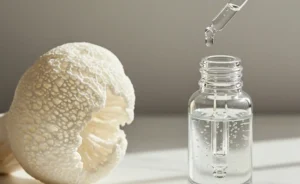
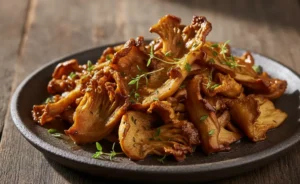
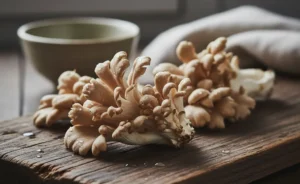
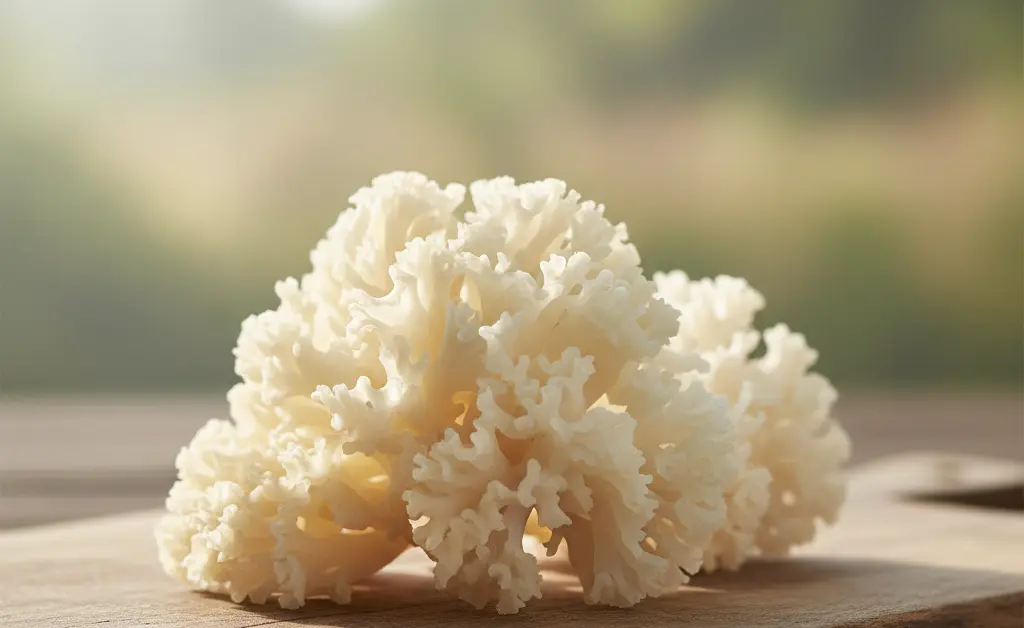
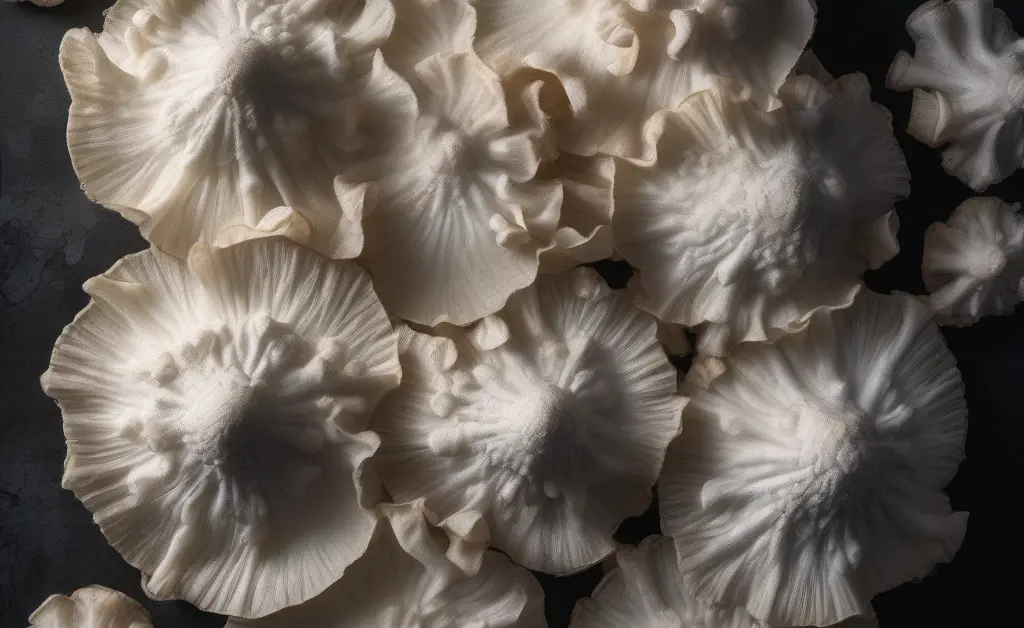
Tremella fuciformis, widely known as snow fungus, is a species of fungus belonging to the Tremellaceae family. It is distinctively characterized by its delicate, gelatinous, and semi-translucent appearance, often resembling a ruffled white flower or coral when hydrated. Among the many edible fungi, the oyster mushroom is another well-known example appreciated in many cuisines. This unique mushroom thrives on dead or fallen logs in tropical and subtropical regions, playing an important role in forest ecosystems. Its scientific classification as tremella fuciformis highlights its specific biological attributes, distinguishing it from other fungi. Historically, it has been revered in various cultures, particularly in East Asia, for both its culinary versatility and its perceived wellness properties.
Common Aliases: Silver Ear and White Jelly Fungus
Beyond its scientific name, tremella fuciformis is commonly recognized by several descriptive aliases that speak to its appearance and texture. “Silver ear mushroom” is a popular name, reflecting its subtle, pearlescent sheen and the way its frilly lobes can resemble delicate ears. Another frequently used alias is “white jelly fungus,” which aptly describes its signature translucent white color and characteristically gelatinous, jelly-like consistency when prepared. These names are not merely informal titles; they have been used for centuries in traditional contexts and underscore the mushroom’s visual and tactile appeal, making it easily identifiable in markets and kitchens alike.
Characteristics of Dried Whole Tremella
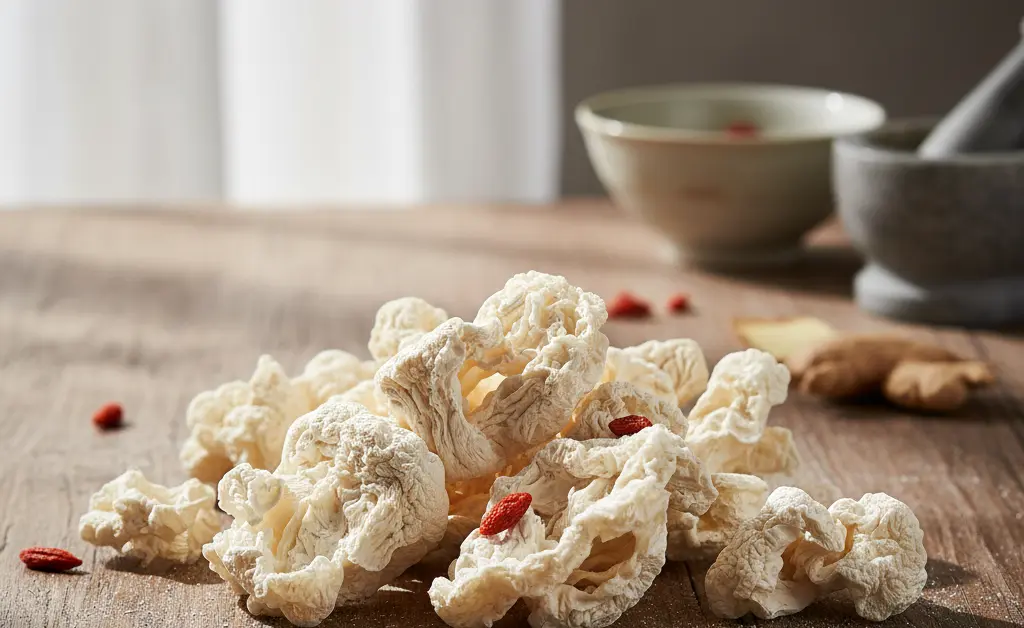
When purchased in its dried form, whole tremella presents specific characteristics that are important for consumers to recognize. Dried whole tremella typically consists of irregular, shriveled clumps that appear significantly smaller and more condensed than their rehydrated counterparts. They maintain a light, off-white to pale yellow color. The texture is firm and brittle, easily breaking apart if handled roughly. Despite their compact size, high-quality dried tremella pieces should still convey an impression of integrity, indicating they will expand beautifully and become gelatinous once soaked in water.
Why Dried Tremella is Widely Available
The widespread availability of dried tremella stems from several practical advantages. Drying is a traditional and effective method of preservation that significantly extends the mushroom’s shelf life without requiring refrigeration. This makes it ideal for export and storage, allowing it to be distributed globally. Furthermore, the drying process concentrates the mushroom’s compounds, and once rehydrated, it regains its desirable texture and properties. For consumers, dried tremella offers convenience, as it can be stored for long periods and prepared as needed, making it a staple ingredient in many pantries.
Visual Assessment: Color, Luster, and Texture
When evaluating dried tremella, a careful visual assessment of its color, luster, and texture is crucial for identifying natural quality. Premium dried tremella should exhibit a pale, slightly yellowish-white color, which indicates proper drying and minimal exposure to environmental contaminants. A healthy, subtle luster, rather than a dull or overly bleached appearance, suggests the mushroom’s inherent qualities are preserved. The texture, though dry, should feel firm and crisp, not crumbly or powdery. These visual cues collectively point towards a well-processed product that retains its integrity and potential benefits.
The Significance of Being Sulfur-Free
The term “sulfur-free” is a significant indicator of natural quality in dried tremella products. Traditionally, some producers might use sulfur dioxide as a bleaching agent to achieve a whiter appearance and extend shelf life. However, this practice can sometimes alter the mushroom’s natural composition and may be a concern for individuals sensitive to sulfites. Opting for sulphur-free tremella ensures that the product has been dried naturally, without the addition of chemical agents, preserving its original flavor profile and purported beneficial compounds. This commitment to natural processing reflects an importance of natural cultivation and sourcing.
Verifying No Artificial Additives
Beyond being sulfur-free, it is equally important to verify that dried tremella contains no artificial additives. Consumers seeking the purest form of this ingredient should look for products that explicitly state “100% pure tremella mushroom” or “no artificial ingredients.” Artificial additives, such as colorings, flavor enhancers, or preservatives, can detract from the natural quality of the tremella and may introduce unwanted substances. Reputable suppliers often provide transparent sourcing information and processing methods, which can help in ensuring that you are purchasing tremella that is free from unnecessary enhancements.
Tips for Identifying Premium Tremella Products
Identifying premium tremella products involves a combination of visual inspection and understanding sourcing practices. Look for dried whole tremella that has a consistent, pale yellowish-white color and a slightly translucent quality. Avoid pieces that appear excessively white, which might indicate bleaching, or those that are dark or discolored. The texture should be firm and relatively intact, not overly brittle or powdery. Additionally, consider the importance of natural cultivation and sourcing. Consumers often look for trusted brands such as Dirtea Tremella Mushroom when seeking quality products. Choosing products from reputable brands that prioritize organic cultivation, transparent processing, and sulfur-free methods can significantly increase the likelihood of acquiring high-quality tremella mushroom.
Optimal Storage Conditions for Longevity
To ensure the longevity and maintain the quality of dried tremella, optimal storage conditions are essential. Dried tremella should be stored in an airtight container to protect it from moisture and air, which can lead to spoilage or a loss of texture. Keep the container in a cool, dry, and dark place, away from direct sunlight and heat sources. A pantry or cupboard is generally suitable. Proper storage prevents the absorption of ambient moisture, which can cause the mushroom to soften or grow mold, thereby preserving its integrity and extending its shelf life for many months, allowing you to enjoy your good quality tremella mushroom whenever desired.
Tremella Mushroom Benefits
The tremella mushroom is often lauded for a spectrum of potential benefits, many of which are attributed to its rich content of polysaccharides and other bioactive compounds. This unique fungus has garnered attention for its hydrating properties, which are thought to extend beyond just the skin. Researchers have explored its potential roles in supporting immune function and overall cellular health. Its traditional uses in various cultures provide a historical context for its modern-day applications, suggesting a long-standing appreciation for the tremella mushroom as a wellness ingredient. Many individuals are also exploring various natural supplements for overall wellness.
Tremella mushroom edible
Yes, the tremella mushroom is indeed edible and has been a prized culinary ingredient in Asian cuisines for centuries. Its gelatinous texture and mild, slightly sweet taste make it versatile for both savory and sweet dishes. It is often rehydrated and then added to soups, desserts, and stir-fries. As an edible fungus, it offers not just a unique texture but also a range of polysaccharides, which are complex carbohydrates. Many wellness enthusiasts also explore the benefits of the chaga mushroom for its unique properties. These compounds are believed to contribute to its potential wellness properties, making the tremella mushroom a popular choice for those looking to incorporate functional foods into their diet.
Tremella mushroom supplement
Given its array of beneficial compounds, tremella mushroom is also available in supplement form, such as powders or extracts. These supplements aim to deliver a concentrated dose of the mushroom’s active components, particularly its polysaccharides, without the need for culinary preparation. Consumers often turn to tremella mushroom supplements for targeted support, such as for skin hydration, antioxidant intake, and immune system modulation. While the traditional preparation involves eating the whole mushroom, supplements offer a convenient way to integrate its potential benefits into a daily routine, especially for those who may not regularly cook with the dried fungus. Those interested in diverse fungal benefits often explore various mushroom supplements.
Is tremella good for your hair?
The potential benefits of tremella mushroom may extend to hair health, primarily through its hydrating properties. Just as it is studied for its ability to support skin hydration, the same principles might apply to the scalp and hair follicles. Adequate hydration is crucial for maintaining a healthy scalp environment, which in turn can support the appearance and strength of hair. While direct scientific studies specifically on tremella and hair growth are developing, its role in overall hydration and antioxidant support suggests a potential indirect benefit for hair vitality and luster. Many wellness enthusiasts consider incorporating tremella for an inside-out approach to beauty, including hair.
Tremella Mushroom for Skin
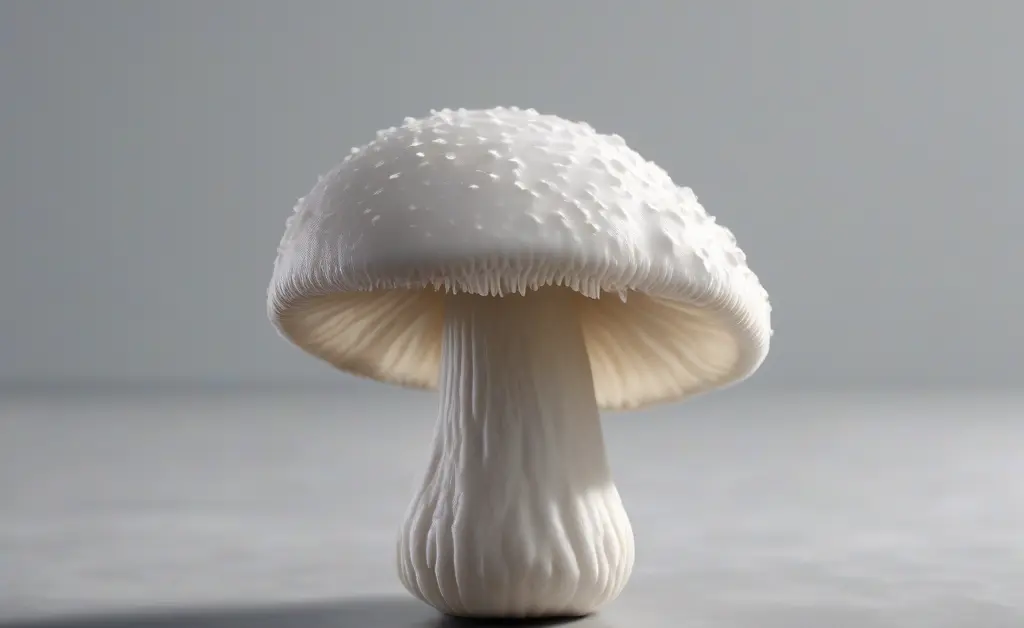
The application of tremella mushroom for skin health is one of its most celebrated attributes, earning it the moniker “the beauty mushroom.” Its unique molecular structure is often compared to hyaluronic acid in its capacity to hold moisture. This makes the tremella mushroom a fascinating ingredient in both traditional remedies and modern skincare formulations. Its potential to contribute to skin hydration and elasticity is a key area of interest, making it a popular choice for those seeking natural ways to support a radiant complexion.
How to use Tremella mushroom for skin
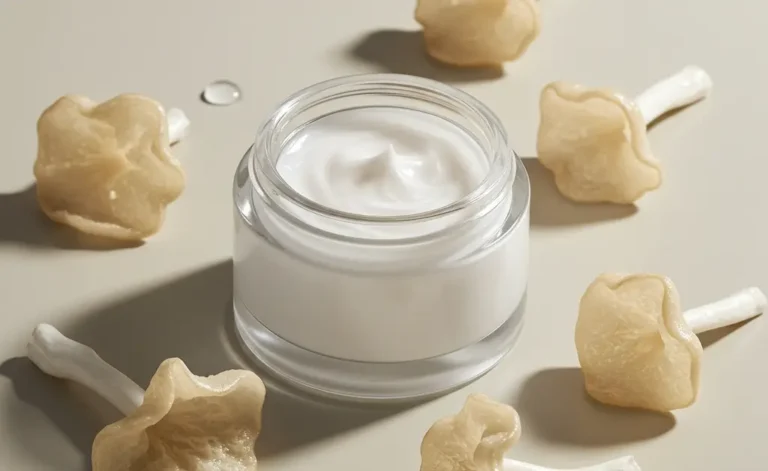
There are several ways to incorporate tremella mushroom for skin benefits, both internally and topically. Internally, consuming rehydrated tremella in soups, desserts, or as a supplement may help support skin hydration from within. The compounds are absorbed through the digestive system, potentially contributing to overall skin moisture and elasticity. Topically, tremella extracts are increasingly found in serums, masks, and moisturizers. These products allow direct application to the skin, where the mushroom’s hydrating properties can be more immediately utilized to potentially plump and moisturize the skin’s surface, enhancing its appearance.
6 Tremella Mushroom Benefits For Skin
Tremella mushroom is often associated with several potential benefits for skin health:
- Superior Hydration: It is studied for its capacity to hold significant amounts of water, potentially helping to moisturize the skin and maintain its hydration levels, which is crucial for a plump and smooth appearance.
- Antioxidant Properties: The presence of antioxidants may help protect skin cells from oxidative stress caused by environmental factors, potentially contributing to a youthful complexion.
- Supports Skin Elasticity: By promoting hydration and potentially supporting collagen production, tremella may help maintain the skin’s natural elasticity, which is key for firmness.
- Calming Effects: It is traditionally associated with soothing properties, which may help calm the skin and reduce the appearance of redness or irritation.
- Enhances Skin Radiance: Through improved hydration and cell health, tremella may contribute to a more radiant and even-toned complexion.
- Protective Barrier Support: Adequate skin hydration supported by tremella may also assist in maintaining the skin’s natural barrier function, offering protection against external stressors.
Is tremella better than collagen for skin?
Comparing tremella mushroom to collagen for skin benefits is complex, as they function differently but can be complementary. Collagen is a structural protein vital for skin elasticity and firmness, and collagen supplements aim to provide the building blocks for the body’s own collagen production. Tremella, on the other hand, is primarily valued for its exceptional hydrating capabilities, which some research suggests might rival or even surpass hyaluronic acid. While tremella does not directly provide collagen, its ability to intensely hydrate and potentially offer antioxidant support may contribute to a healthy skin environment that supports natural collagen processes. Neither is inherently “better”; rather, they address different aspects of skin health and can be used synergistically for comprehensive skincare.
Tremella Mushroom Side Effects
While tremella mushroom is generally considered safe for most individuals when consumed in moderate amounts, understanding potential side effects is important. As with any food or supplement, individual reactions can vary. Any concerns about specific sensitivities or interactions should be discussed with a qualified health professional. For reliable health information, resources from organizations like the CDC can be valuable. Observing one’s own body’s response is key when introducing new foods or supplements into a routine, including tremella mushroom.
Can you eat tremella every day?
Many individuals consume tremella mushroom regularly as part of their diet or wellness routine without experiencing adverse effects. In traditional East Asian culinary practices, it is often incorporated into daily or weekly dishes. However, individual tolerance can vary. As with any food, moderation is advisable. If considering regular daily consumption, especially in supplement form, it is always a good practice to listen to your body and observe any unusual reactions. Consulting with a wellness expert can provide personalized guidance regarding daily intake.
Traditional Uses and History of Tremella
The history of tremella mushroom is deeply intertwined with traditional East Asian cultures, particularly traditional Chinese medicine (TCM). For thousands of years, this delicate fungus has been revered not only as a culinary delicacy but also for its profound perceived medicinal properties. Ancient texts and practices describe its use for nourishing the body, supporting respiratory health, and, most famously, enhancing beauty. It was often consumed by imperial concubines and nobility who sought to maintain a youthful complexion. This extensive history underscores the cultural significance of snow fungus and its enduring legacy as a cherished ingredient in traditional wellness practices.
How to Use Tremella in Culinary Applications
The gelatinous and mild nature of tremella mushroom makes it a wonderfully versatile ingredient in culinary applications, particularly in East Asian cooking. To prepare tremella mushroom, dried varieties typically require rehydration by soaking them in water for 20-30 minutes until they become soft and expand significantly. After rehydration, the tough, yellowish base should be trimmed off, and the mushroom can then be broken into smaller pieces. Its subtle tremella mushroom taste allows it to absorb flavors from other ingredients, making it suitable for both sweet and savory dishes. It’s a key component in classic tremella mushroom recipes like sweet soups, often combined with rock sugar, goji berries, and red dates. It can also be added to savory stir-fries, stews, or even blended into smoothies for added texture and nutrients. Exploring forms of tremella, whether dried or fresh, offers a unique textural experience to many dishes.
The tremella mushroom, with its rich history and diverse applications, stands out as a unique ingredient in both the culinary and wellness worlds. From its traditional role in East Asian cuisine and medicine to its modern-day recognition for potential skin health benefits, this “beauty mushroom” continues to captivate interest. Its distinct gelatinous texture and the array of compounds it contains contribute to its appeal, offering a natural and versatile option for those seeking to enhance their diet and skincare routine. Whether enjoyed in a sweet soup or incorporated into a beauty regimen, tremella remains a fascinating subject worth exploring for its subtle elegance and purported advantages.
Readers should understand that this article does not offer medical diagnosis or treatment. The information provided is for general knowledge and informational purposes only, and does not constitute medical advice. Always consult with a qualified healthcare professional before making any decisions about your health, diet, or starting any new wellness regimen, especially if you have existing health conditions or are taking medications. Individual results from dietary choices or supplements may vary.
FAQ
— What is tremella mushroom commonly called?
Tremella mushroom is often referred to as snow fungus or silver ear mushroom due to its delicate, translucent, and gelatinous appearance. In traditional wellness practices, it is sometimes called the “beauty mushroom” for its relevance to skin health.
— Is dried tremella mushroom better than fresh?
Dried tremella offers significant convenience and a longer shelf life compared to its fresh counterpart, making it more widely available. While rehydrated dried tremella provides similar beneficial compounds, fresh tremella can have a slightly different texture for culinary applications.
— How can you tell if tremella mushroom is good quality?
High-quality dried tremella typically appears light yellow to white, indicating it has been carefully processed without excessive exposure to sunlight or chemicals. The pieces should be relatively intact, plump, and have a somewhat translucent quality when properly rehydrated.
— Is it important for tremella mushroom to be sulfur-free?
It is indeed important to choose sulfur-free tremella, as some producers use sulfur dioxide as a bleaching agent and preservative during drying. While sulfur treatment can make the mushroom appear whiter, it can also impart an unwanted odor or residue and may impact the natural compounds.
— What should I look for when buying dried tremella?
When selecting dried tremella, prioritize products that are natural in color—ranging from light yellow to off-white—rather than artificially bleached pure white. Look for pieces that are thick, fully formed, and free from any unpleasant chemical odors to ensure a higher quality product.
— What does tremella mushroom taste like?
Tremella mushroom has a very mild, almost neutral flavor, which allows it to readily absorb the tastes of other ingredients it is cooked with. Its most distinctive characteristic is its unique gelatinous, slightly chewy texture, often described as soft and slippery.
— How do you prepare tremella mushroom for use?
Dried tremella requires rehydration by soaking it in cool water for at least 30 minutes, or until it becomes soft and expands significantly. After rehydrating, trim away the tough, hard base if present, then rinse thoroughly before incorporating it into recipes.