
It’s a common oversight to group all fungi into the broad category of vegetables, often missing the complex biology and distinct culinary contributions that individual species offer. While plants draw energy from the sun, fungi like the versatile oyster mushroom thrive by decomposing organic matter, playing a crucial role in ecosystems and providing a unique nutrient profile. This fundamental difference extends to their diverse textures, flavors, and potential health benefits, which are far more varied than many realize. Understanding these distinctions opens up a richer appreciation for species such as this, revealing not just a food source, but a fascinating organism with a rich history and numerous applications, from gourmet dishes to potential wellness support.
What Are Oyster Mushrooms?
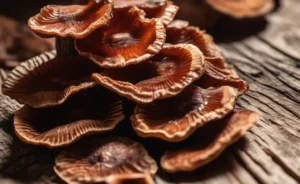
The oyster mushroom is a widely recognized and appreciated edible fungus known for its unique appearance and delicate flavor. These fungi are globally distributed and are a staple in many cuisines, prized for their versatility and potential nutritional value. They represent a significant group within the realm of cultivated and wild mushrooms. The Reishi mushroom is another well-known fungus, often valued for its traditional uses.
Oyster mushroom scientific name
The scientific name for the common oyster mushroom is *Pleurotus ostreatus*. This classification helps differentiate it from other species within the *Pleurotus* genus and broader fungi kingdom, providing a standardized identification for mycologists and consumers alike.
Defining Characteristics
Oyster mushrooms are characterized as saprophytic fungi, meaning they obtain nutrients by decomposing dead or decaying organic matter. They are often referred to as “white rot” fungi because of their ability to break down lignin in wood, which results in a lighter-colored, fibrous decay. Their ecological role is crucial, as they recycle nutrients back into the ecosystem. The underground network of mycelium is responsible for absorbing these nutrients, leading to the development of the visible fruiting bodies we recognize as oyster mushrooms.
Appearance and Shape
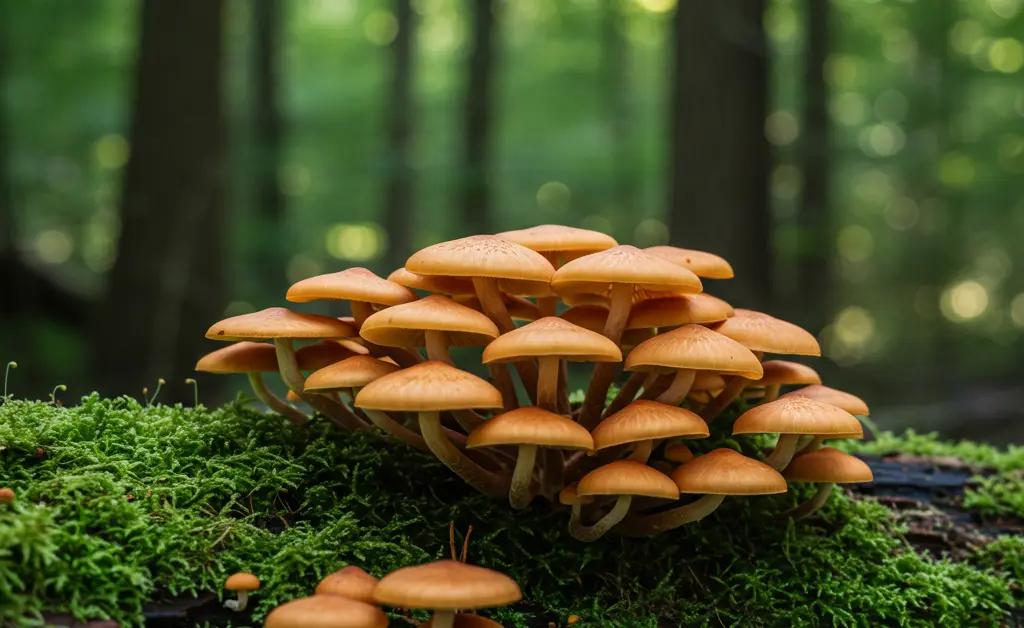
The appearance of the oyster mushroom is quite distinctive, typically featuring a “shell shaped” or fan-shaped cap, often with wavy edges. These caps can range in color from white to grey, tan, or even darker shades, depending on the specific variety and growing conditions. They commonly grow in “tiers” or “clusters,” overlapping one another on their substrate. The gills are prominent, running down the short or absent stem, and are usually white or cream-colored. The stem, when present, is often off-center and relatively short, becoming tougher with age.
What part of an oyster mushroom is edible?
Generally, the entire fruiting body of an oyster mushroom is considered edible. This includes both the cap and the stem. While the caps are usually tender and succulent, the stems can sometimes be tougher, especially in older or larger specimens. Many culinary preparations call for slicing or shredding the entire mushroom, ensuring no part goes to waste.
Identifying and Foraging Oyster Mushrooms
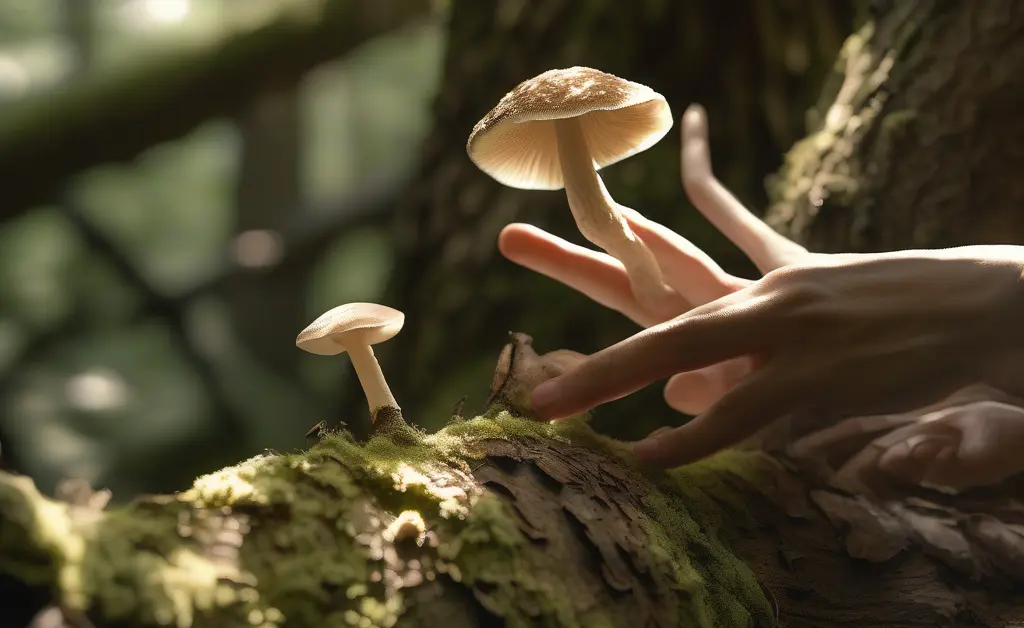
Identifying oyster mushrooms in the wild requires careful observation and knowledge of their “natural habitat” and “characteristics.” Successful foraging relies on accurate “identification” to ensure safety. While foraging for wild mushrooms can be a rewarding experience, it is crucial to exercise extreme caution.
Are there any poisonous oyster mushroom look alikes?
Yes, there are a few mushrooms that can resemble oyster mushrooms, some of which are inedible or even poisonous. Therefore, it is strongly advised that only experienced foragers or mycologists undertake wild mushroom collection. For beginners, it is safest to consume oyster mushrooms that are cultivated or purchased from reliable vendors. When in doubt, it is always best to refrain from consumption to avoid any health risks. For reliable information on mushroom identification and safety, resources from the NIH can be invaluable.
Habitat and Growth of Oyster Mushrooms
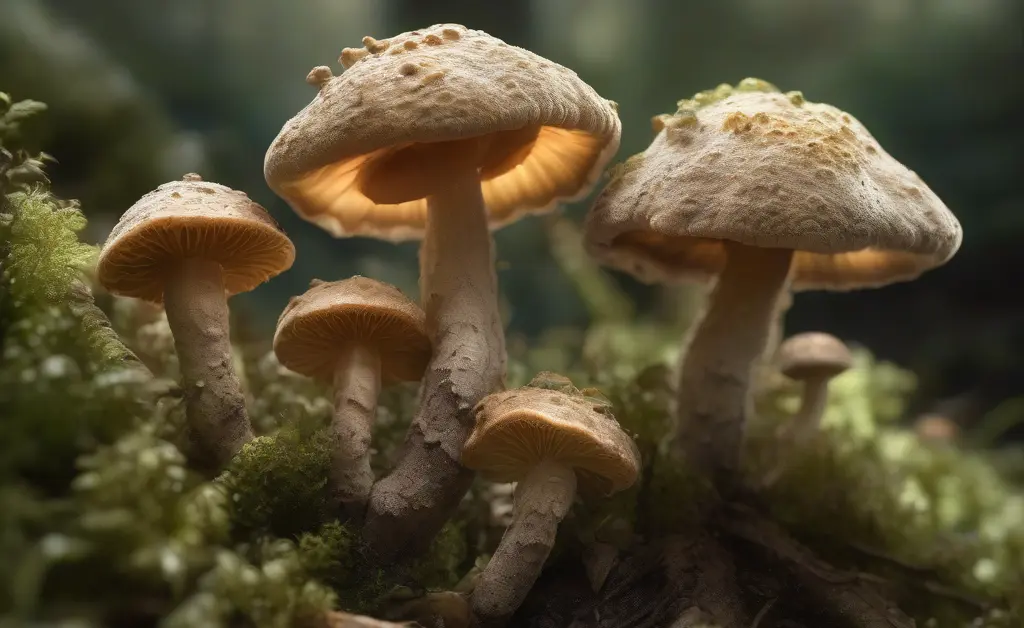
Oyster mushrooms are highly adaptable fungi, capable of thriving in various environments, both in the wild and through cultivation. Their preference for certain conditions contributes to their widespread distribution.
Growth Pattern
In their natural settings, oyster mushrooms typically grow in “clusters” or shelf-like formations on “dead trees,” decaying logs, or “stumps.” They are known for their “saprophytic” nature, acting as decomposers that break down wood fiber. This growth pattern often sees multiple mushrooms emerging from a single point, creating an impressive cascade of caps.
Preferred Growing Environments
Oyster mushrooms prefer temperate and subtropical climates, growing on a variety of hardwoods such as oak, maple, and beech. They require a certain level of humidity and air circulation to flourish. In cultivation, they are grown on various “substrate” materials like straw, sawdust, or coffee grounds, mimicking their natural woody environment.
Seasonality of Oyster Mushrooms
While some varieties of oyster mushrooms can be found year-round in certain regions, others exhibit distinct seasonality. Many are considered “non-seasonal” in controlled growing environments, making them readily available in markets throughout the year. In the wild, their appearance can depend on local climate, rainfall, and temperature fluctuations.
Varieties of Oyster Mushroom
The oyster mushroom family is diverse, encompassing several distinct varieties, each with its own unique characteristics, flavor profile, and appearance. This diversity offers a wide range of culinary possibilities for this popular fungi.
King oyster mushroom
The King oyster mushroom, scientifically known as *Pleurotus eryngii*, stands apart from its relatives with its thick, meaty stem and relatively small cap. Unlike other oyster mushroom varieties that grow in clusters, the King oyster typically grows as single, robust specimens. Its firm “texture” and umami flavor make it a favorite for grilling, roasting, or slicing into medallions.
Pink Oyster Mushroom
The Pink Oyster Mushroom (*Pleurotus djamor*) is immediately recognizable by its vibrant, almost neon pink coloration. It grows in beautiful, delicate clusters. This variety has a slightly woody, seafood-like flavor and a softer texture. It is particularly popular in tropical and subtropical regions and adds a stunning visual appeal to dishes.
Golden Oyster Mushroom
The Golden Oyster Mushroom (*Pleurotus citrinopileatus*) captivates with its bright yellow caps, reminiscent of a cluster of golden flowers. It also grows in large, dense clusters. This variety offers a delicate, nutty flavor, often described as mildly citrusy or cashew-like, with a slightly crisp texture when cooked. It is a visually appealing addition to many culinary creations.
Oyster Mushroom Benefits

Oyster mushrooms are a popular choice not only for their culinary versatility but also for their potential wellness “benefits.” Incorporating these fungi into a balanced eating plan may contribute to overall health. Research has explored various compounds found in oyster mushrooms for their potential positive effects on well-being. Many consumers seek out natural supplements to support their dietary needs.
Nutritional Profile of Oyster Mushrooms
Oyster mushrooms are noted for their favorable “nutritional” profile. They contain a variety of vitamins and minerals, as well as protein and dietary fiber. They are also known to contain antioxidants and other bioactive compounds that have been studied for their potential roles in promoting health. These fungi are a versatile ingredient that may support a healthful lifestyle. Other edible fungi, such as the Maitake mushroom, are also recognized for their beneficial properties.
Oyster Mushroom Price
The “oyster mushroom price” can vary significantly depending on several factors, including whether they are wild-foraged or cultivated, the specific variety, geographic location, and market demand. Generally, cultivated varieties tend to be more consistently priced and readily available than their wild counterparts.
Oyster Mushroom price per kg
While specific numerical values for “oyster mushroom price per kg” are subject to market fluctuations and regional differences, consumers can expect prices to reflect the labor involved in cultivation or the seasonality and scarcity of wild mushrooms. Specialty varieties, such as the King oyster mushroom, might command a slightly higher price due to their unique qualities and demand.
How to Store and Clean Oyster Mushrooms
Proper handling and storage are essential to maintain the freshness and quality of oyster mushrooms, ensuring they retain their delicate flavor and texture for culinary use.
Proper Storage Methods
To keep oyster mushrooms fresh, store them in the refrigerator, ideally in a paper bag or a breathable container. This allows for air circulation and helps prevent moisture buildup, which can lead to spoilage. Avoid storing them in airtight plastic bags, as this can trap humidity and cause them to become slimy. Properly stored, oyster mushrooms can typically last for several days to a week.
Oyster Mushroom Recipes
Oyster mushrooms are a highly versatile ingredient in “culinary” applications, lending themselves well to a wide array of dishes. Their delicate yet distinct flavor and texture make them a favorite among chefs and home cooks. They can be sautéed with garlic and herbs, added to stir-fries, incorporated into soups and stews, or even fried to a crispy texture. The “gourmet” appeal of these mushrooms means they are often featured in sophisticated vegetarian and vegan dishes, offering a satisfying umami depth. The Shiitake mushroom is another popular choice, often featured for its robust flavor and firm texture in various cuisines.
In conclusion, the oyster mushroom is a remarkable fungus celebrated for its ecological importance, diverse varieties, and considerable culinary and nutritional value. From its distinctive appearance and growth patterns to its versatility in the kitchen, this edible fungi offers a wealth of benefits and applications. Whether foraged responsibly or purchased from a local market, oyster mushrooms continue to be a cherished ingredient, enriching meals and contributing to a deeper appreciation of the natural world.
The information in this article is intended for knowledge purposes only. It is not a substitute for professional medical advice, diagnosis, or treatment. Always consult with a qualified healthcare provider for any health concerns or before making any decisions related to your health or well-being. Reliance on any information provided in this article is solely at your own risk.
FAQ
What do wild oyster mushrooms look like?
Wild oyster mushrooms typically present with a fan or oyster-shaped cap, often growing in shelves or clusters. Their color can vary widely from white, grey, or tan to even bluish hues, depending on the specific species and environmental conditions. They also feature prominent gills that run down a very short or absent stem.
Where can you find oyster mushrooms growing?
These fascinating fungi are commonly found growing on dead or dying hardwood trees, such as oak, maple, and beech, in temperate and subtropical regions worldwide. They act as decomposers, helping to break down wood material in forest ecosystems. You’ll often spot them on fallen logs or standing dead trees, often in overlapping clusters.
Are oyster mushrooms seasonal?
Oyster mushrooms are indeed seasonal, primarily appearing from late spring through fall in many temperate climates. While some varieties can tolerate colder temperatures and even fruit in mild winters, their most prolific growth generally coincides with periods of moderate temperatures and consistent moisture. This seasonality is relevant to their lifecycle and spore dispersal.
How do oyster mushrooms grow?
Oyster mushrooms develop from spores that land on suitable wood substrates, where they germinate into mycelium. This network of thread-like structures then colonizes the wood, drawing nutrients from it. When conditions are right, such as adequate humidity and temperature, the mycelium forms fruiting bodies, which are the mushrooms we recognize.
What type of fungi are oyster mushrooms?
The oyster mushroom is classified as a saprophytic fungus, meaning it obtains nutrients by decomposing dead organic matter. Specifically, it is a type of white-rot fungus, known for its ability to break down lignin, a complex polymer found in wood. This vital role contributes significantly to nutrient cycling in forest environments.
Are oyster mushrooms edible in the wild?
Many species of wild oyster mushroom are considered edible and are highly prized by foragers. However, accurate identification is crucial to distinguish them from look-alike species, some of which may not be palatable or could cause mild digestive upset. It is always advised to forage only with expert guidance or thorough prior knowledge.
What is the texture of an oyster mushroom?
The texture of an oyster mushroom is often described as tender and slightly chewy, providing a satisfying mouthfeel when cooked. Younger mushrooms tend to be more delicate, while larger, older specimens can develop a firmer, sometimes tougher, texture. This characteristic texture makes them versatile in various culinary preparations.
How do you know when an oyster mushroom is bad?
A bad oyster mushroom will typically show clear signs of spoilage, such as a slimy or sticky surface, discoloration (dark spots or a yellowish tint), and a strong, unpleasant odor. They may also appear shriveled or have mold growth on their caps or gills. It’s best to discard any mushrooms exhibiting these characteristics to ensure safety.