
Incorporating nutrient-dense foods into your diet can significantly contribute to overall well-being, offering more than just basic sustenance. One such ingredient, the shiitake mushroom, exemplifies this, providing a unique blend of culinary versatility and powerful health-supporting properties. This guide delves into the esteemed fungus, exploring its rich history, distinct flavor, and the scientific backing for its many benefits. Historically valued in Eastern traditions, these mushrooms are packed with essential vitamins, minerals, and bioactive compounds known to bolster immune function, support cardiovascular health, and offer anti-inflammatory effects. We aim to provide a comprehensive understanding of this remarkable food, covering its nutritional profile, diverse uses, and crucial safety information, enabling readers to confidently integrate it into their lifestyle.
Introduction to Shiitake Mushrooms
The shiitake mushroom, a revered edible fungus, has been a staple in Asian cuisine and traditional medicine for centuries. Known for its rich, savory taste and meaty texture, it has gained global popularity not only for its culinary appeal but also for its array of potential health benefits. This section introduces the fundamental aspects of this fascinating ingredient.
What are Shiitake Mushrooms?
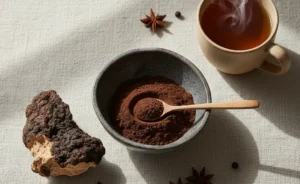
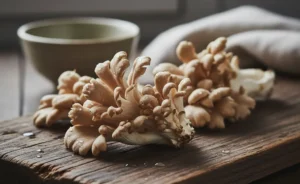
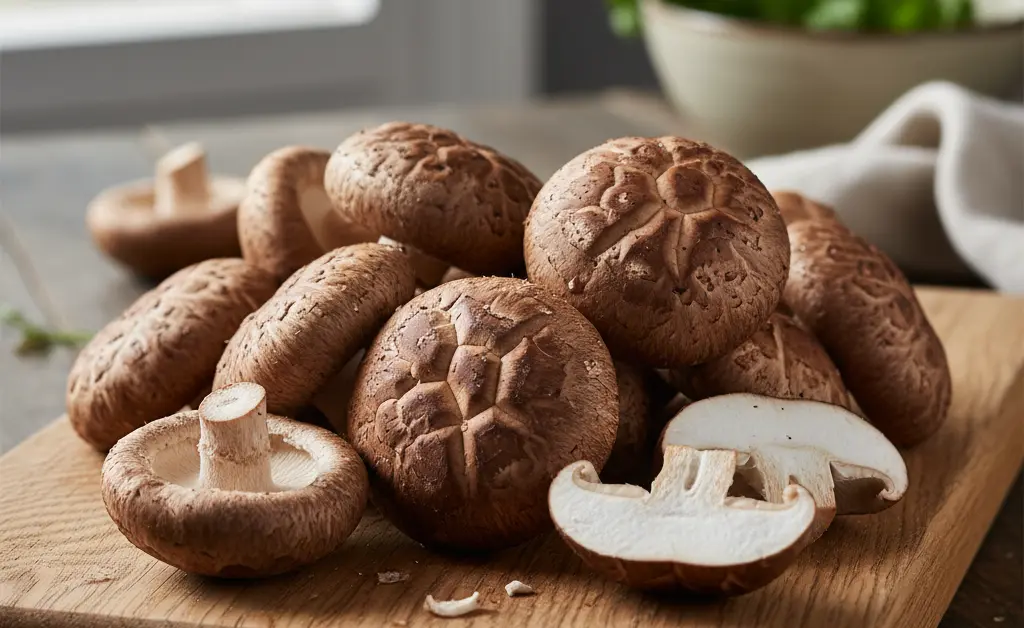
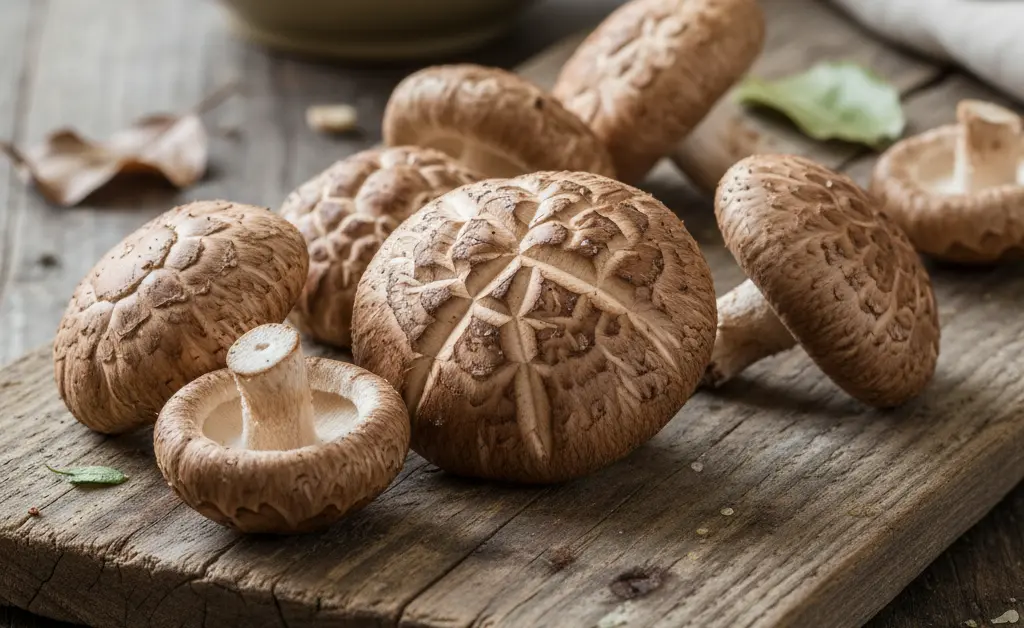
Shiitake mushrooms are a type of edible fungi native to East Asia. They are characterized by their umbrella-shaped caps, which range in color from light to dark brown, and their distinct earthy and umami flavor. These mushrooms grow naturally on decaying hardwood trees, making them a common sight in forested regions of Japan, China, and Korea. Beyond their use as a flavorful ingredient, they are also recognized as medicinal fungi, often explored for their unique bioactive compounds. Other renowned varieties like the cordyceps mushroom are also celebrated for their unique properties.
Scientific Name and Origin
The scientific name for the shiitake mushroom is Lentinus edodes. The term “shiitake” itself is derived from the Japanese words “shii” (a type of chestnut tree, Castanopsis cuspidata, on which the mushrooms traditionally grow) and “take” (mushroom). Originating in the mountainous regions of Asia, specifically China, Japan, and Korea, shiitake have been cultivated for over a thousand years. Historical records suggest their cultivation dates back to at least 100 AD in China. They have since become an integral part of various Asian cultures, celebrated for both their culinary and traditional medicinal applications.
Nutritional Profile and Active Compounds of the Shiitake Mushroom
Beyond its culinary appeal, the shiitake mushroom boasts a remarkable nutritional profile, making it a valuable addition to a balanced diet. It is a source of various vitamins, minerals, and unique bioactive compounds that contribute to its potential health-supporting properties. This section explores what makes this medicinal mushroom so nutritious.
Key Bioactive Compounds
The health benefits attributed to shiitake mushrooms are largely due to their rich composition of bioactive compounds. Among the most studied are polysaccharides, particularly beta-glucans like lentinan. Lentinan is a complex carbohydrate that has been the focus of extensive research for its potential immune-modulating effects. Other important compounds include ergothioneine, a powerful antioxidant that helps protect cells from oxidative stress, and various triterpenoids, sterols, and glycoproteins. These compounds work synergistically to provide the mushroom’s overall health-supporting properties.
Dried vs. Fresh Shiitake Mushrooms
Shiitake mushrooms are commonly available in both fresh and dried forms, each offering unique characteristics. Fresh shiitake have a delicate texture and a milder, slightly woody flavor, ideal for immediate use in stir-fries, soups, and sautéed dishes. Dried shiitake, however, are renowned for their intensely concentrated umami flavor and firmer, chewier texture once rehydrated. The drying process enhances their savory notes, making them excellent for stocks, broths, and slow-cooked dishes where their flavor can fully infuse. Interestingly, sun-dried shiitake mushrooms can also contain higher levels of vitamin D, as they naturally produce this vitamin when exposed to sunlight, similar to how human skin does.
Potential Health-Supporting Properties
The robust nutrient composition of the shiitake mushroom contributes to several potential health benefits, which have been explored in both traditional practices and modern scientific research. This section details some of the most significant ways this edible fungus may support overall well-being.
Overall Health Benefits
As a notable medicinal mushroom, shiitake is recognized for its comprehensive health-supporting potential. It is rich in antioxidants, B vitamins (including B2, B3, B5, B6), and minerals such as selenium, copper, and zinc. These nutrients collectively support various bodily functions, from energy metabolism to cellular protection. The presence of fiber also contributes to digestive health, while amino acids provide essential building blocks for protein synthesis. Regular incorporation of this particular edible fungus into the diet may contribute to a stronger, more resilient body. This underscores the value of whole foods as natural supplements for well-being.
Immune System Support
One of the most well-known attributes of the shiitake mushroom is its potential to support the immune system. The beta-glucans, especially lentinan, found in these mushrooms are believed to stimulate immune cells, potentially enhancing the body’s natural defenses. Studies suggest that these polysaccharides may help to modulate immune responses, contributing to a more balanced and effective immune function. This makes the shiitake mushroom a popular choice for those seeking to bolster their body’s ability to resist everyday challenges.
Cardiovascular Health Benefits
The shiitake mushroom is also explored for its potential role in supporting cardiovascular health. Certain compounds within the mushroom, such as eritadenine, sterols, and beta-glucans, may contribute to cholesterol management. Eritadenine, for instance, has been been studied for its potential to help lower cholesterol levels. Additionally, the fiber content in shiitake can aid in reducing cholesterol absorption. The antioxidant properties of these mushrooms may also help protect blood vessels from oxidative damage, further supporting heart health.
Antiviral and Antibacterial Effects
Research has investigated the shiitake mushroom for its potential antiviral and antibacterial properties. Compounds like lentinan have been studied for their ability to potentially inhibit the growth of certain viruses. Further scientific understanding of these effects can often be explored through resources like PubMed. Furthermore, other bioactive components present in the mushroom may exhibit mild antibacterial activity, contributing to the body’s defense against various pathogens. These effects underscore the broad protective potential of this versatile fungus.
Anti-inflammatory Effects
Chronic inflammation is implicated in numerous health concerns, and the shiitake mushroom may offer natural anti-inflammatory support. Its rich array of antioxidants, including ergothioneine, helps combat oxidative stress, which is a key driver of inflammation. By neutralizing free radicals, these antioxidants may help reduce inflammatory responses in the body. This potential makes the shiitake mushroom an interesting food choice for those looking to manage inflammation naturally.
Culinary Uses and Preparation Methods
The versatility of the shiitake mushroom in the kitchen is one of its most celebrated attributes, cherished for its unique umami flavor and delightful texture. This section provides guidance on how to select, store, and prepare this exquisite ingredient.
How to Select and Store Shiitake
When selecting fresh shiitake, look for mushrooms with firm, plump caps that are free of any dark spots or sliminess. The gills underneath the cap should be intact and not overly dry. Avoid any mushrooms that appear shriveled or have a strong, sour odor. For dried shiitake, ensure they are whole and not broken, with a uniform, dark brown color. Store fresh shiitake mushrooms in a paper bag in the refrigerator for up to a week; avoid plastic bags as they can trap moisture and cause spoilage. Dried shiitake should be kept in an airtight container in a cool, dark pantry, where they can last for many months.
Tips for Cooking Shiitake Mushrooms
Before cooking, brush fresh shiitake gently to remove any dirt; avoid washing them under running water as they can absorb too much moisture. The stems of shiitake mushrooms are quite tough and typically discarded or reserved for making stocks. Dried shiitake must be rehydrated before use by soaking them in warm water for at least 20-30 minutes, or until soft. The soaking liquid can be strained and used as a flavorful broth base. Shiitake impart a rich, savory flavor to dishes and can be sautéed, roasted, grilled, added to soups, stir-fries, and pasta sauces, or even used as a meat substitute due to their hearty texture.
Quick & Easy Shiitake Mushroom Recipes
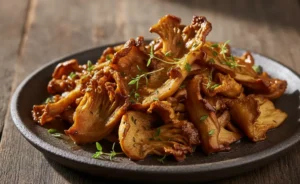
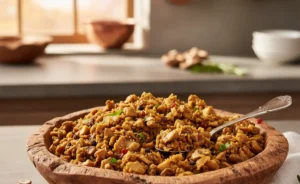
Shiitake mushrooms lend themselves to a wide range of quick and easy preparations. For a simple side dish, sauté sliced shiitake with garlic and soy sauce until tender and lightly caramelized. They are excellent in classic stir-fries with vegetables and a protein source, adding depth and umami. For a comforting meal, incorporate them into ramen, miso soup, or other broth-based dishes. They can also be thinly sliced and added to omelets, frittatas, or quiches. For vegetarian options, shiitake make a delicious addition to rice bowls, noodle dishes, or as a savory topping for toast or polenta.
Safety, Precautions, and Potential Side Effects
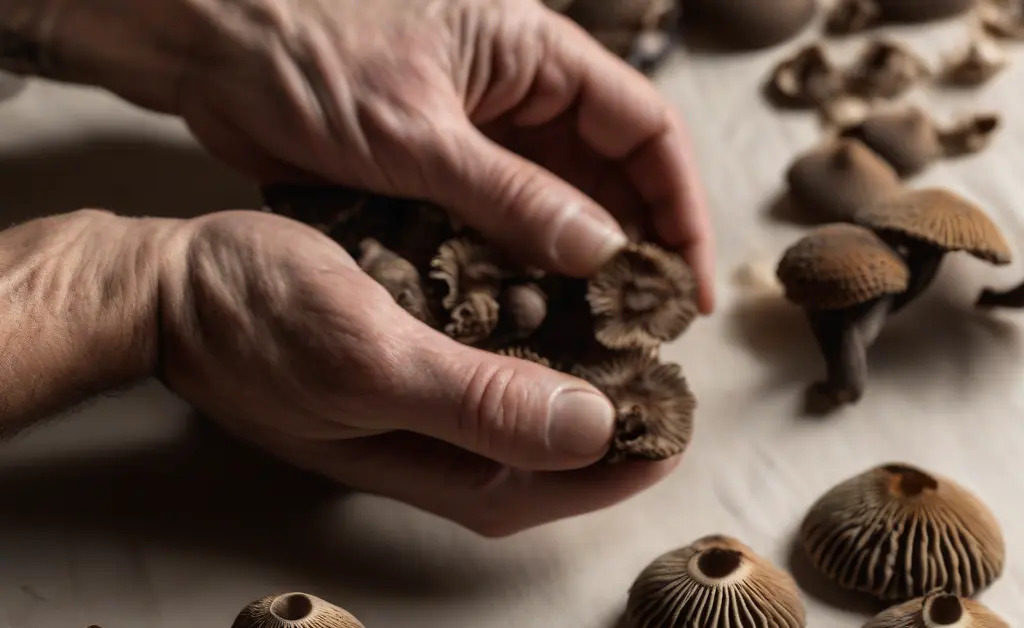
While generally considered safe for most people, understanding the potential precautions associated with the shiitake mushroom is important. Like any food or supplement, some individuals may experience adverse reactions or have specific health conditions that require caution.
Common Adverse Reactions
For most individuals, consuming shiitake mushrooms as part of a balanced diet poses no significant risk. However, some people may experience mild digestive upset, such as bloating, gas, or stomach discomfort, especially if consuming large quantities or if not accustomed to the mushroom’s fiber content. These reactions are typically transient and resolve on their own.
Allergic Reactions and Shiitake Dermatitis
Rarely, some individuals may experience allergic reactions to shiitake mushrooms. Symptoms can include skin rashes, itching, or respiratory issues. A unique reaction associated with raw or undercooked shiitake is “shiitake dermatitis,” also known as flagellate dermatitis. This condition manifests as an itchy, linear, or whip-like rash that typically appears on the torso and limbs several hours or days after consumption. While uncomfortable, it is generally harmless and resolves within a few days to weeks. Ensuring shiitake mushrooms are thoroughly cooked can help prevent this reaction.
Who Should Avoid Shiitake Mushrooms?
Certain individuals should exercise caution or avoid shiitake mushrooms. This includes people with known allergies to mushrooms. Individuals with autoimmune conditions should consult a healthcare professional before consuming shiitake, especially in supplement form, due to its potential immune-modulating effects. Pregnant and breastfeeding individuals are also advised to consult their doctors, as research on shiitake’s effects in these populations is limited. Those with bleeding disorders or undergoing surgery should be cautious due to potential interactions with blood clotting.
Potential Interactions with Medications
Shiitake mushrooms may potentially interact with certain medications. Due to their possible effects on blood clotting, individuals taking anticoagulant or antiplatelet medications should exercise caution and consult their doctor. Similarly, because shiitake may influence the immune system, those on immunosuppressants should seek medical advice. There is also some research suggesting potential effects on blood sugar; therefore, individuals taking diabetes medication should monitor their blood glucose levels closely if incorporating shiitake regularly.
Recommended Dosages
Establishing precise recommendations for shiitake mushroom intake can be complex due to variations in product concentration, individual health status, and specific desired outcomes. It is generally advisable to consult with a healthcare professional before incorporating shiitake supplements or medicinal preparations into one’s regimen to determine appropriate usage. Always adhere to the guidance provided on product labels or as advised by a qualified expert. The composition of fresh, dried, and extracted forms of shiitake can differ significantly, impacting their potential effects.
Forms of Shiitake Supplements
Beyond culinary use, shiitake mushrooms are also available in various supplement forms. These mushroom supplements typically include powders, capsules, and liquid extracts. Powders can be mixed into beverages or food, while capsules offer a convenient, pre-measured dose. Extracts are often concentrated forms, intended to deliver a higher potency of the mushroom’s bioactive compounds. The choice of supplement form may depend on individual preferences and specific health goals.
Historical and Cultural Significance
The shiitake mushroom holds a profound historical and cultural significance, particularly in East Asian societies, where it has been revered for both its culinary attributes and its perceived medicinal properties for millennia.
Shiitake in Traditional Medicine Systems
In traditional Chinese medicine (TCM) and Japanese herbal traditions, shiitake mushrooms have been valued for their perceived ability to invigorate vitality, support circulation, and enhance immune function. They were often used to address various ailments and to promote overall longevity and well-being. Ancient texts describe their use as a tonic for strengthening the body and mind. The inclusion of this esteemed edible fungus in traditional medicine highlights its long-standing reputation as a food with powerful therapeutic potential, earning it the designation of a true medicinal fungi. Other medicinal fungi, such as the chaga mushroom, are similarly revered in various traditional practices for their unique health benefits.
The shiitake mushroom stands as a remarkable ingredient, celebrated for its unique flavor, versatile culinary applications, and a compelling array of potential health benefits. From its rich nutritional profile, brimming with essential vitamins, minerals, and potent bioactive compounds like lentinan, to its historical role in traditional medicine systems, shiitake offers more than just culinary delight. Its potential to support immune function, cardiovascular health, and anti-inflammatory processes makes it a valuable addition to a health-conscious diet. While generally safe, understanding potential precautions ensures a beneficial and enjoyable experience with this fascinating fungus, empowering individuals to confidently integrate it into their lifestyle for enhanced well-being.
This information should be viewed as educational rather than medical advice. The content provided is for general informational purposes only and is not intended to be a substitute for professional medical advice, diagnosis, or treatment. Always seek the advice of your physician or other qualified health provider with any questions you may have regarding a medical condition. Never disregard professional medical advice or delay in seeking it because of something you have read in this article.
FAQ
— What are the health benefits of shiitake mushrooms?
Shiitake mushrooms are valued for their rich nutritional profile, containing B vitamins, minerals, and dietary fiber. They are known for supporting overall wellness, including aspects of cardiovascular health and antioxidant activity. These benefits stem from a complex array of bioactive compounds present in the mushroom.
— What are the side effects of taking shiitake mushrooms?
Some individuals may experience digestive upset, such as stomach discomfort or diarrhea, especially when consuming raw or undercooked shiitake. A unique reaction known as “shiitake dermatitis” can occur in sensitive individuals, manifesting as a rash after ingesting these mushrooms. As with any food, allergic reactions are also possible.
— Is shiitake mushroom good for your immune system?
The shiitake mushroom is known for its beneficial compounds that interact with the immune system. Specifically, polysaccharides like beta-glucans are relevant to supporting immune cell activity and modulating immune responses. These natural compounds contribute to the mushroom’s reputation in wellness traditions.
— Can shiitake mushrooms help lower cholesterol?
Research indicates that certain compounds in shiitake mushrooms, such as eritadenine and specific sterols, play a role in lipid metabolism. These components are linked to supporting healthy cholesterol levels within the body. Their functional mechanisms are a subject of ongoing scientific interest.
— What is lentinan in shiitake mushrooms?
Lentinan is a unique polysaccharide, specifically a beta-glucan, naturally found in shiitake mushrooms. This compound has been extensively studied for its potential in supporting immune function. It is a key active component that contributes to the mushroom’s recognized health properties.
— Are there any drug interactions with shiitake mushrooms?
As with many functional foods, there is a possibility of interactions between shiitake mushrooms and certain medications. Individuals taking blood thinners, immunosuppressants, or medications for autoimmune conditions should exercise caution. Consulting a healthcare professional is advisable to understand potential interactions specific to your situation.
— Who should avoid shiitake mushrooms?
Individuals with known mushroom allergies or those prone to allergic reactions should avoid shiitake mushrooms. People with autoimmune conditions or those on immunosuppressant medications might need to exercise caution due to the mushroom’s immune-modulating properties. It is also generally advised for pregnant or nursing individuals to consult a healthcare provider before incorporating new functional foods.
— What is the recommended dosage for shiitake mushroom supplements?
Providing specific dosages falls outside the scope of general wellness information, as individual needs vary significantly. The appropriate amount depends on factors such as the supplement’s concentration, form, and personal health considerations. Always refer to the product label or seek guidance from a qualified health professional for personalized recommendations.