Among the most prized gourmet fungi, one stands out for its unique texture and culinary adaptability. This comprehensive guide delves into the fascinating world of the king oyster mushroom, a culinary favorite increasingly found in kitchens worldwide. Known for its thick, meaty stem and subtle flavor, this mushroom offers a compelling alternative to traditional proteins and vegetables. Here, we will explore its distinct characteristics, from its nutritional profile and potential health benefits to practical advice on preparation, cooking methods, and creative recipes. Discover how to select, store, and integrate this exceptional ingredient into your meals, enhancing both flavor and nutritional value.
Understanding King Oyster Mushrooms: Description, Uses, Nutrition, & Facts
What are King Oyster Mushrooms?
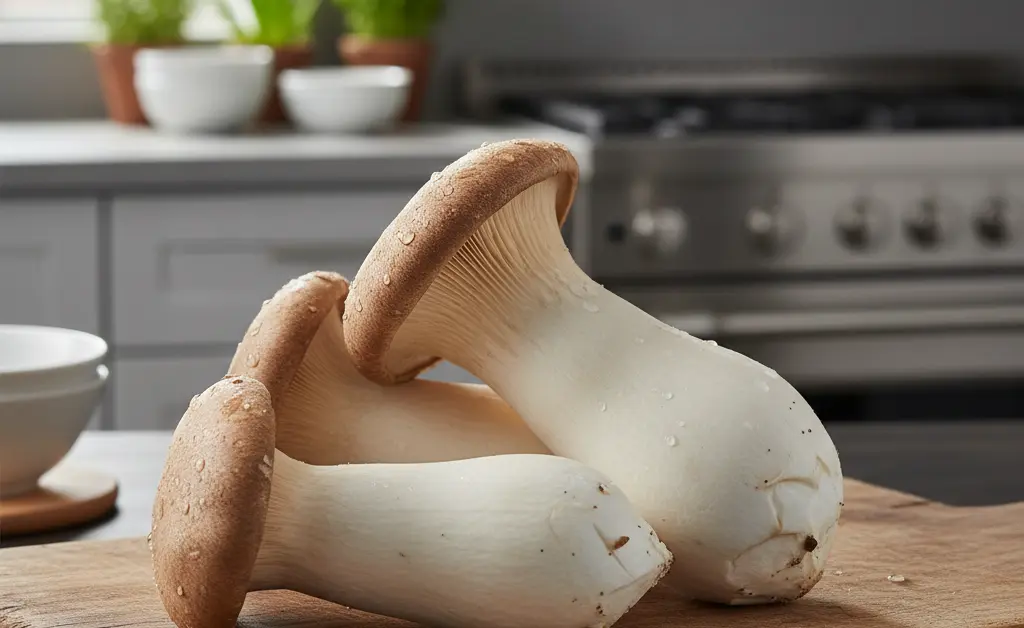
The king oyster mushroom, scientifically known as Pleurotus eryngii, is a large, edible mushroom native to the Mediterranean regions of Europe, the Middle East, and North Africa. It is cultivated worldwide, particularly in Asian cuisine, for its distinctive appearance and versatile culinary applications. Unlike many other mushrooms where the cap is the primary focus, the king oyster mushroom is prized for its thick, firm, and meaty stem, which retains its texture exceptionally well during cooking. This robust fungi is a popular plant-based ingredient, often utilized as a meat substitute due to its satisfying bite and umami flavor profile. Other beneficial fungi, like the tremella mushroom, also offer unique properties.
Flavor and Texture Profile
King oyster mushrooms boast a mild, savory flavor with a subtle nutty and earthy undertone that becomes more pronounced upon cooking. Its true appeal, however, lies in its unique texture. The thick stems have a firm, meaty texture that can be incredibly satisfying, especially when browned and caramelized. When cooked properly, they can achieve a tender yet chewy consistency, making them an excellent candidate for dishes where a substantial bite is desired. Many chefs and home cooks use them to create vegan scallops, mushroom steaks, or other hearty plant-based dishes because of this robust flavor and firm texture.
Nutritional Content (Calories, General Nutrition)
As a nutrient-rich fungi, the king oyster mushroom offers a valuable addition to a balanced diet. It is naturally low in calories and fats, making it an excellent choice for those mindful of their caloric intake. These mushrooms are a good source of dietary fiber, which is important for digestive health. They also provide protein, contributing to a feeling of fullness and supporting various bodily functions. Incorporating king oyster mushrooms into meals can enhance their nutritional value while adding a unique gourmet touch.
Vitamins and Minerals Profile
Beyond its macronutrient profile, the king oyster mushroom contains an array of beneficial vitamins and minerals. These edible fungi are known to provide B vitamins, such as riboflavin (B2) and niacin (B3), which play roles in energy metabolism. They also contain essential minerals like potassium, which is important for fluid balance, and phosphorus. While not a primary source of all vitamins and minerals, their presence contributes to the overall nutritional density and health-supporting potential of this versatile ingredient.
Origin and Natural Habitat
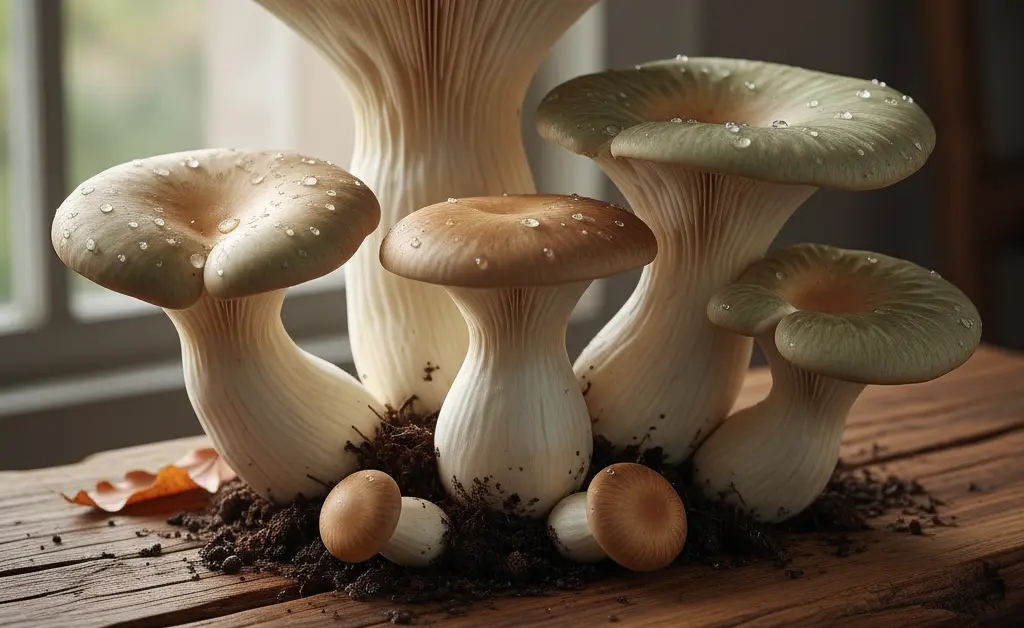
The king oyster mushroom’s origins can be traced back to the Mediterranean basin, where it grows naturally on the roots of various broadleaf trees, especially those in the eryngium genus (hence its scientific name, Pleurotus eryngii). Its preference for certain host plants and specific environmental conditions—such as moderate temperatures and humidity—contributes to its unique characteristics. Today, while it still grows wild in its native regions, the king oyster mushroom is extensively cultivated globally in controlled environments, allowing for its widespread availability in markets and grocery stores.
Health Benefits of King Oyster Mushrooms
Potential Health Advantages
The consumption of king oyster mushrooms is associated with several potential health advantages, attributed to their rich nutritional composition. These fungi contain various bioactive compounds, including antioxidants and polysaccharides, which are studied for their impact on overall wellness. The fiber content in the king oyster mushroom may help support digestive health, while its protein content contributes to satiety. Traditionally, mushrooms have been valued in various cultures for their role in promoting vitality, and modern research, often supported by institutions like the NIH, continues to explore the wide range of benefits potentially associated with incorporating nutrient-dense foods like this mushroom into a regular diet. Integrating nutrient-dense foods, like this mushroom, can be part of a broader approach to wellness that may include natural supplements.
Cooking King Oyster Mushrooms: Recipes, Preparation, and Serving Suggestions
Preparing the Stems vs. Caps
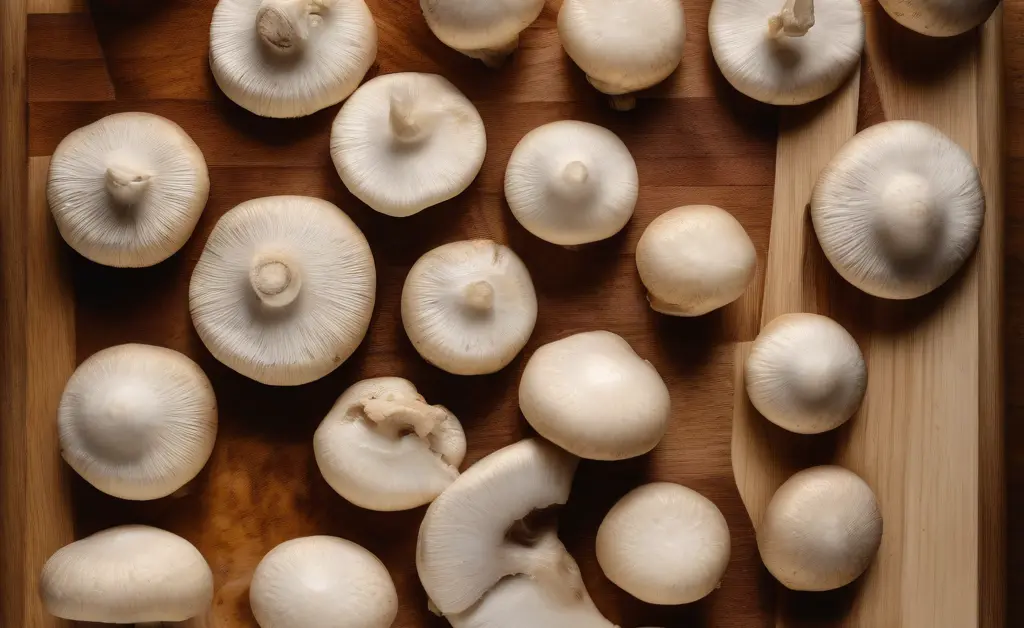
The preparation of king oyster mushrooms is relatively simple, with both the stems and caps being edible and delicious. Start by cleaning and trimming king oyster mushrooms; gently wipe them with a damp cloth or soft brush to remove any debris. Avoid soaking them, as they can absorb too much water. The thick, cylindrical stems are the star of this mushroom, offering a firm texture perfect for slicing and cutting techniques. They can be sliced into rounds, lengthwise into “steaks,” or even torn into strips for a shredded meat-like consistency. The smaller caps, while often less prominent, can be chopped and used in stir-fries or finely diced to add flavor to sauces.
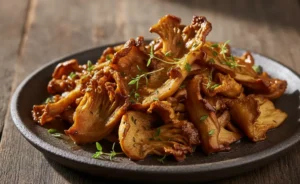
Popular cooking methods for king oyster mushrooms include roasting, grilling, sautéing, and frying. For mushroom steaks, thick slices of the stem can be seared in a hot sauté pan or grill pan with olive oil, garlic, and herbs like thyme or rosemary until golden brown and caramelized. Slicing them thinly and adding them to a stir-fry with soy sauce and sesame oil creates delicious, crispy edges. Marinating for enhanced flavor with ingredients like soy sauce, garlic, and ginger can significantly deepen their savory profile before cooking. Seasoning and flavor pairings are flexible, with salt and pepper being essential, but they also complement robust flavors in Asian cuisine.
Where to Buy King Oyster Mushrooms
Sourcing, Purchasing, and Pricing
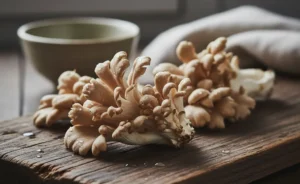
King oyster mushrooms are increasingly available in various retail environments. You can typically find them in the produce section of well-stocked conventional grocery stores, particularly those with a focus on specialty or international ingredients. Asian markets are also excellent sources, often offering them at competitive prices due to their popularity in Asian cuisine. Farmers’ markets might occasionally feature them, especially from local mushroom cultivators. Pricing can vary based on season, location, and whether they are organically grown, but they are generally considered a gourmet item, priced higher than common button mushrooms but comparable to other specialty fungi. For instance, the maitake mushroom is another specialty fungi valued for its unique properties.
Selecting the Best Quality Mushrooms
When selecting king oyster mushrooms, look for firm, plump specimens with smooth, unblemished stems. The caps should be intact and not shriveled or slimy. The color should be uniform, typically a light beige or tan. Avoid any mushrooms that appear bruised, soft, or waterlogged, as these are signs of spoilage. A fresh king oyster mushroom will have a subtle, earthy aroma, while an off smell indicates that it is past its prime. Choosing high-quality mushrooms ensures the best flavor and texture for your culinary preparations.
Storing King Oyster Mushrooms
Storing Fresh King Oyster Mushrooms
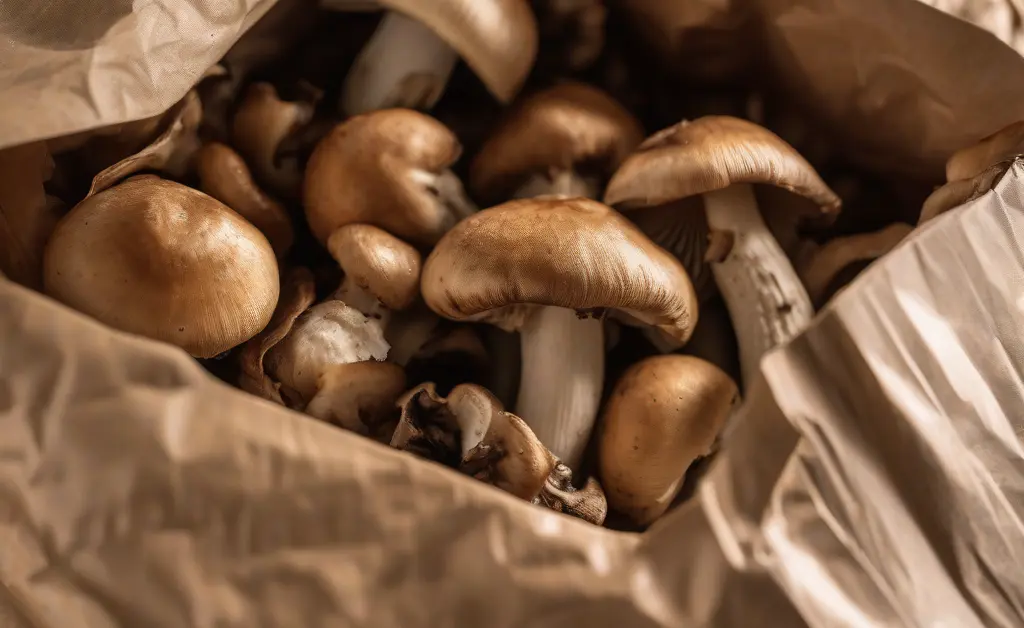
Proper storage is crucial to maintaining the freshness and quality of king oyster mushrooms. The best way to store fresh mushrooms is in a paper bag in the refrigerator. The paper bag allows them to breathe, preventing moisture buildup that can lead to spoilage. Avoid storing them in plastic bags, as this traps moisture and can make them slimy quickly. Stored correctly, fresh king oyster mushrooms can last for a week or even longer. Do not wash them until just before use to prolong their shelf life.
Storing Cooked King Oyster Mushrooms
Cooked king oyster mushrooms can be stored in an airtight container in the refrigerator for a few days. Ensure they cool completely before transferring them to the container to prevent condensation, which can promote bacterial growth. While their texture might soften slightly after refrigeration, they can still be enjoyed in various dishes, such as re-heating them for a quick side or incorporating them into salads, soups, or stir-fries.
Identifying the King Oyster Mushroom
Botanical Description and Common Names (Pleurotus eryngii, King Trumpet, French names)
The king oyster mushroom is botanically identified as Pleurotus eryngii. It is distinctive for its thick, robust cylindrical stalk (stem) and a relatively small, flattened cap. The stem is typically white to off-white, solid, and meaty, growing much larger and more prominent than its cap. The cap, which can range from light brown to tan, is usually convex when young and flattens out as it matures, often with a slightly wavy edge. The gills underneath the cap are typically cream-colored, running down the stem. This fungi is also widely known by several common names, including “King Trumpet Mushroom” due to its shape, and sometimes “French Horn Mushroom.” Its unique morphology makes it relatively easy to distinguish from other cultivated mushrooms, establishing the king oyster mushroom as a recognizable and sought-after ingredient. Another popular cultivated variety is the shiitake mushroom.
The king oyster mushroom is more than just a culinary trend; it’s a versatile and nutritious ingredient that offers a unique experience for any palate. Whether you’re a seasoned chef or a home cook looking to explore new flavors, its meaty texture, umami flavor, and adaptability make it a stellar addition to a wide array of dishes. From hearty plant-based meals to gourmet side dishes, understanding how to select, store, and prepare this fascinating fungi opens up a world of culinary possibilities, inviting you to experiment and savor its distinct characteristics. Find your next favorite king oyster mushroom recipe to explore its unique flavors.
This article is written for general understanding and not for medical decision-making. The information provided is for educational purposes only and should not be considered as a substitute for professional medical advice, diagnosis, or treatment. Always consult with a qualified healthcare professional before making any decisions about your health or treatment plan.
FAQ
— What part of the king oyster mushroom is edible?
Both the cap and the stem of this mushroom are entirely edible and commonly used in cooking. The stem is particularly prized for its dense, meaty texture, which holds up well to various cooking methods.
— What do king oyster mushrooms taste like when cooked?
When cooked, king oyster mushrooms develop a rich, savory umami flavor with subtle earthy notes, often compared to abalone or scallops. Their texture transforms into a firm, chewy, and satisfying bite, making them a popular choice for their unique mouthfeel.
— Can you eat king oyster mushrooms raw?
Eating the king oyster mushroom raw is generally not recommended as its cellular structure, rich in chitin, can be difficult for human digestion without heat processing. Cooking helps break down these components, enhancing digestibility and unlocking its full flavor potential.
— How do you know if a king oyster mushroom has gone bad?
You can identify a spoiled mushroom by several clear signs, including a slimy or sticky texture, dark spots, or a fuzzy mold developing on the surface. Additionally, a strong sour or ammonia-like odor indicates that the mushroom is no longer fresh and should be discarded.
— What is a good substitute for king oyster mushrooms?
For a similar firm, chewy texture, large shiitake mushrooms or even portobello caps can serve as good substitutes, especially when sliced thickly. If the primary goal is a robust umami flavor, cremini or white button mushrooms can also be used, though their texture will be softer.