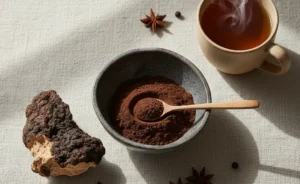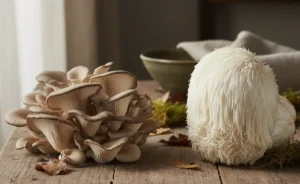


Chaga mushroom, a unique fungus found primarily on birch trees in cold climates, has gained attention for its promising effects on skin health. Rich in antioxidants and bioactive compounds, it offers a natural approach to supporting skin vitality and resilience. Recent research highlights its potential to address various skin concerns, ranging from hydration and inflammation to signs of aging. Understanding the specific chaga mushroom benefits for skin can help individuals incorporate this ingredient into their wellness routines effectively, whether through topical applications or dietary supplements. This article delves into the science behind chaga mushrooms, exploring how they contribute to improved skin texture, barrier function, and protection against environmental stressors.
Chaga Mushroom Benefits for Skin
Understanding Chaga Mushrooms and Their Benefits for the Skin
Chaga mushroom is renowned for its rich biochemical composition that includes a variety of antioxidants, polysaccharides, and phenolic compounds. These elements are commonly associated with dermatological benefits such as enhanced skin protection and rejuvenation. The mushroom’s bioactive profile supports skin health by combating oxidative stress and promoting hydration, which are fundamental to maintaining a youthful and resilient complexion. Its traditional use in herbal supplements underscores its potential as a natural skincare ally, particularly for those seeking alternatives to synthetic ingredients. More detailed information can be found about chaga mushroom benefits.
Key Antioxidants in Chaga
The antioxidant properties of chaga mushrooms are central to their skin-supporting effects. Compounds like superoxide dismutase and melanin provide robust free radical defense, helping to neutralize harmful molecules that contribute to premature aging and skin damage. These antioxidants work synergistically to reduce oxidative stress, which is a primary factor in the degradation of skin cells and collagen. By mitigating this damage, chaga plays a role in maintaining skin’s structural integrity and promoting a more even, radiant complexion.
Hydration and Moisturizing Properties
Chaga mushrooms contain natural polysaccharides and beta-glucans that are linked to skin hydration and moisturizing effects. These compounds can help draw moisture into the skin and create a protective barrier that reduces water loss. Enhanced hydration supports skin elasticity and softness, which contributes to an overall healthier appearance. The moisturizing effects make chaga a valuable component in natural skin care formulations aimed at improving dry or dehydrated skin.
Anti-Inflammatory Effects
One of the notable chaga mushroom benefits for skin involves its anti-inflammatory effects. The mushroom contains bioactive molecules that have been studied for their ability to reduce inflammation and soothe irritated skin. This is particularly relevant for conditions characterized by redness, swelling, or sensitivity. By modulating the skin’s inflammatory response, chaga may help to calm skin and support a balanced complexion, which is essential for maintaining skin barrier health and preventing exacerbation of skin conditions.
Role of Beta-D-Glucans in Skin Health
Beta-D-glucans found in chaga mushrooms contribute significantly to skin health by promoting barrier repair and enhancing immune defense mechanisms within the skin. These polysaccharides are recognized for their ability to stimulate skin cell regeneration and improve resilience against environmental aggressors. Their presence supports the skin’s natural healing processes, which can be beneficial for maintaining a smooth texture and reducing the impact of external stressors on skin integrity.
Chaga Mushroom’s Impact on Skin Texture
Improvement in skin texture is among the desirable effects attributed to chaga mushroom use. The antioxidant and anti-inflammatory components help to reduce the appearance of roughness and uneven skin by supporting cellular renewal and protecting against damage from free radicals. Regular use of chaga-based products may contribute to a smoother, more refined skin surface, enhancing the overall tactile and visual quality of the skin.
Chaga Mushroom’s Effect on Skin Barrier Function
The skin barrier is crucial for protecting against environmental pollutants and preventing moisture loss. Chaga mushroom’s bioactive nutrients assist in strengthening this barrier by supporting lipid synthesis and reducing inflammation. This fortified barrier function enhances the skin’s ability to retain hydration and defend against irritants, helping to maintain optimal skin health and reducing susceptibility to dryness and sensitivity.
Potential Benefits for Acne-Prone Skin
Chaga mushroom’s anti-inflammatory and antioxidant properties are particularly relevant for acne-prone skin. Its ability to reduce inflammation can help soothe active breakouts and minimize redness, while its free radical defense supports the prevention of damage that can worsen acne lesions. Additionally, the skin barrier-enhancing effects may reduce irritation caused by environmental factors and topical treatments, making chaga a promising natural adjunct in managing acne-prone skin conditions. For more on chaga’s effects on other areas of health, see chaga mushroom benefits for women.
Anti-Aging Effects and Skin Elasticity Improvement

Reducing Fine Lines and Wrinkles
Chaga mushroom is commonly associated with anti-aging effects, particularly in the reduction of fine lines and wrinkles. Its potent antioxidant properties help protect collagen fibers from oxidative damage, which is a key contributor to the formation of wrinkles. By supporting collagen preservation and promoting skin cell regeneration, chaga may contribute to a smoother and more youthful skin appearance over time.
Improving Skin Elasticity
The enhancement of skin elasticity is another significant benefit linked to chaga mushroom. Through its moisturizing effects and support of collagen synthesis, chaga helps maintain the skin’s firmness and suppleness. Improved elasticity not only reduces the visibility of aging signs but also contributes to overall skin resilience, allowing the skin to better withstand mechanical stress and environmental challenges.
Chaga Mushroom’s Role in Protecting Skin from Oxidative Stress and Inflammation
Chaga Mushroom and UV Protection
Chaga mushroom’s antioxidant-rich composition plays a role in protecting the skin from oxidative stress induced by ultraviolet (UV) radiation. While not a substitute for sunscreen, chaga’s free radical defense mechanisms help mitigate UV-related cellular damage and inflammation. This protective effect supports the prevention of premature aging and helps maintain skin health in the face of environmental stressors. According to EFSA, antioxidants are essential in combatting oxidative damage in the skin.
Skin Whitening, Brightening, and Tone Improvement with Chaga
Skin Brightening and Tone Improvement
Chaga mushroom is also recognized for its potential to improve skin tone and brightness. The presence of melanin and other bioactive compounds contributes to a more even complexion by reducing hyperpigmentation and dullness. Regular incorporation of chaga in skin care routines may help achieve a clearer, more luminous skin appearance, which is often sought after in natural skin care practices.
Chaga Mushroom Benefits for Skin Conditions like Eczema

Due to its anti-inflammatory and moisturizing properties, chaga mushroom has been traditionally used to support skin affected by conditions such as eczema. By helping to reduce inflammation and strengthen the skin barrier, chaga may alleviate dryness, redness, and irritation commonly associated with eczema. Its gentle yet effective nature makes it a promising ingredient for those seeking natural options to complement their skin condition management. Additional health benefits can be explored at chaga mushroom benefits for hair.
How to Use Chaga Mushroom for Skin Care
Methods of Extracting Chaga for Skin Use
Chaga mushroom can be extracted through various methods to maximize the availability of its beneficial compounds. Common extraction techniques include hot water extraction to obtain polysaccharides and antioxidants, and alcohol-based extraction to concentrate certain bioactive constituents. These extracts are then incorporated into topical formulations or oral supplements. Understanding these methods helps consumers select products that align with their skin care goals and ensures they receive the desired chaga mushroom benefits for skin.
Differences Between Topical and Oral Use for Skin Benefits
Topical chaga extract delivers antioxidants and moisturizing agents directly to the skin surface, targeting hydration, barrier function, and localized inflammation. In contrast, oral consumption of chaga supplements offers systemic antioxidant support and may influence skin health from within by promoting overall immune function and reducing internal oxidative stress. Both approaches have unique advantages, and their combined use is often explored in natural skin care regimens to optimize skin rejuvenation and resilience. Parents interested in safe uses for younger individuals can learn about chaga mushroom benefits for kids.
Precautions and Considerations When Using Chaga Mushroom for Skin
While chaga mushroom is generally considered safe for most individuals, some precautions are advisable. Potential allergic reactions should be monitored, especially in those with sensitivities to fungi or related compounds. It is also important to consider product quality and sourcing, as variations in extraction and preparation can affect efficacy. Consulting with a healthcare professional before introducing new supplements or topical treatments can help ensure safe and appropriate use.
Nutritional Components of Chaga Mushroom Relevant to Skin Health
Chaga mushroom’s nutrient-rich profile includes vitamins, minerals, and bioactive compounds that contribute to its skin-supporting properties. Elements such as zinc, selenium, and B vitamins play roles in skin repair and maintenance, while polysaccharides and phenolics provide antioxidant and anti-inflammatory effects. This complex nutritional composition underpins the dermatological benefits observed with chaga use, highlighting its value as a natural ingredient in skin health promotion.
Comparison of Chaga Mushroom with Other Natural Skin Care Ingredients

When compared with other natural skin care ingredients, chaga mushroom stands out for its unique combination of antioxidant potency and polysaccharide content. Unlike some botanicals that focus primarily on moisturizing or anti-inflammatory effects, chaga offers a multifaceted approach by addressing oxidative stress, hydration, and immune support simultaneously. This positions chaga as a versatile ingredient that complements other natural agents such as green tea extract, aloe vera, or hyaluronic acid in comprehensive skin care formulations.
In summary, chaga mushroom benefits for skin encompass a broad spectrum of effects, including antioxidant protection, hydration support, and anti-aging properties. Its natural constituents work synergistically to enhance skin texture, elasticity, and barrier function, making it a valuable addition to natural skin care routines. Whether applied topically or taken as a supplement, chaga offers promising potential to support skin health and resilience against environmental stressors.
Disclaimer: This article is intended for informational purposes only and does not constitute medical advice. The effects of chaga mushroom on skin health may vary between individuals, and it is advisable to consult with a healthcare professional before starting any new supplement or topical regimen. Chaga products should be sourced from reputable suppliers to ensure quality and safety. Individual allergies or sensitivities may occur, so patch testing is recommended when using topical formulations.
FAQ
— What are the main skin benefits of chaga mushroom?
Chaga mushroom is often praised for its antioxidant properties, which may help protect skin from environmental stressors. It is traditionally referenced for its potential to support skin health by promoting a more even complexion and soothing inflammation. Its compounds may contribute to a healthier-looking skin surface.
— How does chaga mushroom help with anti-aging?
Chaga mushroom contains antioxidants that are frequently associated with combating oxidative damage, a factor in the skin aging process. These antioxidants might help in reducing the appearance of aging signs by neutralizing free radicals. The mushroom’s bioactive compounds are often studied for their potential to promote skin vitality and resilience.
— Can chaga mushroom reduce wrinkles and fine lines?
While direct evidence is limited, chaga mushroom is commonly discussed in the context of skin care for its antioxidant capacity, which could support the skin’s natural repair processes. This may indirectly assist in minimizing the appearance of wrinkles and fine lines over time. However, more research is needed to confirm these effects conclusively.
— Is chaga mushroom safe to use on sensitive skin?
Chaga mushroom is generally considered gentle, but individual reactions can vary, especially with sensitive skin types. It is advisable to perform a patch test before wider application to monitor for any adverse responses. Consulting a dermatologist is recommended if there are concerns about skin sensitivity.
— How do I apply chaga mushroom for skin care?
Chaga mushroom is typically used in the form of extracts, powders, or infused oils in topical applications. These formulations can be incorporated into creams, serums, or masks aimed at delivering its beneficial compounds to the skin. The method of application depends on the specific product and its intended use.
— Are there any side effects of using chaga mushroom on skin?
Side effects are uncommon but can include allergic reactions or irritation in some individuals, especially those with sensitive skin. It is important to observe how your skin responds to new products and discontinue use if adverse effects occur. Professional advice can provide guidance tailored to individual skin conditions.
— Can chaga mushroom improve skin hydration?
Chaga mushroom is often included in skin care for its potential to support the skin’s barrier function, which may contribute to maintaining moisture levels. Its polysaccharides and other bioactive compounds are sometimes linked with enhancing skin hydration. However, its direct impact on hydration is still being explored.
— Does chaga mushroom help with skin redness or irritation?
The anti-inflammatory properties of chaga mushroom are traditionally referenced in relation to calming skin redness and irritation. It may help soothe inflamed skin and reduce discomfort associated with certain skin conditions. Nonetheless, individual results can vary, and further scientific validation is needed. The discussion around chaga mushroom benefits for skin often highlights these calming effects.