Chaga mushroom has gained significant attention in recent years for its potential health-promoting properties. Found primarily on birch trees in cold climates, this unique fungus has been used for centuries in traditional medicine across various cultures. Its complex composition, rich in antioxidants and bioactive compounds, contributes to its reputation as a natural supplement for supporting overall wellness. As interest in natural health remedies grows, understanding the various benefits and applications of chaga mushroom benefits becomes increasingly important. This article explores the key aspects of chaga mushroom, including its nutritional profile, immune-boosting effects, preparation methods, and safety considerations, providing a comprehensive guide for those curious about incorporating this intriguing mushroom into their health regimen.
What is Chaga Mushroom?
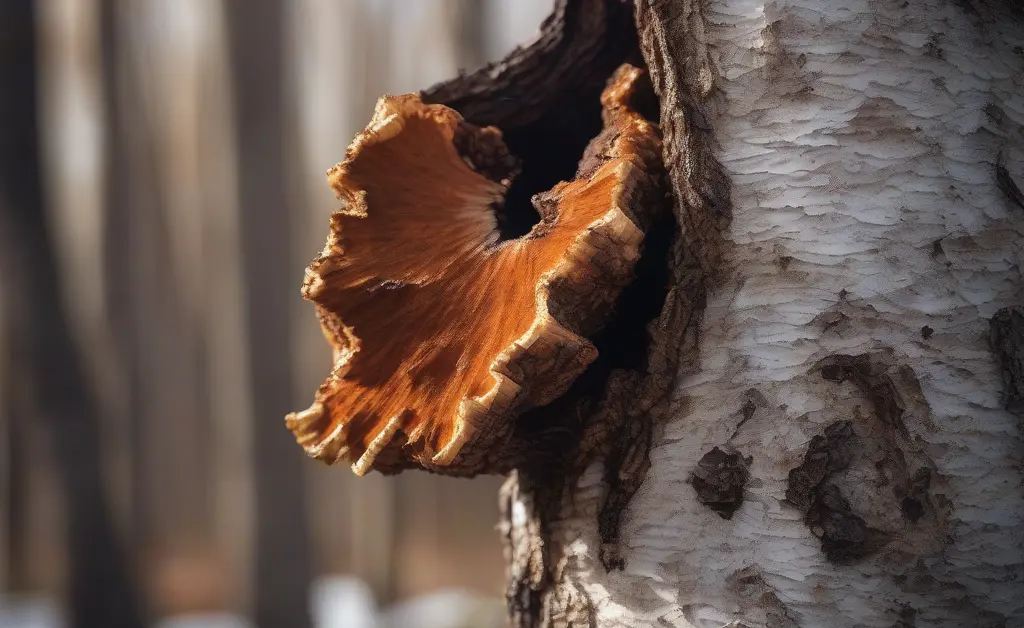
Chaga mushroom, scientifically known as Inonotus obliquus, is a type of medicinal mushroom that primarily grows on birch trees in colder regions such as northern Europe, Russia, and parts of North America. Unlike typical mushrooms with a cap and stem, chaga appears as a dense, blackened mass on the tree bark, often compared to burnt charcoal. This fungus has attracted interest within the natural health community due to its complex biochemical composition, which includes a range of bioactive compounds like polysaccharides, beta-glucans, terpenoids, and polyphenols. These constituents contribute to its classification as a potent antioxidant and adaptogen, traditionally used to support immune health and combat oxidative stress.
Differences Between Chaga Mushroom and Other Medicinal Mushrooms
Compared to other well-known medicinal mushrooms such as Reishi Mushroom, lion’s mane, or shiitake, chaga mushroom has a distinct profile both in appearance and chemical makeup. While many medicinal mushrooms contain beta-glucans and polysaccharides that influence immune modulation, chaga is particularly noted for its high melanin content and unique triterpenes called betulinic acid derivatives, which originate from the birch host tree. This combination sets chaga apart in terms of its antioxidant capacity and traditional uses focused on inflammation reduction and immune support. Moreover, chaga’s fungal extract is often darker and richer in polyphenols, which are less prominent in other medicinal mushrooms.
Environmental Factors Affecting Chaga Mushroom Quality
The quality and potency of chaga mushroom can vary significantly depending on environmental conditions. Factors such as the geographic location, altitude, climate, and the health of the birch host tree influence the concentration of bioactive compounds. For instance, chaga harvested from mature birch trees in colder climates tends to have higher levels of antioxidants and phytochemicals, reflecting the fungus’s natural adaptation to harsh environmental stressors. Additionally, sustainable harvesting practices and organic certification play important roles in ensuring that chaga mushroom powder products retain their efficacy and safety, which is why “Chaga Mushroom Organic” options are increasingly sought after by consumers looking for pure and potent supplements.
Health Benefits of Chaga Mushroom
Chaga mushroom benefits stem largely from its rich reservoir of antioxidants and bioactive compounds that have been traditionally associated with supporting various aspects of health. Although scientific research is ongoing, it is commonly recognized for its potential to contribute to immune support, oxidative stress reduction, and inflammation modulation. These effects align with the mushroom’s longstanding use in natural remedies and herbal medicine traditions.
Chaga mushroom benefits and side effects
The consumption of chaga mushroom is widely linked to immune system support and anti-inflammatory effects, which may help the body maintain balance during periods of physiological stress. However, as with many natural products, users should remain aware of potential side effects, which can range from mild digestive disturbances to allergic reactions in sensitive individuals. Some concerns have been raised regarding chaga mushroom side effects including liver toxicity based on isolated reports, underscoring the importance of sourcing high-quality products and exercising caution, especially for those with pre-existing liver conditions or who are taking medications that affect liver function.
Additional Potential Benefits
Beyond its immune-boosting and anti-inflammatory properties, chaga mushroom has been studied for its antioxidant capacity that may contribute to the reduction of oxidative stress, which is implicated in aging and various chronic conditions. Some research also explores chaga’s adaptogenic qualities, suggesting it may help the body better respond to external stressors. These additional benefits reinforce chaga mushroom’s role as a complementary component in holistic health approaches.
Antioxidant Properties of Chaga Mushroom
One of the most notable features of chaga mushroom is its high antioxidant content, including polyphenols and melanin, which help neutralize free radicals in the body. Antioxidants play a significant role in protecting cells from oxidative damage, which is linked to inflammation and various diseases. The antioxidant potency of chaga mushroom is often compared to other natural antioxidants found in fruits and vegetables, making it a valuable supplement for those seeking natural health support through fungal extracts.
Using Chaga Mushroom as a Supplement
Chaga mushroom is available in various supplement forms, including powders, tinctures, teas, and capsules, catering to diverse preferences and needs. Its incorporation into wellness routines reflects a growing trend toward natural health products that emphasize immune support and antioxidant intake.
Recommended Dosage and Usage
Due to variability in chaga mushroom supplement formulations, recommended chaga mushroom dosage and usage can differ widely among products. Labels often provide guidelines based on traditional use or manufacturer recommendations, but there is no universal standard. Consumers are encouraged to consider product quality, concentration, and personal health status when selecting chaga mushroom supplements. Awareness of how different preparations—such as powders versus tinctures—may influence bioavailability is also important for optimizing potential benefits without risking adverse effects.
Methods of Preparing Chaga Mushroom
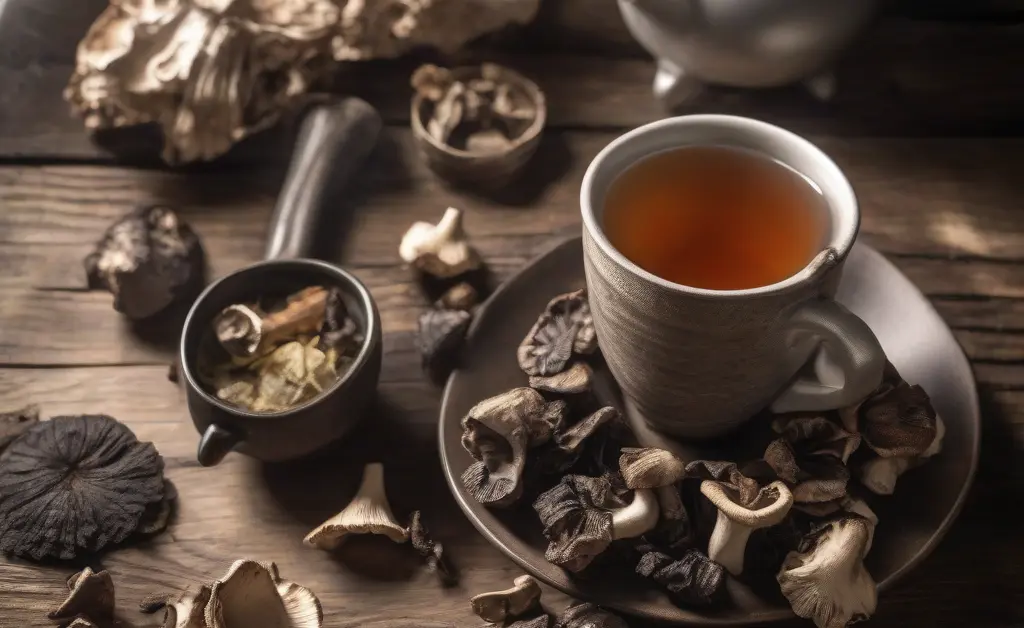
Traditionally, chaga mushroom is prepared by simmering chunks or powder in hot water to create a chaga mushroom tea or decoction, which extracts its water-soluble compounds. Modern methods also include alcohol-based tinctures that capture different bioactive constituents not readily extracted in water. Some supplements combine both extraction techniques for a fuller spectrum of phytochemicals. Preparation methods can impact the concentration of immune-supportive beta-glucans and antioxidant polyphenols, thus influencing the overall efficacy of the chaga mushroom product consumed.
How Chaga Mushroom Supports the Immune System
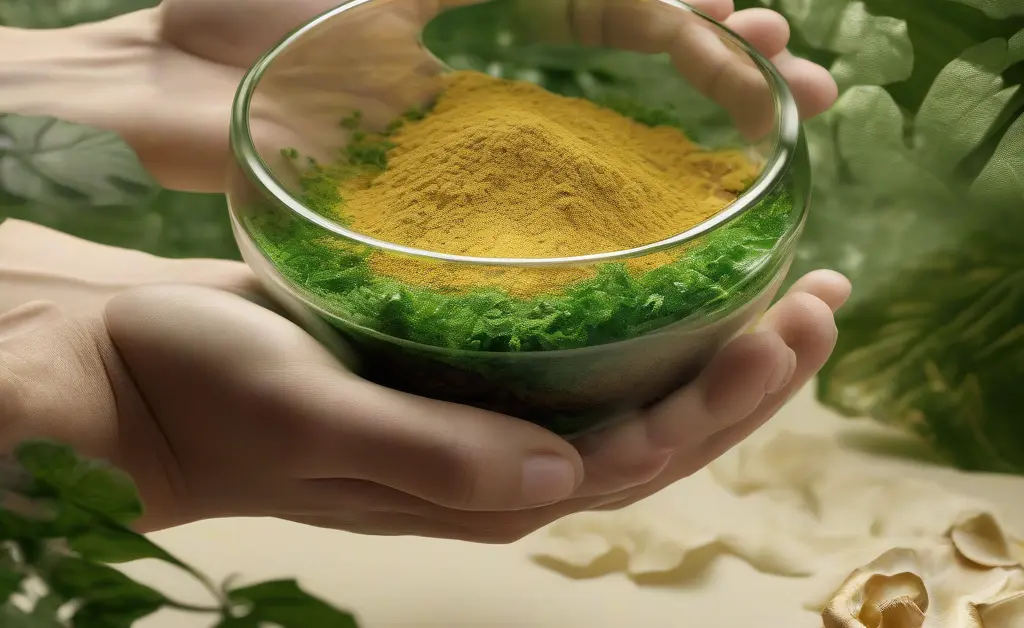
Immune system support is one of the primary reasons chaga mushroom has been used in traditional herbal remedies. Its complex mixture of polysaccharides and beta-glucans interacts with immune cells, potentially enhancing immune modulation and resilience.
Immune System Boosting Effects
The immune booster properties of chaga mushroom are commonly attributed to its ability to stimulate macrophages and natural killer cells, key players in the body’s defense mechanisms. Beta-glucans found in chaga may help regulate immune responses, promoting a balanced and effective immune system. This immune modulation contributes to the mushroom’s reputation as a natural remedy supporting immune health, especially during times when maintaining immune resilience is a priority. Many people enjoy a chaga mushroom drink as part of their wellness routine to support this function.
Anti-Inflammatory Properties of Chaga Mushroom
Chaga mushroom is also valued for its anti-inflammatory effects, which can complement other health-supportive actions. Chronic inflammation is a factor in many health issues, and natural substances that help reduce inflammation are of considerable interest.
Reduction of Inflammation
Studies on chaga mushroom have demonstrated its potential to influence inflammatory pathways through various bioactive compounds like triterpenoids and polyphenols. These constituents may help reduce markers of inflammation, contributing to a sense of overall wellness. The anti-inflammatory effects align with chaga’s traditional use as a folk remedy aimed at soothing various discomforts associated with inflammation, supporting its role in natural health and herbal immune support strategies.
Safety and Precautions for Chaga Mushroom Use
While chaga mushroom is generally considered safe for many individuals, safety and precautions are important to consider, particularly in regard to individual health conditions and possible interactions.
Possible Side Effects
Some users may experience side effects such as gastrointestinal upset or allergic reactions when consuming chaga mushroom. There are also concerns related to potential liver toxicity, although such cases are rare and typically associated with long-term or excessive use. It is advisable for consumers to monitor their body’s responses and consult healthcare professionals when integrating chaga supplements into their health regimen. For more detailed information, readers should review chaga mushroom warnings to ensure safe use.
Interactions with Medications
Chaga mushroom may interact with certain medications, especially those affecting blood clotting or immune function. Its bioactive compounds could potentially influence the metabolism of pharmaceuticals, underscoring the importance of discussing chaga use with healthcare providers. This is particularly relevant for individuals who are immunocompromised or taking medications that modulate the immune system. For authoritative guidance on such interactions, referring to resources like the WHO is recommended.
Nutritional Composition of Chaga Mushroom
The nutritional profile of chaga mushroom is distinguished by a diverse array of compounds that contribute to its health-promoting reputation. Understanding these key nutrients helps clarify why it is valued in natural health circles.
Key Nutrients Found in Chaga Mushroom
Chaga contains important nutrients such as polysaccharides—including beta-glucans—melanin, triterpenoids, and polyphenols, which collectively contribute to its antioxidant and immune-supportive properties. The presence of these phytochemicals supports chaga’s role as a medicinal mushroom with adaptogenic qualities. Additionally, trace minerals absorbed from the birch host tree may enhance its nutritional value. This complex composition underpins many of the chaga mushroom benefits highlighted in both traditional and contemporary natural health practices.
Traditional and Cultural Uses of Chaga Mushroom

Chaga mushroom has a rich history of use in folk medicine, particularly in northern Europe and Siberia, where it has been regarded as a valuable herbal remedy for centuries. Its applications reflect deep cultural knowledge about natural health and immune support.
Historical Use of Chaga Mushroom in Folk Medicine
Historically, chaga was used by indigenous peoples and herbalists as a tonic to promote vitality and longevity, often consumed as a tea made from the fungus. It was prized for its purported ability to enhance immune function and reduce inflammation, forming an integral part of traditional medicinal systems. These cultural uses have persisted into modern times, influencing contemporary interest in chaga mushroom as a natural health supplement and immune booster within the realm of herbal medicine.
Chaga mushroom continues to be studied and appreciated for its potential contributions to health, especially as a natural source of antioxidants and immune-supportive compounds. Its unique nutritional profile and traditional legacy make it a noteworthy option among medicinal mushrooms for those exploring natural remedies.
Disclaimer: This article is intended for informational purposes only and does not provide medical advice. The health benefits and uses of chaga mushroom are based on traditional knowledge and emerging research, but individual results may vary. Before starting any new supplement, it is important to consult with a qualified healthcare professional, especially if you have existing health conditions or are taking medications. The information presented here does not substitute for professional medical guidance.
FAQ
— What is chaga mushroom used for?
Chaga mushroom is traditionally referenced for its potential antioxidant properties and its role in supporting overall health. It is often studied for its use in herbal teas and supplements aimed at promoting wellness.
— How does chaga mushroom boost the immune system?
Chaga mushroom contains compounds that may interact with the immune system, potentially helping to modulate immune responses. Some research suggests it influences the activity of immune cells, but this effect is still under scientific exploration.
— Are there any side effects of chaga mushroom?
While chaga mushroom is generally considered safe by many, some individuals may experience allergic reactions or digestive discomfort. It is important to consult healthcare professionals before use, especially for those with existing health conditions.
— Can chaga mushroom reduce inflammation?
Chaga mushroom has been associated with anti-inflammatory properties in traditional practices and preliminary studies. However, more rigorous clinical research is needed to confirm its effectiveness and mechanisms in inflammation reduction.
— Is chaga mushroom safe to consume daily?
Daily consumption of chaga mushroom is often discussed in wellness communities, but safety can vary depending on individual health status and product quality. Consulting with a healthcare provider is advisable to ensure it aligns with personal health needs.
— What nutrients are found in chaga mushroom?
Chaga mushroom contains a variety of nutrients, including antioxidants, polysaccharides, and certain vitamins and minerals. These components contribute to its reputation as a health-supportive fungus.
— How is chaga mushroom traditionally prepared?
Traditionally, chaga mushroom is prepared by simmering chunks in hot water to create a nutrient-rich tea. This method extracts its bioactive compounds and has been used in folk medicine for generations.
— What makes chaga mushroom different from other mushrooms?
Chaga mushroom is distinguished by its unique appearance and high antioxidant content, setting it apart from many other fungi. Its use in traditional medicine and the specific compounds it contains contribute to its distinctive profile in the world of medicinal mushrooms.