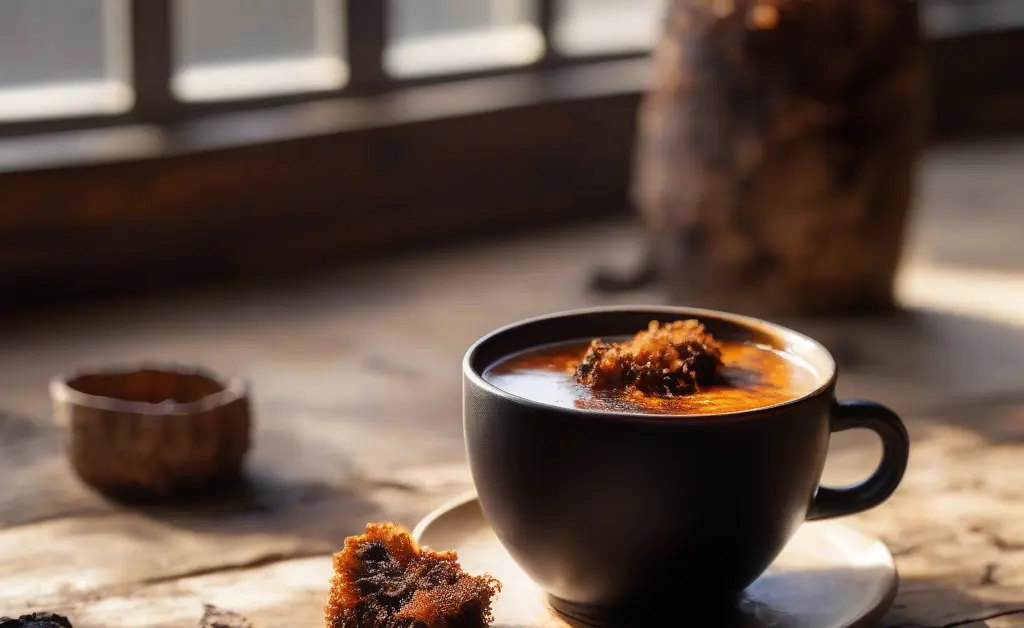
Chaga mushroom drink has gained popularity as a natural beverage praised for its unique flavor and potential health advantages. Derived from the Chaga fungus that grows predominantly on birch trees in cold climates, this drink offers a rich source of antioxidants and bioactive compounds. People around the world have embraced it not only for its earthy taste but also for its traditional use in supporting wellness. Understanding the various aspects of Chaga mushroom drink—from its preparation and nutritional content to safety and sourcing—is essential for anyone interested in integrating it into their routine. This guide will explore the benefits, methods, and considerations related to consuming this distinctive mushroom tea.
Chaga Mushroom Drink Benefits
The Chaga mushroom drink is commonly associated with a variety of natural health benefits, which have contributed to its rising popularity as a medicinal mushroom infusion. One of the most notable attributes is its rich antioxidant content, particularly polyphenols, which may help neutralize free radicals and support cellular health. Additionally, the drink is considered an adaptogen, potentially aiding the body in managing stress and promoting overall balance. Traditional use of Chaga tea also highlights its calming herbal qualities, making it a favored choice for those seeking relaxation alongside immune support. While scientific research continues to explore these effects, many consumers appreciate the drink’s combination of anti-inflammatory properties and bioactive compounds that contribute to overall wellness and vitality.
Comparing Chaga Drink with Other Mushroom Teas
When compared to other mushroom teas such as reishi, lion’s mane, or cordyceps, Chaga mushroom drink stands out primarily due to its unique composition of antioxidants and earthy flavor profile. Unlike some mushroom teas that emphasize cognitive enhancement or energy boosting, Chaga tea is often sought for its immune-supportive effects and calming properties. Each mushroom tea offers a distinct set of bioactive compounds, making them complementary rather than interchangeable. For example, reishi is known for its calming effects, while lion’s mane is prized for neuroprotective benefits. Chaga’s strength lies in its dense concentration of polyphenols and anti-inflammatory agents, which may contribute to its role as a potent herbal infusion in traditional wellness practices.
Safety Considerations for Chaga Drink
While many enjoy Chaga mushroom drink for its natural health benefits, it is important to consider safety aspects before incorporating it regularly. The drink may interact with certain medications or medical conditions, so those with existing health concerns should approach its use cautiously. For instance, individuals with autoimmune disorders or those taking blood-thinning medications may need to consult healthcare professionals, as Chaga’s immune-modulating properties could influence treatment. Questions such as “Who should not drink chaga?” or “Is chaga safe in pregnancy?” are common and highlight the need for personalized advice. Additionally, understanding what not to mix with Chaga—such as certain supplements or medications—is vital for safe consumption. Awareness of these factors ensures that the benefits of the Chaga mushroom drink are enjoyed responsibly. For further information on medicinal mushroom safety, consult resources like the NIH.
How to Make Chaga Mushroom Drink
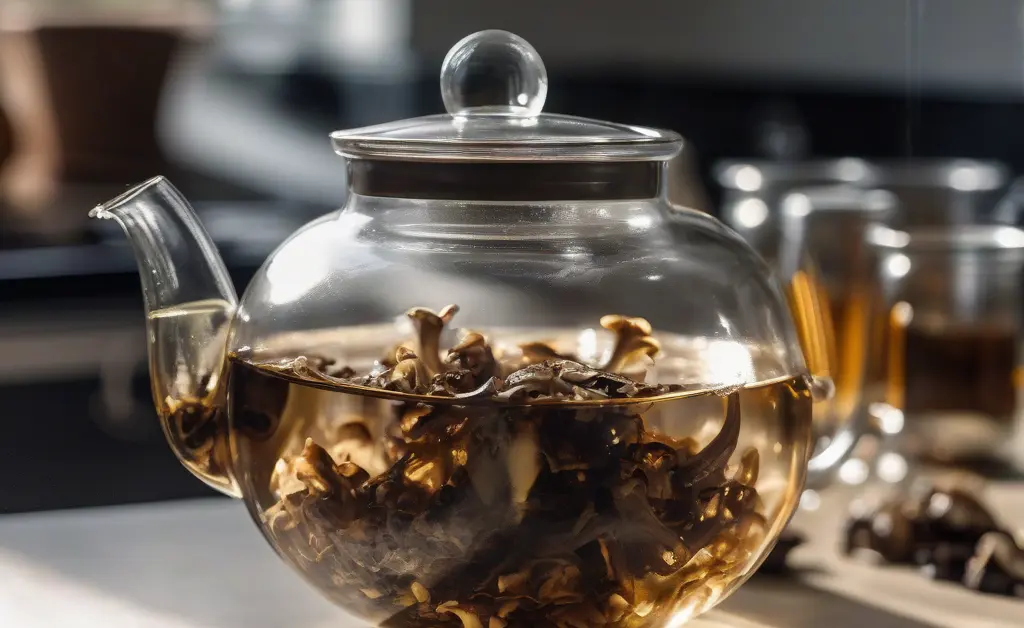
Preparing Chaga mushroom drink involves techniques that extract its bioactive compounds effectively while preserving its characteristic earthy flavor. Crafting this herbal infusion requires attention to ingredient quality, brewing methods, and the tools used, all of which influence the final taste and potency of the drink.
Using Loose Chaga Mushrooms
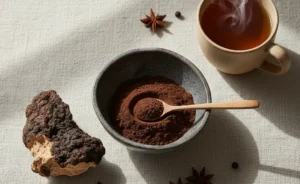
Loose Chaga mushrooms are a preferred form for making the drink, as they allow for greater control over brewing strength and freshness. These chunks or granules of wild-grown Chaga provide a direct connection to the natural source, often harvested during specific seasonal windows to maximize bioactive compound content. Using loose Chaga requires some preparation, including rinsing and breaking down larger pieces to facilitate extraction. This approach is favored by those who appreciate traditional brewing methods and seek a pure, unprocessed experience of the mushroom’s natural properties.
Brewing Instructions
Brewing Chaga mushroom drink typically involves simmering the mushroom pieces in water to release their rich antioxidants and polyphenols. The process is slow and gentle, designed to avoid degrading sensitive bioactive compounds while achieving a concentrated, flavorful infusion. The preparation of Chaga mushroom coffee offers a similar brewing approach with an emphasis on rich flavor extraction. Unlike quick tea bags, this method emphasizes patience, allowing the earthy flavor to develop fully. While specific brewing details vary, the fundamental goal is to produce a calming herbal drink with a robust profile of beneficial compounds.
Different Brewing Methods
Several brewing methods exist for Chaga mushroom drink, ranging from traditional stovetop simmering to modern slow-cooker or French press techniques. Each method offers distinct advantages: stovetop brewing allows precise temperature control, slow cookers ensure low and steady heat over extended periods, and French presses can facilitate easy straining and reuse of Chaga chunks. Some enthusiasts also experiment with cold brewing to extract subtle flavors, though this may yield a lighter concentration of antioxidants. Choosing a method depends on personal preference, available equipment, and the desired intensity of the drink.
Common Additives and Enhancements
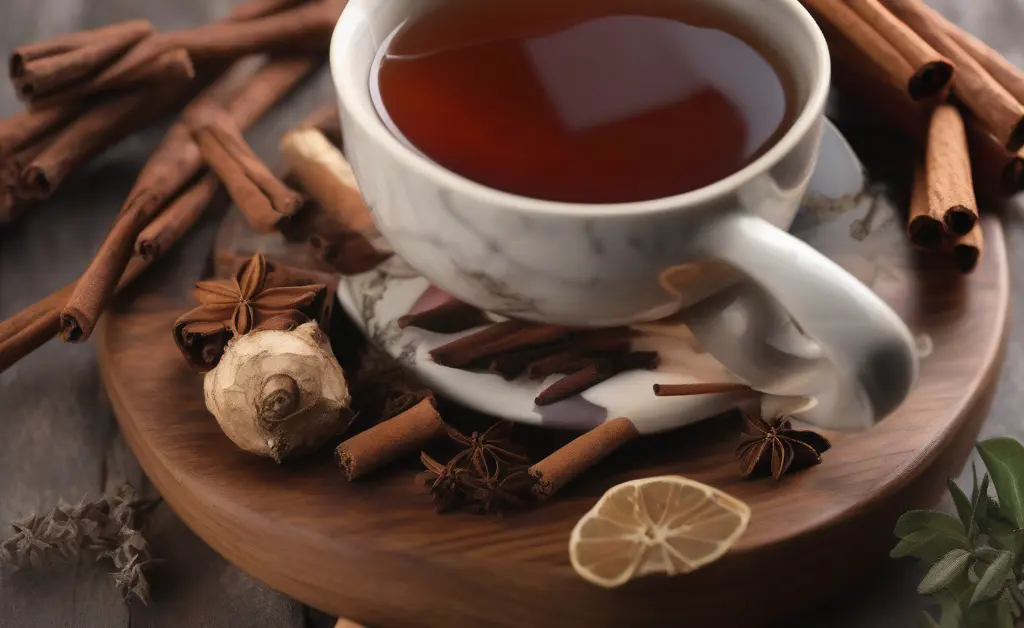
To complement the natural earthy flavor of Chaga mushroom drink, many consumers incorporate additives such as cinnamon, ginger, or a touch of natural sweeteners. These enhancements not only elevate the taste but may also contribute additional health-supporting properties, such as anti-inflammatory effects or digestive support. Some prefer to blend Chaga tea with other adaptogenic herbs to create customized wellness infusions. It is important, however, to consider what not to mix with chaga, ensuring that additives do not interfere with its bioactive compounds or overall safety.
Chaga Mushroom Drink Preparation Tools
The preparation of Chaga mushroom drink can be facilitated by various kitchen tools designed to optimize brewing and ease of use. Commonly employed items include fine mesh strainers, French presses, slow cookers, and specialized tea infusers. These tools help separate the mushroom solids from the liquid, ensuring a smooth and enjoyable beverage. Investing in quality preparation tools can enhance the brewing experience and enable repeated use of loose Chaga mushrooms, which is both economical and sustainable.
Tips for Brewing the Perfect Chaga Tea
Achieving the perfect cup of Chaga mushroom drink involves balancing extraction time, temperature, and ingredient quality. Using wild-grown Chaga that is fresh and properly stored contributes to a richer nutrient profile and more satisfying taste. Avoiding excessive heat or rapid boiling preserves delicate bioactive compounds, while extended simmering ensures a full-bodied flavor. Additionally, experimenting with brewing times and additives allows drinkers to tailor the infusion to their personal preferences, enhancing both the sensory experience and the potential natural health benefits. For specific benefits related to Chaga coffee, see Chaga mushroom coffee benefits.
Where to Buy Chaga Mushroom Drink
The availability of Chaga mushroom drink and its raw materials varies widely, making informed purchasing decisions essential for quality and authenticity. Whether seeking ready-made beverages or loose mushrooms for brewing, understanding sourcing and quality indicators is key to obtaining a product that aligns with health and flavor expectations.
Selecting Quality Chaga Mushrooms
Quality Chaga mushrooms are often wild-grown and harvested sustainably from cold climate birch forests. When selecting Chaga, look for pieces that are dense, dark, and free from contaminants or excessive dryness. Authenticity is critical as the market includes cultivated or processed variants that may differ in potency. Reliable suppliers typically provide information on harvesting practices, origin, and processing methods. Buyers should prioritize wild-grown Chaga to maximize the presence of antioxidants and bioactive compounds traditionally associated with the mushroom’s benefits.
Storage and Shelf Life
Proper storage of Chaga mushroom drink or loose Chaga mushrooms is vital to preserve their nutritional content and flavor over time. Typically, dried Chaga should be kept in airtight containers, away from moisture and direct sunlight to prevent degradation. Understanding shelf life is important, as prolonged storage can reduce the concentration of antioxidants and other beneficial compounds. Consumers are encouraged to rotate their supply and monitor changes in appearance or aroma as indicators of freshness.
Flavor Profile and Taste of Chaga Mushroom Drink
The flavor profile of Chaga mushroom drink is distinctly earthy, often described as rich and robust with subtle hints of vanilla and woodiness. This natural taste sets it apart from other herbal teas and mushroom infusions, appealing to those who appreciate deep, grounding flavors. The drink’s complexity can be enhanced with additives like cinnamon or ginger, which complement rather than overpower its unique character. The calming herbal drink aspect of Chaga tea makes it a comforting choice for daily rituals and moments of relaxation.
Nutritional Content of Chaga Mushroom Drink
Chaga mushroom drink is notable for its nutritional composition, which includes a wide spectrum of bioactive compounds such as antioxidants, polyphenols, and essential minerals. These components contribute to its reputation as a supportive beverage for immune function and overall wellness. Unlike many conventional teas, Chaga contains complex carbohydrates and beta-glucans that may play a role in modulating immune responses. While the exact nutrient profile can vary depending on factors like growing conditions and preparation methods, the drink consistently offers a concentrated source of natural compounds linked to health-supporting effects.
History and Traditional Uses of Chaga Mushroom Drink

Chaga mushroom drink has a rich history rooted in the traditional practices of northern and eastern European cultures, particularly among indigenous Siberian and Russian populations. Its use as a medicinal mushroom dates back centuries, where it was valued for its adaptogenic and restorative properties. The preparation and consumption of Chaga tea were often intertwined with cultural rituals aimed at promoting longevity and resilience against harsh climates.
Cultural Significance of Chaga Tea
Within the cultures that have historically used Chaga, the tea holds a special place as both a medicinal and ceremonial beverage. It is often associated with traditional healing, spiritual cleansing, and communal gatherings. This cultural significance extends to modern times, where Chaga tea continues to be celebrated for its natural health benefits and connection to ancestral wellness practices. The reverence for this mushroom underscores its role beyond nutrition, symbolizing harmony with nature and holistic well-being.
Seasonal Variations in Chaga Harvest
Seasonal timing plays a crucial role in the quality and potency of harvested Chaga mushrooms. Typically, harvesting occurs during colder months when the fungus accumulates higher concentrations of protective compounds to survive harsh conditions. These seasonal variations can influence the antioxidant levels and flavor intensity of the final drink. Understanding the optimal harvest period is important for those seeking the most potent natural health benefits from their Chaga mushroom drink.
Environmental Impact of Chaga Harvesting
As demand for Chaga mushroom drink grows, so do concerns regarding the environmental impact of its harvesting. Sustainable practices are essential to maintain the health of birch forests and ensure that wild-grown Chaga populations are not depleted. Ethical harvesting includes selective picking that allows the fungus to regenerate and minimizes damage to host trees. Awareness of these environmental considerations encourages responsible consumer behavior and supports conservation efforts that protect the ecosystems where Chaga thrives.
Chaga mushroom drink offers a unique combination of earthy flavor and natural health benefits, making it an appealing choice for those interested in herbal infusions and medicinal mushrooms. From its antioxidant properties to its calming effects, the drink holds a valued place in both traditional and contemporary wellness practices. Whether brewed from loose Chaga mushrooms or purchased as a prepared beverage, understanding its preparation, safety, and sourcing can enhance the overall experience and potential advantages of this remarkable mushroom tea.
FAQ
— How do you make chaga mushroom drink at home?
To prepare chaga mushroom drink at home, the traditional method involves simmering chunks or powder of the mushroom in hot water for an extended period. This process helps extract the bioactive compounds while creating a rich, dark infusion. The resulting liquid is then strained and can be consumed as a tea or used as a base for other beverages.
— What does chaga mushroom tea taste like?
Chaga mushroom tea typically has a mild, earthy flavor profile with subtle notes reminiscent of black tea or coffee. Some describe it as slightly bitter with a natural woodsy undertone, making it a unique and comforting drink. Its taste can vary depending on brewing time and preparation methods.
— What are the health benefits of chaga mushroom drink?
Chaga mushroom drink is often discussed for its potential antioxidant properties and its traditional use in supporting immune health. It contains various compounds that may contribute to reducing oxidative stress and promoting overall wellness. While scientific research is ongoing, many cultures have historically valued this beverage for its restorative effects.
— Can chaga mushroom drink be consumed daily?
Daily consumption of chaga mushroom drink is common in traditional practices; however, individual responses can vary. It is generally considered safe when prepared properly, but those with specific health conditions or concerns should approach it cautiously. Consulting with a healthcare professional is advisable if uncertain about regular intake.
— How long does chaga mushroom drink last after brewing?
After brewing, chaga mushroom drink can typically be stored in a sealed container and kept refrigerated for a few days without significant loss of flavor or quality. Prolonged storage may lead to changes in taste or potential spoilage, so it is often recommended to consume it relatively soon after preparation.