
Chaga mushroom tea has gained considerable attention for its unique health benefits and earthy flavor. Sourced from the chaga mushroom fungus that grows primarily on birch trees in cold climates, this tea has been used for centuries in traditional medicine across various cultures. As interest in natural and herbal remedies continues to rise, understanding the origins, preparation methods, and potential effects of this beverage becomes essential. Whether you are new to chaga mushroom tea or looking to deepen your knowledge, exploring its characteristics and uses can provide valuable insight into why it remains a popular choice among tea enthusiasts and health-conscious individuals alike.
What is Chaga Mushroom Tea?
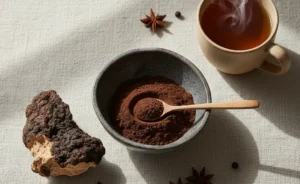
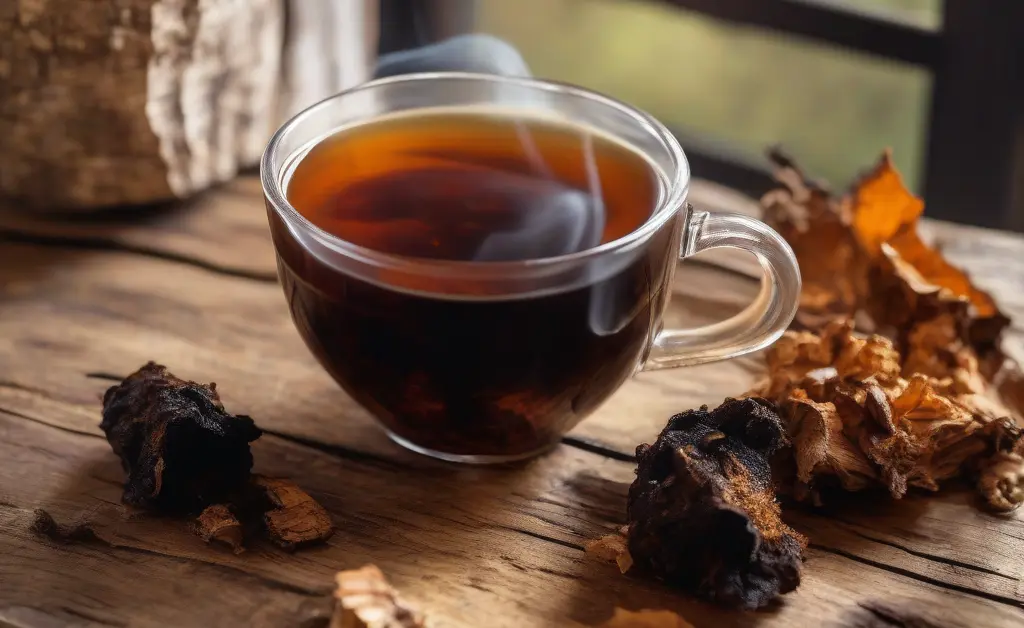
Chaga mushroom tea is a herbal infusion made from the dried sclerotium of the chaga fungus, scientifically known as Inonotus obliquus. This fungus primarily colonizes birch trees in northern regions and is valued for its dense, charcoal-like exterior and rusty orange interior. When brewed, the tea releases a rich, earthy flavor with hints of vanilla and a slightly bitter undertone. Unlike traditional mushroom teas that utilize the fruiting bodies, chaga tea is unique due to its composition of fungal polysaccharides, beta-glucans, and polyphenols, which contribute to its distinct nutritional and bioactive profile.
Chaga mushroom tea is commonly associated with immune system support, thanks to its content of adaptogens and compounds that may influence immune modulation. It is often consumed as part of traditional herbal remedies aimed at promoting longevity and natural anti-aging effects. The tea’s growing popularity also stems from its reputation as a potent source of antioxidants, which help combat oxidative stress in the body.
How to Identify Quality Chaga Mushrooms
Quality chaga mushrooms are typically characterized by a dense, cracked exterior resembling burnt charcoal, with a striking golden-orange or rusty interior. When sourcing chaga, it is important to select pieces harvested from healthy birch trees in uncontaminated environments to avoid pollutants or harmful substances. Genuine chaga should feel heavy for its size due to its high density and have a mild earthy aroma rather than a sharp or chemical scent. Experienced herbalists often recommend choosing larger chunks over powdered forms to ensure freshness and potency, though both can be effective depending on preparation methods.
Common Myths About Chaga Mushroom Tea
Several myths surround chaga mushroom tea, ranging from exaggerated health claims to misunderstandings about its effects. One common misconception is that chaga tea acts as an instant cure-all; however, while it contains bioactive compounds linked to health benefits, it should be viewed as a complementary herbal infusion rather than a medical treatment. Another myth suggests that chaga mushrooms can be freely harvested without environmental consequences. In reality, overharvesting can damage ecosystems and reduce the availability of this slow-growing fungus. Additionally, some believe that all chaga teas taste identical, but factors such as harvesting location, preparation method, and brewing time significantly influence the flavor profile.
Environmental Impact of Harvesting Chaga
Harvesting chaga mushrooms requires careful consideration to maintain ecological balance. Since chaga grows slowly on living birch trees, unsustainable collection practices can weaken host trees and reduce fungal populations. Responsible harvesting involves taking only portions of the chaga growth while leaving enough to allow regeneration, thereby supporting long-term sustainability. Many advocates encourage sourcing chaga from certified wild-harvesters who follow guidelines designed to protect forest health. Additionally, some regions regulate chaga collection to prevent overexploitation, emphasizing the importance of environmental stewardship when enjoying this natural resource.
How to Prepare Chaga Mushroom Tea
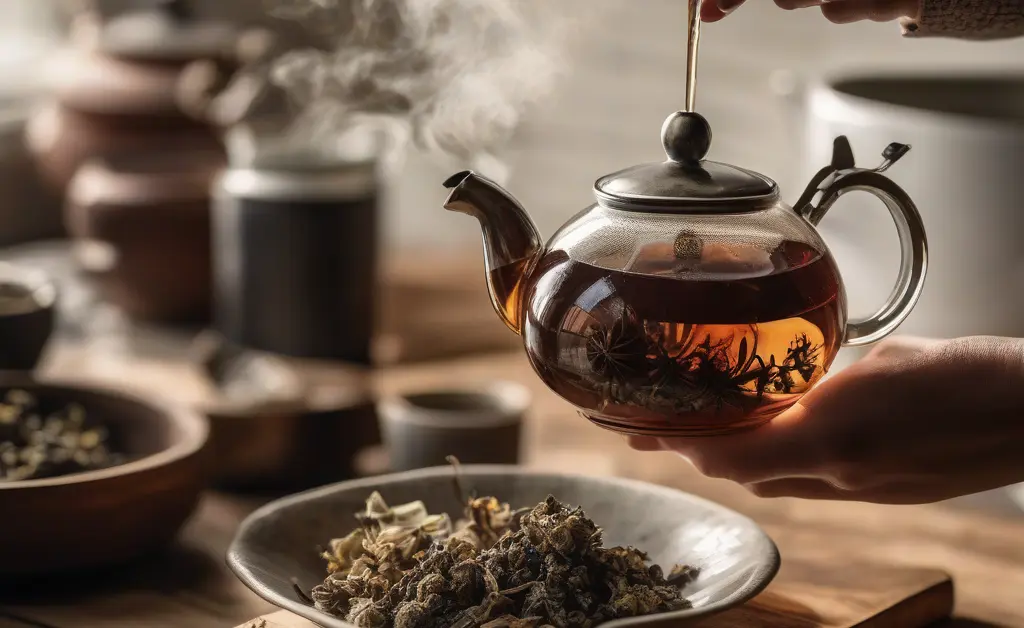
Brewing chaga mushroom tea is both an art and a science, requiring attention to detail to extract its full flavor and beneficial compounds. The preparation process traditionally involves simmering or steeping the chaga pieces over an extended period, which helps release fungal polysaccharides and antioxidants. This slow extraction distinguishes it from other quick-brewed herbal teas and contributes to its robust taste and potential health effects. For detailed instructions, see the chaga mushroom tea recipe.
Ingredients Needed
The essential ingredient for chaga tea preparation is high-quality dried chaga chunks or powder. Water is the primary solvent used for extraction. Some enthusiasts add complementary ingredients such as cinnamon, ginger, or citrus peel to enhance flavor and introduce additional herbal benefits. It is important to use filtered or purified water to avoid impurities that could alter the taste or interfere with the extraction of bioactive compounds. Sweeteners, like honey or maple syrup, may be added after brewing to balance the natural bitterness, but this is a matter of personal preference rather than a traditional requirement.
Step-by-Step Brewing Instructions
Traditional brewing involves gently simmering chaga pieces in water for an extended time to maximize extraction of its beneficial constituents. The process typically starts with rinsing the chaga chunks to remove surface debris. The pieces are then placed in a pot with water and heated slowly, avoiding rapid boiling that might degrade delicate compounds. After simmering, the tea is strained to separate the solid material from the liquid. The resulting infusion is dark brown to black with a rich, earthy aroma. Some users prefer to reuse the chaga pieces for multiple brews, gradually diminishing in potency with each cycle.
Optimal Water Temperature for Brewing
The effective brewing of chaga mushroom tea generally occurs at temperatures just below boiling point. Maintaining a simmer rather than a rolling boil helps preserve the integrity of sensitive antioxidants and fungal polysaccharides present in the chaga. Excessive heat may break down these compounds, potentially reducing the tea’s nutritional and bioactive quality. Therefore, careful temperature control is crucial to balance thorough extraction with the preservation of beneficial elements.
Recommended Brewing Time
Chaga tea requires a longer brewing time compared to standard herbal teas to release its complex array of compounds fully. Extended steeping or simmering facilitates the dissolution of beta-glucans, polyphenols, and other antioxidants linked to chaga mushroom benefits. While exact times vary depending on preparation style and personal taste preferences, the emphasis is on allowing sufficient time for extraction without compromising flavor. Experienced brewers often adjust duration to optimize both potency and palatability.
Tips for Best Flavor and Potency
To enhance both flavor and potential health effects of chaga mushroom tea, it is recommended to use fresh, high-quality chaga sourced sustainably. Combining chaga with complementary herbal infusions, such as ginger or cinnamon, can provide additional depth and aroma. Avoiding rapid boiling and opting for gentle simmering helps retain delicate bioactive compounds. Experimenting with brewing times and water-to-chaga ratios allows customization of strength and taste. Moreover, storing brewed tea properly and consuming it fresh ensures the best sensory experience and nutrient preservation.
Nutritional Profile of Chaga Mushroom Tea
Chaga mushroom tea contains a complex mixture of bioactive compounds, including fungal polysaccharides such as beta-glucans, which are recognized for their role in immune modulation. The tea is also a rich source of antioxidants, including polyphenols and melanin pigments, which contribute to its dark color and potential to counteract oxidative stress. Additionally, chaga contains trace minerals absorbed from the birch host tree, including potassium, calcium, and magnesium, which add to its nutritional value. Because of this unique composition, many of the reported chaga mushroom tea benefits are linked to its antioxidant capacity and potential support for overall wellness. While the overall nutritional composition can vary based on harvesting location and preparation method, chaga tea is widely regarded as a functional beverage. Scientific studies about chaga’s bioactive properties can be explored on PubMed.
Potential Side Effects and Precautions

While chaga mushroom tea is generally considered safe for many individuals, some potential side effects and precautions should be noted. Allergic reactions, though uncommon, may occur in sensitive individuals due to fungal components. Additionally, chaga’s interaction with certain medications, especially those affecting blood clotting or immune function, warrants cautious use. People with autoimmune conditions or those undergoing medical treatments should exercise care and consult knowledgeable sources before incorporating chaga tea into their regimen. Awareness about these considerations helps minimize risks and ensures a more informed approach to enjoying this herbal infusion. More information can be found in the chaga mushroom tea side effects resource.
Storage and Shelf Life of Chaga Mushroom Tea
Proper storage of chaga mushroom tea and its raw materials is important to maintain flavor and potency. Dried chaga chunks or powder should be kept in airtight containers, away from moisture, light, and heat to prevent degradation and mold growth. When stored under optimal conditions, chaga maintains its bioactive properties for an extended period, allowing for convenient use over time. Brewed tea is best consumed fresh but can be refrigerated briefly; however, prolonged storage of the infusion may lead to changes in taste and reduction of antioxidant activity.
History and Traditional Uses of Chaga Mushroom Tea
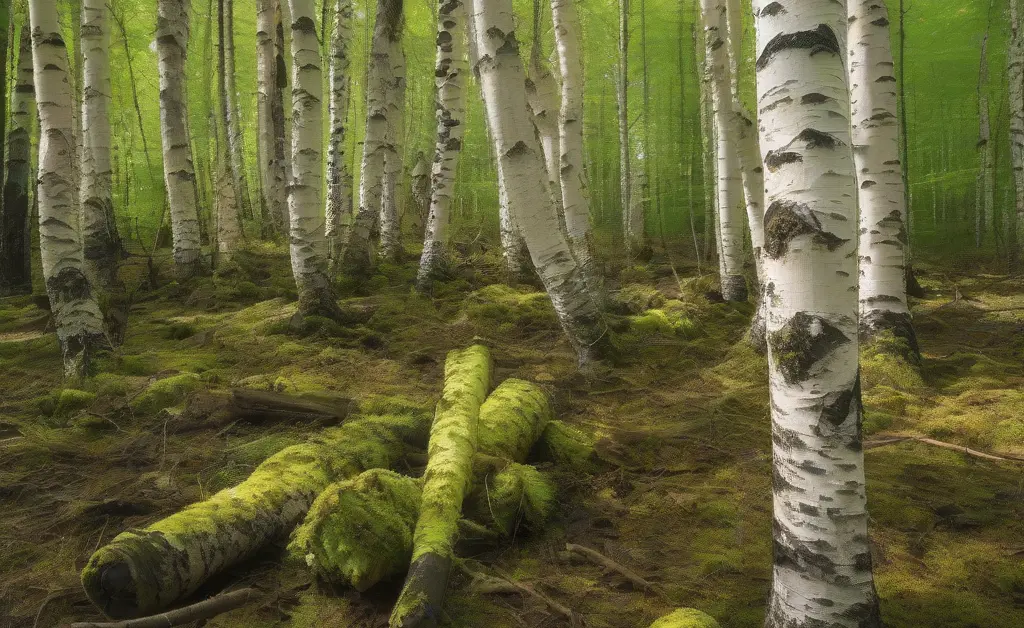
Chaga mushroom tea boasts a rich history rooted in traditional medicine systems of northern and eastern Europe, Siberia, and parts of Asia. Indigenous peoples have long valued chaga for its purported health-supporting qualities, incorporating it into daily rituals and healing practices. The tea was traditionally used to promote vitality, support immune resilience, and alleviate various ailments, reflecting a deep cultural connection to the natural environment.
Cultural Significance of Chaga Tea
In cultures where chaga mushroom tea has been traditionally consumed, it holds symbolic as well as medicinal importance. It is often regarded as a gift of the forest, embodying the resilience and healing power of nature. Ceremonial use of chaga tea can be found among Siberian tribes and northern European communities, where it served both as a tonic and as a social beverage to foster community bonds. This cultural heritage continues to influence modern appreciation of chaga tea, blending ancient wisdom with contemporary herbalism. For those interested in the best chaga sources for tea, it is advisable to consult specialized guides such as chaga mushroom for tea.
Chaga mushroom tea remains a treasured herbal infusion for those seeking natural approaches to wellness. Its antioxidant properties, immune support potential, and traditional uses contribute to its enduring popularity. Whether appreciated for flavor or function, understanding the nuances of chaga tea preparation and effects deepens the experience of this unique mushroom tea.
Disclaimer: This article is intended for informational purposes only and does not constitute medical advice. The effects of chaga mushroom tea can vary between individuals, and it should not replace professional healthcare or prescribed treatments. Always consult qualified healthcare providers before adding new herbal products to your regimen, especially if you have existing health conditions or are taking medications.
FAQ
— What does chaga mushroom tea taste like?
Chaga mushroom tea typically has a rich, earthy flavor with subtle notes reminiscent of wood and spices. Some people describe it as slightly bitter or smoky, depending on how it is prepared. Its taste can be quite distinct from more common herbal teas.
— How long should I steep chaga mushroom tea?
The steeping time for chaga mushroom tea often varies based on the desired strength and preparation method. Traditionally, longer steeping times are used to extract the full range of flavors and beneficial compounds. Shorter steeping may result in a milder taste.
— Is chaga mushroom tea safe to drink daily?
Drinking chaga mushroom tea regularly is generally regarded as safe for many individuals, though it is always wise to consider personal health conditions and consult a healthcare provider. Some compounds in this tea have been studied for their effects on the immune system and antioxidant properties. However, continuous consumption should be approached with awareness of any potential interactions.
— Can chaga mushroom tea be consumed cold or iced?
Yes, chaga mushroom tea can be enjoyed cold or iced, offering a refreshing alternative to the warm version. Cooling the tea does not significantly diminish its flavor profile or the presence of certain bioactive components. Many people appreciate it as a versatile beverage suitable for various seasons.
— How does chaga mushroom tea differ from other mushroom teas?
Chaga mushroom tea stands out due to its unique chemical composition and flavor, which is more earthy and less mushroomy compared to others like reishi or lion’s mane teas. It has been traditionally used in folk medicine and is often studied for its high antioxidant content. These differences contribute to its distinct place among mushroom teas.
— What is the best time of day to drink chaga mushroom tea?
There is no universally agreed-upon best time to consume chaga mushroom tea, as preferences vary based on individual routines and tolerance. Some suggest morning or early afternoon to enjoy its potential energizing effects without disrupting sleep. Ultimately, it depends on how the tea fits into one’s personal lifestyle.