Chaga mushroom tea has gained popularity not only for its unique earthy flavor but also for its potential health benefits. Crafting a perfect cup involves more than just steeping the mushroom; it requires understanding the right ingredients, brewing techniques, and flavor enhancements to bring out the best qualities of chaga. Whether you’re new to this herbal infusion or looking to refine your preparation skills, this detailed guide provides clear instructions and tips for making a satisfying and effective chaga mushroom tea. From traditional simmering methods to modern Instant Pot techniques, you’ll find practical advice to customize your brew to suit your taste and lifestyle.
Best Chaga Mushroom Tea Recipe
Ingredients Needed
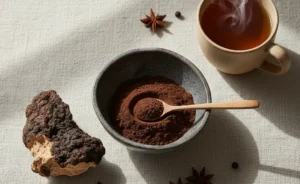
To create an authentic and flavorful chaga mushroom tea recipe, the essential ingredient is high-quality chaga mushroom, typically available in chunk or powder form. Complementary components often include clean, filtered water as the brewing medium, ensuring the subtle earthy notes of chaga are not masked by impurities. Some recipes may call for natural flavor enhancers such as cinnamon sticks, ginger root, or a slice of lemon to balance the deep, woody taste. Sweeteners like raw honey or maple syrup can also be added, depending on personal preference, to round out the flavor profile without overpowering the natural essence of the infusion.
Selecting Quality Chaga for Tea
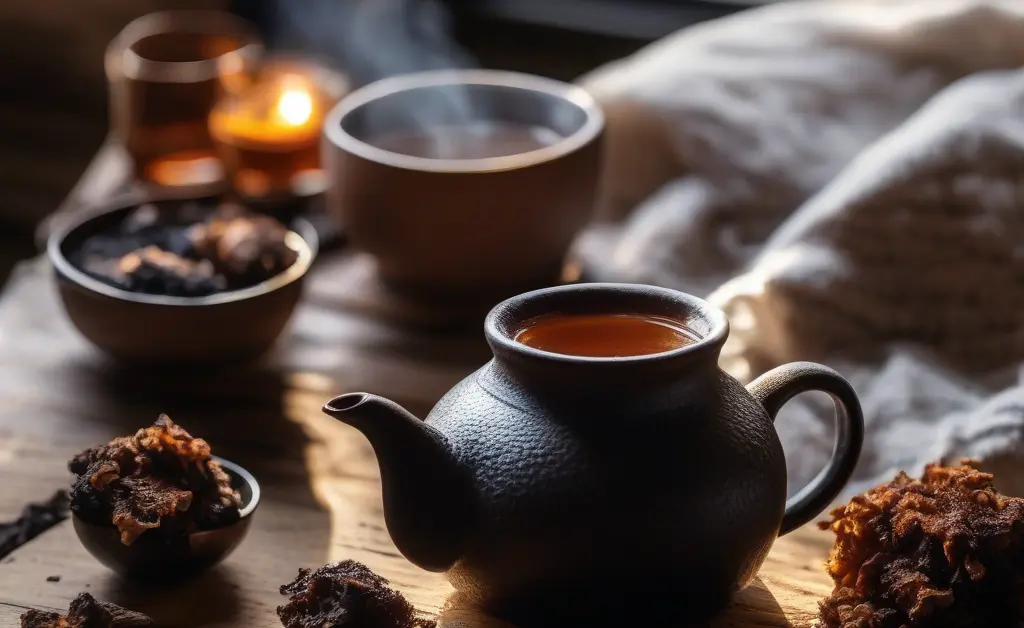
Choosing premium chaga is crucial for a potent and enjoyable tea experience. Quality chaga mushroom is typically harvested from mature birch trees in cold climates, where it develops its characteristic dark, cracked exterior and rich bioactive compounds such as betulin and melanin. Look for sustainably wildcrafted chunks that are dry, free of dirt, and devoid of mold or excessive debris. Some prefer chunks for longer simmering and more gradual extraction, while others opt for finely ground powder for quicker brewing. Awareness of the source and harvesting practices ensures that the chaga retains its beneficial polyphenols and terpenes that contribute to its reputed antioxidant properties.
Using Different Water Types
The choice of water can influence the overall quality and taste of chaga mushroom tea. Filtered or spring water is recommended to avoid chlorine or heavy minerals that might alter the delicate flavor or interfere with the extraction of active compounds. Some traditional preparations even emphasize the use of soft water to better preserve the tea’s natural aroma and potency. The mineral content and pH of the water can subtly affect how the chaga releases its bioactive components during brewing, making water selection an often overlooked but important aspect of crafting the perfect cup.
Flavor Enhancements and Additions
While chaga tea naturally has an earthy and slightly bitter flavor, many enjoy customizing their infusion with additional herbs and spices. Popular additions include cinnamon, ginger, cardamom, and cloves, which not only complement the taste but may also contribute their own health-supporting properties. Citrus peels or a squeeze of lemon can brighten the flavor, while natural sweeteners like honey or maple syrup gently balance bitterness. Some enthusiasts experiment with blending chaga with other adaptogenic herbs or teas to create unique flavor profiles and synergistic effects, always mindful not to overpower the signature character of the chaga mushroom tea recipe.
How To Brew Chaga Mushroom Tea Recipe at Home
Cooking Time and Water Ratio
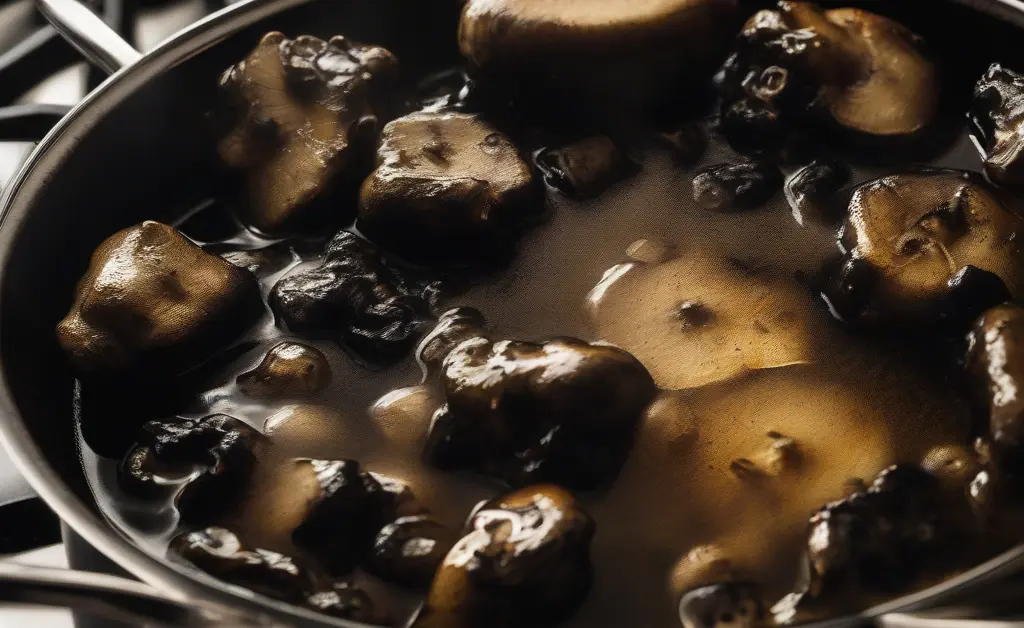
Brewing chaga mushroom tea involves a careful balance between cooking time and the proportion of chaga to water. Traditionally, larger chunks of chaga require longer simmering times to fully extract the rich array of bioactive compounds, whereas finely ground chaga may release its essence more rapidly. The water-to-chaga ratio is adjusted to influence the tea’s strength and concentration, allowing for a more robust or milder infusion depending on personal taste. Understanding this relationship helps avoid under-extraction, which can lead to a weak brew, or over-extraction, which might cause bitterness or diminish delicate flavors.
How Long to Simmer
Simmering chaga mushroom tea is a slow and steady process designed to gently coax out its beneficial compounds without degrading them. The simmering duration is traditionally extended, allowing time for the decoction to develop its full complexity and color. Maintaining a low heat prevents the degradation of sensitive polyphenols and preserves the tea’s antioxidant potential. While simmering, occasional stirring may be done to ensure even extraction. The simmering time also impacts the tea’s richness and depth, with longer times generally producing a darker, more concentrated brew.
Straining and Serving
Once the chaga mushroom tea has been brewed to the desired strength, straining is necessary to remove the solid mushroom particles and any added spices or herbs. A fine mesh strainer or cheesecloth is ideal to capture even the smallest fragments, resulting in a clear and smooth infusion. Serving the tea freshly brewed is often recommended to enjoy its optimal flavor and aromatic qualities. Some may choose to let the tea cool slightly to enhance the drinking experience or combine it with additional flavorings just before serving. Leftover brewed tea should be stored properly to maintain freshness and prevent spoilage.
Adjusting Strength and Flavor
Customizing the intensity and taste of chaga mushroom tea is part of the brewing art. Adjustments can be made by varying the amount of chaga used, the brewing time, or the addition of complementary ingredients. For a stronger brew, increasing the chaga quantity or extending simmering can enhance the extract’s concentration. Conversely, if the flavor is too intense or bitter, diluting with hot water or shortening brewing time can soften the profile. Flavor enhancements such as spices, sweeteners, or citrus can also be tailored to individual preferences, enabling a versatile and personalized chaga mushroom tea recipe.
Instant Pot Chaga Mushroom Tea Recipe
Brewing Equipment Options
The use of an Instant Pot or electric pressure cooker has become a popular modern adaptation for brewing chaga mushroom tea. This equipment allows for controlled temperature and pressure, which can accelerate the extraction process while preserving the delicate bioactive compounds found in chaga. Compared to traditional stovetop methods, the Instant Pot offers convenience and consistency, making it accessible for those with busy lifestyles. The choice of brewing vessel impacts the infusion efficiency and flavor clarity, with stainless steel interiors preferred to avoid unwanted metallic tastes.
Safety and Preparation Tips
When using an Instant Pot for chaga tea, safety precautions are essential to prevent overpressure or scorching. Ensuring the pot is not overfilled and that the chaga pieces are adequately submerged in water helps maintain even cooking. Proper cleaning of the equipment before and after use prevents residual flavors or contamination. Additionally, it’s important to allow the pressure to release naturally or according to manufacturer guidelines to avoid sudden temperature shifts that might affect the tea’s quality. Preparing chaga chunks or powder properly before adding them to the Instant Pot supports optimal extraction and reduces the risk of clogging valves or filters.
Traditional Methods for Chaga Mushroom Tea Recipe
Cooking Time and Water Ratio
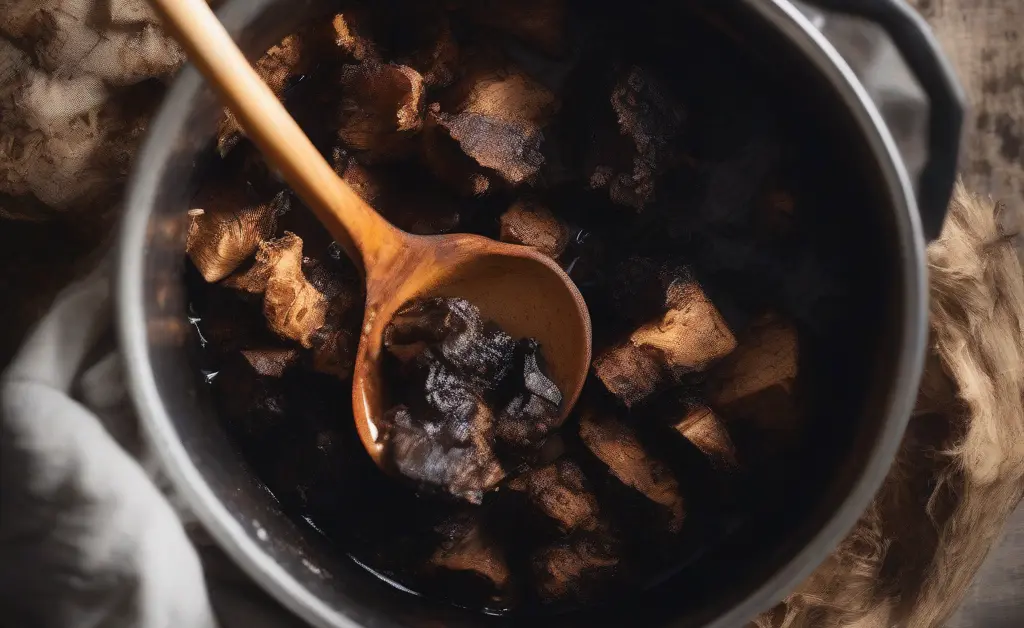
Traditional chaga mushroom tea preparation typically involves simmering large chunks of the mushroom in water over low heat for an extended period. This slow decoction method is designed to extract the full spectrum of bioactive compounds, including polyphenols and betulin, without destroying their delicate structures. The water ratio is generally generous to allow the chaga ample room to release its essence, resulting in a deeply colored and aromatic tea. These time-tested proportions and durations reflect centuries of herbal medicine practices aimed at maximizing the infusion’s efficacy and flavor.
How Long to Simmer
Simmering chaga mushroom tea traditionally extends over several hours, reflecting the herbalist’s patience and respect for the mushroom’s potent qualities. The gentle, prolonged heat encourages the gradual release of antioxidants and adaptogenic compounds, which are believed to contribute to immune support and oxidative stress reduction. Maintaining a consistent low simmer rather than a boil preserves the integrity of the tea, avoiding bitterness and loss of beneficial bioactive substances. This method embodies the principles of decoction in traditional medicine, emphasizing the importance of time and temperature control.
Straining and Serving
After simmering, the tea is carefully strained to separate the chaga chunks from the liquid, often using fine strainers or cloth filters to ensure clarity. Serving traditionally involves consuming the tea fresh, either warm or at room temperature, to appreciate its full flavor and medicinal qualities. Some may store leftovers in cool conditions, but best practice encourages consuming within a limited timeframe to prevent microbial growth or flavor degradation. The strained chaga chunks can sometimes be reused for subsequent brews, though with diminishing potency.
Cold Brew Chaga Mushroom Tea Recipe
Cold Brewing Techniques
Cold brewing chaga mushroom tea is a less conventional but increasingly popular method that involves steeping the mushroom in cold or room temperature water over an extended period. This technique extracts a milder, smoother flavor profile with less bitterness and a lighter color compared to hot brewing. Cold brewing allows certain bioactive compounds to infuse gently, preserving some delicate antioxidants that might be sensitive to heat. This method is especially suitable for warm climates or for those who prefer a refreshing herbal infusion without the need for heating equipment.
Storage Tips for Brewed Tea
Proper storage of cold-brewed or leftover chaga tea is essential to maintain its freshness and prevent spoilage. It is best kept refrigerated in airtight containers to minimize exposure to oxygen and contaminants. Chaga tea may develop sediment or slight cloudiness over time, which is natural and can be remedied by gentle stirring or re-straining before consumption. For optimal taste and quality, consuming the tea within a few days is recommended. Additionally, storing brewed tea away from direct light helps preserve its antioxidant properties and flavor integrity. For more information on possible side effects, visit chaga mushroom tea side effects.
Variations in Chaga Mushroom Tea Recipe
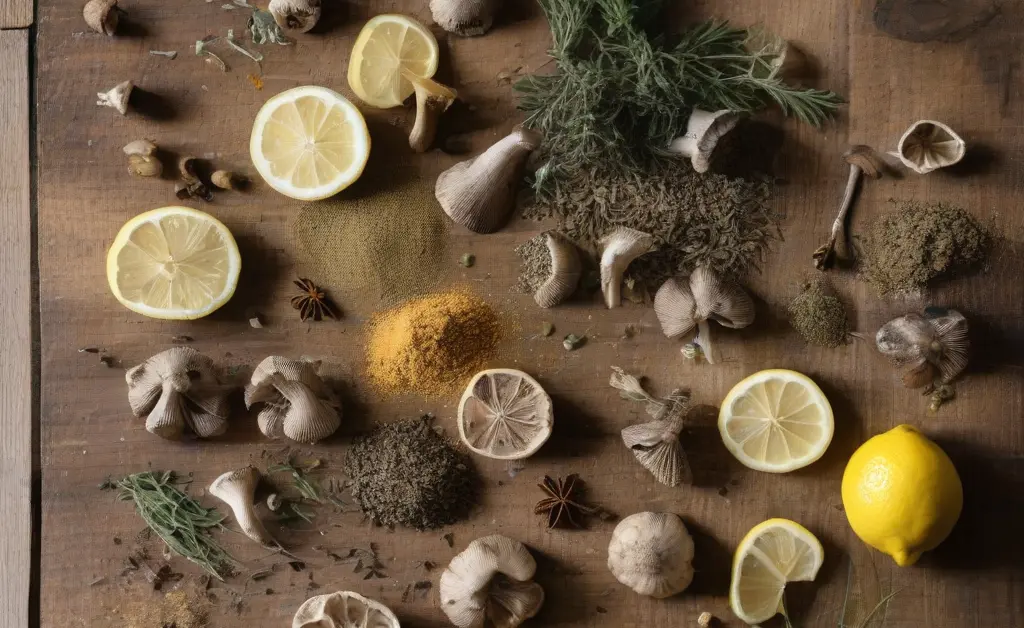
Exploring variations in the chaga mushroom tea recipe allows enthusiasts to tailor the infusion to their preferences and nutritional interests. Some variations involve blending chaga with other herbal teas or adaptogens to enhance flavor or potential health effects. Others experiment with different chopping sizes or powder versus chunks to influence brewing time and extraction efficiency. The addition of spices, fruits, or sweeteners can create diverse taste experiences while respecting the foundational qualities of chaga. Seasonal and regional availability of ingredients may also inspire unique adaptations, reflecting the tea’s versatility and cultural significance. Learn more about the overall chaga mushroom tea benefits here.
Chaga mushroom tea recipe preparation is a nuanced process that combines tradition, science, and personal preference. Whether brewed through traditional simmering, modern pressure cooking, or cold infusion, the methods aim to unlock the mushroom’s bioactive compounds and distinctive taste. Understanding factors such as ingredient quality, water type, brewing time, and flavor enhancements empowers one to craft a satisfying cup that honors the ancient heritage of this natural remedy.
FAQ
— How long should I simmer chaga mushroom tea?
Chaga mushroom tea is typically simmered for an extended period to extract its beneficial compounds. The simmering duration can vary depending on the desired strength but often involves a slow, gentle heat rather than a rapid boil.
— What is the best water to chaga ratio for tea?
The ideal water to chaga ratio depends on personal preference and the form of chaga used. Generally, a moderate amount of chaga in relation to water is chosen to balance flavor and potency, but specific proportions are often adjusted by the brewer.
— How do I know when chaga tea is ready?
Chaga tea is usually considered ready when the liquid has developed a rich, dark color and a robust flavor. The visual cues and aroma often guide the decision rather than relying solely on timing.
— Can I reuse chaga mushroom chunks for multiple brews?
Chaga mushroom chunks can often be reused several times, though each subsequent brew may yield a milder tea. Many traditional practices encourage multiple extractions to maximize the use of the material.
— How should I store chaga mushroom tea after brewing?
Once brewed, chaga mushroom tea is best stored in a cool, airtight container to preserve its freshness. Refrigeration is commonly recommended to prevent spoilage, and it should be consumed within a reasonable timeframe for optimal quality.