
Chaga mushroom has gained popularity for its potential health benefits, but understanding the correct intake amounts is essential to maximize its effects while minimizing risks. Determining the right chaga mushroom dosage depends on various factors, including individual health conditions, the form of the mushroom used, and the intended purpose of consumption. This article explores the nuances of dosing, offering evidence-based guidelines and practical advice to help users safely incorporate chaga into their wellness routines. By examining standard dosage recommendations, daily intake limits, and factors influencing dosage adjustments, readers will gain a comprehensive understanding of how to use this natural supplement responsibly.
Understanding Chaga Mushroom Dosage: Guidelines and Recommendations
Standard Dosage Guidelines
Standard dosage guidelines for chaga mushroom are often derived from traditional use and contemporary studies that analyze its bioactive compounds. While precise amounts can vary widely, typical recommendations aim to balance efficacy with safety by considering the concentration of key phytochemicals such as polyphenols and beta-glucans. Many sources suggest starting with lower quantities to assess individual tolerance, especially given the variability in commercial chaga preparations. The goal is to achieve a dosage that may support immune modulation and antioxidant intake without overwhelming the body’s systems.
Dosage Based on Beta-Glucan Content
Beta-glucans are among the significant bioactive components in chaga mushroom, credited with immune support and anti-inflammatory properties. Some dosage considerations focus on the beta-glucan content rather than the raw weight of chaga itself, recognizing that different extraction methods yield varying concentrations. Dosage based on beta-glucan content allows for a more targeted approach, aiming to harness these polysaccharides effectively. This perspective is particularly relevant when using concentrated extracts, where beta-glucan levels can be quantified and standardized, helping users understand the potency of their chaga supplement.
Comparing Dosage Recommendations from Various Sources
Dosage recommendations for chaga mushroom can differ substantially depending on the source, reflecting the diversity of preparation methods and traditional practices. Herbalists, supplement manufacturers, and clinical researchers may each advocate varying intake levels based on their observed effects and safety profiles. Such discrepancies highlight the importance of considering the form of chaga—whether powder, extract, or tea—and the context of use. Consumers should weigh these differing guidelines alongside personal health factors and consult credible references to determine a suitable approach to chaga mushroom dosage.
Daily Intake Recommendations for Chaga Mushroom
How much chaga is too much?
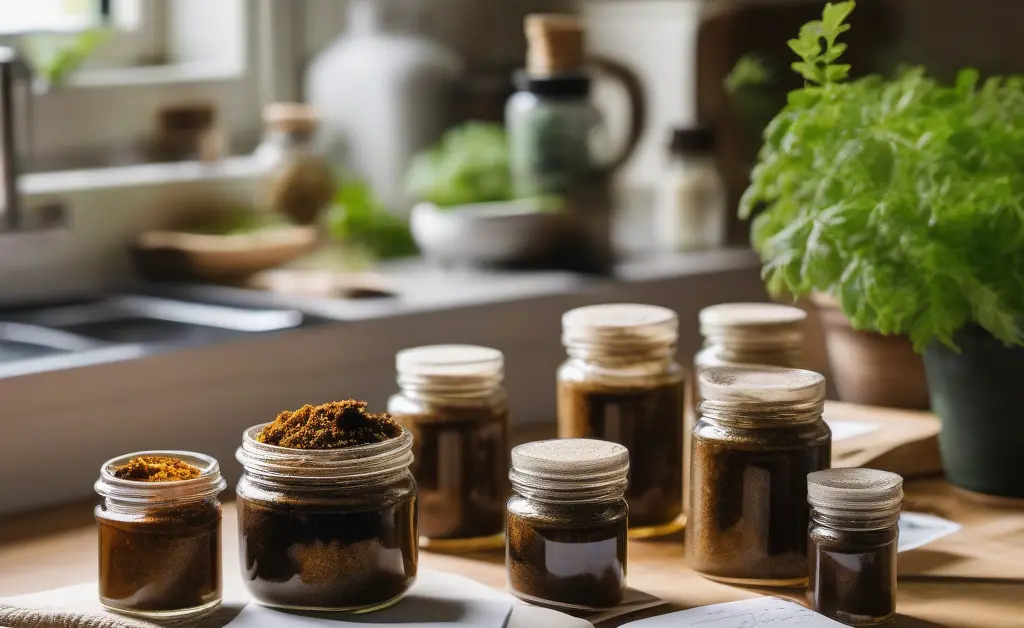
Determining an upper limit for daily chaga intake is complex due to limited standardized research and individual variability. Excessive consumption may increase the risk of adverse effects, particularly because chaga contains potent antioxidants and bioactive compounds that can interact with bodily processes. Awareness of potential chaga warnings, such as those related to liver toxicity in rare cases, is essential. Users are encouraged to consider the balance between obtaining health benefits and avoiding overconsumption, especially when using highly concentrated forms like extracts or tinctures, which can amplify the effects.
Duration and Frequency of Chaga Dosage
The duration and frequency of chaga mushroom consumption often depend on the intended health goals and individual response. Traditional use patterns commonly involve intermittent use or cycling to prevent tolerance or adverse reactions. Regular, long-term use is approached cautiously, with some practitioners recommending breaks to assess effects and minimize potential risks. Frequency may also vary by preparation, with teas or infusions consumed daily in moderate amounts, while extracts might be taken less frequently due to their potency. Understanding these variables helps users tailor their chaga intake responsibly.
Signs of Overconsumption
Although chaga mushroom is generally considered safe, signs of overconsumption can manifest and should be monitored. Potential indicators include gastrointestinal discomfort, changes in blood sugar regulation, or allergic reactions, reflecting the mushroom’s active phytochemicals interacting with the body. Recognizing such signs early is important to avoid more serious complications. Individuals with pre-existing conditions or those taking medications should be particularly vigilant for unusual symptoms, as chaga’s immune-modulating effects may influence other treatments or health statuses.
Factors That Influence the Appropriate Chaga Dosage
Adjusting Dosage for Different Age Groups
Age plays a significant role in determining the appropriate chaga mushroom dosage, as metabolic rates and sensitivities vary across the lifespan. Younger individuals or those with robust health may tolerate standard dosages more readily, whereas older adults might require adjustments to account for changes in liver and kidney function. Additionally, children and adolescents are generally advised to use caution or avoid chaga supplementation due to limited safety data. Tailoring dosage by age ensures that the potential benefits of chaga mushroom are accessed without undue risk.
Dosage Variations by Preparation Method
The method used to prepare chaga mushroom markedly influences dosage considerations. Whole food powders, extracts, tinctures, and teas each deliver different concentrations of active compounds, necessitating dosage adjustments accordingly. For example, extracts often contain concentrated levels of beta-glucans and polyphenols, requiring smaller amounts to achieve similar effects compared to powders or infusions. Understanding the potency associated with each preparation method helps guide appropriate dosage choices, optimizing the health benefits of chaga mushroom while maintaining safety. For additional information on chaga mushroom preparation and usage, consult chaga mushroom usage guidelines.
Forms of Chaga Mushroom and Corresponding Dosage Methods
Whole Food Mushroom Powder Dosage
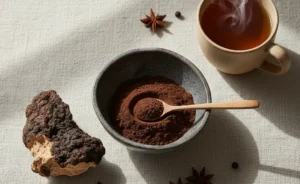
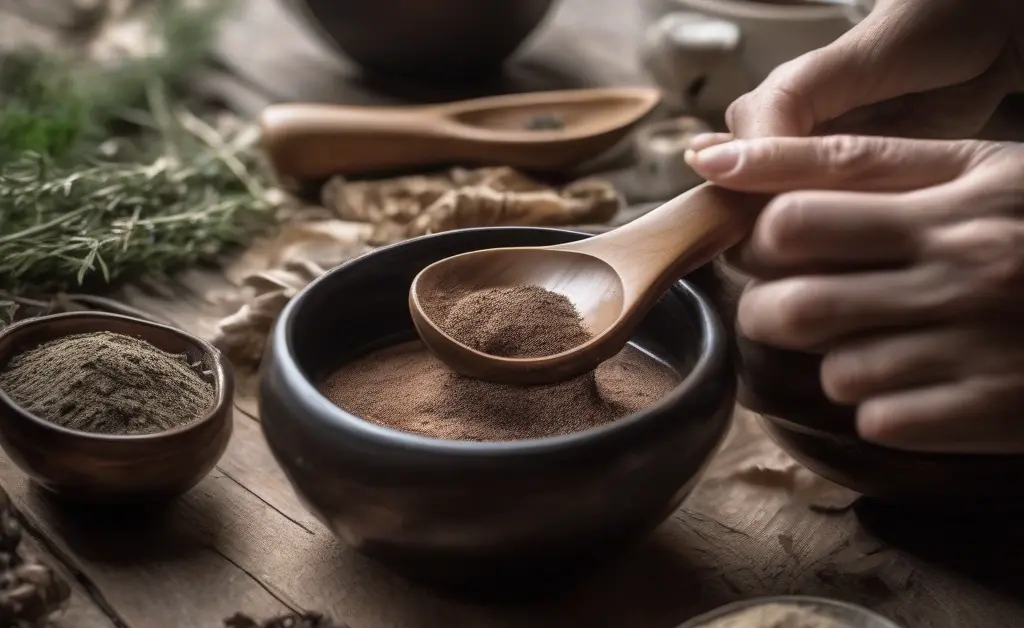
Whole food mushroom powder represents a less processed form of chaga, retaining a broad spectrum of bioactive compounds. Dosage methods for this form typically involve measuring the powder by volume or weight before consumption, often through incorporation into teas or smoothies. The dosage may be influenced by the powder’s particle size and origin, which affect extraction efficiency during preparation. Whole food powders offer a more traditional approach to chaga mushroom benefits, emphasizing natural synergy among its phytochemicals.
Extracts and Tinctures Dosage
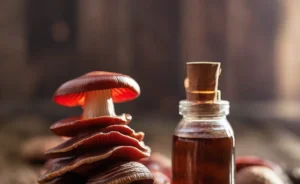
Extracts and tinctures provide concentrated forms of chaga mushroom, created through solvent-based processes that isolate specific bioactive components. Dosage methods for these forms usually involve liquid measurements, with attention to concentration levels expressed on product labels. These preparations allow for more precise control over intake of key compounds such as beta-glucans and antioxidants. However, their potency requires careful consideration to avoid excessive consumption, underscoring the importance of understanding product specifics and individual tolerance.
Teas and Infusions Dosage
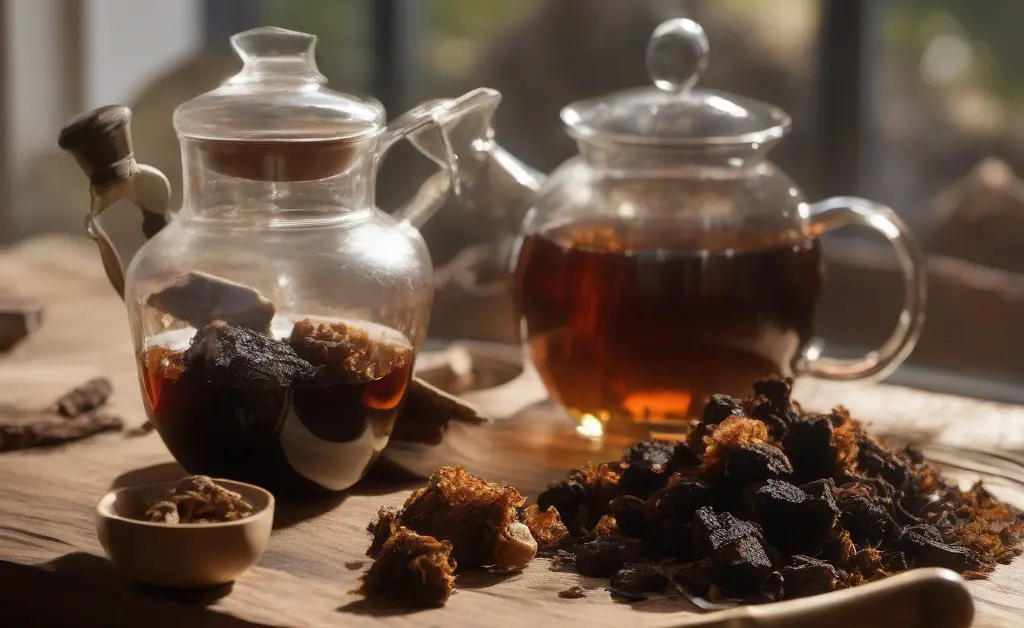
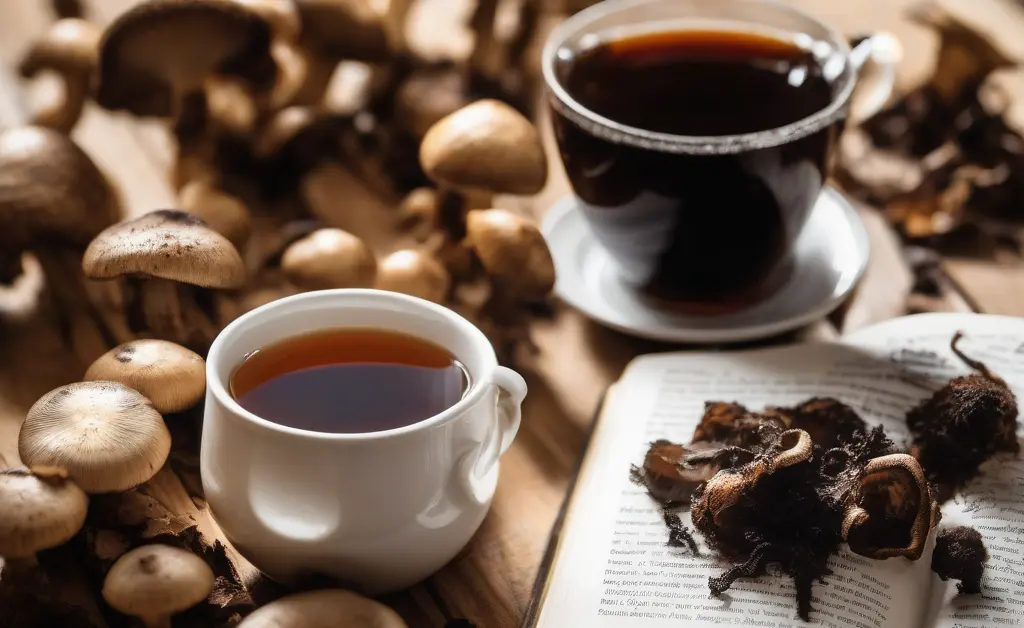
Chaga teas and infusions are among the most traditional and accessible ways to consume this mushroom. Dosage is typically determined by the amount of dried chaga used per volume of water and the steeping time, which influences the extraction of bioactive compounds. Variations in preparation methods—such as simmering versus steeping—can affect the potency and flavor profile of the tea. This form provides a gentle, hydrating option for incorporating chaga mushroom benefits into daily routines, with dosage flexibility depending on individual preferences and health goals. For further details, see the chaga mushroom usage recommendations.
Measuring and Preparing Chaga Mushroom for Proper Dosage
Using Teaspoons and Grams to Measure Dosage
Accurate measurement of chaga mushroom dosage often relies on household tools like teaspoons or kitchen scales for grams. While teaspoons offer convenience, their volume can vary based on powder density and grind size, potentially impacting dosage consistency. Grams provide a more precise measurement, especially important when preparing extracts or teas intended to deliver specific bioactive levels. Understanding the relationship between these units and how they relate to product concentration assists users in achieving reliable and repeatable dosing.
Storage Impact on Dosage Potency
Proper storage of chaga mushroom products is critical to maintaining their potency and ensuring dosage effectiveness. Exposure to moisture, heat, and light can degrade sensitive phytochemicals such as antioxidants and beta-glucans, reducing the supplement’s overall benefit. Sealing chaga powders, extracts, or tinctures in airtight containers and storing them in cool, dark environments helps preserve their bioactive content. Awareness of storage conditions allows consumers to maintain consistent dosage potency over time, supporting safe and effective use.
Common Myths and Facts About Chaga Mushroom Dosage
Several myths surround chaga mushroom dosage, often stemming from anecdotal reports or marketing claims. For instance, the belief that higher doses always yield better results overlooks the complexity of chaga’s bioactive compounds and the body’s capacity to utilize them. Conversely, some facts emphasize that moderate, consistent intake aligned with traditional practices may provide the most balanced effects. Distinguishing myths from evidence-based information helps users set realistic expectations and avoid misuse, fostering a safer approach to chaga supplementation.
Safety Considerations When Determining Chaga Mushroom Dosage
Safety considerations are paramount when deciding on chaga mushroom dosage, as individual health status and potential interactions must be factored in. Chaga has been studied for its antioxidant and anti-inflammatory properties, but concerns such as chaga mushroom liver toxicity, although rare, highlight the need for cautious use. Those with underlying health conditions, especially related to immune function or blood clotting, should be particularly mindful. Additionally, interactions with medications can alter therapeutic outcomes or increase risks. Consulting reliable sources like the WHO and monitoring for side effects supports responsible and safe chaga mushroom use.
In summary, chaga mushroom dosage varies widely based on factors such as preparation form, individual health considerations, and intended use. Approaching dosage with attention to these variables and an understanding of chaga mushroom safety helps maximize potential health benefits while minimizing risks associated with overconsumption or improper use.
Disclaimer: This article is intended for informational purposes only and does not constitute medical advice. Chaga mushroom supplementation should not replace professional healthcare guidance. Individuals should consult qualified health practitioners before starting any new supplement, especially if they have existing medical conditions or are taking medications. The safety and efficacy of chaga mushroom may vary among individuals.
FAQ
— What is the recommended daily dosage of chaga mushroom?
There is no universally agreed-upon recommended daily dosage of chaga mushroom due to variability in individual health conditions and product concentrations. Dosage guidelines often depend on the form of chaga used and the purpose of consumption, so consulting product-specific recommendations is advisable.
— How much chaga mushroom powder should I take per day?
The amount of chaga mushroom powder considered appropriate can vary widely depending on the extract strength and intended use. Some traditional practices suggest moderate amounts, but individual tolerance and product instructions should guide intake.
— Does chaga mushroom dosage vary by form?
Yes, the dosage often differs between forms such as raw chunks, powders, tinctures, or extracts. Each format may contain different concentrations of active compounds, which influences how much should be consumed to achieve desired effects.
— How do I measure the correct dosage of chaga mushroom?
Measuring the correct dosage typically involves following the instructions provided by the manufacturer or consulting with a healthcare professional knowledgeable about herbal supplements. Using standardized measuring tools like scales or measuring spoons can help maintain consistency.
— Are there any risks associated with taking too much chaga mushroom?
Excessive consumption of chaga mushroom may be associated with potential risks such as interactions with medications or effects on blood clotting, though more research is needed. Caution is advised, especially for individuals with underlying health conditions.
— Can the dosage of chaga mushroom affect its benefits?
The benefits of chaga mushroom may be influenced by the amount taken, though optimal dosing is not definitively established. Some studies suggest that different doses could impact antioxidant activity and immune support, but responses can vary among individuals.
— How should chaga mushroom dosage be adjusted for different ages?
Adjustments in chaga mushroom dosage for various age groups are often recommended due to differences in metabolism and sensitivity. It is prudent to approach dosing conservatively for children and older adults, ideally under professional guidance.
— What are the safest ways to prepare chaga mushroom for dosing?
Traditional preparation methods such as brewing chaga tea or using standardized extracts are commonly considered safe when done properly. Ensuring the mushroom is sourced from reputable suppliers and prepared with clean water can help minimize contamination risks.