Chaga mushroom powder has gained recognition for its potential health benefits and unique properties, making it a popular choice among natural wellness enthusiasts. Derived from the chaga mushroom fungus, which grows primarily on birch trees in cold climates, this powder is valued for its rich antioxidant content and traditional uses in herbal medicine. Understanding how chaga mushroom powder is produced, its different forms, and the ways it can be incorporated into daily habits can help individuals make informed decisions about including it in their wellness routines. This article explores the characteristics, preparation methods, and cultural significance of chaga mushroom powder, providing a comprehensive overview for those interested in this natural supplement.
What is Chaga Mushroom Powder?
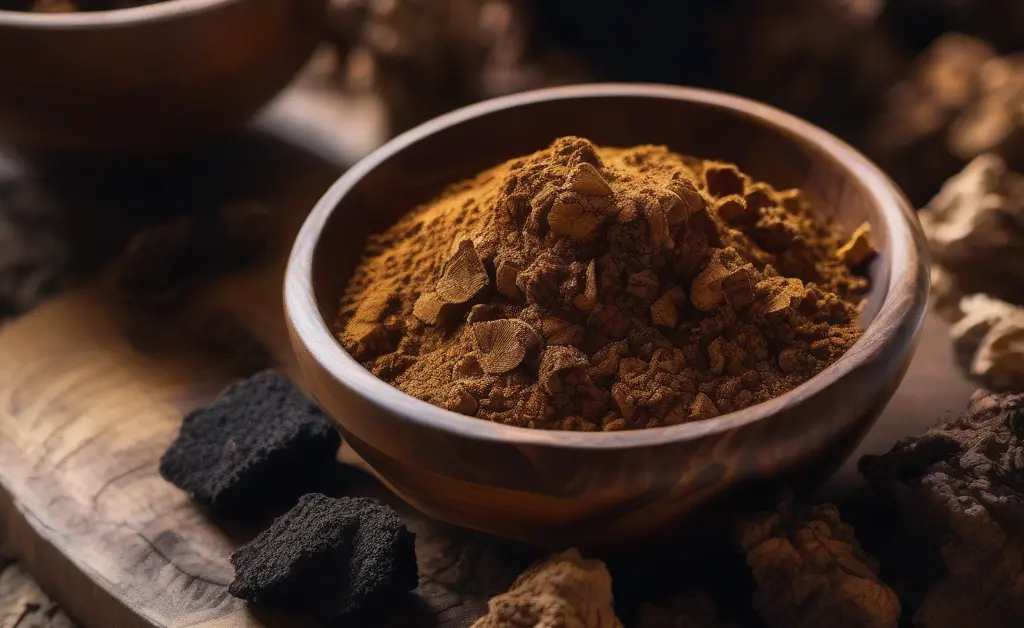
Chaga mushroom powder is made by grinding the dried sclerotium of the chaga fungus, a parasitic mushroom that primarily colonizes birch trees in cold regions. This powder contains a complex mixture of bioactive compounds, including fungal polysaccharides such as beta glucans, which are often studied for their immune modulation properties. Known as an antioxidant rich mushroom, chaga powder has been used traditionally as a herbal remedy and is considered a natural immune booster and adaptogen, supporting the body’s resilience to stress. Its classification as a medicinal mushroom links it to a broader category of superfoods valued for their functional benefits in wellness practices.
Differences Between Wild and Cultivated Chaga
Wild harvested chaga is typically collected from mature birch trees in pristine environments, where the fungus has developed over many years. This long growth period in natural conditions is believed to result in a richer profile of bioactive compounds, including high levels of antioxidants and unique fungal polysaccharides. In contrast, cultivated chaga is grown under controlled conditions that aim to replicate natural growth but often result in differences in chemical composition and potency. Consumers seeking chaga mushroom powder for sale often prefer wild harvested chaga for its traditional sourcing and potential efficacy, although cultivated varieties may offer greater consistency and sustainability.
Powder vs. Extract Forms
Chaga mushroom powder is available in its raw or minimally processed form, retaining the full spectrum of bioactive compounds found in the mushroom. Extracts, on the other hand, are concentrated preparations where specific compounds such as beta glucans or antioxidants are isolated or enhanced through processes like hot water or alcohol extraction. Chaga mushroom extract products may provide higher potency per serving and are frequently used as immune support supplements. However, powders offer versatility and a broader range of constituents, supporting those who prefer a more traditional and whole-food approach.
Forms of Chaga Mushroom Powder Available
Chaga mushroom powder comes in various forms, including fine powders suitable for brewing tea, coarser grinds for decoctions, and even encapsulated powders for convenient supplementation. Some products emphasize vegan mushroom powder status and non-GMO chaga certifications to appeal to health-conscious consumers. Additionally, blends combining chaga with other medicinal mushrooms or superfoods are becoming popular, offering synergistic effects aimed at immune modulation and antioxidant support.
Flavor Profile and Taste Notes
The taste of chaga mushroom powder is often described as earthy, slightly bitter, with subtle notes reminiscent of black tea and vanilla. Its flavor is mild but distinctive, making it an appealing base for chaga tea recipes and adaptable for inclusion in smoothies and other recipes. The natural bitterness is balanced by the powder’s smooth mouthfeel, contributing to its traditional use as a comforting warm beverage and a complement to other herbal ingredients.
Common Misconceptions About Chaga Mushroom Powder
There are several misconceptions surrounding chaga mushroom powder, including the belief that it acts as a cure-all or that it provides immediate health effects. While chaga is valued as a natural immune booster and is studied for its antioxidant and adaptogenic properties, it should not be considered a substitute for medical treatment. Another common misunderstanding is that all chaga products are equal; in reality, factors such as harvest location, processing methods, and purity greatly influence quality. Being informed about these nuances helps consumers choose products that align with their wellness goals.
How to Use Chaga Mushroom Powder
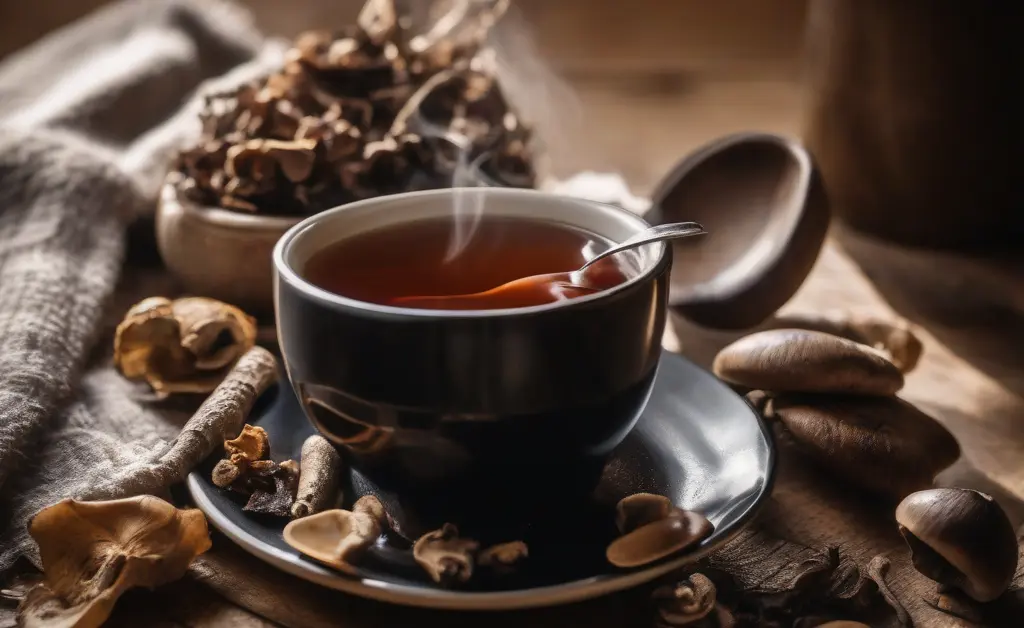
Chaga mushroom powder can be incorporated into daily routines in various ways, capitalizing on its versatility and gentle flavor. Traditionally, it is prepared as a tea, but modern adaptations have expanded its use into culinary and supplement forms. Understanding these options allows individuals to select methods that best fit their lifestyle and preferences while maximizing potential benefits associated with this antioxidant rich mushroom.
Making Chaga Tea
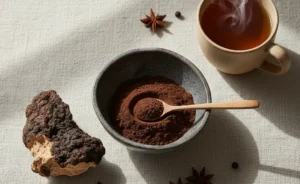
To prepare chaga tea, the powder or chunks are steeped in hot water for an extended period, a process that extracts the bioactive compounds such as fungal polysaccharides and antioxidants. This method is rooted in traditional preparation methods and is widely appreciated for delivering the natural immune support supplement qualities attributed to chaga. The resulting tea has a rich, earthy flavor and is often consumed warm, offering a comforting beverage that aligns with herbal remedy practices.
Adding to Smoothies and Other Recipes
Beyond tea, chaga mushroom powder can be incorporated into smoothies, soups, and other recipes to enhance their nutritional profile. The powder’s mild bitterness complements a variety of ingredients, allowing it to blend seamlessly without overpowering flavors. Its status as a vegan mushroom powder makes it suitable for plant-based diets, and it can be combined with other superfoods to create nutrient-dense concoctions aimed at supporting immune modulation and overall wellness.
How to Incorporate Chaga into Daily Routine
Integrating chaga mushroom powder into daily life can be as simple as enjoying a cup of chaga tea in the morning or adding a scoop of powder to a favorite beverage. Consistency is often emphasized in traditional use, where regular consumption is thought to support the body’s natural defenses. Some consumers prefer to rotate chaga with other medicinal mushrooms to benefit from a range of bioactive compounds. Regardless of the approach, awareness of product quality and individual health considerations is essential.
Choosing Quality Chaga Mushroom Powder
Selecting high-quality chaga mushroom powder involves attention to sourcing, processing, and certification. Organic and non-GMO chaga products are favored for their adherence to environmental and safety standards. Additionally, wild harvested chaga is prized for its potent bioactive profile, although responsibly cultivated options can also meet quality expectations. Understanding these factors helps consumers make informed choices that align with their health priorities and ethical concerns. For a detailed look at the chaga mushroom powder benefits, interested readers can explore more in-depth information.
Traditional Preparation Methods
Traditional preparation methods for chaga mushroom powder often involve harvesting from mature birch trees followed by careful drying to preserve its bioactive compounds. The powder is then prepared through slow extraction techniques, such as prolonged hot water decoctions, to maximize the release of fungal polysaccharides and antioxidants. These methods reflect centuries of herbal remedy practices and are respected for maintaining the integrity and efficacy of the mushroom’s natural properties.
Storage and Shelf Life of Chaga Mushroom Powder
Proper storage of chaga mushroom powder is critical to maintaining its potency and preventing degradation of its bioactive compounds. Factors such as exposure to moisture, heat, and light can affect the stability of the powder, influencing its effectiveness as an immune support supplement. Understanding optimal storage conditions helps preserve the powder’s quality over time.
Proper Storage Techniques
Chaga mushroom powder should be stored in airtight containers, away from direct sunlight and in a cool, dry environment to prevent moisture absorption and microbial growth. Packaging that limits oxygen exposure can also help maintain freshness and the bioactive profile. These precautions ensure the powder remains stable, preserving its antioxidant properties and adaptogenic potential for extended periods.
Signs of Expired Chaga Powder
Expired or improperly stored chaga mushroom powder may exhibit changes in color, texture, or aroma, such as becoming overly dark, clumpy, or developing an off smell. These signs indicate potential degradation of its bioactive compounds and diminished effectiveness. Consumers are advised to inspect their products regularly and adhere to recommended storage guidelines to ensure optimal quality.
History and Traditional Uses of Chaga Mushroom Powder

Chaga mushroom powder has a rich history rooted in the traditional medicinal practices of indigenous peoples across Siberia, Northern Europe, and parts of Asia. Revered as a superfood and herbal remedy, it was commonly used to support immune function, enhance vitality, and promote overall health. Its role as a natural immune booster and adaptogen reflects centuries of empirical knowledge and cultural significance. The World Health Organization provides valuable information on traditional medicine usage globally, underscoring the importance of such supplements.
Cultural Significance of Chaga
In many cultures, chaga is more than just a medicinal mushroom; it holds spiritual and ritual importance. It was traditionally harvested respectfully, with practices aimed at sustaining the natural environment and honoring the mushroom’s role in health. Folk medicine considered chaga a gift from nature, embodying resilience and strength, qualities mirrored in its purported immune modulation effects. Today, these cultural dimensions continue to enrich the appreciation and use of chaga mushroom powder worldwide.
In summary, chaga mushroom powder is a versatile and valued natural supplement known for its antioxidant properties and potential to support immune health. As an organic chaga mushroom product, it is sought after for its traditional preparation, wild harvested origins, and rich bioactive compound profile. Whether consumed as tea, incorporated into recipes, or chosen as an extract, chaga mushroom powder remains a prominent herbal remedy and superfood in the realm of natural wellness.
Disclaimer: This article is intended for informational purposes only and does not constitute medical advice. Chaga mushroom powder is a natural supplement and should not replace professional healthcare or prescribed treatments. Individuals should consult qualified health practitioners before incorporating new supplements, especially if they have underlying health conditions or are taking medications. The effects of chaga may vary, and responsible use with attention to product quality is recommended.
FAQ
— What are the benefits of chaga mushroom powder?
Chaga mushroom powder is often studied for its potential antioxidant properties and its role in supporting overall wellness. Some research suggests it may help combat oxidative stress and promote general health, though more evidence is needed to confirm these effects. It is traditionally valued in certain cultures for its adaptogenic qualities.
— How do you prepare chaga mushroom powder for tea?
Typically, chaga mushroom powder is simmered in hot water to extract its beneficial compounds. The preparation involves steeping rather than boiling vigorously, which helps preserve its properties. This method results in a dark, earthy tea often enjoyed for its unique flavor and purported health benefits.
— Is chaga mushroom powder safe to consume daily?
Consumption safety can vary depending on individual health conditions and potential interactions with medications. While many people incorporate it into their routine, it is advisable to approach daily use cautiously and consult a healthcare professional if there are existing health concerns. Its safety profile is still under scientific evaluation.
— What should I look for when buying chaga mushroom powder?
Quality indicators include sourcing from reputable suppliers, organic certification, and minimal processing to retain active compounds. It is also important to choose products that are free from contaminants and additives. Checking for clear labeling and product origin can help ensure authenticity.
— Can chaga mushroom powder boost the immune system?
Chaga mushroom powder is traditionally referenced for its immune-supporting properties. Some studies suggest it may influence immune cell activity, but definitive conclusions are lacking. It is generally considered a complementary approach rather than a primary immune booster.
— How should chaga mushroom powder be stored?
To maintain its potency, chaga mushroom powder should be kept in a cool, dry place away from direct sunlight. Airtight containers help prevent moisture absorption and preserve freshness. Proper storage conditions can extend the shelf life and effectiveness of the powder.
— What is the difference between chaga powder and extract?
Chaga powder consists of ground dried mushroom, providing a raw form of the product, while extracts are concentrated forms obtained through specialized processing. Extracts may contain higher levels of certain compounds, but powders offer a more natural and less processed option. The choice often depends on intended use and preference.
— Are there any traditional uses of chaga mushroom powder?
Historically, chaga mushroom powder has been used in folk medicine primarily in Siberian and other Northern European cultures. It was commonly prepared as a tea to support stamina and overall health during harsh climates. These traditional uses contribute to its ongoing popularity in natural health circles.