
For centuries, Chaga mushroom has been revered in traditional medicine for its various health-promoting properties. While its popularity in contemporary wellness circles continues to grow, it is crucial for individuals to approach its use with a well-informed perspective. My experience in observing trends in natural health indicates that a balanced understanding of any supplement involves considering both its potential advantages and its possible drawbacks. This article delves into the critical aspects concerning chaga mushroom side effects, exploring common concerns, potential adverse reactions, and interactions with medications, ensuring users can make informed decisions about its incorporation into their health routine.
Overview of Chaga Mushroom and Its Side Effects
Chaga mushroom, scientifically known as Inonotus obliquus, is a fungus that grows predominantly on birch trees in cold climates. Traditionally, it has been consumed as a tea or extract for various wellness purposes. As its popularity extends beyond traditional uses, it becomes increasingly important to understand the full spectrum of its impact on the body, including potential chaga mushroom side effects. While many studies explore the potential benefits, a comprehensive perspective also requires a thorough look at the safety profile and any associated risks, contributing to a balanced view of Chaga mushroom safety.
Chaga mushroom effects
The effects of Chaga mushroom on the human body are complex and still being actively researched by organizations such as the NIH. It is known to contain a rich array of bioactive compounds, including polysaccharides, triterpenes, and polyphenols, which are believed to contribute to its various properties. These components may influence different physiological systems, from immune responses to metabolic functions. However, like any biologically active substance, these effects are not universally beneficial for everyone and can lead to unintended consequences or adverse reactions, especially depending on individual sensitivities and health conditions. Understanding both the intended and unintended Chaga mushroom effects is crucial for informed use.
Chaga Mushroom Warnings and Potential Health Risks
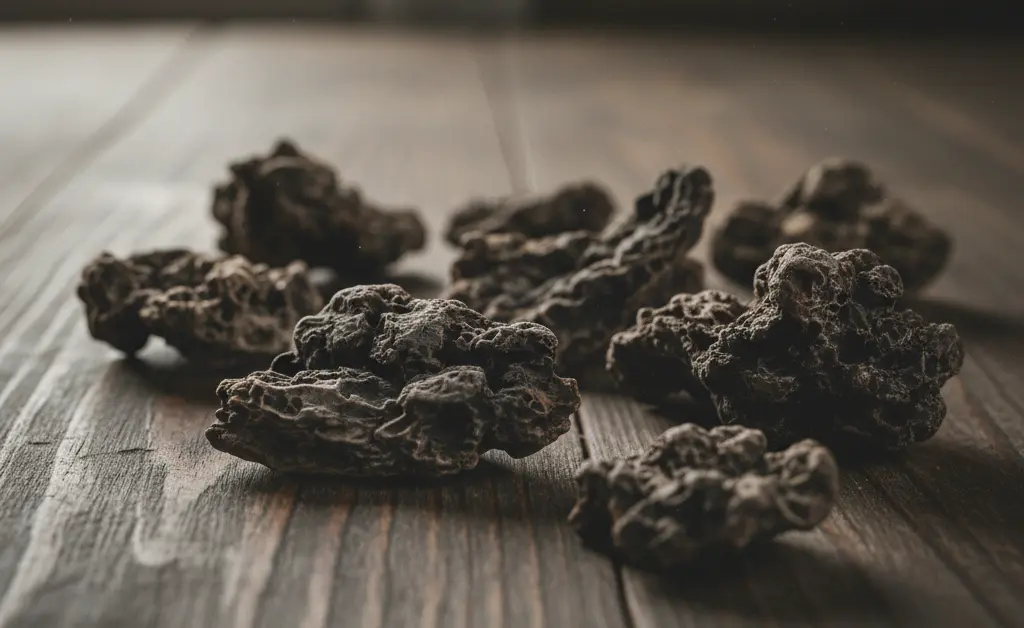
While Chaga mushroom is generally considered safe for many individuals when consumed appropriately, it is not without its warnings and potential health risks. Awareness of these factors is key to minimizing the occurrence of undesirable chaga mushroom side effects. Evaluating the risk assessment of Chaga mushroom tea and other forms requires attention to individual health status and consumption practices.
Potential Allergic Reactions to Chaga Mushroom
As with any natural product, there is a potential for some individuals to experience an allergic reaction to Chaga mushroom. This can occur even in individuals who have consumed other mushrooms without issue, as Chaga contains unique compounds. Symptoms of an allergic reaction may range from mild skin rashes, itching, or hives to more severe manifestations like swelling of the face or throat, and difficulty breathing. Anyone experiencing such allergy symptoms should discontinue use immediately and seek medical attention.
Signs of Adverse Reactions to Chaga Mushroom
Beyond allergic responses, other adverse reactions to Chaga mushroom may manifest. These can include gastrointestinal issues such as nausea, indigestion, diarrhea, or constipation. Some individuals might report dizziness, headaches, or general discomfort. It is important to monitor for adverse effects closely, especially when first incorporating Chaga into your routine. Any unusual or persistent symptoms should prompt a consultation with a healthcare professional to assess whether Chaga is the cause.
Chaga Mushroom Contamination Risks
The environment in which Chaga mushroom grows and how it is harvested can introduce contamination risks. Chaga typically grows on trees in natural environments, which can expose it to heavy metals, pesticides, or other environmental pollutants that may accumulate in the fungus. Furthermore, improper drying, storage, or processing can lead to mold or bacterial contamination. To mitigate these risks, it is essential to source Chaga from reputable suppliers who provide information about their harvesting practices and conduct third-party testing for purity and contaminants.
Chaga Mushroom Liver and Kidney Safety Concerns
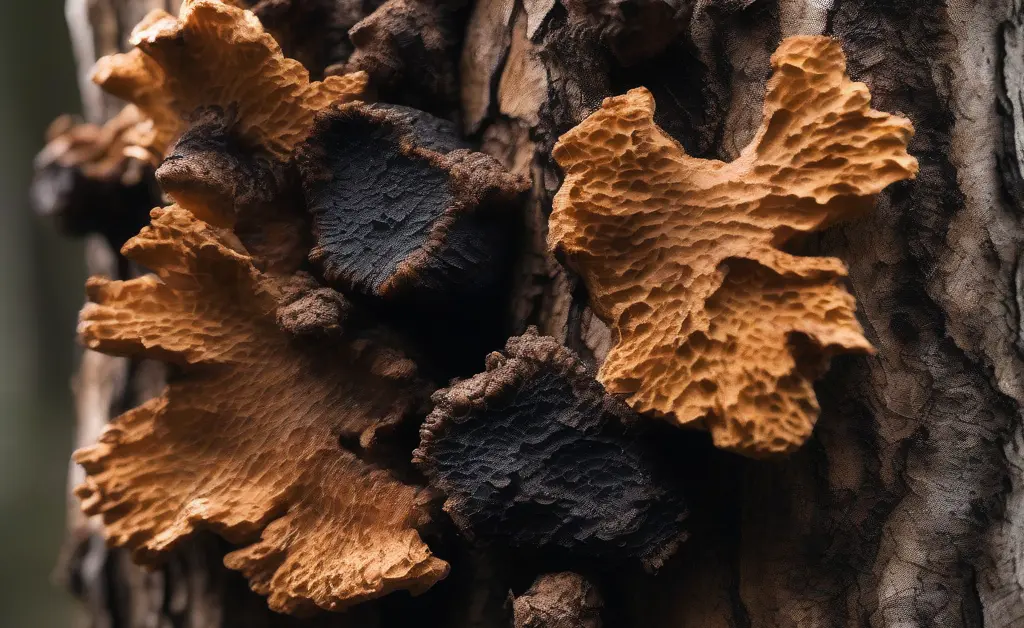
Concerns surrounding the impact of Chaga mushroom on organ health, particularly the liver and kidneys, are important considerations for potential users. Understanding these potential chaga mushroom side effects is vital for individuals with pre-existing conditions or those considering long-term use, emphasizing the need for a thorough risk assessment.
Is chaga hard on the kidneys?
The question of whether Chaga mushroom is hard on the kidneys is often raised, primarily due to its oxalic acid content. Oxalic acid, in high concentrations, can contribute to the formation of kidney stones in susceptible individuals and may exacerbate existing kidney problems. While the amount of oxalic acid can vary depending on the Chaga source and preparation method, individuals with a history of kidney stones or existing renal impairment should exercise caution. Consulting a healthcare provider before using Chaga is highly recommended for anyone with kidney health concerns.
Chaga-induced liver and kidney concerns
While Chaga mushroom is not widely known for direct toxicity to the liver or kidneys in healthy individuals, there have been rare case reports suggesting potential issues, particularly with very high doses or in sensitive individuals. The liver plays a crucial role in metabolizing compounds, and any substance, including herbal supplements, could potentially impact liver function. Similarly, substances that affect metabolism or contain certain compounds could place additional stress on kidney function. It is important to be aware of the potential for herbal toxicity and discuss any pre-existing liver or kidney conditions with a doctor before using Chaga to mitigate any potential chaga mushroom adverse reactions.
Interactions with Medications
A significant area of concern when considering Chaga mushroom side effects involves its potential interactions with various medications. Due to its bioactive compounds, Chaga can influence several physiological pathways, making professional medical advice crucial for individuals on prescription drugs. These Chaga mushroom drug interactions can alter the effectiveness of medications or increase the risk of adverse reactions.
Immunosuppressants
Chaga mushroom is often recognized for its immune-modulating properties, meaning it may influence the activity of the immune system. For individuals taking immunosuppressants to manage autoimmune conditions or prevent organ transplant rejection, this immune modulation could be problematic. Chaga might interfere with the intended action of these medications, potentially reducing their efficacy or altering the immune response in an undesirable way. Therefore, individuals on such treatments should avoid Chaga unless specifically advised otherwise by their physician.
Effects on Blood Clotting
Some studies suggest that Chaga mushroom may have an impact on blood clotting processes. This potential for Chaga mushroom blood clotting effects, including anticholagulant effects, means it could increase the risk of bleeding or bruising, particularly when combined with certain medications. This is a critical consideration for individuals with bleeding disorders or those undergoing surgical procedures.
Interactions with Blood Thinners and Blood Pressure
Given its potential effects on blood clotting, Chaga mushroom may interact with Blood Thinners and Anticoagulants, such as warfarin, aspirin, or heparin. This interaction could heighten the bleeding risk, leading to easier bruising or more severe bleeding events. Additionally, there’s a possibility that Chaga could influence blood pressure levels, potentially interacting with medications prescribed for hypertension. Anyone managing blood pressure or on blood thinners should consult their doctor before using Chaga to understand the full Chaga mushroom bleeding risk.
Interactions with Other Medications
Beyond the specific classes mentioned, Chaga mushroom has the potential for other medication interactions. Its metabolic effects could theoretically alter how the body processes various drugs, impacting their absorption, distribution, metabolism, or excretion. This broad possibility underscores the importance of discussing all current medications, including over-the-counter drugs and other supplements, with a healthcare provider before adding Chaga to your regimen. This approach allows for a comprehensive assessment of potential chaga mushroom adverse reactions and helps prevent unforeseen drug interactions.
Impact on Blood Sugar Levels
Research indicates that Chaga mushroom may have properties that influence blood sugar levels, potentially lowering them. For individuals with diabetes, or those taking medications to control their blood sugar, this effect could be significant. Combining Chaga with anti-diabetic drugs might lead to hypoglycemia (dangerously low blood sugar). Therefore, Individuals on Specific Medications for blood sugar management must exercise extreme caution and seek medical guidance before considering Chaga.
Chaga Mushroom and Immune System

The relationship between Chaga mushroom and the immune system is a focal point of much research and traditional use. Its reputation as an immune modulator highlights both its potential benefits and the necessity of understanding its full impact, which could include certain chaga mushroom side effects, especially in specific populations.
Chaga Mushroom and Immune System Responses
Chaga mushroom is frequently cited for its ability to support and modulate the immune system. It contains compounds that are thought to influence various components of immune response, potentially enhancing certain aspects of immunity while perhaps tempering others. This immune modulation can be a desired effect for general wellness, but it is also precisely why caution is advised for individuals with autoimmune conditions or those on immunosuppression therapies. For these groups, altering the immune system’s balance could lead to unintended consequences, underscoring the importance of medical consultation.
Who Should Avoid Chaga Mushroom?
Due to its potent biological activity and potential chaga mushroom side effects, certain individuals should avoid Chaga mushroom or use it only under strict medical supervision. Understanding these contraindications is crucial for safe supplementation and to prevent adverse health outcomes. It is part of a comprehensive Chaga mushroom safety approach.
People with Kidney Problems
Individuals with pre-existing kidney problems, including a history of kidney stones or chronic kidney disease, should generally avoid Chaga mushroom. The oxalic acid content in Chaga can be problematic for kidney health, potentially exacerbating existing conditions or contributing to stone formation. The risk of renal impairment necessitates careful consideration.
People with Bleeding Disorders
Given the potential for Chaga mushroom to affect blood clotting, people with bleeding disorders, or those who are scheduled for surgery, should avoid its use. The increased bleeding risk could lead to complications and is a significant Chaga mushroom warning for this group. Any potential Chaga mushroom bruising effect is also a concern.
Pregnant or Breastfeeding Women
There is a lack of sufficient scientific research on the safety of Chaga mushroom during pregnancy and breastfeeding. Without adequate data to confirm its safety for both the mother and the developing child, it is generally recommended that pregnant or breastfeeding women avoid Chaga mushroom as a precautionary measure.
Considerations for Individuals with Autoimmune Conditions
Individuals suffering from autoimmune conditions such as lupus, rheumatoid arthritis, or multiple sclerosis, should approach Chaga mushroom with caution. As Chaga may modulate the immune system, there is a theoretical concern that it could potentially stimulate the immune response in ways that might worsen autoimmune symptoms or interfere with prescribed treatments. Consulting a specialist knowledgeable in both the condition and herbal supplements is paramount to assess the risk of immune hypersensitivity or other adverse effects.
Long-Term Considerations of Chaga Mushroom Side Effects
While many individuals may use Chaga mushroom for extended periods without overt issues, the long-term considerations regarding chaga mushroom side effects warrant attention. Comprehensive studies on the chronic use effects of Chaga are still emerging, meaning that the full side effect profile over prolonged periods is not yet completely understood. This uncertainty highlights the importance of moderation and vigilance. Regular medical check-ups and open communication with a healthcare provider can help monitor for any subtle changes in health that might be attributable to long-term Chaga consumption, especially concerning liver and kidney function. A thorough risk assessment of chaga mushroom tea or other products should always consider both short-term and extended use implications.
Readers should understand that this article does not offer medical diagnosis or treatment. It is intended for informational purposes only and should not be used as a substitute for professional medical advice, diagnosis, or treatment. Always consult with a qualified healthcare provider before making any decisions about your health or starting any new supplement regimen. Individual results may vary, and potential interactions or adverse effects should be discussed with a medical professional.
FAQ
— What are the side effects of taking chaga mushroom?
While generally well-tolerated, some individuals may experience adverse reactions, often manifesting as mild gastrointestinal upset or skin reactions. Furthermore, some studies indicate that chaga mushroom side effects can include interactions with blood-thinning medications, given its potential influence on blood coagulation. Therefore, understanding individual health status before use is important.
— Can chaga mushroom cause bleeding problems?
Chaga contains compounds that may influence blood clotting, particularly triterpenes and polysaccharides. This means it could potentially amplify the effects of anticoagulant medications or interfere with the body’s natural clotting process in susceptible individuals. Such interactions are a key consideration for those with relevant health conditions.
— Who should avoid using chaga mushroom?
Individuals on anticoagulant medications, those with known bleeding disorders, or people preparing for surgery should exercise caution. Additionally, pregnant or breastfeeding individuals and those with autoimmune conditions are often advised to consult a healthcare professional before use due to limited safety data in these specific populations.
— Are there any allergic reactions associated with chaga mushroom?
As with any natural substance, individuals can experience allergic reactions to chaga mushroom, though they are uncommon. These reactions might manifest as skin rashes, itching, or, in rare cases, more severe respiratory symptoms. Paying attention to how your body responds when introducing any new dietary supplement is always important.
— Can chaga mushroom affect kidney or liver function?
Research indicates that excessive or long-term consumption of chaga, particularly in individuals with pre-existing kidney conditions, could potentially impact kidney function. While less common, the liver processes many compounds, and individuals with compromised liver function should approach any new supplement with caution to avoid undue strain.