
Many people experience challenges with sleep quality, often leading them to explore various natural remedies to support a restful night. Among the diverse range of natural supplements garnering attention, the lion’s mane mushroom has emerged as a subject of considerable interest. While not traditionally known as a sedative, mounting curiosity surrounds the potential benefits of lion’s mane mushroom for sleep, particularly concerning its indirect effects on cognitive function and stress management, which are crucial for restorative rest. This article will delve into the current understanding of how this unique fungi might influence sleep patterns, examining the underlying mechanisms and providing guidance on its effective incorporation for those looking to support their nightly rejuvenation.
Does Lion’s Mane Mushroom Impact Sleep?
While often explored for its cognitive-enhancing properties, the lion’s mane mushroom is not typically categorized as a direct sedative or a conventional sleep aid. Its potential influence on sleep patterns is thought to be more indirect, primarily by addressing underlying factors that can disrupt restful sleep. Many individuals seek natural ways to improve their sleep quality, and the exploration of lion’s mane mushroom for sleep often stems from its reputed ability to support the nervous system and manage stress and anxiety, which are common culprits behind sleep disturbances.
Clarifying Direct Sedative Effects
Unlike some herbal remedies that directly induce drowsiness, lion’s mane mushroom does not appear to possess immediate sedative effects. Instead, it functions more as an adaptogen, helping the body adapt to various stressors. By potentially modulating the body’s response to stress and anxiety, it may create a more conducive internal environment for sleep. This indirect support can be a significant aspect for those struggling with chronic sleep issues that are often linked to an overactive nervous system or persistent feelings of unease.
Lion’s Mane Mushroom for Sleep: Benefits and Mechanisms
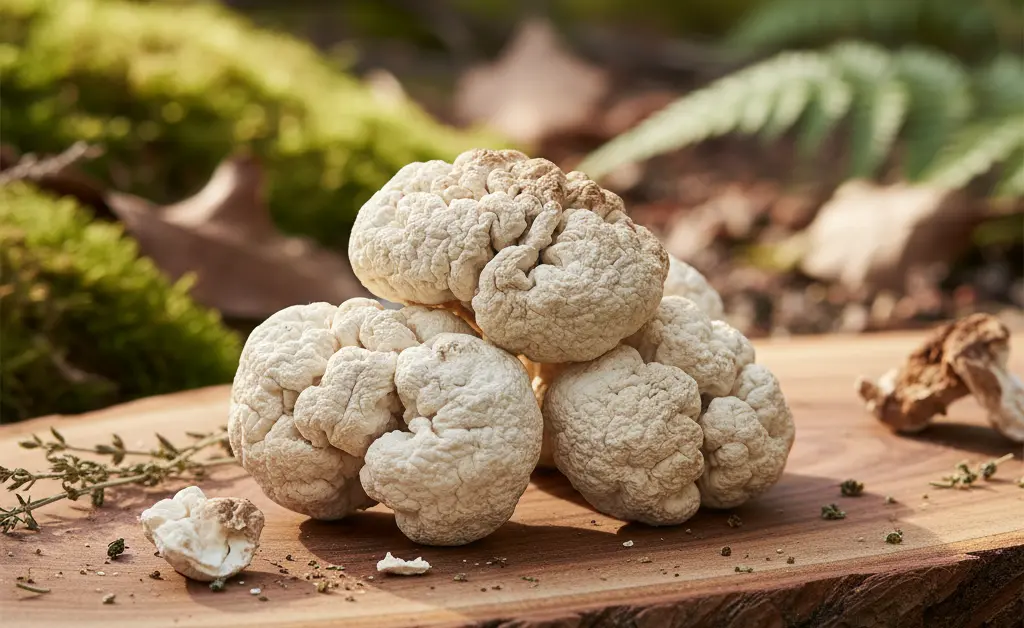
The interest in lion’s mane mushroom for sleep largely revolves around its potential to support overall brain health and cognitive function, which can, in turn, contribute to a more restful night. The benefits of lion’s mane are often attributed to its unique bioactive compounds that may support neural pathways and enhance mental clarity. By promoting a healthier brain environment, this mushroom may help mitigate some of the cognitive clutter and stress that can interfere with the natural sleep cycle. Other natural options like chaga mushroom also offer benefits for sleep support, contributing to overall wellness.
The Role of Nerve Growth Factor (NGF)
One of the most well-studied aspects of lion’s mane mushroom is its ability to stimulate the production of nerve growth factor (NGF). NGF is a protein crucial for the growth, maintenance, and survival of neurons in the brain. Compounds found in lion’s mane, such as hericenones and erinacines, are believed to cross the blood-brain barrier and support neurogenesis. By supporting the health and regeneration of neurons, NGF may contribute to improved cognitive function and a more balanced nervous system, indirectly aiding in achieving better sleep quality.
Supporting Brain Health for Restful Nights
A healthy brain is fundamental for optimal sleep. Lion’s mane mushroom’s potential neuroprotective properties and its role in enhancing cognition can contribute to an environment that supports restful sleep. When the brain functions efficiently, it may be better equipped to manage daily stress, process thoughts, and transition smoothly into sleep. By promoting overall brain health and reducing factors like anxiety and mental fatigue during waking hours, lion’s mane may indirectly pave the way for more profound and restorative sleep.
Scientific Evidence Supporting Lion’s Mane for Sleep

Research into the direct impact of lion’s mane mushroom for sleep is still emerging, but studies have explored its effects on factors known to influence sleep, such as stress, anxiety, and cognitive function. Some research suggests that regular intake of lion’s mane may help reduce feelings of irritation and worry, which are common contributors to insomnia. While not a direct sleep aid, its adaptogenic qualities and support for the nervous system are subjects of ongoing scientific interest, with studies indicating a potential to foster a sense of calm and mental clarity that can be beneficial for the sleep cycle. Further extensive research is continually being conducted to fully understand these complex interactions. For comprehensive health information and ongoing research, resources like the NIH provide valuable insights.
Optimal Dosage and How to Take Lion’s Mane for Sleep

When considering lion’s mane mushroom for sleep, it’s important to approach its integration thoughtfully. Lion’s mane supplements are available in various forms, including capsules, powders, and liquid extracts, typically derived from the fruiting body. The optimal intake can vary significantly among individuals, depending on factors such as body chemistry, lifestyle, and the specific form of the supplement. It is generally advised to start with a modest amount and observe how your body responds. Consulting with a healthcare professional can provide personalized guidance on how to best incorporate this supplement into your routine, especially if you have existing health conditions or are taking other medications. Always follow the guidelines provided by reputable supplement manufacturers. Beyond sleep support, some individuals also explore the potential of lion’s mane mushroom for weight loss.
Best Time to Take Lion’s Mane for Sleep
The timing of when to take lion’s mane for sleep support can vary. Given that lion’s mane is not a direct sedative, some individuals prefer to take it earlier in the day to potentially reap its cognitive benefits and stress-reducing effects throughout their waking hours, hoping this will indirectly lead to better evening relaxation. Others might consider taking it closer to bedtime, especially if they believe its more subtle effects on the nervous system could aid in winding down. It is important to pay attention to your own body’s response and adjust the timing as needed. Experimentation, under professional guidance, can help determine the best schedule for supporting your individual circadian rhythm and achieving more restful sleep.
The lion’s mane mushroom, while not a direct sedative, presents an intriguing natural option for those seeking to enhance their overall well-being, which in turn may foster better sleep. Its unique compounds are studied for their potential to support brain health, manage stress, and promote a balanced nervous system. By indirectly addressing common barriers to restful sleep, lion’s mane mushroom for sleep may serve as a valuable complement to a holistic approach to improving sleep quality.
This information should be viewed as educational rather than medical advice. It is not intended to diagnose, treat, cure, or prevent any disease or health condition. Always consult with a qualified healthcare professional before starting any new supplement regimen or making changes to your existing health practices, especially if you have underlying health conditions or are taking other medications. Individual results may vary, and the efficacy of natural supplements can depend on numerous personal factors.
FAQ
— Does lion’s mane promote sleep?
While not directly considered a sedative, research suggests lion’s mane mushroom for sleep might be relevant due to its potential impact on stress and mood. Some studies indicate it could support a calmer state, which can indirectly contribute to improved rest.
— How does lion’s mane improve sleep quality?
Lion’s mane is recognized for its potential neurotrophic properties and its role in supporting the nervous system. By potentially helping to manage everyday stress and promote a sense of calm, it could contribute to an environment more conducive to restful sleep. This indirect support is how it’s often linked to better sleep quality.
— Can lion’s mane cause insomnia?
Lion’s mane is not typically associated with causing insomnia in most individuals. However, some people report feeling more energized or focused after consuming it, especially if taken later in the day, which could potentially interfere with winding down for sleep. Individual responses can vary significantly.
— What is the best time to take lion’s mane for sleep?
There isn’t a universally “best” time, as individual responses to lion’s mane can differ. Some people prefer to take it earlier in the day to potentially support focus and cognition without impacting nighttime rest. Others find it helpful in the late afternoon to support a calming transition into the evening, but personal experimentation is key.
— Is nerve growth factor (NGF) related to sleep?
Nerve growth factor (NGF) plays a crucial role in the growth, maintenance, and survival of nerve cells, which is fundamental to overall brain health. While NGF itself isn’t a direct sleep regulator, a well-functioning nervous system supported by healthy neurogenesis can indirectly contribute to better sleep patterns and overall well-being. This connection highlights the importance of neurological health for restorative sleep.