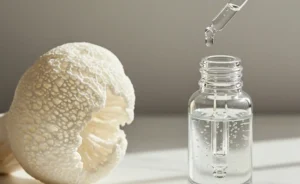
Many expectant mothers wonder whether chaga mushroom pregnancy safety is something they should be concerned about before adding this popular medicinal mushroom to their routine. Chaga mushroom is widely known for its antioxidant and immune-supporting properties, but pregnancy is a unique stage where the body reacts differently to certain supplements and natural products. Because scientific research on chaga mushroom pregnancy safety remains limited, understanding the possible benefits, risks, and expert recommendations becomes essential before considering its use. In this guide, we explore what current evidence says about chaga mushroom during pregnancy, including potential effects, safety concerns, and important factors every expecting mother should know.
Is Chaga Mushroom Safe During Pregnancy? What You Need to Know
Mushroom Consumption Before, During, and After Pregnancy
The consumption of various mushrooms, including medicinal types such as chaga, reishi, and turkey tail, has a long history in traditional practices. Before pregnancy, some individuals use these fungal supplements for general health and immune support. However, during pregnancy, the physiological changes and increased sensitivity to substances necessitate careful consideration. After childbirth, certain mushrooms may be reintroduced based on individual tolerance and breastfeeding status. When evaluating chaga mushroom pregnancy safety, it is crucial to understand that the metabolic demands of pregnancy can influence how such supplements are processed by the body.
Lack of Clinical Research and Guidelines from Health Authorities
Despite the growing popularity of chaga and other medicinal mushrooms, there is a notable scarcity of clinical research specifically addressing their safety during pregnancy. Major health authorities have not issued official guidelines on chaga mushroom consumption for pregnant or breastfeeding women, largely due to the absence of rigorous human studies. This gap means that healthcare providers often rely on general principles of caution with herbal supplements during pregnancy. The lack of standardized dosing, variability in product quality, and limited data contribute to the hesitancy in recommending chaga mushroom during this sensitive time. The World Health Organization provides general guidance on herbal supplement use during pregnancy, which can be a useful reference for both patients and practitioners (WHO).
Evaluating Scientific Evidence on Chaga Mushroom Safety
Scientific investigations into chaga mushroom focus mainly on its antioxidant, anti-inflammatory, and immune-modulating properties in vitro and in animal models. However, evidence regarding its safety profile in pregnant populations is minimal. Some studies suggest that certain bioactive compounds in chaga could interact with metabolic pathways relevant to pregnancy, but these findings have not been validated in clinical settings. When considering chaga mushroom pregnancy, the precautionary principle generally applies until more definitive research clarifies its effects and potential risks for both mother and fetus.
Safety Considerations and Expert Recommendations for Pregnant and Breastfeeding Women

Advice from Naturopathic Experts
Naturopathic practitioners often emphasize the importance of individualized care and caution when it comes to herbal and fungal supplements during pregnancy. While some naturopathic experts acknowledge the traditional uses of chaga mushroom for immune support, they typically recommend avoiding its use during pregnancy and breastfeeding due to insufficient safety data. Instead, they may suggest safer alternatives that have a longer history of documented safe use. This cautious approach aligns with the broader naturopathic philosophy of minimizing potential risks during critical developmental periods.
Risks Associated with Unregulated Herbal Products
One significant concern with chaga mushroom supplements is the lack of regulation in many markets. Products may vary widely in potency, purity, and contamination levels, which can pose additional risks to pregnant women. Contaminants such as heavy metals or microbial toxins may inadvertently affect maternal and fetal health. Without stringent quality control, the exact composition of chaga products remains unpredictable. This uncertainty is an important factor in expert recommendations advising against the use of unregulated herbal products during pregnancy.
Potential Effects of Chaga Mushroom on Pregnancy Outcomes
Possible Effects on the Baby and Transmission Through Breast Milk
Currently, there is no conclusive evidence regarding the transfer of chaga mushroom compounds through the placenta or breast milk. This lack of data means that the potential effects on fetal development and neonatal health remain unknown. Some bioactive substances found in chaga may theoretically cross biological barriers, but without specific studies, the impact on the baby cannot be reliably predicted. This uncertainty contributes to the cautious stance many health professionals take concerning chaga mushroom during pregnancy and lactation.
Considerations for Immune System Support During Pregnancy
Pregnancy involves complex immune modulation to maintain fetal tolerance while protecting against infections. Certain medicinal mushrooms, including chaga, are known for their immune-supportive properties. However, stimulating the immune system in pregnancy requires careful balance, as inappropriate activation could theoretically influence pregnancy outcomes. While immune support is desirable, the effects of chaga mushroom on this delicate immune state are not well defined, warranting prudence in its use as a natural remedy during pregnancy.
Nutritional Components of Chaga Mushroom Relevant to Pregnancy
Interactions Between Chaga Mushroom and Common Pregnancy Supplements
Common Herbal Supplements Used in Pregnancy
Herbal supplements like ginger, raspberry leaf, and chamomile are commonly used during pregnancy for various purposes such as nausea relief and relaxation. These herbs have more established safety profiles compared to chaga mushroom. Understanding how chaga might interact with these commonly used herbs is limited, but combining multiple herbal products could increase the risk of unintended pharmacological effects. Pregnant women considering herbal supplements should discuss these with their healthcare providers to avoid potential contraindications.

Disclaimer: This article is intended for informational purposes only and does not constitute medical advice. The safety and efficacy of chaga mushroom during pregnancy have not been established through comprehensive clinical trials. Pregnant or breastfeeding women should consult qualified healthcare providers before using any herbal or dietary supplements. Individual circumstances and health conditions may affect the suitability of such products.
FAQ
— Is it safe to consume chaga mushroom while pregnant?
The safety of chaga mushroom pregnancy is not well-established due to limited research. Pregnant individuals are generally advised to avoid substances lacking comprehensive safety data. Caution is recommended until more conclusive studies are available.
— Can chaga mushroom affect breastfeeding babies?
There is insufficient evidence regarding the impact of chaga mushroom on breastfeeding infants. Because compounds in chaga may pass into breast milk, its use during lactation is often approached with caution. Consultation with healthcare professionals is advisable.
— What are the risks of taking chaga mushroom during pregnancy?
Potential risks include unknown effects on fetal development and maternal health, as comprehensive studies are lacking. Some compounds in chaga may influence blood clotting or immune responses, which could pose concerns during pregnancy. Risk assessments are complicated by the absence of robust clinical data.
— Why do health experts advise against chaga mushroom use in pregnancy?
Health experts often recommend avoiding chaga mushroom during pregnancy due to the scarcity of safety information and potential for adverse effects. The precautionary principle guides these recommendations to minimize unknown risks to both mother and fetus. Evidence-based caution remains a priority in prenatal care.
— Are there any known benefits of chaga mushroom for pregnant women?
While some traditional uses highlight chaga mushroom’s antioxidant properties, these benefits have not been specifically validated for pregnant women. Research focusing on pregnancy outcomes is limited, so potential advantages remain speculative. Pregnancy calls for verified safety before considering such supplements.
— What do health authorities say about chaga mushroom use in pregnancy?
Health authorities typically do not endorse chaga mushroom consumption during pregnancy because of insufficient safety profiles. Official guidelines tend to emphasize avoiding herbal products without clear evidence of safety and efficacy in expectant mothers. Professional medical advice is usually sought.
— Can chaga mushroom interact with prenatal supplements?
Chaga mushroom may interact with certain prenatal supplements or medications by affecting blood clotting or immune function. These interactions could potentially alter the effectiveness or safety of prenatal care regimens. It is important to disclose all supplement use to healthcare providers.
— What are safer herbal alternatives to chaga mushroom during pregnancy?
Herbs such as ginger and peppermint are often considered safer options for addressing common pregnancy symptoms, supported by more extensive research. However, any herbal supplement should be used under medical supervision to ensure maternal and fetal well-being. Safety and evidence take precedence in prenatal herbal use.