For centuries, certain unique fungi have been revered for their profound impact on human vitality and well-being. Among these, the cordyceps mushroom stands out, an extraordinary fungus known for its traditional use in various cultures to support energy, endurance, and overall health. Originating in high-altitude regions, this adaptogenic powerhouse has garnered significant attention in modern wellness circles due to its potential to enhance physical performance, bolster immune function, and offer a range of other health advantages. This comprehensive guide will explore the origins, diverse benefits, recommended dosages, and crucial safety considerations associated with incorporating this remarkable fungus into a health regimen, empowering readers with the knowledge to make informed decisions.
What is Cordyceps?
Origin and Natural Habitat
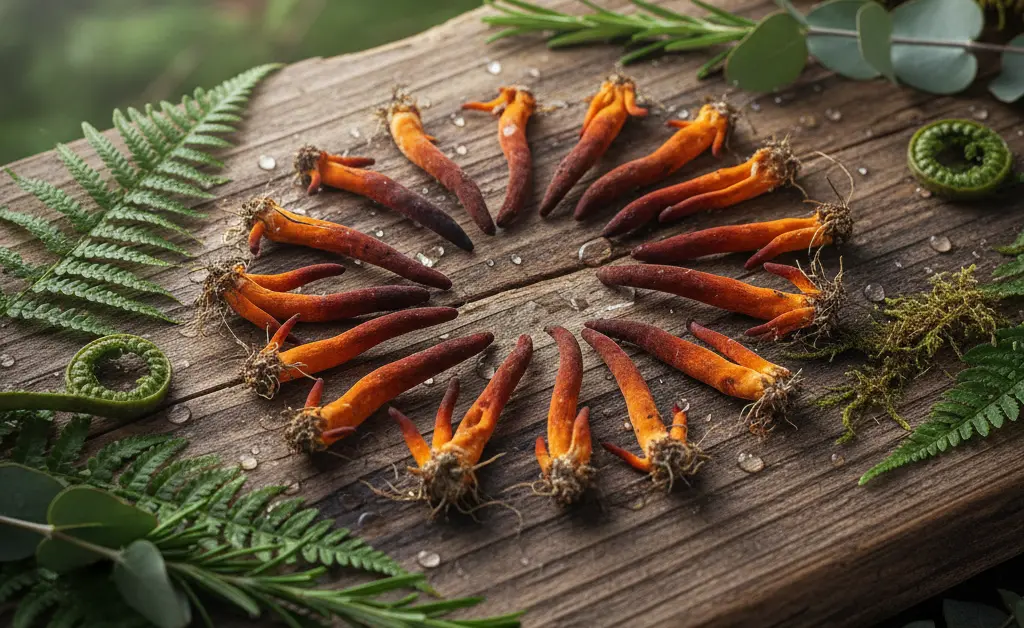
The cordyceps mushroom is a unique genus of parasitic fungi that primarily thrives in the high-altitude regions of the Himalayas and other mountainous areas of Tibet, China, Nepal, and Bhutan. Its natural habitat, often characterized by harsh, cold environments, contributes to its robustness. Traditionally, it was found growing on the larvae of insects, particularly caterpillars, leading to its common nickname “caterpillar fungus.”
Key Species: Cordyceps sinensis and Cordyceps militaris
While many species of Cordyceps exist, two are most recognized for their health benefits: Cordyceps sinensis and Cordyceps militaris. Historically, Cordyceps sinensis was the most sought-after due to its rarity and potent traditional uses. However, its scarcity and ethical concerns regarding wild harvesting have led to the widespread cultivation and study of Cordyceps militaris. This species offers a similar profile of beneficial compounds and is now a popular and sustainable alternative in health supplements. Other beneficial fungi, such as the maitake mushroom, also offer unique health properties.
Cordyceps mushroom life cycle
The life cycle of the wild cordyceps mushroom is truly fascinating and unique. It begins when fungal spores infect an insect host, typically a caterpillar dwelling underground. The mycelium of the fungus then consumes the host from the inside out. As winter approaches and the host dies, a fruiting body, which is the visible “mushroom” part, sprouts from the head of the mummified insect and emerges from the soil. This distinctive growth pattern on an insect host is what makes cordyceps so unusual and historically prized.
Traditional Use and History
The history of the cordyceps mushroom is deeply embedded in traditional Chinese medicine and other ancient Asian healing practices, dating back thousands of years. It was traditionally revered by emperors and aristocrats for its perceived ability to enhance vitality, combat fatigue, and support overall well-being. Early texts describe its use as a tonic for respiratory health, kidney function, and for promoting longevity. Its reputation as an adaptogen, helping the body adapt to stress and maintain balance, has persisted through centuries and continues to be a cornerstone of its appeal today.
Cordyceps Mushroom Benefits

Overview of Health Benefits
The cordyceps mushroom is prized for its adaptogenic properties and broad spectrum of potential health benefits, supported by both traditional use and contemporary research. It contains a rich array of bioactive compounds, including cordycepin, polysaccharides, and adenosine, which are believed to contribute to its diverse effects on the human body. These compounds may interact with various systems to support energy, immunity, and overall physiological balance. For readers seeking a more detailed scientific breakdown of its specific advantages, you can explore our comprehensive guide on cordyceps mushroom benefits. Many adaptogenic fungi, including the reishi mushroom, are also valued for supporting overall physiological balance.
Boosting Energy and Exercise Performance
One of the most widely recognized benefits of cordyceps is its potential to enhance energy levels and improve athletic performance. Studies suggest that it may help the body utilize oxygen more efficiently and support the production of adenosine triphosphate (ATP), the primary energy currency of cells. This can potentially translate to increased endurance, reduced fatigue during exercise, and improved stamina, making it a popular choice among athletes and individuals seeking to boost their physical capabilities.
Supporting Immune Function
The cordyceps mushroom is also traditionally valued for its ability to modulate and support the immune system. Its bioactive compounds are believed to influence immune cells, potentially enhancing the body’s natural defense mechanisms. This adaptogenic support means it may help the immune system respond appropriately to various challenges, contributing to overall resilience and well-being.
Promoting Respiratory Health
In traditional practices, cordyceps has been a staple for promoting respiratory health. It is believed to support lung function and capacity, which may be particularly beneficial for individuals facing respiratory challenges or those seeking to optimize their breathing efficiency. While research is ongoing, the historical use suggests a role in maintaining clear and robust airways.
Antioxidant Properties and Anti-Aging Effects
Rich in antioxidants, cordyceps may help combat oxidative stress in the body. Oxidative stress is a process that can lead to cellular damage and is linked to aging and various chronic conditions. By neutralizing free radicals, the antioxidant properties of cordyceps may support cellular health, potentially contributing to anti-aging effects and promoting overall vitality.
Other Potential Health Applications
Beyond its primary benefits, the cordyceps mushroom is also being studied for several other potential health applications. These include its possible role in supporting kidney function and liver health, its influence on maintaining healthy blood sugar levels, and its traditional use in supporting sexual function and libido. While more research is needed in these areas, the breadth of its traditional applications suggests a wide-ranging impact on health. Another beneficial fungus to explore is the chaga mushroom, known for its unique health properties.
Impact on Brain Function
Emerging research is exploring the potential of cordyceps to support cognitive function. Its adaptogenic qualities and ability to enhance overall vitality may extend to the brain, potentially improving mental clarity, focus, and reducing brain fog. By contributing to improved circulation and cellular health, it may help maintain optimal brain performance.
Cordyceps Mushroom Side Effects and Safety
Potential Risks and Downsides
While the cordyceps mushroom is generally considered safe for most individuals when used appropriately, it is important to be aware of potential risks and downsides. As with any natural substance, individual reactions can vary, and what is beneficial for one person may not be for another. It is always wise to approach new natural supplements with caution.
Common Side Effects
The most commonly reported side effects associated with cordyceps are typically mild and may include digestive upset such as diarrhea, constipation, or abdominal discomfort. Some individuals might also experience a dry mouth or mild nausea. These effects are often transient and may subside as the body adjusts.
Precautions and Warnings
Before incorporating cordyceps into a health regimen, it is advisable to consult with a healthcare professional, especially if you have existing health conditions or are taking other medications. Particular caution is recommended for individuals with autoimmune conditions, as cordyceps may stimulate the immune system, potentially exacerbating symptoms. It is also important to ensure the quality and purity of any supplement to avoid contaminants. For consumers in Europe, information on food safety and supplement guidelines can be found on the EFSA website.
Potential Drug Interactions
Cordyceps may potentially interact with certain medications. For instance, due to its possible immune-modulating effects, it might interfere with immunosuppressant drugs. It could also have an impact on blood sugar levels, necessitating caution for individuals taking diabetes medications. Furthermore, its potential to affect blood clotting may mean it interacts with anticoagulant or antiplatelet drugs. Always discuss any potential interactions with a healthcare provider.
Who Should Avoid Cordyceps?
Certain groups of people should exercise particular caution or avoid cordyceps altogether. Pregnant and breastfeeding individuals are generally advised against using it due to a lack of sufficient safety research in these populations. Children should also avoid cordyceps for similar reasons. Individuals with bleeding disorders or those scheduled for surgery should discontinue its use well in advance due to its potential effects on blood clotting. Anyone with an autoimmune disease should consult their doctor before use.
Cordyceps Mushroom Supplements
Types of Cordyceps Supplements (Powder, Capsule, Extract)
The market offers various forms of cordyceps supplements to suit different preferences and needs. Powders can be easily added to smoothies, teas, or foods. Capsules provide a convenient and pre-measured dose. For a deeper dive into the specific advantages, exploring cordyceps mushroom capsules benefits can be highly informative. Extracts, often liquid or concentrated powders, offer a more potent form of the beneficial compounds. Each type delivers the adaptogenic benefits of cordyceps, allowing consumers to choose the format that best fits their lifestyle.
Adaptogenic Support from Cordyceps Supplements
Cordyceps supplements are highly valued for their adaptogenic properties. As an adaptogen, cordyceps helps the body adapt to various forms of stress, both physical and mental, promoting overall balance and resilience. Regular intake of these supplements may support the body’s natural ability to cope with daily stressors, contributing to enhanced vitality and a sense of well-being.
Recommended Dosage and Forms of Cordyceps
General Dosage Guidelines
Determining the appropriate intake for cordyceps can vary based on the specific product, its concentration, and individual needs. Most supplements provide guidance on their labels, and it is generally recommended to follow these instructions. Starting with a lower amount and gradually increasing it while monitoring your body’s response is often a prudent approach. Consulting with a healthcare professional can help tailor recommendations to your unique health profile.
Best Practices for Consumption
For optimal absorption and benefits, cordyceps is often suggested to be taken consistently over time. It can be consumed with or without food, depending on individual tolerance and preference. Some prefer to take it in the morning to leverage its potential energy-boosting effects throughout the day. Consistency is key to experiencing the cumulative effects of this adaptogenic fungus.
Choosing and Storing Cordyceps Supplements
Factors to Consider When Buying
When choosing a high-quality cordyceps mushroom supplement, several factors warrant consideration. Look for products that specify the species, such as Cordyceps militaris, and indicate whether it’s made from the fruiting body or mycelium, as this can affect the concentration of active compounds. Opt for supplements that are organically grown and free from fillers, artificial ingredients, and heavy metals. Reputable brands often provide transparency about their sourcing and manufacturing processes.
Ensuring Quality and Purity
To ensure you are getting a pure and effective product, look for supplements that have undergone independent third-party testing. This type of verification helps confirm the absence of contaminants and ensures that the active compounds are present in the stated amounts. Certifications such as USDA Organic, Non-GMO Project Verified, or compliance with Good Manufacturing Practices (GMP) can serve as additional indicators of quality and safety. It is also wise to review customer feedback and research the brand’s reputation for transparency in sourcing and production. Choosing products from reliable and reputable suppliers plays a key role in maintaining quality, purity, and overall effectiveness.
Proper Storage Methods
Proper storage is essential to maintain the potency and shelf life of your cordyceps supplements. They should generally be kept in a cool, dark, and dry place, away from direct sunlight, heat, and moisture, which can degrade the active compounds. Ensure the container is tightly sealed after each use to prevent exposure to air and humidity. Following the storage instructions provided on the product label will help preserve the quality of the supplement.
Cordyceps Mushroom Recipes
Incorporating the cordyceps mushroom into culinary dishes can be an intriguing way to enjoy its potential benefits. While typically consumed as a supplement, powdered cordyceps can be added to various recipes. It has a mild, earthy flavor that blends well with many foods. Consider adding a small amount to your morning smoothie for an energy boost, blending it into hot beverages like tea or coffee, or stirring it into soups and broths for an an added nutritional dimension. Some people also enjoy infusing cordyceps into savory dishes, stews, or even oatmeal. Always ensure that the cordyceps product you are using is safe for culinary consumption and follow any recommended guidelines for its use in food.
The cordyceps mushroom stands as a testament to nature’s profound ability to offer support for human health. From its fascinating parasitic origins in the high altitudes to its revered status in traditional medicine, this unique fungus continues to captivate researchers and wellness enthusiasts alike. Its potential to boost energy, enhance exercise performance, support immune function, and offer a range of other benefits makes it a compelling adaptogen for those seeking to optimize their vitality. As with any health regimen, making informed choices and consulting with healthcare professionals ensures the safest and most effective integration of the cordyceps mushroom into your daily life.
This article is meant for general informational use and awareness. It is not intended to provide medical advice, diagnosis, or treatment. Always consult with a qualified healthcare professional before making any decisions about your health or starting any new supplement regimen. Individual results may vary, and the information presented here should not be used as a substitute for professional medical guidance.
FAQ
— What is cordyceps good for?
The cordyceps mushroom has been studied for its potential to support energy and stamina, particularly in relation to physical activity. It is also explored for its role in maintaining overall vitality and supporting immune function.
— What are the side effects of cordyceps?
Some individuals report mild digestive upset, such as diarrhea or stomach discomfort, when first introducing cordyceps. Occasionally, a dry mouth or slight nausea has also been mentioned.
— Is cordyceps safe to take daily?
Generally, cordyceps is considered well-tolerated for daily consumption, especially when used within typical recommended ranges. Its long history of traditional use further supports its general safety profile for regular intake.
— Who should avoid cordyceps?
Individuals with autoimmune conditions or those on immunosuppressant medications should exercise caution and consult a healthcare professional before use. Additionally, pregnant or breastfeeding individuals are typically advised to seek medical guidance due to a lack of sufficient research in these populations.
— Where does cordyceps come from?
Historically, cordyceps was primarily found in the high-altitude regions of the Himalayas and other mountainous areas of Asia, growing parasitically on insect larvae. Today, much of the cordyceps available is cultivated in controlled environments using specific fungal strains.
— What is the difference between Cordyceps sinensis and militaris?
Cordyceps sinensis is the species traditionally found growing on specific insect larvae in the wild, known for its unique lifecycle and rarity. In contrast, Cordyceps militaris is often cultivated on grain substrates, allowing for more sustainable production and a higher concentration of certain bioactive compounds like cordycepin.
— How long does it take for cordyceps to work?
The effects of functional mushrooms like cordyceps typically accumulate over time, rather than providing an immediate sensation. Most people find that consistent daily use over several weeks is when they may start to notice subtle shifts in their well-being.
— What does cordyceps taste like?
Cordyceps generally has a mild, earthy, and slightly savory taste, often described as subtly mushroom-like without being overpowering. When incorporated into beverages or foods, its flavor tends to blend in well, offering a neutral or slightly umami note.