

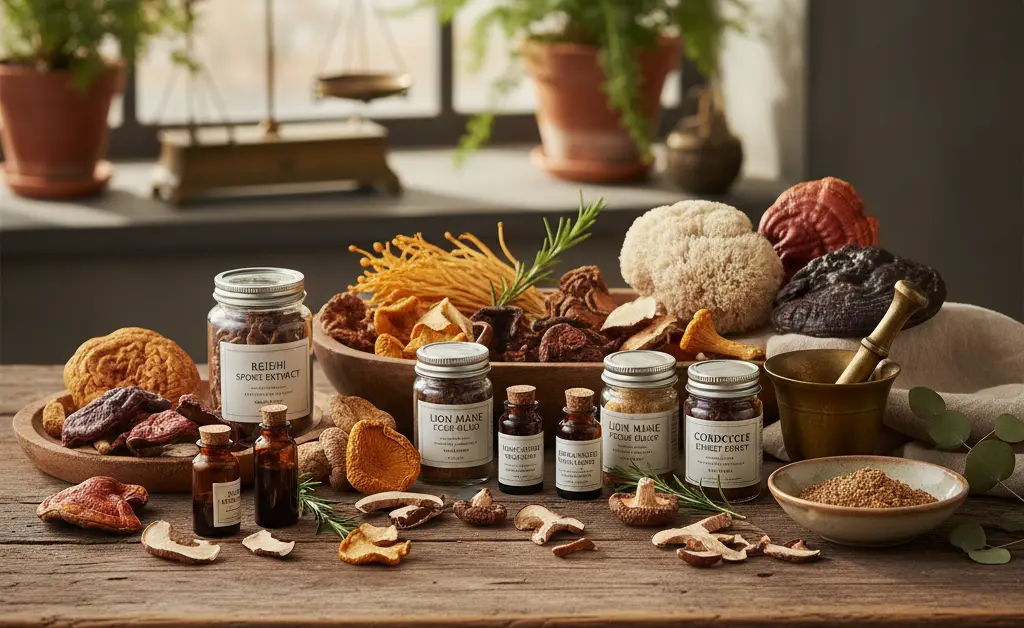
Imagine a world where ancient wisdom meets modern wellness, offering a straightforward path to support your well-being. Many are naturally curious about natural health solutions, seeking ways to enhance their vitality and fortify their body’s defenses. This growing interest often leads to exploring remedies rooted in centuries of traditional practice. In recent years, the spotlight has increasingly turned to fungi, revered across various cultures for their unique properties. This guide aims to demystify the world of mushroom supplements, exploring their diverse forms, potential advantages, and important considerations. We will delve into what makes these botanical allies so intriguing, helping you navigate their complexities with confidence and clarity.
What Are Mushroom Supplements?
Mushroom supplements are concentrated forms of various fungi, often referred to as medicinal mushrooms or functional mushrooms, which are consumed for their potential health-supporting properties. These supplements harness the bioactive compounds found within mushrooms, making them accessible in convenient forms. Many individuals seek natural supplements for various health goals. Unlike culinary mushrooms used primarily for their taste and nutritional value, medicinal mushrooms are valued for their specific compounds that may interact with bodily systems to promote wellness.
Defining Mushroom Supplements: Dried Mushrooms vs. Extracts
The fundamental distinction in mushroom supplements lies between dried, powdered mushrooms and concentrated extracts. Dried mushroom supplements typically involve grinding the entire dried mushroom (fruiting body and sometimes mycelium) into a fine powder. While this provides the full spectrum of compounds in their natural proportions, the bioavailability and concentration of specific active compounds may be lower. Mushroom extracts, on the other hand, undergo a process, usually involving hot water or alcohol, to isolate and concentrate the beneficial constituents. This results in a more potent product, where key compounds are more readily available for the body to utilize. Organic mushroom extracts are particularly valued for ensuring purity and potency without unwanted contaminants.
Understanding Potency and Active Compounds
The efficacy of mushroom supplements is directly linked to their potency, which is determined by the concentration of their active compounds. These bioactive molecules include a wide array of substances such as polysaccharides, triterpenes, glycoproteins, and ergosterols. Each mushroom species possesses a unique profile of these compounds, contributing to its distinct traditional uses and potential health benefits. Reputable manufacturers often standardize their extracts to guarantee a consistent level of these key active compounds, ensuring that consumers receive a product with predictable strength and quality.
Understanding Beta-Glucans and Polysaccharides
Among the most studied active compounds in fungi are beta-glucans and polysaccharides. Polysaccharides are complex carbohydrates, and beta-glucans are a specific type of polysaccharide, primarily 1,3-1,6 beta-glucans, known for their potential immune support properties. These compounds are believed to interact with immune cells, potentially modulating immune responses. While all beta-glucans are polysaccharides, not all polysaccharides are beta-glucans. For example, some polysaccharides found in mushroom products may be from grain substrates used to grow mycelium, which do not offer the same beneficial effects as fungal beta-glucans. Therefore, understanding the distinction is crucial when evaluating the quality and potential benefits of mushroom supplements.
Benefits of Mushroom Supplements
The array of potential benefits associated with mushroom supplements is extensive, reflecting centuries of traditional use and growing modern research. Studies often contribute to our understanding of these compounds, as detailed by institutions like the NIH. Many medicinal mushrooms are recognized as adaptogens, substances that may help the body adapt to various stressors and maintain balance. For instance, Reishi mushroom uses have traditionally been associated with stress relief and promoting restful sleep. Cordyceps for energy is a popular contemporary application, as it is studied for its potential to support stamina and vitality. Lion’s Mane mushroom benefits are often linked to cognitive function and nerve support, making Lion’s Mane cognition a key area of interest.
Beyond these specific examples, various mushroom supplements are explored for their natural immune support, owing to their rich content of beta-glucans and other immunomodulating compounds. Chaga is often cited for its potent antioxidant properties, which help combat oxidative stress in the body. Other potential benefits explored include support for digestion, healthy inflammation responses, and overall cellular wellness. These health benefits underscore why mushroom supplements are gaining popularity as a natural approach to holistic well-being.
Types of Mushroom Supplements
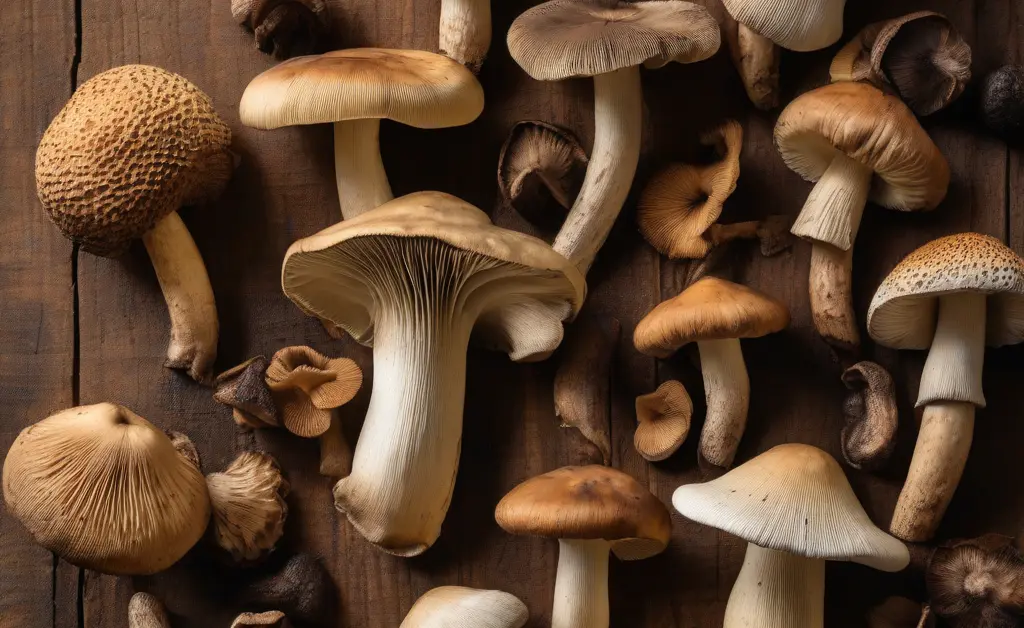
The market for mushroom supplements offers a wide variety, each with unique characteristics related to the mushroom source, preparation method, and intended use. Understanding these distinctions is key to choosing a product that aligns with individual wellness goals.
best fruiting body mushroom supplements
When selecting mushroom supplements, many experts and consumers prioritize those derived from the fruiting body of the mushroom. The fruiting body is the visible, above-ground portion of the mushroom, which is often considered to contain the highest concentration of beneficial compounds, such as beta-glucans and triterpenes. Supplements made exclusively from the fruiting body are often seen as more potent and authentic representations of the mushroom’s therapeutic potential. These products typically undergo careful processing to preserve the integrity and bioavailability of their active constituents.
Fruiting Body vs. Mycelium: What to Look For
A critical distinction in mushroom supplements is between products made from the fruiting body and those derived from mycelium. Mycelium is the root-like, vegetative network of the fungus, which is often cultivated on grain substrates like rice or oats. While mycelium does contain beneficial compounds, supplements made from mycelium grown on grain can contain significant amounts of the grain substrate itself, diluting the concentration of actual mushroom compounds. Fruiting body supplements, in contrast, typically offer a higher potency of desired compounds and are considered by many to be a superior choice for mushroom supplements benefits. Always check the supplement label to determine whether the product uses fruiting body, mycelium, or a blend of both, and look for transparency regarding the extraction process and active compound concentrations.
Commonly Used Medicinal Mushrooms
Several species of medicinal mushrooms are widely used in supplements due, in part, to their distinct health benefits and long histories of traditional use:
- Reishi (Ganoderma lucidum): Known as the “mushroom of immortality,” Reishi is a well-regarded adaptogen, often used for stress relief, immune support, and promoting calm.
- Chaga (Inonotus obliquus): This fungus grows on birch trees and is prized for its high antioxidant content, traditionally used for immune support and overall vitality.
- Cordyceps (Cordyceps sinensis/militaris): Often sought after by athletes, Cordyceps is traditionally used to support energy, stamina, and respiratory health.
- Lion’s Mane (Hericium erinaceus): Recognized for its unique appearance, Lion’s Mane is studied for its potential to support cognitive function, nerve health, and memory.
- Turkey Tail (Trametes versicolor): Named for its colorful, fan-like appearance, Turkey Tail is a powerhouse for immune support, containing various polysaccharides and beta-glucans.
- Shiitake (Lentinula edodes): Beyond its culinary appeal, Shiitake is valued for its immune-modulating properties and cardiovascular support.
- Maitake (Grifola frondosa): Also known as “Hen of the Woods,” Maitake is traditionally used for immune support and healthy blood sugar regulation.
Single Mushroom Formulas vs. Complex Blends
Mushroom supplements are available either as single-species formulas or as complex blends. Single mushroom formulas focus on the specific benefits of one particular mushroom, allowing users to target specific concerns, such as Lion’s Mane for cognition or Reishi for stress. Complex blends, on the other hand, combine multiple medicinal mushrooms and sometimes other adaptogenic herbs or functional ingredients to offer a broader range of benefits or synergistic effects. These blends are designed to provide comprehensive support for general wellness, immunity, or energy. The choice between a single formula and a blend often depends on individual health goals and preferences.
Extraction Methods: Hot Water vs. Dual Extraction
The method of extraction significantly impacts the bioavailability and spectrum of compounds in mushroom extracts. Hot water extraction is the most common method, effectively drawing out water-soluble compounds like polysaccharides and beta-glucans. This method is suitable for many mushrooms. However, some valuable compounds, such as triterpenes (found abundantly in Reishi), are not water-soluble. For these compounds, dual extraction, which involves both hot water and an alcohol extraction process, is necessary. Dual extraction ensures a full spectrum of both water-soluble and alcohol-soluble compounds, providing a more comprehensive profile of the mushroom’s beneficial constituents. Understanding the extraction method is crucial for assessing the quality and efficacy of mushroom supplements.
Potential Risks and Side Effects
While mushroom supplements are generally considered safe for most individuals, it is important to be aware of potential risks and side effects. As with any natural product, individual responses can vary. Some people may experience mild adverse reactions, especially when first introducing these supplements into their routine. Adhering to recommended guidelines and observing your body’s response is always a prudent approach.
Potential for Digestive Discomfort
One of the most commonly reported side effects associated with mushroom supplements is mild digestive discomfort. This can manifest as bloating, gas, stomach upset, or changes in bowel movements. These symptoms are often temporary and may subside as the body adjusts to the supplement. Starting with a lower amount and gradually increasing it may help minimize these effects. If digestive issues persist or become severe, it is advisable to discontinue use.
When to Consult a Healthcare Professional
It is always recommended to consult a healthcare professional before starting any new supplement, including mushroom supplements, especially if you have pre-existing health conditions, are pregnant or breastfeeding, or are taking other medications. Certain medicinal mushrooms may interact with prescription drugs, such as blood thinners or immunosuppressants. A healthcare provider can offer personalized advice, assess potential contraindications, and help determine if mushroom supplements are appropriate for your specific health situation. They can also guide you on the appropriate choices and monitor for any allergic reactions or adverse effects.
Choosing and Using Mushroom Supplements

Selecting the right mushroom supplements involves careful consideration of several factors, from the form of the supplement to its quality and how to interpret product labels. Making informed choices ensures that you are getting a product that is both effective and safe. Many consumers often begin their search for mushroom supplements amazon, seeking a wide variety of options.
Available Forms: Pills, Powders, Teas, Gummies, and More
Mushroom supplements come in a variety of convenient forms, catering to different preferences and lifestyles. Common options include mushroom supplements capsules (pills), which offer precise amounts and ease of consumption. Powders are versatile and can be mixed into smoothies, coffee, or other beverages. Liquid extracts, or tinctures, provide a concentrated form that can be taken directly or added to drinks. Additionally, mushroom teas, gummies, and even coffee alternatives infused with mushroom extracts are available, making it easier to integrate these beneficial fungi into daily routines. The best form depends on factors like bioavailability, personal preference, and convenience.
Importance of Third-Party Testing and Certifications
The purity, potency, and safety of mushroom supplements are paramount. To ensure high quality, look for products that have undergone third-party testing. This independent verification confirms that the product contains the stated active compounds, is free from contaminants like heavy metals, pesticides, and microbial impurities, and matches what is advertised on the label. Certifications, such as organic or non-GMO, also indicate a commitment to quality and responsible sourcing. Transparent manufacturers will often provide certificates of analysis (COAs) upon request, demonstrating their adherence to strict quality control standards.
How to Read a Supplement Label
Understanding a mushroom supplement label is crucial for making an informed purchase. Key information to look for includes:
- Mushroom Part: Verify if the supplement uses fruiting body, mycelium, or both. As discussed, fruiting body is often preferred for higher concentrations of beneficial compounds.
- Extraction Method: Note whether it’s a hot water extract, dual extract, or simply a dried powder. This indicates the spectrum of compounds present.
- Standardization: Look for percentages of active compounds, particularly beta-glucans, to confirm potency.
- Ingredients List: Check for fillers, artificial ingredients, or undisclosed grain content if mycelium is used.
- Origin and Sourcing: Reputable brands are transparent about where their mushrooms are grown and harvested.
- Certifications: Look for organic, non-GMO, or third-party tested seals.
A well-informed consumer can effectively navigate the choices and select the most appropriate mushroom supplements for their health goals.
Historical and Traditional Use of Medicinal Mushrooms
The use of medicinal mushrooms is far from a new trend; it is deeply rooted in ancient wisdom and traditional medicine systems across the globe. For thousands of years, various cultures have revered certain fungi not only as food but as powerful herbal remedies for supporting health and wellness. Traditional Chinese Medicine (TCM), for instance, has extensively documented the therapeutic properties of mushrooms like Reishi, Cordyceps, and Shiitake, prescribing them for a wide array of conditions ranging from immune support to stress management. These fungi were often consumed as teas, tinctures, or powdered forms, much like some contemporary mushroom supplements. Similarly, indigenous cultures in Siberia, parts of Europe, and North America utilized mushrooms like Chaga for their perceived adaptogenic and antioxidant properties. This long history of traditional use highlights the enduring efficacy and cultural significance of medicinal mushrooms, laying the groundwork for modern scientific investigation into their health-supporting capabilities. Their role as natural allies in promoting longevity and vitality has been a consistent theme throughout human history.
In conclusion, the world of mushroom supplements offers a fascinating avenue for supporting overall wellness, drawing upon both ancient wisdom and modern scientific understanding. With a diverse range of types, forms, and potential health benefits, these functional fungi present intriguing options for those seeking natural support for immunity, cognitive function, stress relief, and energy. By understanding the distinctions between fruiting body and mycelium, appreciating the role of extraction methods, and prioritizing third-party tested products, consumers can make informed decisions. While generally well-tolerated, it is always wise to consult with a healthcare professional, especially when considering mushroom supplements alongside existing health conditions or medications, to ensure safe and effective integration into your personal wellness journey.
While this article discusses health-related topics, it does not provide medical guidance. It is intended for informational purposes only and should not be considered a substitute for professional medical advice, diagnosis, or treatment. Always consult with a qualified healthcare professional before making any decisions about your health or starting any new supplement regimen, especially if you have pre-existing health conditions or are taking other medications. Individual responses to supplements may vary, and results are not guaranteed.
FAQ
— What are the main benefits of taking mushroom supplements?
Functional mushrooms are recognized for their diverse compounds, which are studied for their potential to support various bodily systems. Many varieties are known for their adaptogenic properties, helping the body manage stress, while others are linked to immune system modulation. Additionally, some mushrooms play a role in supporting cognitive function and overall vitality.
— What are the different types of mushroom supplements available?
A wide array of functional mushrooms are utilized in supplements, including well-known varieties like Reishi, Lion’s Mane, Cordyceps, Chaga, and Turkey Tail. These are often available in forms such as powders, capsules, tinctures, and even integrated into beverages like coffee or tea. Each type of mushroom is characterized by a unique profile of bioactive compounds, contributing to their distinct traditional uses.
— Are mushroom supplements safe to take daily?
For most individuals, incorporating functional mushrooms into a daily routine is generally considered appropriate. However, it is always important to acknowledge individual physiological responses and potential interactions with other substances. Consulting a qualified healthcare professional is advisable, especially for those with existing health conditions or who are taking medications, to ensure suitability.
— What are the potential side effects of mushroom supplements?
While generally well-tolerated, some individuals might experience mild digestive upset or allergic reactions when beginning mushroom supplementation. The specific bioactive compounds in different mushrooms can influence how an individual reacts. If any unusual symptoms occur, it is prudent to discontinue use and seek professional guidance.
— How do I choose the best mushroom supplement?
Selecting a high-quality functional mushroom supplement involves looking for products that specify the mushroom part used, such as the fruiting body, and detail extraction methods. Transparency in sourcing and third-party testing for purity and potency are also crucial indicators of a reputable product. Understanding the specific benefits associated with different mushroom varieties can further guide your choice.
— What is the difference between mushroom extract and mushroom powder?
Mushroom extracts, often found in mushroom supplements, are concentrated forms created by processing the mushrooms, typically using hot water or alcohol, to isolate and concentrate beneficial compounds like beta-glucans. In contrast, mushroom powders are simply dried and ground whole mushrooms, containing the full spectrum of the mushroom’s components, albeit in a less concentrated form. The extraction process aims to make specific compounds more bioavailable and potent.
— How long does it typically take to notice effects from mushroom supplements?
The timeframe for experiencing effects from functional mushrooms can vary significantly among individuals, influenced by factors such as metabolism, overall health status, and consistency of use. Many people report noticing subtle changes after several weeks of regular intake, rather than immediate dramatic shifts. Consistency in incorporating these into one’s wellness routine is often emphasized for observing their supportive actions over time.







