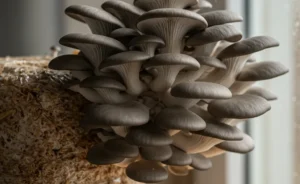
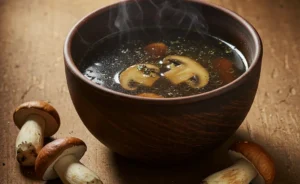
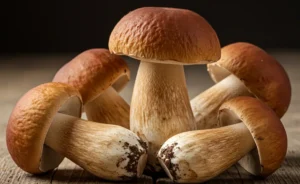
A simple, practical fact about king oyster mushrooms is their remarkable texture and umami flavor, making them a favorite among chefs and home cooks alike. These versatile fungi are not only delicious but also offer a unique culinary experience, often described as meaty and satisfying. Cultivating them at home provides a fresh supply, ensuring peak flavor and nutritional value. For those eager to explore mycology without extensive prior experience, utilizing a specialized setup can significantly simplify the process. This guide delves into everything you need to know about successfully using a king oyster mushroom growing kit, transforming your kitchen into a miniature farm. We will cover selection, setup, care, and harvesting techniques, empowering you to enjoy these gourmet mushrooms year-round with ease.
Understanding and Types of King Oyster Mushroom Growing Kits
What is a King Oyster Mushroom Growing Kit?
A king oyster mushroom growing kit provides a convenient and accessible way for enthusiasts to cultivate these prized fungi at home. Typically, such a kit consists of a prepared substrate, often in the form of a fruiting block or grow block, that has already been inoculated with king oyster mushroom mycelium. This pre-colonized growth medium eliminates the complex initial stages of mushroom cultivation, such as spore inoculation and spawn preparation, making the process much more straightforward for beginners. The ready-to-fruit nature of these kits means they are designed to produce mushrooms with minimal effort from the user, primarily requiring adherence to basic environmental conditions.
Benefits of Using a Ready-to-Grow Kit
Opting for a ready-to-grow kit offers numerous advantages, particularly for those new to mycology or with limited time. The primary benefit is the significantly reduced learning curve, as the most intricate steps of cultivation have already been handled by the producer. This ensures a higher likelihood of success and a more consistent yield of gourmet mushrooms. Furthermore, kits provide a controlled environment, protecting the developing mycelium from common contaminants and simplifying the indoor cultivation process. Users can enjoy fresh, flavorful king oyster mushrooms without investing in extensive equipment or specialized knowledge about spores or spawn.
Indoor vs. Outdoor Kit Varieties
While most king oyster mushroom growing kit options are designed for indoor cultivation due to their need for specific temperature and humidity ranges, some varieties may be adaptable for outdoor use in suitable climates. Indoor kits typically come in a compact form, ideal for kitchen counters or shelving, and require consistent monitoring of their immediate environment. Outdoor kits, if available for king oyster mushrooms, would usually entail burying a prepared block in a shaded, moist garden bed, relying on ambient conditions. However, the king trumpet mushroom, or eryngii, generally thrives better in controlled indoor settings provided by specialized kits.
Organic vs. Standard Kit Options
When selecting a king oyster mushroom growing kit, consumers can often choose between organic and standard options. Organic kits utilize substrates composed of materials that have been certified organic, meaning they are free from synthetic pesticides, fertilizers, and genetically modified organisms. These kits appeal to those who prioritize sustainable and natural cultivation practices. The importance of natural and organic produce for health can be further explored through resources like the National Institutes of Health (NIH). Standard kits, while still effective, may use conventionally sourced substrate materials. Both types aim to provide a healthy growth medium for the mycelium, but the organic designation guarantees adherence to specific environmental and agricultural standards.
King Oyster Mushroom Ready-To-Grow Kit
A king oyster mushroom ready-to-grow kit streamlines the entire cultivation experience. These kits arrive at a stage where the mycelium has fully colonized the substrate, poised to begin the fruiting process once activated. This convenience is paramount for home growers who want to enjoy fresh mushrooms without the extensive waiting period associated with starting from scratch. Such a kit typically requires minimal preparation—often just opening a vent or making a cut in the bag—before being placed in suitable environmental conditions to initiate pinning and subsequent mushroom development.
Choosing and Buying Your King Oyster Mushroom Growing Kit
King oyster mushroom growing kit price
The price of a king oyster mushroom growing kit can vary depending on several factors, including the size of the kit, whether it’s USDA-certified organic, the reputation of the supplier, and any additional accessories included. Larger kits designed for multiple flushes or those offering premium organic substrates typically command a higher price point. While cost is a consideration, investing in a reputable kit often pays off in terms of higher yield and a more successful cultivation experience. It’s advisable to compare different options to find a kit that aligns with both your budget and your cultivation goals.
Factors to Consider Before Buying
Before purchasing a king oyster mushroom growing kit, several factors should guide your decision. Researching the reputation of the kit supplier is crucial, as some brands offer more reliable products and better customer support. Evaluate the type of substrate used, as this can influence both the yield and the specific care requirements. Consider the expected yield mentioned by the manufacturer and if the kit is designed for multiple harvest cycles. Additionally, check if the kit includes any essential accessories, such as a misting bottle or humidity tent, which can greatly assist with maintaining optimal growing conditions. Finally, ensure the kit is appropriate for a beginner if you’re new to mushroom cultivation.
King Oyster Mushroom Growing Kit Review
King Oyster Mushroom Kit
Many reviews of a typical king oyster mushroom kit highlight its user-friendliness and the satisfying experience of growing gourmet mushrooms at home. Users often praise the simplicity of the setup process, noting that initial colonization is usually robust within a well-prepared fruiting block. A good king oyster mushroom kit should demonstrate vigorous mycelial growth and reliable pinning when introduced to proper environmental conditions. Feedback frequently focuses on the clarity of the cultivation guide provided and the overall quality of the mushrooms produced, emphasizing their texture and flavor, often described as meaty or umami-rich.
Best king oyster mushroom growing kit
Identifying the “best” king oyster mushroom growing kit often comes down to a combination of factors that cater to individual grower needs and preferences. Top-rated kits are typically characterized by a high success rate in producing mushrooms, a substantial oyster mushroom yield over multiple flushes, and minimal issues with contamination prevention. The best kits usually come with comprehensive, easy-to-understand growing instructions and sometimes include supplementary tools like a humidity tent or misting bottle, which enhance the indoor cultivation process. Ultimately, the best kit offers a rewarding experience, transforming a simple grow block into several delicious harvests of eryngii mushrooms.
Guide to Using and Growing King Oyster Mushroom Kits
King Oyster Mushroom Kit Growing Instructions
Successfully growing king oyster mushrooms with a kit involves a few key steps that ensure optimal development. While specific instructions may vary slightly by manufacturer, the general process begins with preparing and activating your kit. This typically involves opening the kit according to package directions, often by making small cuts or removing a section of the plastic bag to expose the mycelium to air. Following this, the kit needs to be placed in an environment that meets the specific temperature, humidity, and light requirements for king oyster mushroom cultivation. Regular misting and proper air exchange are crucial throughout the growth cycle to encourage healthy pinning and mushroom development.
Kit Preparation and Activation
The initial preparation and activation are critical for initiating the fruiting process of your king oyster mushroom growing kit. Upon receiving your kit, carefully read all enclosed instructions. Most kits require you to either cut an opening in the plastic packaging or remove a portion of it. This action serves to introduce fresh air and signal to the mycelium that it’s time to fruit. Some kits might recommend an initial hydration step, such as soaking the grow block, to ensure sufficient moisture for the first flush. Once activated, the kit should be moved to its designated growing location where stable conditions can be maintained.
Initial Setup and Placement
Choosing the right location for your king oyster mushroom growing kit is paramount for its success. An ideal spot offers indirect light—never direct sunlight—and stable temperatures within the recommended range for king oyster mushroom cultivation. A kitchen counter or a shelf away from direct drafts or heat sources often works well for indoor cultivation. Proper air circulation is also essential, so avoid enclosed spaces without any ventilation. Some growers use a simple humidity tent to create a microclimate around the kit, helping to maintain the high humidity levels necessary for robust growth and pinning.
Optimal Conditions for King Oyster Kit Cultivation
Temperature and Humidity Management
Optimal growth of king oyster mushrooms from a kit largely depends on precise temperature and humidity management. These oyster mushroom growing conditions are crucial for successful cultivation. King oyster mushrooms, also known as eryngii, generally thrive in moderate temperatures during the fruiting phase, typically cooler than room temperature but not cold. Consistent high humidity is even more critical; many kits recommend maintaining relative humidity levels above a certain threshold to prevent the substrate from drying out and to encourage healthy mushroom development. Using a humidity tent or regularly misting the kit with a clean water bottle can help create and sustain these essential moist conditions.
Light Requirements and Air Exchange
While mushrooms don’t photosynthesize like plants, king oyster mushroom kits still require some light to help with proper cap formation and growth direction. Indirect ambient light, similar to what you’d find in a well-lit room but away from direct sun exposure, is ideal. More crucial than intense light, however, is adequate air exchange. Mushrooms “breathe” oxygen and release carbon dioxide, and without proper ventilation, CO2 can build up, leading to stunted growth, long stems, and small caps. Ensuring good air circulation around your fruiting block, either through passive ventilation or occasional fanning, is vital for robust and healthy yields.
Harvesting King Oyster Mushrooms and Subsequent Flushes
Identifying Ready-to-Harvest Mushrooms
Knowing when to harvest king oyster mushrooms from your kit is key to enjoying their best texture and flavor. Typically, king oyster mushrooms are ready when their caps have flattened slightly and their stems are firm and thick. The gills under the cap should be clearly visible but not yet fully open and dropping spores. Harvesting at this stage ensures the mushrooms are at their peak culinary quality, offering a firm, meaty texture. Waiting too long can result in tough or less flavorful mushrooms and can impact subsequent yields from the grow block.
Techniques for Multiple Yields
Many king oyster mushroom growing kits are designed to produce multiple yields, often referred to as “flushes.” After the first harvest, the mycelium needs a period of rest and rehydration to prepare for the next flush. This usually involves thoroughly rehydrating the grow block by soaking it in cold water for several hours or overnight, then returning it to its optimal growing conditions. Some kits may require minor adjustments to the opening or additional care to encourage the next harvest cycle. Patience is key, as subsequent flushes may take a bit longer to appear and might produce slightly smaller yields, but they offer a continued supply of fresh, gourmet mushrooms.
Troubleshooting Common King Oyster Kit Growing Issues
Preventing Contamination
Contamination is one of the most common issues faced by mushroom growers, and while a king oyster mushroom growing kit is designed to minimize this risk, vigilance is still important. A clean growing environment is crucial; ensure surfaces and any tools used (if applicable) are sanitized. Avoid touching the exposed mycelium directly. Signs of contamination can include unusual colors (green, black, or blue mold), unpleasant odors, or abnormal growth patterns. If contamination is localized, some growers attempt to carefully remove the affected area, but often, severe contamination means the fruiting block may no longer be viable for safe consumption or further flushes.
Addressing Slow Growth or No Pinning
If your king oyster mushroom kit is experiencing slow growth or failing to produce pins (the tiny mushroom primordia), it’s often an indication that one or more environmental conditions are not optimal. First, re-evaluate the temperature and humidity levels; ensure they fall within the recommended range for king oyster mushroom cultivation. Insufficient humidity is a frequent culprit for no pinning. Second, check your air exchange; too much trapped carbon dioxide can inhibit pin formation and growth, so increasing ventilation can often stimulate activity. Lastly, ensure the kit is receiving adequate, indirect light. Adjusting these parameters one by one can often resolve the issue and encourage your king oyster mushroom growing kit to spring to life. Understanding the entire oyster mushroom growth cycle can help in resolving these issues.
Cultivating king oyster mushrooms at home using a specialized kit is a rewarding endeavor that brings the joy of fresh, gourmet fungi to your kitchen. By carefully selecting the right kit and adhering to optimal growing conditions—including proper temperature, humidity, light, and air exchange—even novice growers can achieve successful harvests. Understanding how to manage these variables and troubleshoot common issues ensures a continuous supply of these delicious, versatile mushrooms. Embrace the simple elegance of home cultivation and enjoy the unique texture and flavor that king oyster mushrooms bring to any dish.
Readers should understand that this article does not offer medical diagnosis or treatment. The content provided is for informational purposes only and is not intended to be a substitute for professional medical advice, diagnosis, or treatment. Always seek the advice of your physician or other qualified health provider with any questions you may have regarding a medical condition. Never disregard professional medical advice or delay in seeking it because of something you have read in this article.
FAQ
— How long do king oyster mushroom kits take to fruit?
King oyster mushroom kits typically begin to fruit within one to two weeks after activation. The exact timing can vary, influenced by environmental factors such as humidity, temperature, and fresh air exchange. Consistent conditions play a significant role in encouraging a timely harvest.
— Can you grow king oyster mushrooms outdoors with a kit?
While it’s possible under specific, controlled outdoor conditions that mimic their preferred environment, most kits are designed for indoor use. Outdoors, maintaining the consistent humidity, temperature, and protection from pests needed for successful fruiting can be quite challenging. Success outdoors largely depends on having a dedicated, sheltered setup.
— Do king oyster mushroom growing kits need light?
King oyster mushrooms do require some light, though not for photosynthesis like plants. Light exposure signals the mycelium to initiate fruiting and helps the mushrooms orient themselves as they grow, developing into their characteristic shape. Indirect, ambient light is usually sufficient.
— What temperature is best for king oyster mushrooms grown from a kit?
King oyster mushrooms generally thrive in cooler temperatures for fruiting, typically preferring a range between 55 to 65 degrees Fahrenheit. Maintaining this consistent temperature is crucial for proper pin formation and healthy mushroom development. Fluctuations can impede growth.
— How do you activate a king oyster mushroom growing kit?
Activating a king oyster mushroom growing kit generally involves creating the optimal conditions for mycelial growth to transition into fruiting. This typically means introducing fresh air, maintaining high humidity, and providing appropriate light exposure to stimulate the pinning process. Careful management of these factors encourages the development of mushroom pins.
— Can you reuse a king oyster mushroom growing kit?
Yes, many king oyster mushroom kits are capable of producing multiple “flushes” or harvests. After the initial harvest, providing a brief rest period and re-optimizing environmental conditions can often encourage a second or even third round of growth, although yields typically diminish with each subsequent flush as the nutrients are depleted.