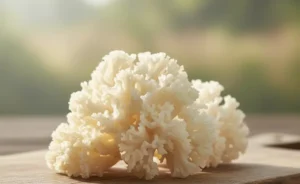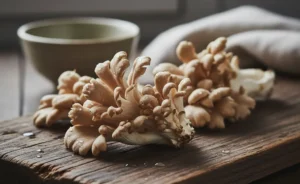

Just last week, while experimenting with a new vegan stir-fry recipe, I eagerly added a generous portion of freshly harvested oyster mushrooms. They cooked beautifully, lending a delicate, savory note to the dish, and the meal was delightful. However, a few hours later, I started feeling a mild unease in my stomach, accompanied by a slight digestive upset. This experience, while minor, served as a personal reminder that even widely enjoyed ingredients can sometimes trigger unexpected physiological responses. While oyster mushrooms are celebrated globally for their unique texture, delicate flavor, and impressive nutritional profile, it is crucial for enthusiasts and new consumers alike to understand the potential oyster mushroom side effects that can occur, ensuring a safe and pleasant culinary experience for everyone.
Are Oyster Mushrooms Safe to Eat?
Generally, oyster mushrooms are widely regarded as safe for consumption and are a popular choice in cuisines worldwide. They are commonly cultivated and readily available, known for their tender texture and mild, savory flavor. For most individuals, incorporating oyster mushrooms into their diet presents no issues and can even offer various nutritional benefits. However, like many other foods, certain individuals may experience oyster mushroom side effects due to personal sensitivities or other contributing factors. Understanding the general tolerability and potential risks is key to safe enjoyment.
Oyster Mushroom Side Effects: What to Know
While generally well-tolerated, awareness of potential adverse reactions is important for any consumer of oyster mushrooms. These side effects can range from mild digestive disturbances to more pronounced allergic responses, depending on individual factors and the circumstances of consumption. Knowing what to look for can help individuals make informed choices about their diet.
Common Gastrointestinal Symptoms
The most frequently reported oyster mushroom side effects are related to the digestive system. These can include common gastrointestinal symptoms such as mild digestive upset, abdominal pain, bloating, or diarrhea. Often, these symptoms are attributed to the mushroom’s fiber content, which can be challenging for some digestive systems, especially when consumed in large quantities or by individuals unaccustomed to high-fiber foods. In rare instances, particularly with improperly stored or contaminated mushrooms, more severe food poisoning symptoms may occur.
Other Adverse Reactions
Beyond digestive issues, some individuals may experience other adverse reactions. These could manifest as mild headaches or a feeling of dizziness. These types of reactions are less common than gastrointestinal issues and might be linked to individual sensitivities rather than a widespread effect. It is important to differentiate these from more severe allergic responses.
Severe or Rare Outcomes
While uncommon, severe oyster mushroom side effects can occur. These often stem from a pronounced allergic reaction, which can involve symptoms like skin rashes, itching, swelling (especially of the face, lips, or throat), or difficulty breathing. In extremely rare cases, consuming contaminated or spoiled mushrooms could lead to more serious toxicity. It is crucial to be aware that while rare, such reactions warrant immediate attention.
What are the symptoms of oyster mushroom poisoning?
Symptoms commonly associated with mushroom poisoning can vary widely depending on the type of mushroom ingested and the specific toxins present. In the context of oyster mushrooms, actual poisoning is rare when consuming properly identified and cultivated varieties. However, if wild mushrooms are misidentified as oyster mushrooms, or if cultivated oyster mushrooms are spoiled or contaminated, symptoms could include severe gastrointestinal upset, persistent vomiting, intense abdominal pain, and profuse diarrhea. In more serious cases, neurological symptoms like confusion or convulsions, or organ damage, could develop. It is important to note that many cases of ‘mushroom poisoning’ related to generally safe species are often due to spoilage, contamination, or individual hypersensitivity rather than inherent toxicity.
Oyster mushroom side effects blood pressure
Research into the specific effects of oyster mushrooms on blood pressure is ongoing. Some studies have explored various oyster mushroom benefits and effects, including their potential influence on cardiovascular health. However, direct oyster mushroom side effects related to significant changes in blood pressure are not commonly reported for general consumption. Individuals with existing blood pressure conditions or those taking related medications should always consult a healthcare professional regarding dietary changes, as individual interactions can vary.
Duration and Severity of Symptoms
The duration and severity of oyster mushroom side effects typically depend on the individual, the quantity consumed, and the specific type of reaction. Mild gastrointestinal symptoms or digestive upset usually resolve within a few hours to a day after consumption. Allergic reactions, if mild, might subside with time, but severe reactions require prompt medical intervention. If symptoms are persistent, worsen, or cause significant discomfort, seeking professional advice is recommended.
Factors Contributing to Oyster Mushroom Side Effects
Several factors can influence the likelihood and nature of oyster mushroom side effects. Understanding these elements can help consumers mitigate risks and ensure a more positive experience with these fungi. From personal biology to how mushrooms are sourced and prepared, various aspects play a role in how an individual might react.
Individual Sensitivities and Allergic Reactions
Just as with any food, individual sensitivities and allergic reactions are significant contributors to oyster mushroom side effects. Some people may have a specific hypersensitivity to compounds found in oyster mushrooms, leading to an immune response. This can manifest as typical allergen symptoms like skin rashes, itching, or, in more severe cases, respiratory issues. Understanding specific sensitivities, like a potential oyster mushroom allergy, is crucial for safe consumption. For those with known food allergies, caution is always advisable when trying new foods, including mushrooms.
Another critical factor revolves around the source of the mushrooms. Risks associated with wild oyster mushrooms are considerably higher than with cultivated varieties. Wild mushrooms can be misidentified, leading to the ingestion of poisonous species. Furthermore, contamination and improper handling, whether of wild or cultivated mushrooms, can introduce harmful bacteria or other pathogens, leading to food poisoning. Official food safety bodies, such as EFSA, provide guidelines and assessments on food contaminants and risks. What happens if you eat wild oyster mushrooms that are misidentified or contaminated can range from mild digestive upset to severe illness, emphasizing the importance of consuming only safely identified and prepared mushrooms.
When to Seek Medical Attention for Mushroom Side Effects
While many oyster mushroom side effects are mild and transient, there are specific situations where seeking medical attention becomes crucial. Being able to identify warning signs can prevent complications and ensure appropriate care for any severe mushroom side effects.
Identifying Warning Signs
It is important to seek medical attention if you experience severe or persistent symptoms after consuming oyster mushrooms. Warning signs include difficulty breathing, significant swelling of the face, lips, or throat (indicating a severe allergic reaction), prolonged or severe vomiting and diarrhea, intense abdominal pain, dizziness, confusion, or a sudden drop in blood pressure. These symptoms could indicate a serious allergic response, severe food poisoning, or the ingestion of a toxic substance, especially if wild mushrooms were consumed. Individuals who are elderly, very young, pregnant, or have compromised immune systems should be particularly cautious. Generally, who should not eat oyster mushrooms includes anyone with a known allergy to mushrooms or fungi, and those with certain medical conditions should consult a healthcare provider.
In conclusion, while oyster mushrooms are a delicious and nutritious food enjoyed by many, it’s prudent to be aware of potential side effects. Most reactions are mild gastrointestinal issues, often manageable by adjusting portion sizes or preparation methods. However, individual sensitivities, allergic reactions, and the risks associated with consuming improperly handled or wild mushrooms can lead to more severe outcomes. Paying attention to your body’s response and knowing when to seek medical advice ensures that you can safely enjoy the culinary delights these fungi offer.
This article is written for general understanding and not for medical decision-making. The information provided is for educational purposes only and should not be considered as a substitute for professional medical advice, diagnosis, or treatment. Always consult with a qualified healthcare provider for any health concerns or before making any decisions related to your health or treatment.
FAQ
— Are oyster mushrooms poisonous?
Oyster mushrooms (Pleurotus ostreatus) are widely recognized edible fungi that are safely consumed across the globe. It’s crucial to distinguish them from certain wild mushrooms that might resemble them and could be poisonous. When sourced from reputable suppliers, they are a safe and nutritious food.
— What are the symptoms of eating bad oyster mushrooms?
Ingesting spoiled or improperly handled oyster mushrooms can lead to common food poisoning symptoms. These may include nausea, vomiting, abdominal cramps, or diarrhea, resulting from bacterial contamination rather than the mushroom itself. Such symptoms typically subside once the contaminated food has passed through the digestive system.
— Can oyster mushrooms cause allergic reactions?
Certain individuals may experience allergic reactions to oyster mushrooms, as with many other foods containing proteins. Manifestations can include skin irritation, digestive discomfort, or, less commonly, respiratory issues. This response occurs when the immune system overreacts to specific compounds within the mushroom.
— How long do oyster mushroom side effects last?
The duration of oyster mushroom side effects depends greatly on the individual’s sensitivity and the specific cause of the reaction. For instance, mild digestive upset from consuming slightly off mushrooms typically resolves within a day or two. However, allergic reactions might have a varied timeline depending on their intensity, sometimes requiring more time for the body to recover fully.