Cultivating oyster mushrooms effectively requires a deep understanding of several critical factors. Achieving consistent and substantial harvests is a primary goal for commercial growers and hobbyists alike, directly impacting profitability and sustainability. This article explores the various elements that influence the productivity of these popular fungi, from the nuances of substrate composition to precise environmental controls. We will delve into specific strategies for optimizing growth conditions and selecting appropriate species to maximize the potential oyster mushroom yield. By applying scientific principles and practical techniques, cultivators can significantly improve their outcomes, ensuring a more efficient and productive operation. Understanding these intricacies is essential for anyone serious about enhancing their mycology endeavors.
Understanding Oyster Mushroom Yield
The concept of oyster mushroom yield refers to the total weight of harvested fruiting bodies relative to the amount of substrate or spawn used. It is a critical metric for evaluating the success and efficiency of a cultivation project, whether on a small scale or a large commercial operation. A high oyster mushroom yield indicates effective management of cultivation parameters and optimized environmental conditions, leading to greater productivity and potential profitability. Understanding the nuances of yield helps cultivators fine-tune their methods for consistent, robust harvests.
Typical and Expected Yields
Typical oyster mushroom yields can vary significantly based on numerous factors, including the specific species, cultivation method, and environmental controls. Generally, growers aim for a biological efficiency (BE) that translates into a good harvest weight. For many common oyster mushroom types, a biological efficiency of 75% to 120% is considered a solid performance. This means that for every 100 units of dry substrate, growers can expect to harvest between 75 and 120 units of fresh mushrooms. These figures provide a benchmark, but actual flush yield and overall productivity can fluctuate. Professional cultivators meticulously track their average yield to set realistic expectations and identify areas for improvement.
Yield per Pound of Substrate and Spawn
A common way to measure productivity is by calculating the oyster mushroom yield per pound of prepared substrate. This metric helps in assessing the efficiency of the substrate formula and the conversion rate of raw materials into mushrooms. Similarly, evaluating the yield per pound of spawn used provides insight into the vitality and colonization rate of the mycelium. While direct yield per spawn weight is less frequently cited than substrate yield, a strong spawn run is foundational for a good harvest. These measurements help growers optimize their input ratios and achieve a higher output from their cultivation blocks.
Average Yield from Grain Substrate
Grain substrate is often used for spawn production rather than as a primary fruiting medium, though some cultivators do fruit directly from grain-based blocks. When used for fruiting, a properly prepared grain substrate can support vigorous mycelial growth and potentially high yields due to its rich nutrient content. However, managing moisture and contamination in grain can be more challenging than with bulk substrates like straw or sawdust. For spawn, a single pound of grain spawn can inoculate many pounds of bulk substrate, ultimately contributing to the final oyster mushroom yield per bag or block. Tracking this initial phase ensures a strong foundation for subsequent fruiting.
Yield Performance of Different Oyster Mushroom Species
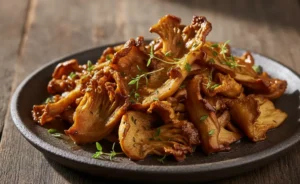
Different oyster mushroom types exhibit varying yield potentials, largely due to their inherent genetics and preferred growth conditions. For instance, common species like Blue Oyster (Pleurotus ostreatus) are known for their rapid growth and reliable oyster mushroom yield across a range of temperatures. Pink Oyster (Pleurotus djamor) and Yellow Oyster (Pleurotus citrinopileatus) are tropical species that thrive in warmer environments and can produce abundant, colorful fruiting bodies, though they may have a shorter shelf life. King Oyster (Pleurotus eryngii) typically produces fewer, larger mushrooms, resulting in a different kind of harvest weight. Selecting the appropriate species strain for specific grow room conditions is crucial for maximizing productivity and achieving the desired output.
Key Factors Influencing Oyster Mushroom Yield
Numerous elements collaboratively dictate the success and volume of an oyster mushroom harvest. Understanding these key factors is paramount for any cultivator aiming to optimize their oyster mushroom yield. Genetics play a foundational role; the specific species strain chosen greatly impacts growth rate, size, and total flush yield. Substrate type and preparation are equally critical. Materials like straw substrate, sawdust substrate, or Master’s Mix provide the necessary nutrients, but their nutrient content, water content, and proper pasteurization or sterilization are vital for healthy mycelial growth. Environmental conditions are arguably the most dynamic influences, including a stable temperature range, optimal humidity levels, adequate fresh air exchange (FAE), and controlled CO2 levels, all of which must be carefully managed throughout the entire growth cycle, from spawn run to fruiting bodies. Inoculation techniques and the overall health of the cultivation blocks also contribute significantly to the eventual harvest weight and productivity of the operation.
Maximizing Oyster Mushroom Yield: Strategies and Techniques
Achieving the highest possible oyster mushroom yield involves a systematic approach to cultivation, integrating proven strategies and precise techniques at every stage. One of the most impactful strategies is optimizing substrate recipes and ensuring proper pasteurization or sterilization. Using a well-balanced grow medium, such as a mix of sawdust and bran, provides rich nutrient content essential for vigorous mycelial growth and robust fruiting. Maintaining ideal fruiting parameters is critical; this includes precise control over humidity levels, temperature range, and consistent fresh air exchange to encourage proper pinning and development of primordia into mature fruiting bodies. Proper hydration and air exchange prevent common issues like elongated stems or stunted growth. Furthermore, implementing effective harvesting techniques, such as picking mushrooms at their peak maturity before spore release, ensures maximum harvest weight and encourages subsequent flushes. Consistent block health throughout the cultivation cycle, along with troubleshooting low yields by identifying and addressing environmental imbalances or contamination, are also vital for overall productivity. By diligently applying these strategies, cultivators can significantly enhance their oyster mushroom yield per block or bag, leading to more substantial and consistent harvests.
Measuring and Tracking Oyster Mushroom Yield
Accurate measurement and consistent tracking are indispensable for understanding and improving oyster mushroom yield. Without reliable data, it is challenging to assess the impact of different cultivation parameters or to identify areas for optimization. Record-keeping allows growers to correlate specific cultivation practices with resulting harvest weights, thereby refining their methods over time. This systematic approach transforms cultivation from an art into a more precise science, enabling continuous improvement in productivity and efficiency. Monitoring yield helps cultivators understand their oyster mushroom yield per kg of substrate or per square foot of grow space.
How Mushroom Yield is Measured
Mushroom yield is primarily measured by weight, typically in grams or pounds per block, bag, or bucket. This harvest weight is recorded after each flush, providing a detailed breakdown of productivity over the entire growth cycle. Cultivators often weigh the entire harvest from a specific block or batch of substrate. This data is then used to calculate key performance indicators, such as biological efficiency. Some growers also track the number of flushes obtained from each block and the time between flushes, which provides further insights into the longevity and overall output of their cultivation efforts. Consistent record-keeping of these measurements is vital for analyzing trends and making informed adjustments to cultivation parameters.
Using an Oyster Mushroom Yield Calculator
An oyster mushroom yield calculator can be a valuable tool for growers to estimate and track their productivity. While not a physical device, this refers to a systematic method or spreadsheet used to input data such as the dry weight of the substrate, the wet weight of the harvested mushrooms, and the number of cultivation blocks. The calculator then computes metrics like biological efficiency and expected oyster mushroom yield per unit of substrate. By standardizing these calculations, growers can easily compare performance across different substrate formulas, species strains, or environmental conditions. Such tools help in forecasting potential yields, optimizing resource allocation, and ultimately driving better cultivation outcomes. Many commercial operations use sophisticated versions of these calculators to manage their entire production pipeline and maintain a high level of output.
Biological Efficiency and Oyster Mushroom Yield
Biological efficiency (BE) is a cornerstone metric in mushroom cultivation, providing a standardized way to evaluate the conversion rate of substrate into fresh mushrooms. It directly correlates with the overall oyster mushroom yield and serves as a powerful indicator of cultivation success. A higher biological efficiency signifies that the mycelium has effectively utilized the available nutrients in the grow medium to produce fruiting bodies, leading to a greater harvest weight. Understanding and actively working to improve BE is fundamental for enhancing productivity and ensuring the economic viability of a mushroom farming operation, directly impacting the oyster mushroom yield per kg of substrate. Ensuring compliance with food safety regulations, such as those set by EFSA, is also vital for market access and consumer trust.
Calculating Biological Efficiency for Oyster Mushrooms
Calculating biological efficiency for oyster mushrooms is a straightforward process, though it requires accurate measurement. The formula for biological efficiency is: (Wet weight of harvested mushrooms / Dry weight of substrate) x 100%. For example, if a cultivator uses 1 kg (dry weight) of substrate and harvests 1.2 kg of fresh oyster mushrooms, the biological efficiency would be (1.2 kg / 1 kg) x 100% = 120%. It is important to use the dry weight of the substrate for this calculation, as the wet weight would include varying moisture content, making comparisons inaccurate. Tracking BE over multiple flushes and batches provides invaluable data for optimizing substrate formulas, refining environmental controls, and selecting the most productive species strains, thereby directly improving the overall oyster mushroom yield from cultivation efforts.
Optimizing oyster mushroom yield is a multifaceted endeavor that synthesizes scientific understanding with practical application. From the initial selection of robust species strains and the meticulous preparation of nutrient-rich substrates to the precise management of environmental parameters such as humidity, temperature, and fresh air exchange, every detail contributes to the final harvest. Consistent measurement and tracking through metrics like biological efficiency provide actionable insights, allowing cultivators to refine their techniques and troubleshoot challenges effectively. By embracing these integrated strategies, growers can not only enhance the quantity and quality of their oyster mushroom output but also foster more sustainable and profitable cultivation practices.
Readers should understand that this article does not offer medical diagnosis or treatment. The information provided is intended for general knowledge and informational purposes only, and does not constitute medical advice. Always consult with a qualified healthcare professional for any health concerns or before making any decisions related to your health or well-being. This content is not a substitute for professional medical guidance.
FAQ
— What is a good oyster mushroom yield per block?
A good oyster mushroom yield per block is significantly influenced by the specific strain cultivated, the nutritional quality of the substrate, and the environmental parameters maintained during the growing cycle. Factors such as temperature, humidity, and proper air exchange play a crucial role in optimizing the productivity and overall oyster mushroom yield from each block. Achieving robust outcomes often involves carefully managing these variables to support vigorous mycelial growth and abundant fruiting.
— What is the biological efficiency for oyster mushrooms?
Biological efficiency for mushrooms is a metric used to quantify the success of a grow, calculated by comparing the fresh weight of mushrooms harvested to the dry weight of the substrate material. This measurement provides insights into how effectively the mushroom mycelium converts the substrate’s nutrients into biomass for the fruit bodies. It serves as a valuable indicator for cultivators to evaluate and refine their substrate formulations and cultivation practices.