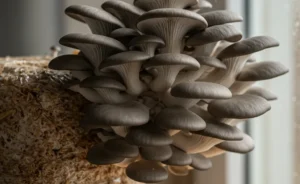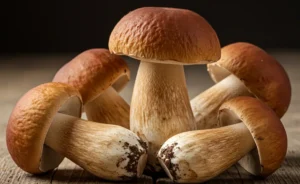

Achieving robust and flavorful harvests of king oyster mushrooms hinges on a fundamental initial decision: the quality and type of inoculum used. Many aspiring cultivators wonder about the essential components that drive successful fungal growth, often overlooking the critical role of superior genetic material. What truly distinguishes a prolific mushroom yield from a modest one? The answer frequently lies in the foundation—specifically, the health and vigor of the king oyster mushroom spawn. This crucial element acts as the living culture, providing the mycelium necessary to colonize a substrate and eventually fruit bountiful mushrooms. Understanding its various forms and applications is paramount for anyone aiming to cultivate these desirable fungi effectively, laying the groundwork for an abundant and consistent harvest.
Understanding King Oyster Mushroom Spawn
What is King Oyster Mushroom Spawn?
King oyster mushroom spawn refers to a living fungal culture, specifically the mycelium, which has been propagated onto a sterile carrier material. This carrier, often grains like rye or millet, provides the initial nutrition for the mycelial network to establish itself. Essentially, spawn is the “seed” from which the entire mushroom crop will grow. It contains the genetic blueprint of the desired king oyster mushroom strain, ready to colonize a larger substrate. The quality of this initial culture, including its vigor and freedom from contamination, is a direct determinant of future yields and the overall success of the cultivation process. High-quality king oyster mushroom spawn is fundamental for robust growth. Achieving the best results also depends on carefully managing king oyster mushroom growing conditions.
The Role of Spawn in King Oyster Mushroom Cultivation
Spawn plays a pivotal role as the initiator of the fungal growth cycle in mushroom cultivation. It is responsible for inoculating the chosen bulk substrate, which can range from sterilized sawdust blocks to logs. Once introduced, the mycelium from the spawn spreads throughout the new substrate, breaking down complex organic materials into digestible nutrients. This colonization process is crucial; a strong, healthy mycelial network is necessary before the substrate can support the development of primordia, which eventually mature into fruiting bodies. The genetic traits carried by the spawn dictate the characteristics of the mushrooms, including their size, texture, and flavor, directly influencing the harvest’s quality and quantity. For comprehensive guidance, explore resources on how to grow oyster mushrooms.
Grain Spawn Explained
Grain spawn is one of the most popular and versatile forms of mushroom inoculum. It consists of sterilized whole grains that have been fully colonized by the desired mushroom mycelium. The individual grains provide numerous points of contact when mixed with a larger substrate, facilitating rapid and even colonization. Preparing grain spawn involves sterilizing the grains, typically in an autoclave, to eliminate any competing microorganisms, and then inoculating them with a pure culture of mushroom mycelium. This sterile environment ensures that the king oyster mushroom mycelium has exclusive access to the grain’s nutrients, leading to vigorous growth and a strong, contaminant-free starting material for subsequent cultivation steps.
Types of King Oyster Mushroom Spawn
Grain Spawn Options (e.g., Black Pearl King Oyster)
When selecting king oyster mushroom spawn, cultivators often have several grain spawn options tailored to specific strains or preferences. For instance, specific grain spawn can be cultivated for popular varieties such as the Black Pearl King Oyster, known for its unique appearance and robust flavor. Other varieties might include strains suited for different environmental conditions or growth characteristics. Beyond standard king oyster, there are also options for related species like pearl oyster mushroom spawn or king blue oyster mushroom spawn, each offering distinct cultivation experiences and culinary outcomes. The choice of grain spawn is often influenced by the scale of the project and the type of bulk substrate intended for use.
King Oyster Mushroom Plug Spawn Dowels
For outdoor cultivation, especially on logs, king oyster mushroom plug spawn dowels are a highly effective option. These dowels are small wooden pegs that have been fully colonized with king oyster mycelium. To use them, holes are drilled into freshly cut logs, and the dowels are tapped into place. This method allows the mycelium to slowly colonize the wood, mimicking the natural growth patterns of wood-loving fungi. While log cultivation with plug spawn typically requires a longer incubation period compared to indoor substrate blocks, it can yield multiple flushes over several years, impacting the overall oyster mushroom yield and making it a sustainable choice for long-term harvests. Plug spawn is particularly suitable for those looking to cultivate king trumpet mushrooms in a more traditional, natural setting.
Choosing the Right King Oyster Mushroom Spawn
Selecting Spawn for Indoor vs. Outdoor Projects
The decision between different types of king oyster mushroom spawn largely depends on whether your project is intended for indoor or outdoor cultivation. For indoor setups utilizing grow bags or fruiting blocks, grain spawn is typically preferred due to its rapid colonization rate and ease of mixing with bulk substrates like sawdust or straw. Indoor cultivation allows for precise control over factors such as humidity, temperature, and air exchange, optimizing oyster mushroom growing conditions for consistent yields. For outdoor projects, especially those involving logs or garden beds, plug spawn dowels or sawdust spawn are more appropriate, designed to withstand varying environmental conditions and slowly colonize natural substrates. Understanding the specific needs of your chosen environment is key to selecting the most suitable king oyster mushroom spawn.
Inoculation Techniques for Different Spawn Types
Effective inoculation is crucial for successful mushroom cultivation, and the technique varies depending on the type of spawn. When using grain spawn, a common method is to mix it thoroughly with a sterilized or pasteurized bulk substrate in a clean environment, often within a flow hood, to minimize the risk of contamination. This ensures even distribution of the mycelium, leading to uniform colonization. For plug spawn dowels, the process involves drilling holes into logs and hammering the colonized dowels into these holes, then sealing them with wax to protect the mycelium and retain moisture. Liquid culture syringes, while not technically spawn, are another inoculation tool, often used to create grain spawn or inoculate agar plates. Each inoculation technique requires careful attention to sterility to give the king oyster mushroom mycelium the best chance to thrive.
Where to Buy King Oyster Mushroom Spawn
Sourcing high-quality king oyster mushroom spawn is a critical step for any cultivator. Reputable suppliers specialize in providing vigorous and contaminant-free cultures, which are essential for achieving successful colonization and abundant flushes. Many vendors offer various forms, including grain spawn for bulk substrate projects, plug spawn for outdoor log cultivation, and sometimes even liquid culture or agar plates for more advanced mycologists. When purchasing, consider factors such as the strain’s genetics, whether the spawn is organic, and the supplier’s reputation for quality control. Online specialty stores, local mycological societies, and agricultural supply centers are excellent places to find reliable king oyster mushroom spawn, often accompanied by valuable cultivation resources and support. For further scientific information on fungi and related biological topics, resources like the NIH can be valuable.
The journey to cultivating robust and delicious king oyster mushrooms begins with a single, crucial choice: the quality of your spawn. By understanding the different types of king oyster mushroom spawn available, recognizing their specific applications, and selecting the most appropriate option for your cultivation environment, you lay a strong foundation for success. Whether you opt for the rapid colonization of grain spawn in an indoor grow room or the long-term yields of plug spawn on logs, the vitality of your inoculum directly influences the abundance and quality of your harvests. Investing in premium spawn and employing proper inoculation techniques are paramount steps towards achieving consistent and rewarding flushes of these desirable fungi.
The purpose of this content is to educate, not to diagnose or treat. This information is intended for general knowledge and informational purposes only, and does not constitute medical advice. It is essential to consult with a qualified healthcare professional for any health concerns or before making any decisions related to your health or well-being. Reliance on any information provided in this article is solely at your own risk.
FAQ
— What is king oyster mushroom spawn made of?
King oyster mushroom spawn typically consists of a sterile grain, such as rye or millet, that has been fully colonized by the mushroom’s mycelium. This intricate network of fungal threads permeates the grain, effectively turning it into a living starter material. The grain serves as a nutrient-rich medium, allowing the mycelium to grow vigorously before it’s transferred for larger scale cultivation.
— How do you use king oyster mushroom spawn?
Growers utilize spawn to inoculate a larger bulk substrate, initiating the colonization process that leads to mushroom fruiting. The colonized grain is broken apart and mixed evenly with a prepared substrate like hardwood sawdust or straw. This transfer allows the mycelium to spread and establish itself throughout the new material, preparing it for environmental changes that trigger mushroom formation.
— Can you grow king oyster mushrooms from liquid culture?
Indeed, king oyster mushrooms can be cultivated using liquid culture, which is essentially mycelium suspended in a sterile, nutrient-rich liquid solution. This method offers an efficient way to expand the fungal biomass rapidly. Once inoculated into a grain substrate, the liquid culture quickly colonizes it, effectively creating new spawn for further cultivation steps.
— How long does it take for king oyster spawn to colonize?
The colonization period for spawn varies, influenced by factors such as substrate type, temperature, and the specific strain’s vigor. Generally, grain spawn can fully colonize its medium within one to two weeks. When this colonized grain is then used to inoculate a bulk substrate, the mycelium typically requires an additional two to four weeks to permeate the new material thoroughly before it’s ready for fruiting conditions.
— Where can I buy king oyster mushroom spawn?
Specialized online retailers and mycology supply stores are common sources for purchasing king oyster mushroom spawn. These providers often offer various strains and formats, such as grain spawn or sawdust spawn. When sourcing, it’s beneficial to choose reputable suppliers who can provide information on strain characteristics and proper storage.