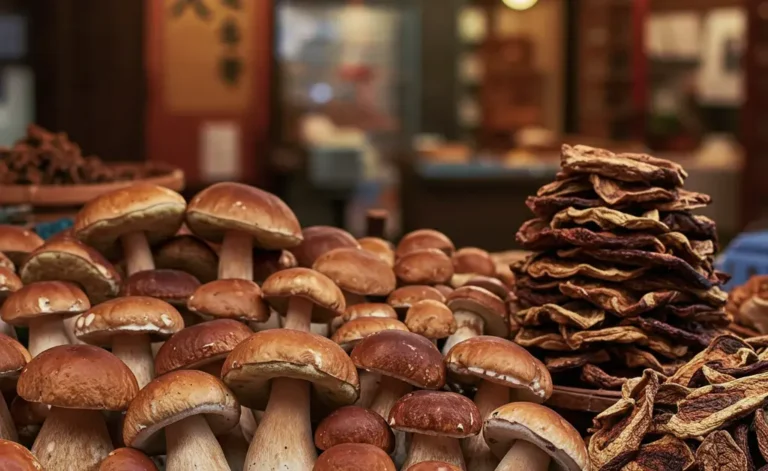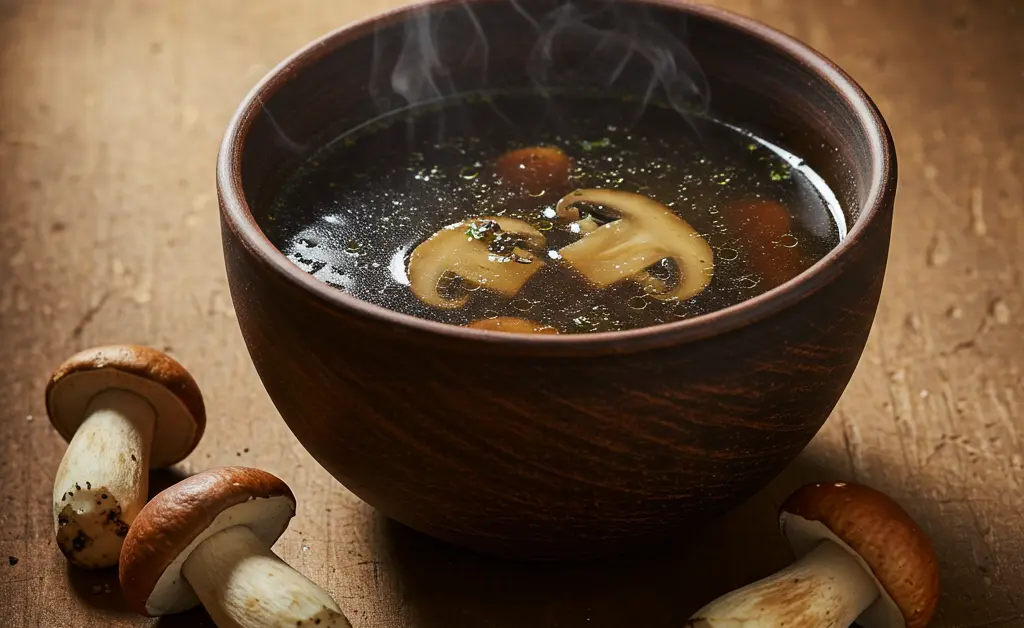
Elevating your culinary creations with a rich, earthy depth is a primary benefit of mastering homemade porcini mushroom broth. This versatile liquid provides an unparalleled umami foundation, transforming everything from risottos and soups to sauces and gravies into gourmet experiences. Unlike generic vegetable or meat broths, a carefully prepared porcini mushroom broth offers a distinct, sophisticated flavor profile that can significantly enhance the overall taste of a dish. This guide will walk you through the process of creating this flavorful base, from selecting the right ingredients and preparing dried porcini mushrooms to perfecting the simmering process and storing your homemade creation for future use, ensuring you can consistently achieve exceptional results in your kitchen.
Porcini Mushroom Broth Recipe
Crafting your own porcini mushroom broth at home is a rewarding experience that yields a deeply flavorful and aromatic liquid. This rich, savory stock serves as an excellent foundation for a variety of dishes, imparting a profound umami taste that cannot be replicated by store-bought alternatives. The process, while requiring some patience, is straightforward and primarily involves rehydrating dried porcini mushrooms and gently simmering them with aromatics to extract their full flavor potential.
Essential Equipment Needed
To successfully prepare a delicious porcini mushroom broth, a few key pieces of kitchen equipment will be helpful. Having these items on hand ensures a smooth cooking process and efficient preparation.
- Large Stockpot or Saucepan: Essential for simmering the broth. Choose one with a heavy bottom to ensure even heat distribution.
- Fine-Mesh Sieve or Strainer: Crucial for straining the broth, ensuring a clear, sediment-free liquid.
- Cheesecloth: An optional but recommended addition for an even clearer broth, especially when straining out fine particles from the rehydrated mushrooms.
- Heat-Resistant Bowl: For soaking the dried porcini mushrooms.
- Cutting Board and Knife: For preparing any additional vegetables or aromatics.
- Ladle: For transferring the broth once it’s ready.
- Storage Containers: Airtight containers for refrigerating or freezing the finished broth.
How to Make Porcini Broth
Making homemade porcini mushroom broth involves a few critical steps that contribute to its robust flavor. The journey begins with selecting quality dried porcini mushrooms, as they are the star of this savory preparation. The rehydration process is key, as it not only softens the mushrooms but also creates a flavorful soaking liquid that will become an integral part of the broth. From there, it’s a gentle simmer to meld all the flavors together.
Step-by-Step Instructions
Follow these detailed steps to create a rich and aromatic porcini mushroom broth that will elevate your culinary endeavors:
- Rehydrate Dried Porcini Mushrooms: Place the desired quantity of dried porcini mushrooms in a heat-resistant bowl. Pour very hot, but not boiling, water over them, ensuring they are fully submerged. Let them soak for at least 20-30 minutes, or until they are soft and pliable.
- Prepare the Soaking Liquid: Carefully remove the rehydrated mushrooms from the water, reserving the soaking liquid. Gently squeeze any excess liquid from the mushrooms back into the bowl. Strain this reserved liquid through a fine-mesh sieve lined with cheesecloth to remove any grit or sediment that may have accumulated. This strained liquid is rich in flavor and should be incorporated into your broth.
- Sauté Aromatics (Optional): In a large stockpot or saucepan, heat a small amount of olive oil over medium heat. Add chopped onions, carrots, and celery (a classic mirepoix) and sauté until softened, about 5-7 minutes. This step adds an extra layer of complexity to your porcini mushroom broth.
- Combine Ingredients: Add the rehydrated porcini mushrooms (chopped if desired), the strained porcini soaking liquid, and fresh water to the stockpot. You can also add other aromatics like garlic cloves, bay leaves, thyme sprigs, and black peppercorns.
- Simmer Gently: Bring the mixture to a gentle simmer over medium-high heat, then reduce the heat to low. Cover partially and let the broth simmer for at least 45 minutes to an hour, or up to two hours, allowing the flavors to fully develop. Avoid boiling vigorously, as this can make the broth cloudy.
- Strain the Broth: Once the simmering is complete, carefully strain the entire contents of the pot through a fine-mesh sieve, ideally lined with cheesecloth, into a clean bowl or container. Press down on the solids to extract as much liquid as possible. Discard the solids.
- Season and Cool: Taste the porcini mushroom broth and season with salt to your preference. Allow the broth to cool completely before storing.
Portobello and Porcini Broth Recipe
For an even deeper and more complex flavor profile, consider combining dried porcini mushrooms with fresh portobello mushrooms. This blend leverages the intense umami of porcini with the robust, meaty notes of portobello. To adapt the recipe, simply add sliced or chopped fresh portobello mushrooms to the pot along with your rehydrated porcini and other aromatics. Sautéing the portobellos first with the other vegetables can help to deepen their flavor before adding the liquids and simmering. This variation results in a richer, more substantial broth, perfect for heartier dishes. This mushroom stock can also complement dishes like a king oyster mushroom tacos recipe.
Ingredients for Porcini Mushroom Broth
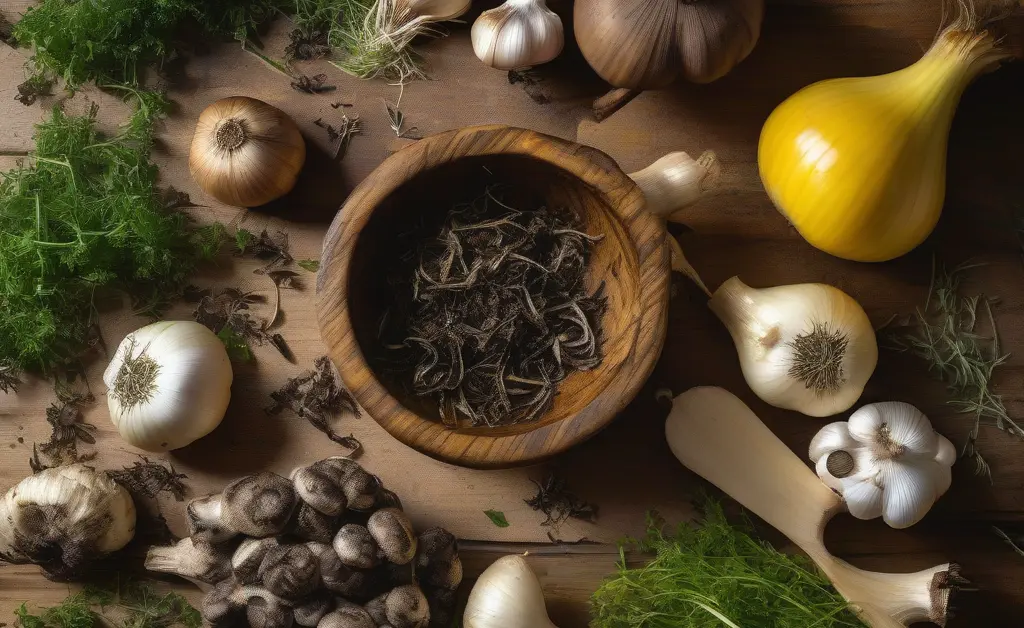
The quality of your ingredients directly impacts the richness and depth of your porcini mushroom broth. While dried porcini mushrooms are the star, other components contribute significantly to the overall flavor. For information on dietary guidelines and health, you can consult resources from the NIH.
Key Ingredients for the Broth
A simple yet effective combination of ingredients forms the base for a truly exceptional porcini mushroom broth.
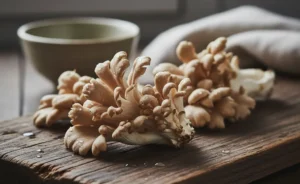
- Dried Porcini Mushrooms: These are paramount for the characteristic earthy and umami flavor. Look for whole, intact pieces rather than crumbled ones for better quality.
- Water: The primary liquid component. Use filtered water for the cleanest taste.
- Aromatics: Typically include onions, carrots, and celery (mirepoix). These vegetables add sweetness, depth, and a foundational savory element without overpowering the mushroom flavor. Garlic can also be included for a pungent kick.
- Herbs and Spices: Bay leaves, thyme, parsley stems, and black peppercorns are common additions that enhance the complexity of the porcini mushroom broth.
- Salt: To taste, enhancing all the other flavors.
Preparing Dried Porcini Mushrooms
Proper preparation of dried porcini mushrooms is crucial for both flavor extraction and ensuring a clean broth. Dried porcini mushrooms are concentrated in flavor, but they also often contain a fine layer of grit or sand from their harvesting environment. To prepare them, place the desired amount in a bowl and cover them with hot, but not boiling, water. Allow them to soak for at least 20 to 30 minutes, or until fully rehydrated and tender. Once soft, gently lift the mushrooms out of the water, leaving any sediment behind. Squeeze any excess liquid back into the bowl. This mushroom-infused soaking liquid is incredibly flavorful and should be carefully strained before being added to your porcini mushroom broth.
Utilizing Porcini Soaking Liquid
The dark, fragrant liquid left over from rehydrating dried porcini mushrooms is a treasure trove of flavor and should never be discarded. This “liquid gold” is packed with the essence of porcini and significantly contributes to the umami profile of your porcini mushroom broth. After carefully removing the rehydrated mushrooms, allow any fine sediment to settle at the bottom of the bowl. Then, slowly pour the liquid through a fine-mesh sieve, ideally lined with cheesecloth or a coffee filter, into a separate container. This straining step is essential to remove any lingering grit or dirt. Once strained, this rich, earthy liquid can be added directly to your stockpot as part of the liquid base for your broth, intensifying its savory depth.
Uses for Porcini Mushroom Broth
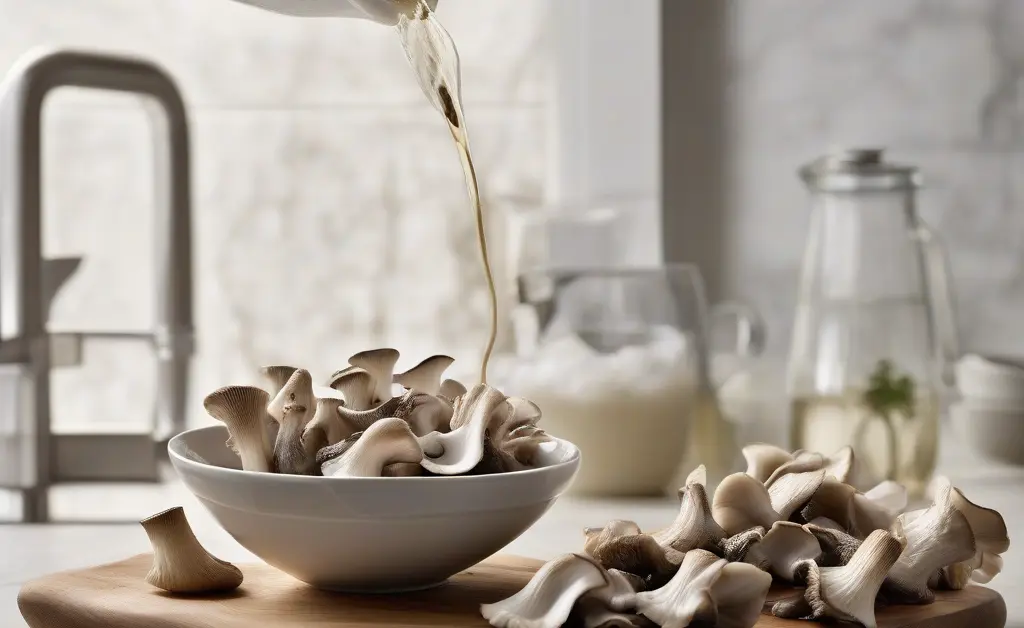
The versatility of porcini mushroom broth extends far beyond just soup. Its rich, earthy, and umami-packed flavor makes it an invaluable ingredient in a wide array of dishes, transforming everyday meals into gourmet experiences. This savory liquid can serve as a foundational element, enhancing the depth and complexity of many culinary creations. It can also be a unique component in various oyster mushroom recipes.
- Risotto Base: Perhaps one of the most classic applications, using porcini mushroom broth for risotto infuses every grain of rice with a deep, earthy flavor that complements other ingredients like Parmesan and fresh herbs.
- Soup Base: It’s an obvious choice for any mushroom soup, but it also elevates vegetable soups, lentil soups, or even French onion soup by adding an incredible layer of umami.
- Sauces and Gravies: Replace water or other broths in mushroom sauces, pan sauces for roasted meats, or gravies to impart a richer, more sophisticated flavor. It pairs particularly well with beef, poultry, and game. It could even enhance a flavorful oyster mushroom chicken recipe.
- Pasta Dishes: A splash of porcini mushroom broth can enhance the flavor of pasta sauces, particularly those featuring mushrooms, cream, or roasted vegetables. It can also be used to cook pasta itself for an extra flavor boost.
- Braising Liquid: Use it to braise meats like short ribs or pot roast, allowing the deep mushroom flavor to penetrate the protein and create a tender, succulent dish.
- Grain Cooking: Cook quinoa, farro, or couscous in porcini mushroom broth instead of water for an elevated side dish with added savory notes.
- Vegetable Enhancement: Sautéing or steaming vegetables with a bit of porcini mushroom broth can deepen their natural flavors and add an earthy dimension.
Tips for Making the Best Porcini Broth
Achieving a truly exceptional porcini mushroom broth involves paying attention to a few key details. While the basic steps are straightforward, subtle adjustments can significantly impact the final product’s flavor and clarity. Considering these tips can help you consistently produce a superior homemade porcini mushroom broth that stands out for its depth and savory notes. While primarily savory, porcini also find unique applications, such as in porcini mushroom chocolate.
Adjusting Flavor and Strength
The strength and flavor of your porcini mushroom broth can be customized to suit your preferences and the needs of your recipe. To make a stronger, more concentrated broth, you can reduce the amount of water used or allow the broth to simmer for a longer duration, permitting more liquid to evaporate and flavors to condense. Conversely, if you find your broth too intense, you can dilute it with a bit of plain water or a milder vegetable broth. Experiment with the quantity of dried porcini mushrooms; using more will yield a more robust flavor, while less will result in a lighter, more subtle broth. Adjusting the type and amount of aromatics (onions, carrots, celery, garlic) can also fine-tune the overall flavor profile, balancing the earthy mushroom notes with sweet or pungent undertones. Always taste as you go and adjust seasonings to achieve the desired balance.
Storing Homemade Porcini Mushroom Broth

Proper storage is essential to maintain the quality and extend the shelf life of your homemade porcini mushroom broth. Once cooled, this rich, savory liquid can be safely kept for future culinary applications. Knowing the correct methods for refrigeration and freezing ensures you always have this flavorful ingredient on hand.
Refrigeration Guidelines
After your porcini mushroom broth has cooled completely to room temperature, transfer it to airtight containers. Glass jars or food-grade plastic containers with tight-fitting lids are ideal. When refrigerated, homemade porcini mushroom broth typically remains fresh for approximately 3 to 4 days. Always make sure the containers are sealed to prevent absorption of other odors from the refrigerator. For best quality, label the containers with the date of preparation so you can easily track its freshness.
Freezing for Longer Storage
For longer-term storage, freezing is an excellent option that preserves the quality and flavor of your porcini mushroom broth. Once cooled, pour the broth into freezer-safe containers, leaving a little headspace to allow for expansion. Ice cube trays are particularly useful for freezing broth in smaller, portion-controlled amounts. Once frozen solid in the trays, transfer the broth cubes to a freezer bag or larger airtight container. Frozen porcini mushroom broth can maintain its quality for up to 6 months. When ready to use, simply thaw the desired amount in the refrigerator overnight or gently heat it directly from frozen in a saucepan.
Mastering the creation of porcini mushroom broth unlocks a new dimension of flavor in your cooking. From selecting the finest dried porcini to the careful simmering and thoughtful storage, each step contributes to a rich, umami-laden liquid that elevates countless dishes. This guide provides the comprehensive knowledge needed to confidently prepare and utilize this exceptional ingredient, ensuring your culinary endeavors are always infused with a profound depth of savory goodness.
The information presented in this article is educational and not meant as professional medical counsel. This content aims to provide general culinary guidance and should not be interpreted as a substitute for professional nutritional advice or medical treatment. Always consult with a qualified healthcare provider or registered dietitian for personalized health and dietary recommendations.
FAQ
— How do you make porcini mushroom broth?
To create this flavorful broth, dried porcini mushrooms are typically rehydrated in hot water, and the strained soaking liquid forms the base. This potent liquid is then simmered gently with additional water and aromatic vegetables like onions, carrots, and celery to deepen its earthy profile. After a period of slow cooking, the broth is strained carefully, leaving behind a clear, rich liquid.
— What ingredients do you need for porcini broth?
You primarily need dried porcini mushrooms and water for the foundational flavor. For a more complex and aromatic broth, common additions include onions, carrots, celery, garlic, bay leaves, and peppercorns. These simple ingredients combine to create a deeply savory and umami-rich liquid.
— How long does porcini mushroom broth last?
Properly stored homemade broth can be kept in the refrigerator for about 3 to 4 days. For longer preservation, it freezes exceptionally well and maintains its quality for several months, typically up to 4 to 6 months. Always ensure it’s stored in airtight containers to prevent spoilage and freezer burn.
— Can you use dried porcini mushrooms for broth?
Indeed, dried porcini mushrooms are the preferred choice for making porcini mushroom broth due to their incredibly concentrated flavor and aroma. The rehydration process not only softens the mushrooms but also creates a deeply flavored liquid that forms the essential base for the broth. This method ensures a rich, umami-packed result that fresh porcini might not achieve as intensely in a broth format.
— What is the best way to store homemade porcini broth?
The best method for storing homemade porcini broth is to first allow it to cool completely before transferring it to airtight containers. For short-term use, refrigerate the broth; for longer storage, freeze it in individual portions or ice cube trays. Freezing allows for convenient thawing of only the amount needed, reducing waste.