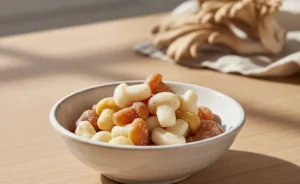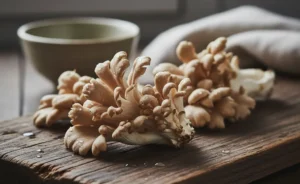

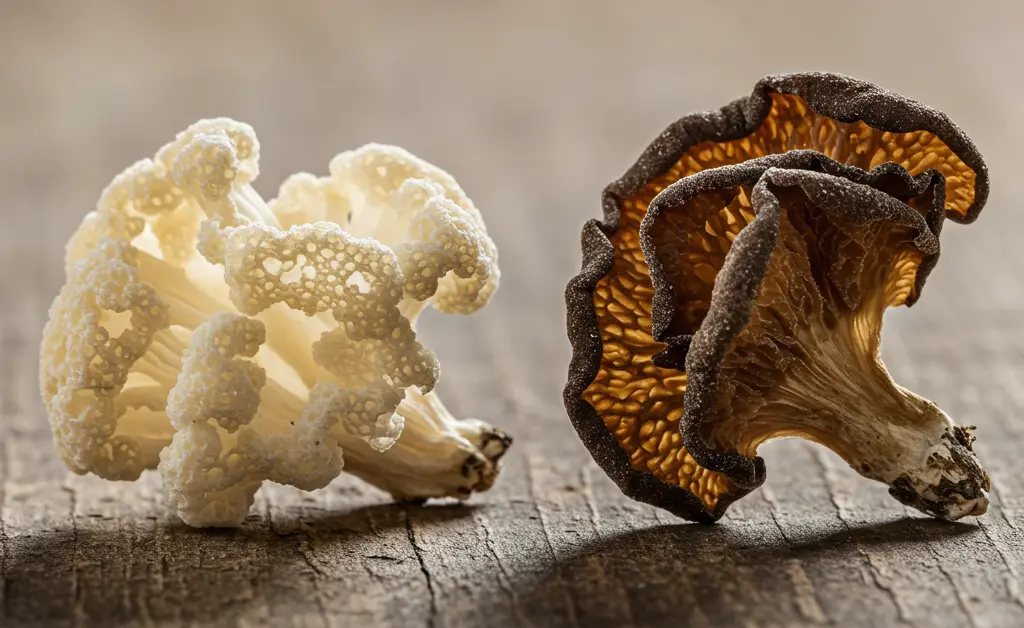
Accurate identification and understanding of natural ingredients are paramount for effective application in both culinary and wellness domains. This precision is especially valuable when discussing traditional fungi, which are often known by multiple names and can lead to confusion regarding their true nature. This article aims to provide clear insights into this topic, specifically addressing the query of tremella mushroom vs snow fungus. We will explore their botanical distinctions, common appellations, and shared characteristics to equip readers with a comprehensive understanding. This clarity allows for more informed decision-making, ensuring proper utilization of these revered fungi for their unique nutritional and health benefits.
Tremella Mushroom vs. Snow Fungus: Understanding the Differences and Similarities
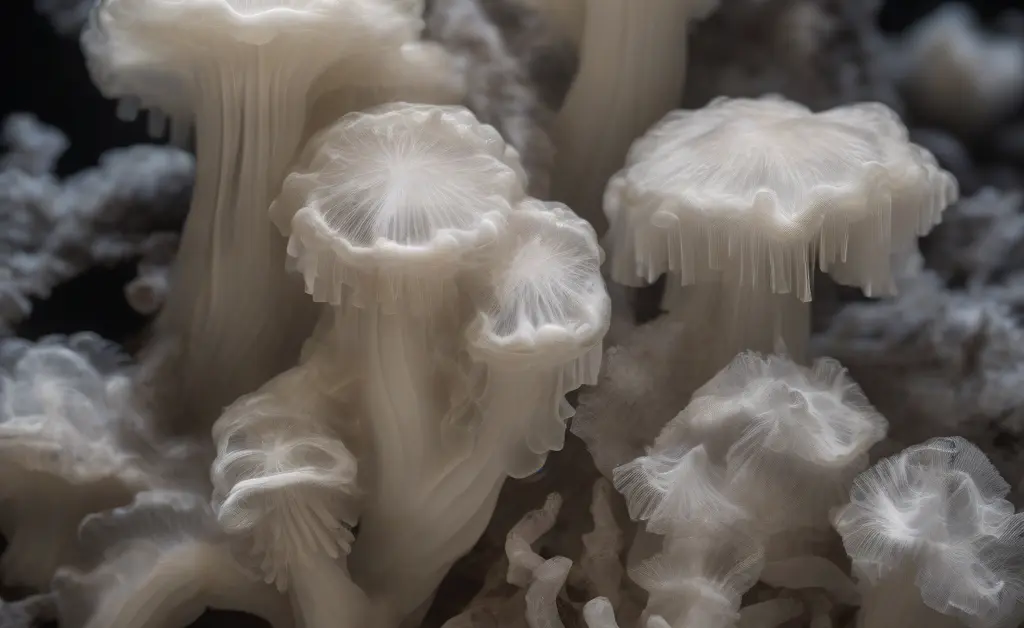
When discussing the topic of tremella mushroom vs snow fungus, it’s essential to first establish that these terms frequently refer to the same botanical entity. This common misconception often arises due to varying cultural names and direct translations.
The Botanical Name: Tremella fuciformis
The universally accepted scientific name for this esteemed fungus is Tremella fuciformis. This precise botanical designation is crucial for academic research, cultivation, and consistent identification across different regions and languages. As a notable member of the *functional fungi* category, Tremella fuciformis has been the subject of numerous studies investigating its potential benefits and unique biological properties. Readers often inquire about the distinctions between tremella mushroom vs lions mane given their shared classification as functional fungi.
Common Aliases: Snow Fungus, Silver Ear Mushroom, White Jelly Mushroom
Beyond its scientific moniker, Tremella fuciformis is known by several evocative and widely used common names. “Snow fungus” is perhaps the most prevalent, especially within Asian culinary traditions and traditional Chinese medicine (TCM). Other popular aliases include *silver ear mushroom* and *white jelly mushroom*, both of which aptly describe its delicate, translucent appearance and distinct texture. These *interchangeable names* underscore its widespread recognition and cultural significance.
Clarifying the Relationship Between the Names
The frequent discussion surrounding tremella mushroom vs snow fungus often centers on whether they are distinct species. In practice, *snow fungus* is simply a common, descriptive name for the mushroom scientifically known as Tremella fuciformis. Therefore, when individuals refer to *Tremella mushroom*, they are almost always referring to what is also known as *snow fungus*. This clarification is vital for consumers and practitioners alike, ensuring accurate procurement and utilization of this beneficial organism, whether valuing its *nutritional value* or its reputation as a *medicinal mushroom*. For those exploring its skincare applications, understanding the nuances of tremella mushroom vs hyaluronic acid is also becoming increasingly relevant.
Comparing Taste, Edibility, and Potential Toxicity
Tremella fuciformis is highly regarded for its edibility and boasts a long history of safe consumption, particularly within *traditional Chinese medicine (TCM)*. It possesses a remarkably mild and subtle *taste*, often described as slightly sweet, which makes it a versatile ingredient adaptable to both sweet and savory dishes. Its distinctive *texture*—soft, gelatinous, and somewhat chewy—is a key culinary attribute. Generally, *Tremella fungus* is considered non-toxic and beneficial; however, as with any natural food or supplement, individual sensitivities can occur. It is widely considered safe for consumption when properly prepared. Regulatory bodies like the European Food Safety Authority (EFSA) often provide guidelines on food safety.
The Distinctive Profile of Tremella Mushroom (Snow Fungus)
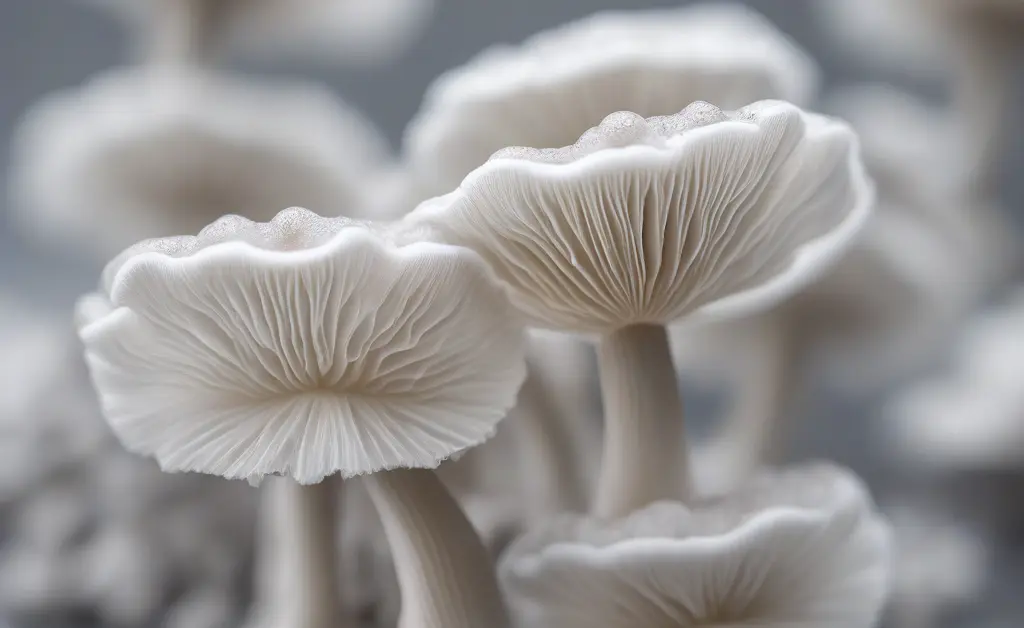
Beyond the discussion of tremella mushroom vs snow fungus as names for the same entity, it’s valuable to explore the unique characteristics that define this remarkable functional fungi. Its distinctive features contribute significantly to its allure in both culinary and wellness applications.
Unique Appearance and Gelatinous Texture
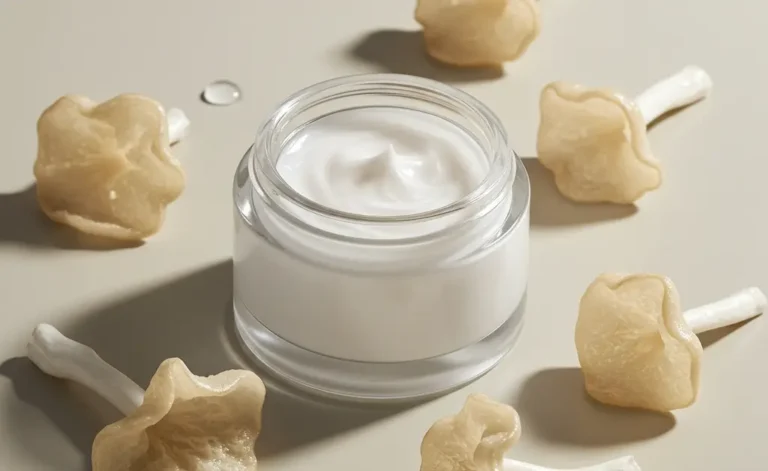
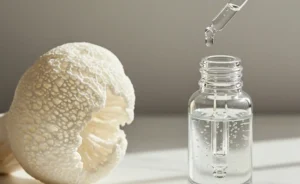
The *appearance* of Tremella fuciformis is truly unmistakable. When fresh, it typically presents as a semi-translucent, wavy, and ear-like organism, ranging in color from white to pale yellow. This delicate structure, sometimes likened to a ruffled flower or coral, is visually captivating. When prepared, especially after rehydration from its *dried tremella* form, it develops its signature soft, almost jelly-like consistency and *gelatinous texture*. This unique mouthfeel is highly prized in various cuisines and contributes to its reputation as a versatile food ingredient.
Key Nutritional Components and Bioactive Compounds
Tremella fungus is celebrated not just for its texture but also for its rich *nutritional value* and impressive array of *bioactive compounds*. It is notably rich in various *polysaccharides*, including beneficial *beta-glucans*, which have been studied for their potential *immune modulator* properties. A particularly interesting compound found in Tremella is a plant-derived form of *hyaluronic acid*, which contributes to its growing reputation for supporting *skin hydration* and potentially stimulating *collagen production*, making it of significant interest for *anti-aging* applications. Some discussions also delve into tremella mushroom vs collagen for skin benefits. The presence of various *antioxidant properties* further enhances its appeal, solidifying its status as a *superfood* and a revered *medicinal mushroom* in wellness circles.
In conclusion, the discourse surrounding tremella mushroom vs snow fungus ultimately clarifies that these terms refer to the same beneficial organism, Tremella fuciformis. This functional fungi is distinguished by its unique translucent, gelatinous appearance and its rich profile of bioactive compounds, including polysaccharides, beta-glucans, and plant-derived hyaluronic acid. These components underpin its long-standing use in traditional practices and its growing recognition in modern wellness for its potential contributions to skin hydration, immune support, and overall nutritional value. Understanding this distinction empowers informed choices for incorporating this versatile mushroom into culinary and health routines.
This content is for informational use and should not be considered medical instruction. It is not intended to be a substitute for professional medical advice, diagnosis, or treatment. Always seek the advice of a qualified healthcare provider for any questions regarding a medical condition. Do not disregard professional medical advice or delay in seeking it because of something you have read in this article. Individual results may vary, and the information provided is not guaranteed to be free from errors or omissions.
FAQ
— Are tremella mushroom and snow fungus interchangeable names?
The discussion around tremella mushroom vs snow fungus is straightforward: these are simply two common names referring to the exact same species, *Tremella fuciformis*. The common name ‘snow fungus’ beautifully describes its gelatinous, translucent, and frilly white appearance. This particular fungus has a long history of use in traditional Asian cuisine and herbal practices.