Achieving and maintaining optimal skin hydration is fundamental for a healthy, radiant complexion. In the dynamic world of skincare, understanding the nuances between highly acclaimed ingredients is crucial for making effective choices. Two such powerhouses frequently discussed for their exceptional humectant properties are tremella mushroom and hyaluronic acid. While both are celebrated for their ability to attract and retain moisture, their molecular structures, additional benefits, and overall skin interaction present significant distinctions. This comprehensive exploration of tremella mushroom vs hyaluronic acid aims to clarify these differences, empowering you to select the most suitable ingredient to enhance your personalized skincare regimen and achieve lasting hydration.
Tremella Mushroom vs Hyaluronic Acid
Is Snow Mushroom the New Hyaluronic Acid?
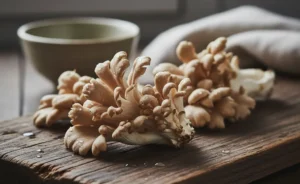
The “snow mushroom,” scientifically known as *Tremella fuciformis*, has garnered significant attention in the skincare industry, often being hailed as a natural alternative or even a potential successor to traditional hyaluronic acid. Its growing popularity, particularly in Asian skincare traditions, positions it as a highly sought-after plant-based ingredient for deep hydration and plumpness, leading many to question if it indeed represents a new era in moisture retention. It’s important to clarify that the discussion of tremella mushroom vs snow fungus often refers to the same ingredient. Like hyaluronic acid, tremella mushroom acts as a humectant, drawing moisture from the environment and binding it to the skin’s surface.
Is Tremella mushroom better than hyaluronic acid?
Determining whether tremella mushroom is “better” than hyaluronic acid is not straightforward, as each ingredient offers unique benefits and characteristics. While both excel at providing hydration, their distinct compositions influence their interaction with the skin. Hyaluronic acid is widely recognized for its robust moisture-binding capacity, often capable of holding many times its weight in water. Tremella mushroom, rich in polysaccharides, also demonstrates impressive hydrating potential, with some studies suggesting its effectiveness is comparable to or even exceeds that of hyaluronic acid in certain aspects. However, the specific molecular weight and additional properties of each ingredient, such as tremella’s antioxidant benefits, mean that the choice often depends on individual skin needs and desired outcomes. For those exploring other alternatives, understanding the nuances of tremella mushroom vs collagen is also important. The discussion around tremella mushroom vs hyaluronic acid highlights that both are powerful hydrating agents, with tremella offering a compelling plant-based option.
Can You Use Both Together?
Yes, combining tremella mushroom and hyaluronic acid in a skincare routine is generally considered beneficial and safe. Given that both ingredients function primarily as humectants, they can complement each other’s hydrating properties, potentially offering a more comprehensive approach to moisture retention. Hyaluronic acid’s ability to attract water, coupled with tremella mushroom’s unique polysaccharide structure and potential for broader skin benefits, can create a synergistic effect. Many formulations now include a blend of various hydrating compounds to target different layers of the skin and ensure maximum moisture. Layering a tremella-infused serum with a hyaluronic acid product, or using a product that contains both, can enhance overall skin elasticity, reduce the appearance of fine lines, and contribute to a more plump and dewy complexion. Always patch-test new combinations, especially if you have sensitive skin, but for most individuals, these two hydrating powerhouses can coexist harmoniously in a well-rounded regimen.
Key Differences: Tremella Mushroom vs. Hyaluronic Acid
Tremella and Hyaluronic Acid – Differences in Skin
While both tremella mushroom and hyaluronic acid are celebrated for their ability to hydrate the skin, they interact with it in subtly different ways. Hyaluronic acid is renowned for its capacity to attract and hold significant amounts of water, creating a plumping effect that can visibly reduce the appearance of fine lines and improve skin elasticity. Its efficacy is often linked to its specific molecular structure, which allows it to form a hydrating barrier on the skin’s surface. Tremella mushroom, on the other hand, contains unique polysaccharides that not only hydrate but also may offer additional benefits. These polysaccharides are believed to help strengthen the skin barrier and provide a soothing effect. The distinction between tremella mushroom vs hyaluronic acid lies in these additional attributes and their nuanced impact on overall skin health and appearance beyond mere hydration.
Hydration Capacity and Effectiveness Comparison
Both tremella mushroom and hyaluronic acid are potent humectants, meaning they attract and bind water to the skin. Hyaluronic acid is famously known for its exceptional ability to hold up to 1,000 times its weight in water, making it a benchmark for hydration effectiveness. It forms a permeable film on the skin, drawing moisture from the air and deeper skin layers to keep the surface hydrated. Tremella mushroom, particularly its *Tremella fuciformis* extract, also exhibits remarkable hydration capacity. Some scientific studies suggest that the polysaccharides in tremella mushroom can hold even more water than hyaluronic acid, or at least offer comparable moisture retention capabilities. The effectiveness of both ingredients also depends on factors like molecular weight (for hyaluronic acid) and the specific polysaccharide profile (for tremella), influencing how deeply and broadly they hydrate the skin.
Molecular Size and Skin Penetration
A significant difference between tremella mushroom and hyaluronic acid lies in their molecular size, which directly impacts their skin penetration. Hyaluronic acid can come in various molecular weights, with lower molecular weight forms designed to penetrate deeper into the skin for more profound hydration, while higher molecular weight forms primarily hydrate the surface. The molecular weight of hyaluronic acid can vary considerably, from very small (nano-HA) to large. Tremella mushroom, primarily composed of polysaccharides, also has a distinctive molecular structure. Its molecules are often described as being smaller than traditional high molecular weight hyaluronic acid, which theoretically allows them to penetrate the skin more readily and effectively. This smaller molecular size may enable tremella to deliver its hydrating and other beneficial compounds deeper into the epidermis, potentially offering hydration at multiple levels within the skin.
Antioxidant and Anti-inflammatory Properties
Beyond their primary role as humectants, tremella mushroom and hyaluronic acid also differ in their secondary skin benefits, particularly regarding antioxidant and anti-inflammatory properties. While hyaluronic acid is mainly celebrated for its hydrating and plumping effects, it does not typically possess strong antioxidant or anti-inflammatory characteristics in its standard form. Tremella mushroom, however, is a rich source of various bioactive compounds, including polysaccharides, which are known for their significant antioxidant benefits. These antioxidants can help protect the skin from environmental stressors and free radical damage, which contribute to premature aging. Furthermore, tremella mushroom has been studied for its potential anti-inflammatory properties, which may help soothe irritated skin and reduce redness. Further research also explores the distinctions between tremella mushroom vs lions mane for various health benefits. This makes the tremella mushroom vs hyaluronic acid comparison particularly interesting for those seeking ingredients with broader protective and calming effects.
Texture and Feel on Skin
The texture and feel of products containing tremella mushroom versus hyaluronic acid can also vary, influencing the user experience. Hyaluronic acid serums often have a slightly sticky or tacky feel upon initial topical application, which typically dissipates as it absorbs into the skin, leaving a smooth, hydrated finish. Its consistency can range from a thin, watery serum to a slightly thicker gel. Tremella mushroom extracts, particularly in serums or creams, tend to offer a silky, almost gel-like texture that feels incredibly smooth and less tacky on the skin. Users often describe the sensation of tremella-infused products as lightweight and luxurious, absorbing quickly without leaving a heavy residue. These subtle differences in texture and feel can be a deciding factor for individuals with specific preferences regarding their skincare products.
Scientific Evidence and Research
Both tremella mushroom and hyaluronic acid are backed by a growing body of scientific evidence and research supporting their efficacy in skincare. Hyaluronic acid has been extensively studied for decades, with numerous peer-reviewed scientific studies validating its role as a powerful humectant, its ability to improve skin hydration, reduce the appearance of fine lines, and support the skin barrier. Its mechanisms of action are well-understood. Research into tremella mushroom, while perhaps not as voluminous as that for hyaluronic acid, is rapidly expanding. Emerging scientific studies highlight its hydrating properties, antioxidant capacity, and potential anti-inflammatory benefits. Many of these studies focus on the unique polysaccharides found in *Tremella fuciformis* and their interactions with skin cells. Further information on such studies can be found through resources like the NIH. The ongoing research for both ingredients continues to shed light on their full potential and provides a robust foundation for understanding the distinctions in tremella mushroom vs hyaluronic acid in modern skincare formulations.
Ultimately, the choice between tremella mushroom and hyaluronic acid, or the decision to use both, depends on individual skin concerns, desired benefits, and product preferences. Both are exceptional ingredients for achieving and maintaining hydrated, healthy-looking skin, each bringing its own unique strengths to the table.
This information is provided for educational purposes only. It is not intended to be a substitute for professional medical advice, diagnosis, or treatment. Always seek the advice of a qualified health provider for any questions regarding a medical condition or before making any decisions about your health or skincare regimen. The information presented here should not be used to self-diagnose or treat any health problem or disease.
FAQ
— Is Tremella mushroom more hydrating than hyaluronic acid?
While both Tremella mushroom and hyaluronic acid are potent humectants that draw moisture into the skin, studies suggest Tremella’s polysaccharide molecules may possess a comparable or even superior water-holding capacity. Its unique structure allows it to form a flexible, hydrating film on the skin, contributing to long-lasting moisture.
— What are the main differences between Tremella mushroom and hyaluronic acid for skin?
The primary distinction in tremella mushroom vs hyaluronic acid lies in their origin and broader composition. Tremella is a natural fungus containing a complex array of polysaccharides, antioxidants, and other beneficial compounds, while hyaluronic acid is a specific sugar molecule naturally found in the body, often synthetically produced for skincare. Tremella offers a more holistic profile of potential benefits beyond just hydration.
— Can Tremella mushroom replace hyaluronic acid in a skincare routine?
Tremella mushroom can certainly serve as an excellent humectant alternative to hyaluronic acid in a skincare routine, effectively drawing moisture into the skin. While they share this key function, each ingredient also brings its own unique spectrum of beneficial compounds to skin health. Many find both ingredients useful for their respective advantages.
— Which is better for plumping skin: Tremella mushroom or hyaluronic acid?
Both Tremella mushroom and hyaluronic acid are highly effective at plumping the skin by significantly boosting its hydration levels. Their shared mechanism involves attracting and retaining water in the outermost layers of the skin, which helps to visibly reduce the appearance of fine lines and imparts a smoother, fuller look. The choice often comes down to individual preference or formulation.
— Are Tremella mushroom and hyaluronic acid safe to use together?
Yes, Tremella mushroom and hyaluronic acid are generally considered safe and can be complementary when used together in a skincare routine. Combining these two powerful humectants can enhance the skin’s ability to retain moisture, potentially leading to more profound and comprehensive hydration benefits. They work synergistically to support a healthy skin barrier.