Understanding the precise identity of culinary and medicinal fungi can often be confusing. Many popular ingredients share similar appearances or traditional names, leading to common misconceptions. This is particularly true for certain edible fungi known for their health benefits. A frequent point of confusion arises when distinguishing between tremella mushroom vs snow fungus, as these terms are often used interchangeably in various contexts. This article aims to clarify whether these are distinct species, different names for the same organism, or something in between, providing a clear botanical and culinary perspective.
Tremella Mushroom vs. Snow Fungus: Understanding the Differences and Similarities
In discussions surrounding tremella mushroom vs snow fungus, it is essential to first clarify the relationship between these two commonly encountered terms. Despite often being treated as distinct entities, extensive botanical and culinary evidence confirms that they refer to the same organism. This section will delve into this relationship and explore their shared characteristics.
Clarifying the Relationship Between the Names
The core of the distinction between tremella mushroom vs snow fungus lies not in biological differences but in nomenclature. Snow fungus is simply a widely recognized common name for the fungus scientifically known as Tremella fuciformis. This edible and functional fungi also goes by several other popular aliases, including silver ear mushroom and white jelly mushroom, all referring to the same species. These interchangeable names highlight its widespread use and recognition across various cultures, particularly in Traditional Chinese Medicine (TCM) and Asian culinary traditions. For those exploring various functional fungi, comparing tremella mushroom vs lions mane can offer insights into different benefits. Understanding this fundamental identity is key to appreciating its unified profile and benefits.
Comparing Taste, Edibility, and Potential Toxicity
Both “tremella mushroom” and “snow fungus,” being the same organism, share identical characteristics regarding taste, edibility, and safety. This functional fungi is highly regarded for its mild, almost neutral taste, which makes it a versatile ingredient in both sweet and savory dishes. Its primary appeal in culinary applications is its unique gelatinous texture, which becomes plump and slightly crunchy when rehydrated. Considered widely edible and safe for consumption, Tremella fuciformis has been traditionally used for centuries without significant reports of toxicity. As with any food or supplement, individual sensitivities can vary, but generally, it is recognized as a safe and beneficial addition to the diet. For information on food and supplement safety, consumers can consult resources from the FDA.
The Distinctive Profile of Tremella Mushroom (Snow Fungus)
After clarifying the common confusion regarding tremella mushroom vs snow fungus as essentially interchangeable terms, we can now delve into the distinctive attributes of this remarkable fungus. Known for its unique appearance and valuable bioactive compounds, Tremella fuciformis offers a compelling profile in both the culinary and wellness worlds. Many are interested in how tremella mushroom vs hyaluronic acid compare for skin health benefits.
The Botanical Name: Tremella fuciformis
The botanical name for this intriguing organism is Tremella fuciformis. This scientific designation classifies it within the Tremellaceae family, distinguishing it definitively in the fungal kingdom. Understanding its botanical identity is crucial for precise research and cultivation, ensuring that discussions about its properties and potential benefits are grounded in accurate scientific classification. This specific nomenclature helps avoid confusion with other types of fungi.
Common Aliases: Snow Fungus, Silver Ear Mushroom, White Jelly Mushroom
While Tremella fuciformis is its official botanical name, this versatile mushroom is known by a variety of descriptive common aliases. “Snow fungus” is perhaps the most prevalent, reflecting its often white, translucent appearance. Other popular names include “silver ear mushroom,” which alludes to its shape resembling delicate, silvery ears, and “white jelly mushroom,” referencing its characteristic color and gelatinous texture. These names, including tremella fungus, are used interchangeably across different regions and languages, all pointing to the same beneficial functional fungi.
Unique Appearance and Gelatinous Texture
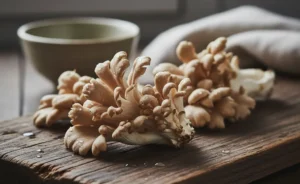
The appearance of Tremella fuciformis is truly distinctive. When fresh or rehydrated from its dried tremella form, it typically presents as a translucent, wavy, or frilly mass, often described as resembling coral or a delicate white ear. Its color can range from pure white to a pale yellowish hue. The most remarkable characteristic, however, is its texture. It boasts a unique gelatinous texture, feeling soft, somewhat bouncy, and hydrating, which sets it apart from many other medicinal mushrooms. This texture is not only aesthetically pleasing but also contributes to its appeal in various culinary applications.
Key Nutritional Components and Bioactive Compounds
Beyond its unique appearance, Tremella fuciformis is valued for its rich nutritional profile and diverse bioactive compounds, earning it a place among superfood and functional fungi. It is notably rich in polysaccharides, particularly beta-glucans, which are widely studied for their potential immune modulator properties. This white jelly mushroom also contains dietary fiber, vitamins, and minerals. Crucially, research has focused on its capacity to support skin hydration, potentially due to compounds that mimic or support hyaluronic acid and collagen production, often leading to associations with anti-aging benefits. Its antioxidant properties further contribute to its reputation for cellular protection and overall wellness. Historically, this silver ear mushroom has been revered in Traditional Chinese Medicine for its adaptogen qualities, supporting various aspects of health.
In conclusion, the primary confusion surrounding tremella mushroom vs snow fungus can be unequivocally resolved: they are indeed the same organism, Tremella fuciformis. This remarkable functional fungi, known also as silver ear mushroom or white jelly mushroom, possesses a distinctive gelatinous texture and a mild flavor, making it a versatile ingredient in many culinary traditions. Beyond its culinary appeal, it is highly valued for its rich array of bioactive compounds, including polysaccharides, which are associated with potential benefits for skin hydration, immune system support, and antioxidant activity. Whether referred to by its scientific name or its common aliases, this mushroom continues to be recognized for its unique contribution to both gastronomy and wellness practices.
The content provided in this article is intended for informational learning, not clinical application. This information should not be used as a substitute for professional medical advice, diagnosis, or treatment. Always consult with a qualified healthcare provider before making any decisions related to your health or starting any new supplement regimen. Individual results may vary, and the efficacy of supplements has not always been evaluated by regulatory bodies. It is important to discuss any health concerns with a medical professional.
FAQ
— Are tremella mushroom and snow fungus interchangeable names?
Yes, tremella mushroom and snow fungus are indeed interchangeable names for the same species, *Tremella fuciformis*. The difference in terminology primarily reflects their common names in different cultural contexts, with “snow fungus” being a popular term in traditional Chinese medicine and cuisine. Therefore, when discussing tremella mushroom vs snow fungus, it’s important to recognize they refer to the identical organism.