Foraging for wild mushrooms is a rewarding pursuit, but it demands unwavering attention to detail, especially when seeking coveted culinary treasures. Among the most prized finds are true morels, known for their unique honeycomb appearance and rich, earthy flavor. However, the forest holds deceptive lookalikes, and the stakes for misidentification are dangerously high. A successful hunt hinges on mastering the critical distinctions between edible varieties and their toxic counterparts. This guide is dedicated to providing that clarity, breaking down the essential knowledge for navigating the morel mushroom vs poisonous lookalike dilemma. By focusing on key structural differences, from the cap’s attachment to the stem’s interior, you can build the confidence needed to forage safely and responsibly.
False Morel vs Morel
Understanding the fundamental differences between true morels and their dangerous imposters is the most critical skill for any forager. While both can be found in similar habitats during the spring, their structural characteristics are worlds apart. True morels are prized for their culinary value, whereas false morels contain toxins that can cause severe illness. Careful, hands-on inspection is the only reliable way to distinguish them. For more information on morel mushroom safety, consult expert guides.
Key Features of True Morels
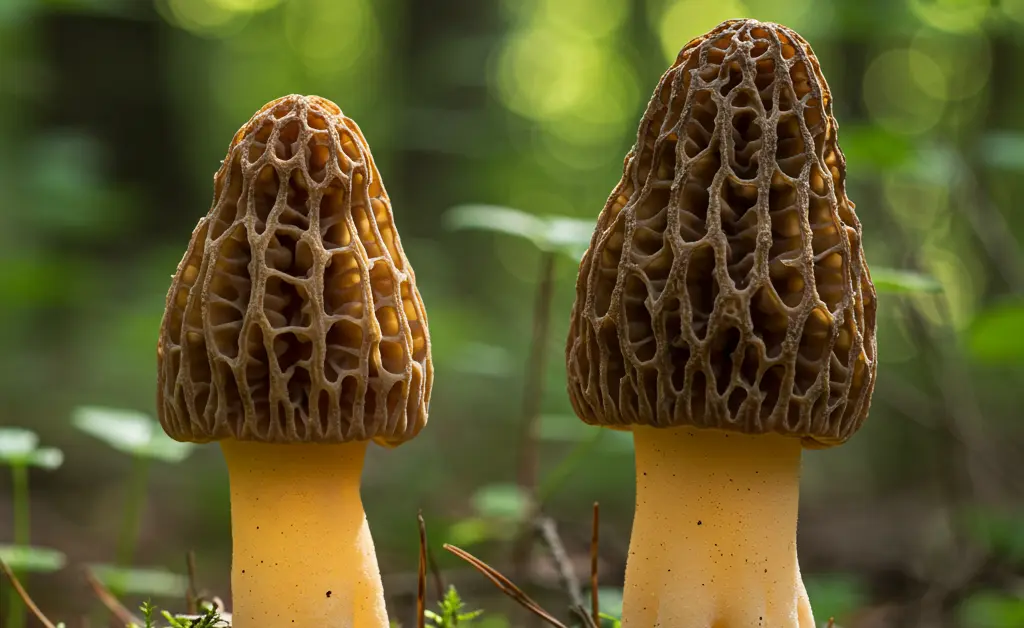
True morels, belonging to the genus Morchella, have a few unmistakable features. The most definitive test is to slice the mushroom lengthwise from top to bottom. A true morel will be completely hollow inside, with the cap and stem forming one continuous, empty chamber. The cap itself has a distinct appearance, featuring a network of ridges and pits that resemble a honeycomb. Finally, the bottom edge of the cap is fully attached to the stem, with no hanging or free-standing lobe.
Key Features of False Morels
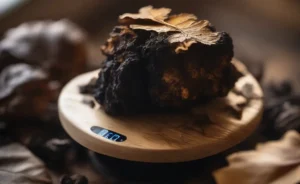
False morels, most notably those in the Gyromitra genus, have features that clearly set them apart from true morels. When sliced open, a false morel is not hollow. Its interior is typically filled with cottony fibers, tissue, or divided into multiple chambers. The cap does not have the uniform pits and ridges of a true morel; instead, it appears wavy, lobed, or brain-like. In many false morel species, the cap is attached only at the very top of the stem, with the lower portion hanging freely, much like a skirt.
Common False Morel Species
The term “false morel” primarily refers to mushrooms in the genus Gyromitra, such as Gyromitra esculenta. These species are known for their reddish-brown, convoluted caps that can look superficially similar to true morels from a distance. Other lookalikes can come from the Verpa genus, often called “early morels,” which are distinguished by a cap that hangs completely free from the stem, attached only at the apex. Learning to recognize the general characteristics of these groups is key to avoiding misidentification.
What Does a False Morel Mushroom Look Like?
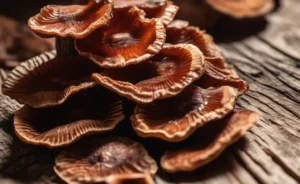
Visually, a false morel presents a stark contrast to a true one upon close inspection. Its cap is not pitted like a honeycomb but is irregularly folded, wrinkled, and often has a reddish-brown hue, resembling a brain or a saddle. When you examine where the cap meets the stem, you will often find that it hangs over the stem rather than being fused to it. The definitive giveaway is the interior; it will be chambered or filled with wispy material, not perfectly hollow. These features are crucial in the context of identifying a morel mushroom vs poisonous counterpart. Certain individuals may experience morel mushroom side effects if not properly identified or prepared.
Dangers of Consuming False Morels
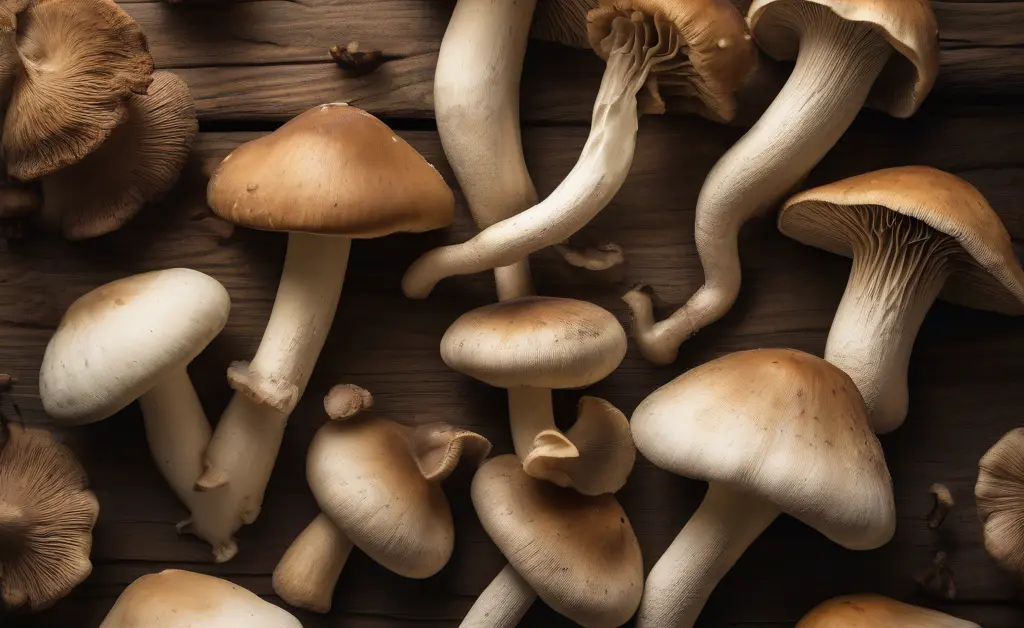
The consumption of false morels poses significant health risks. Unlike true morels, which are safe when cooked, false morels contain volatile toxins that can cause a range of severe symptoms. The level of toxicity can vary based on the specific species, its preparation method, and individual sensitivity, but no false morel should ever be considered safe for consumption without expert-level knowledge of detoxification methods, which are themselves risky.
Symptoms of False Morel Poisoning
Ingesting false morels can lead to a condition known as gyromitra poisoning. The initial symptoms often appear several hours after consumption and typically begin with gastrointestinal distress. This can include intense nausea, vomiting, abdominal cramping, and watery diarrhea. In addition to digestive issues, individuals may experience headaches, dizziness, and profound fatigue.
False Morel Poisoning Symptoms
Expanding on the initial signs, false morel poisoning symptoms can progress to become more severe. After the gastrointestinal phase, some individuals may develop signs of liver and kidney damage. Neurological symptoms are also possible, including a loss of muscle coordination, confusion, and in very serious cases, seizures. The onset and severity of these symptoms can be unpredictable, making any consumption of these mushrooms a dangerous gamble. It is important to note that you can’t eat morels with alcohol due to potential interactions.
Toxins Present in False Morels
The primary toxin responsible for false morel poisoning is gyromitrin. This compound itself is not the main issue, but when ingested, the body’s digestive process metabolizes it into monomethylhydrazine (MMH), a highly toxic substance also found in some rocket fuels. MMH is volatile and can cause widespread cellular damage, particularly affecting the liver, central nervous system, and red blood cells. The serious health implications of this toxin underscore the importance of the morel mushroom vs poisonous lookalike distinction.
Why True Morels Need Cooking
Even though true morels are edible and delicious, they should never be eaten raw. True morels contain small amounts of compounds that can cause mild gastrointestinal upset, a condition sometimes referred to as “morel sickness.” The heat from proper cooking, such as sautéing, frying, or baking, effectively breaks down these substances, rendering the mushrooms perfectly safe and digestible. This universal rule of cooking all wild mushrooms adds a crucial layer of safety to foraging. Pregnant individuals should exercise extreme caution and consider morel mushroom for pregnancy guidelines carefully.
Difference Between Edible and Poisonous Mushroom
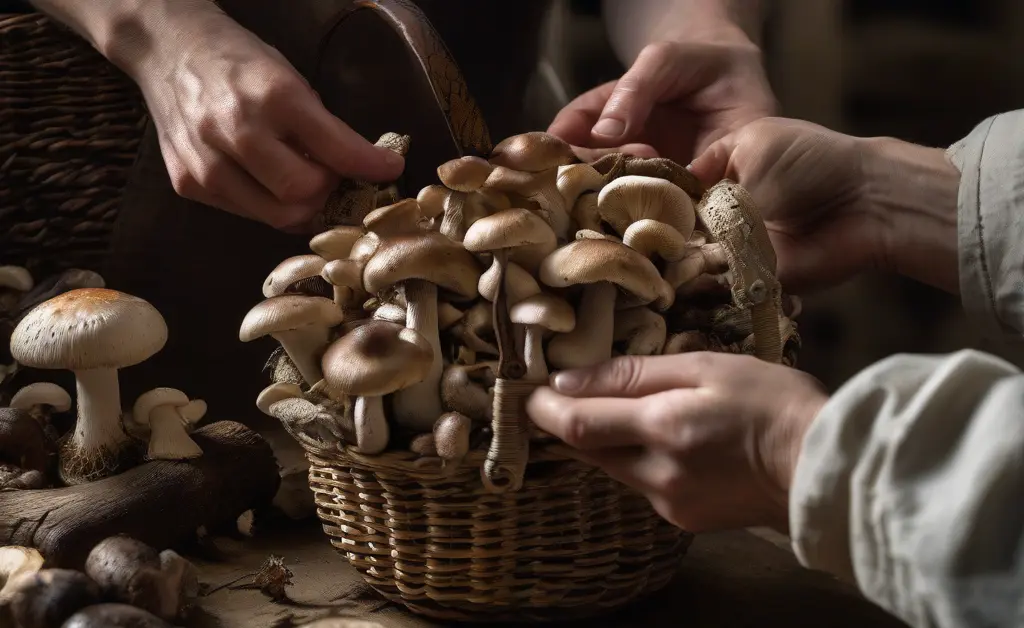
The world of mycology is filled with pairs of edible and poisonous mushrooms that bear a resemblance to one another. There are no simple rules or universal tests, like whether a mushroom peels easily or doesn’t tarnish silver, to determine edibility. The only safe method is to learn the specific, key identifying features of each individual species you intend to forage. Absolute certainty is required, and the golden rule for any forager is: “When in doubt, throw it out.”
Edible Mushrooms and Their Poisonous Look-alikes
The challenge of distinguishing edible from toxic varieties extends far beyond morels. Many prized edible mushrooms have dangerous mimics. For example, the delicious Chanterelle has a poisonous look-alike in the Jack-o’-Lantern mushroom, which can cause severe gastrointestinal distress. Similarly, choice edible Puffballs can be confused with the deadly immature “egg” stage of Amanita mushrooms. The classic morel mushroom vs poisonous lookalike scenario is just one of many examples that highlight the critical need for meticulous mushroom identification before consumption. Food safety regulations are vital in this area, as overseen by organizations like EFSA.
In conclusion, the practice of foraging for morels can be a safe and enjoyable activity, provided one adheres to strict identification protocols. The single most reliable method to distinguish a true morel from a false one is to slice it vertically. A true, edible morel will always be completely hollow from the top of its cap to the bottom of its stem, with the cap fully attached. A false morel will be chambered or filled with tissue. Given the severe risks associated with false morel consumption, no mushroom should ever be eaten unless its identity is confirmed with 100% certainty. Safe foraging is knowledgeable foraging.
The information presented in this article is educational and not meant as professional medical counsel. The identification of wild mushrooms requires expert knowledge, and misidentification can lead to severe poisoning. Do not consume any wild mushroom unless you are absolutely certain of its identity. If you suspect you have consumed a poisonous mushroom, seek immediate emergency medical attention. This content should not be used as a field guide for mushroom identification.
FAQ
How can you tell if a morel mushroom is poisonous?
Distinguishing true morels from their look-alikes is crucial for safety, as some poisonous varieties can cause severe illness. True morels have a distinctive honeycomb-like appearance on their cap, and their cap is attached directly to the stalk. False morels, on the other hand, often have wrinkled or brain-like caps that are not fully hollow inside and may have a distinct stem with chambers.
What are the differences between true and false morels?
The primary differences lie in the cap structure and internal hollowness. True morels have caps that are deeply pitted and ridged, resembling a honeycomb, and the entire mushroom, including the stem, is hollow. False morels typically possess caps that are more irregular, wavy, or brain-like, and they are often chambered or filled with cottony material rather than being completely hollow.
What happens if you eat a false morel?
Ingesting certain false morel varieties can lead to gastrointestinal distress, including nausea, vomiting, diarrhea, and abdominal pain. Some individuals may experience more severe neurological symptoms, such as dizziness or headaches, following consumption. It is important to properly identify any wild mushroom before considering it for consumption.
Are all morels safe to eat?
While true morels are generally considered safe and delicious when properly cooked, not all mushrooms that resemble them are edible. Certain species, often referred to as “false morels,” contain toxins that can cause adverse reactions. Thorough identification by an experienced forager is essential to ensure you are harvesting true morels.