For many culinary adventurers, the thrill of finding and preparing wild morel mushrooms is often tempered by a nagging uncertainty. Stories of their exquisite, nutty flavor are widespread, but so are warnings about the dangers they can pose if not handled correctly. The line between a gourmet meal and a medical emergency can feel alarmingly thin, creating confusion for even experienced foragers and home cooks. While rare, understanding the specific circumstances that have led to severe illness and even documented morel mushroom deaths is crucial for anyone considering this delicacy. This knowledge helps transform fear into informed caution, ensuring that the pursuit of this prized ingredient is both enjoyable and safe.
Causes of Morel Mushroom Deaths
Severe Outcomes and Fatalities
While true morel mushrooms are prized edibles, they are not without risk. The most severe outcomes, including significant illness, are typically linked to specific circumstances rather than the mushroom being inherently poisonous when prepared correctly. Cases of extreme illness often involve the consumption of large quantities of morels in a single sitting, eating them raw or undercooked, or an individual’s unique sensitivity. In very rare instances, these factors have tragically contributed to documented morel mushroom deaths, highlighting the critical importance of moderation and proper preparation. Learn more about morel mushroom safety.
Morel mushroom deaths 2021
Pinpointing specific fatality statistics for any given year, such as 2021, can be challenging. Public health agencies and poison control centers compile data on foodborne illnesses, but detailed reports linking fatalities directly to morels are infrequent. Often, severe incidents are later attributed to misidentification, where a toxic “false morel” was consumed by mistake. When true morels are implicated, it’s almost always connected to improper handling, such as being eaten raw. These events underscore a consistent message from mycologists and health experts: knowledge and caution are non-negotiable when dealing with any wild mushroom.
Understanding Morel Mushroom Poisoning
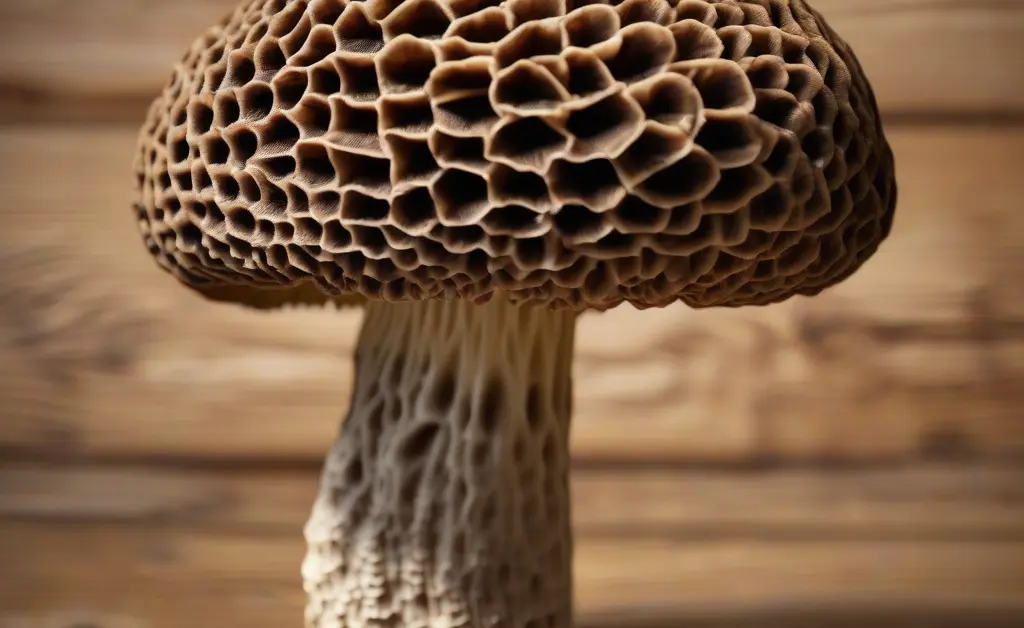
Distinguishing Edible from Toxic Mushrooms
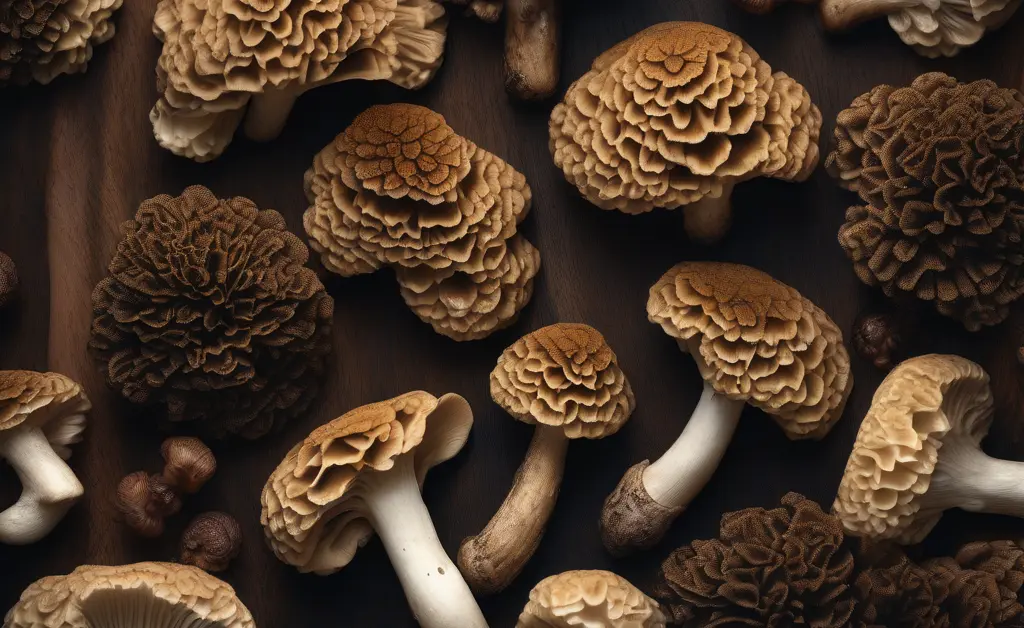
One of the greatest dangers in mushroom foraging is misidentification. True morels (from the Morchella genus) have several key features that distinguish them from toxic look-alikes, often called “false morels” (such as those from the Gyromitra or Verpa genera). A defining characteristic of a true morel is that its cap and stem are completely hollow when sliced lengthwise, forming a single, continuous chamber. The cap is also fully attached to the stem. In contrast, false morels often have a cottony or fibrous substance inside their stems and their caps may hang freely from the stem, resembling a skirt. It’s important to understand morel mushroom vs poisonous look-alikes.
Consumption of Raw or Undercooked Morels
A primary cause of morel-related illness is consuming them raw or insufficiently cooked. Morels contain small amounts of thermolabile compounds, meaning they are broken down and neutralized by heat. When eaten raw, these compounds can irritate the digestive system and cause significant gastrointestinal distress. This reaction is not a true poisoning in the same way as consuming a deadly mushroom, but it can be severe. In situations involving very large quantities or particularly sensitive individuals, the consequences can be serious and, in the worst-case scenarios, have been associated with outcomes leading to morel mushroom deaths.
Misidentification of Toxic Mushrooms
Many reported cases of “morel poisoning” are actually cases of false morel poisoning. Species like Gyromitra esculenta contain a potent toxin that can cause severe neurological damage, liver and kidney failure, and can be fatal. The symptoms are often delayed and far more severe than the gastrointestinal upset associated with raw true morels. This confusion makes it critically important for foragers to be absolutely certain of their identification, as the consequences of a mistake can be life-threatening. Research on these toxins can be found on PubMed.
Morel Poisoning Symptoms and Risks
Gastrointestinal Distress
The most common symptom associated with improperly prepared morel mushrooms is gastrointestinal upset. This typically occurs within a few hours of consumption and can include symptoms such as nausea, vomiting, abdominal cramping, and diarrhea. The severity of these symptoms often depends on the quantity consumed and the individual’s sensitivity. For most healthy individuals, these symptoms are temporary and resolve on their own, but they can be intensely unpleasant and lead to dehydration. Understanding the morel mushroom side effects is crucial.
Neurological Effects
In some cases, particularly when very large amounts of morels are eaten in one meal, individuals have reported experiencing neurological symptoms. Sometimes referred to as morel neurologic syndrome, these effects can include dizziness, loss of muscle coordination, tremors, and visual disturbances. These symptoms are less common than gastrointestinal issues but are more alarming. The exact mechanism is not fully understood, but it appears to be dose-dependent, reinforcing the importance of consuming morels in moderation, even when thoroughly cooked.
Allergic Reactions and Sensitivities
Separate from the issues of cooking and quantity, some people may have a natural allergy or sensitivity to morel mushrooms. Just as individuals can be allergic to common foods like peanuts or shellfish, a specific intolerance to morels is possible. An allergic reaction could manifest as hives, swelling, or digestive upset even after consuming a small amount of fully cooked mushrooms. For this reason, it is always wise to try a small portion the first time you eat any new wild food.
Safety and Precautions for Morel Mushrooms
Proper Identification Techniques
The foremost rule of mushroom foraging is to be 100% certain of your identification. Never consume a wild mushroom unless you are positive about its species. For morels, this means learning to recognize the key features: the pitted, ridged cap, the completely hollow interior from top to bottom, and the full attachment of the cap to the stem. Cross-reference your finds with multiple reputable field guides, join a local mycological society, and if you have any doubt, do not eat it.
Cooking Guidelines for Morel Mushrooms
Morels must always be cooked thoroughly before consumption. This simple step deactivates the compounds that cause gastrointestinal illness. They should be cooked until they are tender throughout, not just lightly seared or warmed. Avoid methods like flash-frying that may not heat the mushroom’s interior sufficiently. Proper cooking is the single most effective measure to prevent morel-related sickness and is a critical practice to avoid the rare circumstances that could lead to morel mushroom deaths.
Safe Sourcing and Foraging Practices
If you are foraging, choose your location carefully. Avoid areas near busy roads, industrial sites, or lawns that may have been treated with pesticides or herbicides, as mushrooms can absorb these contaminants. When harvesting, use a knife to cut the stem at ground level to leave the mycelial network intact. Collect your mushrooms in a mesh bag or basket, which allows spores to disperse and prevents the mushrooms from getting mushy and deteriorating, which can also contribute to illness.
What to Do If You Suspect Morel Mushroom Poisoning
When to Seek Emergency Medical Attention
If you or someone you know experiences any adverse symptoms after eating wild mushrooms, seek emergency medical attention immediately. Do not wait for symptoms to worsen. This includes gastrointestinal symptoms like severe vomiting or diarrhea, as well as any neurological effects such as dizziness, confusion, or visual changes. Prompt medical care is essential in any case of suspected mushroom poisoning.
Providing Information to Medical Professionals
When you seek medical help, provide as much information as possible. Tell the healthcare providers what kind of mushroom you believe you ate, when you ate it, how much was consumed, and how it was prepared. If possible, bring a sample of the exact mushroom that was eaten, wrapped in a paper towel and placed in a paper bag (not plastic). This sample can be crucial for mycologists to identify the species and help doctors determine the correct treatment. This information can be vital in preventing the most severe outcomes, including the scenarios that can lead to morel mushroom deaths.
Reporting Suspected Poisoning Incidents
In addition to seeking immediate medical care, you should report the incident to your local poison control center. These centers collect data that is invaluable for tracking poisoning events, understanding risks associated with different mushroom species, and educating the public. Your report can help healthcare professionals in your area and may contribute to preventing future incidents.
In conclusion, morel mushrooms can be a safe and exquisite culinary ingredient when treated with the proper respect. The risk of severe illness is exceptionally low but increases dramatically when they are misidentified, eaten raw, or consumed in excessive quantities. By prioritizing absolute certainty in identification, committing to thorough cooking, and practicing moderation, enthusiasts can confidently and safely enjoy this celebrated wild food. Informed caution is the key to transforming potential danger into a rewarding dining experience.
This article is written for general understanding and not for medical decision-making. The information provided is not a substitute for professional medical advice, diagnosis, or treatment. Always seek the advice of your physician or other qualified health provider with any questions you may have regarding a medical condition or before consuming any wild plant or mushroom. Never disregard professional medical advice or delay in seeking it because of something you have read here.
FAQ
Can eating raw morel mushrooms kill you?
While the exact mechanism isn’t fully understood, consuming raw morel mushrooms can lead to gastrointestinal distress and other adverse reactions. Cooking morels is essential to break down potentially toxic compounds and make them digestible. Improper preparation or consumption of raw morels has been linked to illness.
How many people have died from morels?
There have been documented cases of severe illness and even fatalities associated with the consumption of morel mushrooms. These unfortunate outcomes are often attributed to misidentification of toxic look-alike species or improper preparation of true morels. The exact number of morel mushroom deaths is not precisely tracked, but the potential for serious harm is a recognized concern within the foraging community.