
Few wild foods generate as much excitement as the morel mushroom. This enthusiasm, however, must be balanced with a thorough understanding of proper identification and preparation. Ensuring Morel Mushroom Safety involves more than just finding them; it requires distinguishing true morels from toxic look-alikes and knowing the critical importance of cooking them correctly. Consuming raw or undercooked morels can lead to significant gastrointestinal distress and other adverse health effects. This guide covers the essential steps for accurate identification, proper cooking techniques, and recognizing the risks associated with these popular fungi, allowing you to enjoy your harvest without worry.
Identifying Morel Mushrooms Safely
The first and most critical step in enjoying wild morels is positive identification. While they are distinctive, several toxic species can appear similar to the untrained eye. Foraging for any wild mushroom carries inherent risks, and certainty in identification is non-negotiable.
Key Features of True Morels
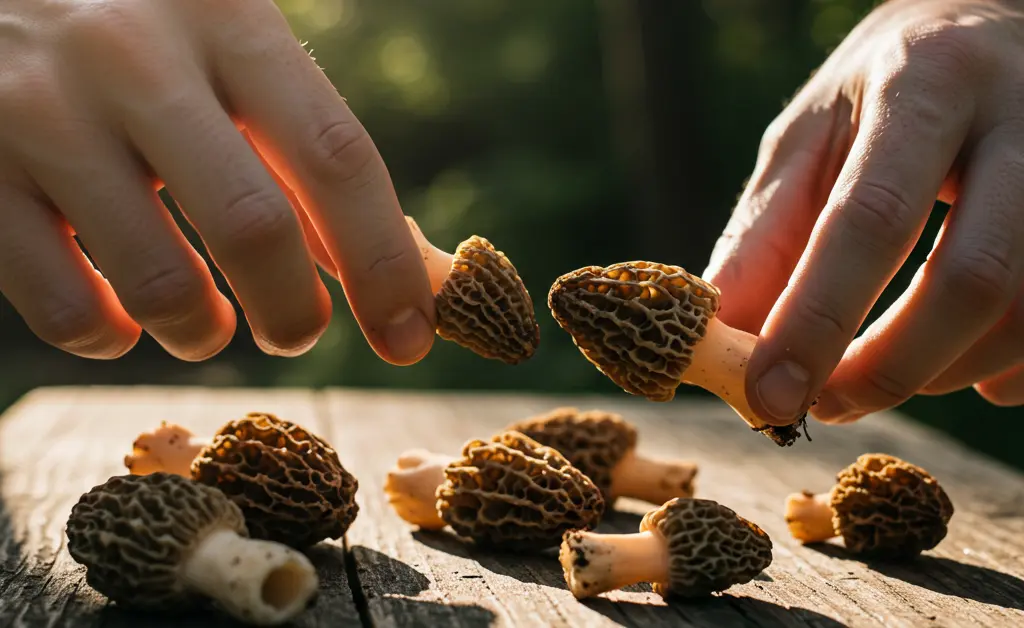
True morels, belonging to the genus Morchella, have a unique set of characteristics that distinguish them from dangerous look-alikes. When you find a potential morel, look for these features:
- Hollow Interior: A defining feature of a true morel is that it is completely hollow from the tip of the cap down through the stem. Slicing the mushroom lengthwise is the only way to confirm this.
- Attached Cap: The cap is fully attached to the stem, with no skirt-like overhang or gap. The base of the cap merges seamlessly with the stem.
- Pitted and Ridged Cap: The cap has a deeply pitted, honeycombed appearance, with ridges and pits rather than wrinkles or folds. It resembles a natural sea sponge.
Common False Morel Varieties to Avoid
Several species are commonly referred to as “false morels,” and they can cause serious illness if consumed. The most well-known culprits belong to the genera Gyromitra, Verpa, and Helvella. These mushrooms contain toxins that are not always neutralized by cooking and can lead to severe poisoning. Learning to recognize these imposters is just as important as knowing what a true morel looks like.
What does a false morel mushroom look like?
False morels have several tell-tale signs that set them apart from true, edible morels. Species in the Gyromitra genus often have a reddish-brown cap that is wrinkled and folded, appearing more like a brain than a honeycomb. When sliced open, they are not hollow but contain cottony fibers or chambers. Species in the Verpa genus, known as “early morels,” have a cap that hangs freely from the top of the stem, much like a thimble on a finger. A lengthwise cut will reveal the cap is not fused to the stem, a key difference from true morels.
Importance of Accurate Identification
There is no room for error in mushroom identification. Consuming a false morel can have dire consequences, as some contain volatile toxins that can damage the liver, kidneys, and central nervous system. The old adage, “When in doubt, throw it out,” is the most important rule of foraging. If you are not 100% certain of a mushroom’s identity, consult an experienced mycologist or a local mushroom identification group. Never consume a wild mushroom based solely on photos from a book or website.
False Morel vs. True Morel Identification
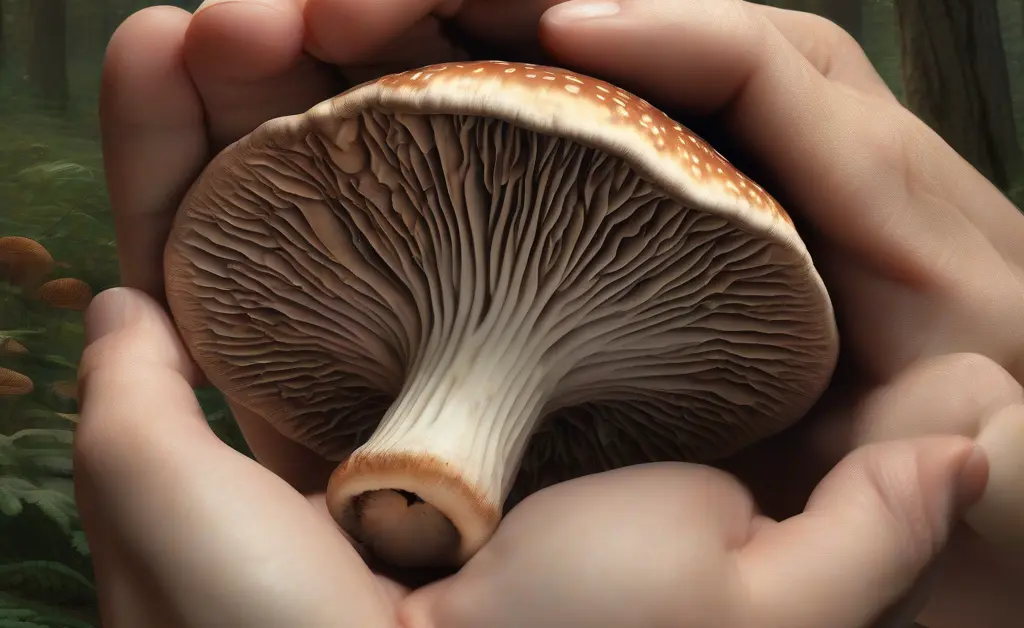
Distinguishing between true and false morels is a fundamental skill for any forager. While both may appear in similar habitats during the spring, a few simple checks can reveal the critical differences. The most reliable method is slicing the mushroom vertically to inspect its interior structure and cap attachment.
Why can’t you eat morels raw?
Even true, correctly identified morels must never be eaten raw. They contain small amounts of naturally occurring compounds that can cause significant gastrointestinal distress, including cramps, bloating, and vomiting. The cooking process is an essential part of preparation that neutralizes these substances, rendering the mushrooms delicious and safe to eat. Adhering to this rule is a cornerstone of overall Morel Mushroom Safety.
Understanding the Science Behind Raw Morel Consumption
The compounds in raw morels responsible for causing illness are believed to be thermolabile, meaning they break down when exposed to sufficient heat. While the exact chemical nature of all these substances is still being studied, their effects are well-documented. When consumed raw, they act as irritants to the digestive tract. Thorough cooking ensures these compounds are denatured, eliminating the risk of this type of mushroom-induced upset and allowing for safe consumption. For more information on fungal research, you can consult resources from the NIH.
Morel Mushroom Poisoning Symptoms and Risks
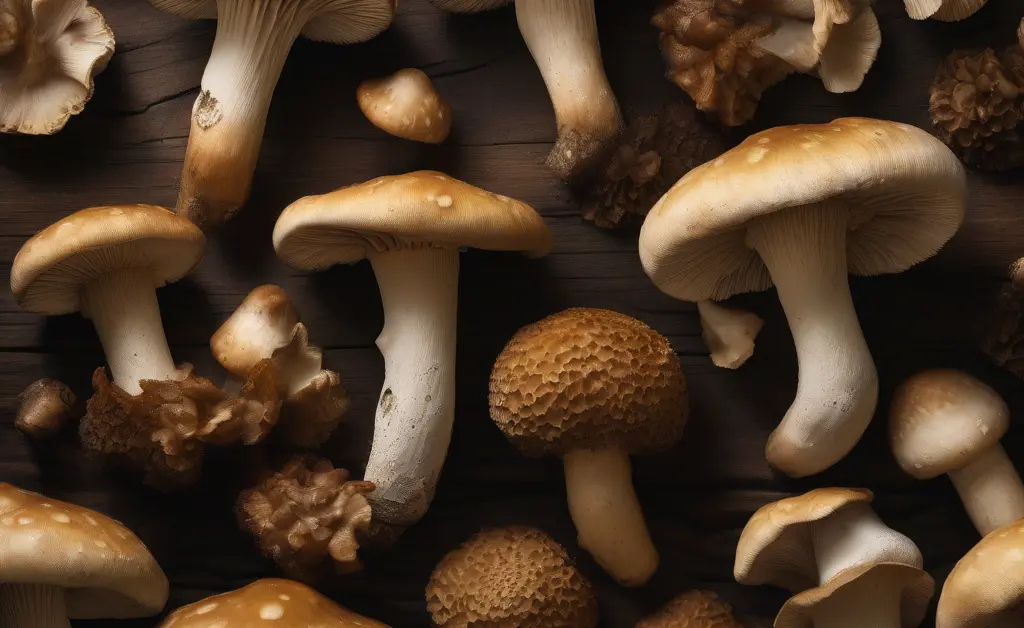
Understanding the potential symptoms associated with consuming improperly prepared morels or false morels is crucial. Reactions can range from mild digestive upset to severe, life-threatening poisoning, depending on the type of mushroom eaten and how it was prepared.
Gastrointestinal Upset from Raw Morels
The most common adverse reaction to morels comes from eating them raw or undercooked. Symptoms typically appear within a few hours of consumption and are primarily gastrointestinal. Individuals may experience nausea, vomiting, abdominal cramps, and diarrhea. While uncomfortable, this type of reaction is usually self-limiting and resolves on its own once the irritants have passed through the system.
Mycotoxins and Their Effects
False morels, particularly those in the Gyromitra genus, contain potent mycotoxins. The most notorious of these is gyromitrin, which the body metabolizes into monomethylhydrazine—a component of rocket fuel. This toxin is cytotoxic, meaning it can damage cells, and is particularly harmful to the liver and nervous system. Symptoms of gyromitrin poisoning can be delayed and may include severe nausea, dizziness, and in serious cases, jaundice, seizures, or coma.
Toxin Variability in Different Morel Species
The concentration of potentially irritating compounds can vary even among true morel species, as well as by geographical location, weather conditions, and the substrate they grow on. This variability means there is no “safe” amount of raw morel to consume. The only way to ensure safety is to cook all morels thoroughly, regardless of their origin or specific type. This universal precaution accounts for any unknown variables in their chemical makeup.
Risks of Consuming Raw or Undercooked Morel Mushrooms
The primary risk associated with morel consumption is not from the properly cooked mushroom but from improper preparation. Eating them raw or not cooking them long enough fails to neutralize the natural irritants they contain, leading to predictable and unpleasant health consequences.
Essential Cooking Steps for Morel Safety
Proper preparation is key to enjoying morels without worry. First, clean them thoroughly by brushing off any dirt and debris. Many foragers also slice them in half to inspect for insects and confirm they are hollow. Cooking is the final and most important step for Morel Mushroom Safety. Sautéing, pan-frying, or roasting are excellent methods that ensure the mushrooms reach a high enough temperature to break down any harmful compounds.
Recommended Cooking Times and Temperatures
While specific times can vary based on the cooking method and size of the mushroom pieces, the goal is to cook them completely through. Morels should not be merely warmed but cooked until they are tender and often slightly browned or crisped at the edges. A hot pan is essential for sautéing to ensure the heat penetrates the mushroom tissue effectively. Avoid low-temperature cooking methods that may not be sufficient to neutralize the irritants.
Methods to Neutralize Morel Toxins
Heat is the only reliable method for making true morels safe to eat. The high temperatures achieved through frying, sautéing, baking, or boiling effectively denature the thermolabile compounds that cause gastrointestinal upset. It is also important to cook them in a well-ventilated area, as the cooking process can release vapors that may be irritating to some sensitive individuals. Steaming may not always reach a high enough temperature consistently, so other methods are generally preferred.
Allergic Reactions and Sensitivities to Morels
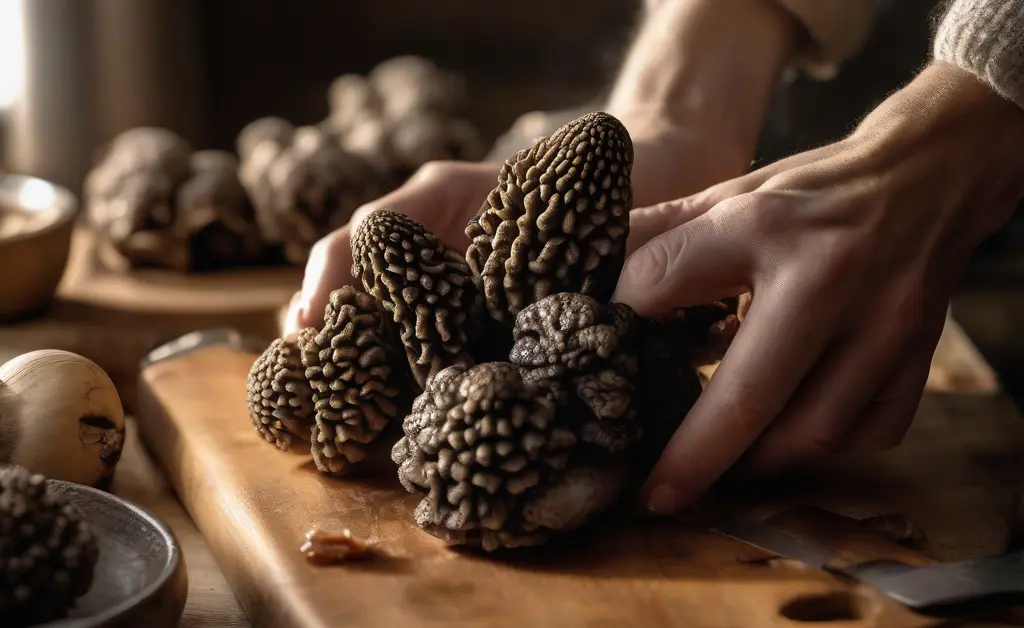
Beyond the risks of raw consumption and misidentification, some individuals may have a specific sensitivity or allergic reaction to even properly cooked morels. As with any food, it is wise to be cautious when trying them for the first time.
Recognizing Symptoms of Morel Sensitivity
An allergic reaction or sensitivity can manifest differently from the gastrointestinal upset caused by raw morels. Symptoms might include skin reactions like hives, itching, or a rash. Some people may experience a tingling sensation in their lips or throat, while others might still have digestive issues. These reactions are typically related to an individual’s immune system responding to a protein in the mushroom.
Who is at Higher Risk for Reactions?
Individuals with a history of allergies, particularly to other types of fungi or molds, may have a higher likelihood of reacting to morels. Anyone with multiple food sensitivities should also exercise caution. When trying morels for the first time, it is a prudent measure of Morel Mushroom Safety to start with a very small, well-cooked portion to see how your body responds before consuming a larger amount. This cautious approach is also advisable for morel mushroom for pregnancy considerations.
Ultimately, enjoying the unique flavor of morel mushrooms is a rewarding experience that connects us to the natural world. This enjoyment, however, is conditional on a deep respect for the rules of foraging and preparation. The pillars of Morel Mushroom Safety are absolute certainty in identification, a commitment to never eating them raw, and the practice of thorough cooking. By diligently following these guidelines, you can confidently and safely savor one of spring’s greatest wild treasures.
This content is for informational use and should not be considered medical instruction. The information provided does not substitute for guidance from a professional mycologist for identification or a healthcare provider for medical concerns. Always exercise extreme caution when identifying, handling, and consuming any wild mushroom. If you suspect you or someone else has consumed a poisonous mushroom, seek immediate emergency medical attention.
FAQ
Can you get sick from eating raw morel mushrooms?
Eating raw morel mushrooms can lead to gastrointestinal distress. Their unique compounds require heat to break down, making them digestible and safe for consumption.
What happens if you eat uncooked morels?
Consuming uncooked morels may result in symptoms like nausea, vomiting, and diarrhea. Proper cooking neutralizes certain compounds that can irritate the digestive system.
How long do you need to cook morels to make them safe?
Morels generally require thorough cooking for at least 10-20 minutes to ensure they are safe to eat. This cooking time helps to degrade toxins and make their nutrients bioavailable.
Are all morels edible?
While many morels are delicious and safe when cooked, a few varieties are toxic and can cause serious illness. Accurate identification is crucial for Morel Mushroom Safety, as some look-alikes can be poisonous.