Chanterelle mushrooms are a culinary delight, often sought after for their delicate flavor and beautiful golden hues. Many people enjoy searching for these unique fungi in the wild. The availability of chanterelle mushrooms in the USA varies significantly by region and season, offering a wonderful opportunity for both novice and experienced foragers to discover them. Understanding where and when to find these prized mushrooms is key to a successful and enjoyable foraging experience.
Chanterelle Mushrooms USA: Edible or Poisonous?
True chanterelle mushrooms are celebrated as a choice edible species, prized by chefs and foragers for their unique flavor and firm texture. When correctly identified, they are a safe and delicious addition to many meals. However, the world of wild fungi demands absolute certainty, as several look-alike species exist, some of which are toxic. The most notable look-alike is the Jack-o’-lantern mushroom, which can cause significant gastrointestinal distress if consumed. Therefore, while true chanterelles are edible, foragers must be 100% confident in their identification skills before consuming any wild mushroom. For beginners, it is highly recommended to forage with an experienced guide or have findings verified by a local mycological expert. The variety of chanterelle mushrooms USA foragers can find makes identification a critical skill.
Identifying False Chanterelle vs Chanterelle in the USA
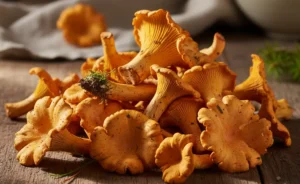
Distinguishing true chanterelles from their look-alikes is the most important skill for a forager. The key differences lie in the gills, color, and growth habit. True chanterelles do not have true gills; instead, they possess false gills, which are better described as forked, blunt ridges that run down the stem and cannot be easily separated from the cap. They have a solid, dense interior, and when sliced open, the flesh is typically white or pale yellow.
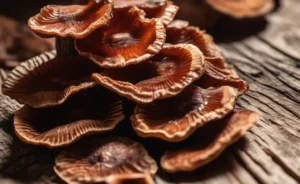
One of the most defining key visual characteristics is this gill structure. In contrast, the poisonous Jack-o’-lantern mushroom has true, knife-like gills that are thin, deep, and clearly separate structures. Jack-o’-lanterns also grow in dense, fused clusters directly on wood or buried roots, whereas chanterelles grow individually or in scattered groupings on the forest floor, never directly on wood. Furthermore, the false chanterelle, while not as toxic as the Jack-o’-lantern, can also cause digestive upset. It can be distinguished by its true, deep orange gills and a softer, less substantial texture. Finally, the smell and texture test can be a helpful clue; true chanterelles often have a faint, fruity aroma reminiscent of apricots and a firm, meaty feel.
Guide to Chanterelle Mushroom Foraging in the USA
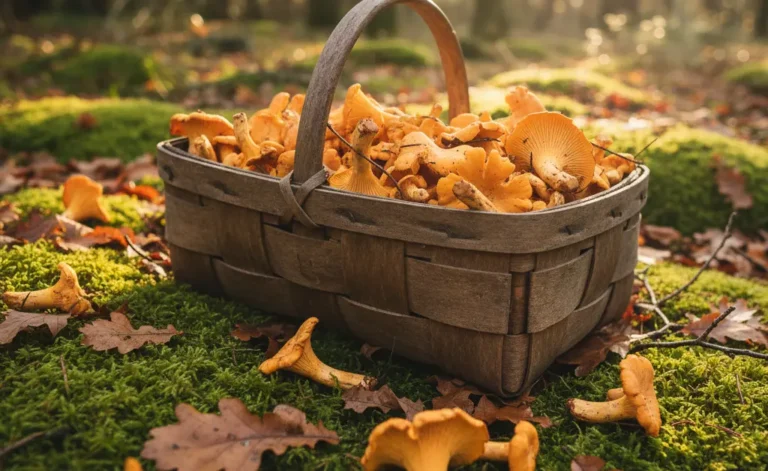
A successful foraging trip requires preparation, the right tools, and a commitment to ethical harvesting. Having the essential gear for foraging chanterelles not only makes the process easier but also helps protect the ecosystem. A breathable collection basket or bag, such as one made of wicker or mesh, is crucial. It prevents the mushrooms from becoming crushed and allows their spores to disperse as you walk, potentially seeding future growth.
A mushroom knife and brush combination is another valuable tool, allowing you to cleanly cut the mushroom at its base and brush off dirt in the field. For venturing into unfamiliar territory, navigation tools for remote areas, like a GPS device, compass, or a reliable map application on your phone, are indispensable for safety. When it comes to harvesting, sustainable practices are paramount. This involves properly cutting vs. pulling mushrooms; cutting the stem at ground level is generally preferred as it leaves the underground mycelial network undisturbed. Protecting the mycelium for future growth is the goal. It is also important to practice leaving small specimens to mature, ensuring they have a chance to grow and release spores for subsequent seasons.
Best Months for Chanterelles in the USA
The timing of chanterelle season is highly dependent on regional climate, rainfall, and temperature. While they are often associated with summer and fall, their fruiting period can extend into winter and spring in milder parts of the country. A good rule of thumb is that chanterelles tend to appear after significant rainfall following a period of warmth, but the specific months vary greatly across the United States.
Summer Season in the Midwest and East Coast
In the Midwest and along the East Coast, from the Appalachians to New England, the chanterelle season typically kicks off in the summer. Foragers can start looking as early as June and continue finding them through September. The flushes are heavily influenced by summer thunderstorms and consistent humidity. Hot, dry spells can temporarily halt their growth, but they will often reappear with the return of rain.
Fall and Winter Season in the Pacific Northwest
The Pacific Northwest is famous for its prolific chanterelle harvests. Here, the primary season is in the fall, generally starting in September and peaking in October and November. The season is triggered by the arrival of autumn rains and cooler temperatures. In the milder coastal regions of Oregon and Washington, it is sometimes possible to find chanterelles into the early winter months, especially if the weather remains damp and free of hard frosts.
Winter and Spring Season in the California and the Gulf Coast
California has a unique chanterelle season that is linked to its Mediterranean climate. The mushrooms begin to appear after the first significant autumn or winter rains, usually from November through February and sometimes into early spring. Along the Gulf Coast, from Texas to Florida, a similar winter season exists, where the mild, humid winters provide ideal conditions for chanterelles to fruit when much of the country is frozen.
Common Habitats and Locations Across the United States
Chanterelles form a mycorrhizal relationship with the roots of specific host trees, meaning they are always found growing in soil near these trees, never on dead wood. Understanding these forest ecosystems is key to finding them. The common habitats for chanterelle mushrooms USA-wide are typically mature, moist forests with ample shade and a healthy layer of leaf litter. They often favor slopes, ridges, and old logging roads where the soil is well-drained.
Pacific Northwest Forests (Oregon, Washington)
The damp, mossy coniferous forests of Oregon and Washington are prime chanterelle territory. They are most commonly found in association with Douglas fir and western hemlock trees. Foragers should look in second-growth or mature forests, often on the edges of trails or in areas with dappled sunlight filtering through the canopy.
California’s Oak Woodlands and Coniferous Forests
In California, chanterelles thrive in two main habitats. Along the coast and in the foothills, they are famously associated with live oak woodlands. Further inland and at higher elevations, they can also be found in mixed coniferous forests containing pine and fir. The season is entirely dependent on rainfall, making it a winter foraging activity.
Midwestern and Appalachian Hardwood Forests
Throughout the Midwest and the Appalachian mountain range, chanterelles are found in mature hardwood forests. They have a strong association with oak and beech trees. Look for them on mossy banks, near streams, and on hillsides where moisture collects but does not pool. These forests provide the perfect combination of shade, moisture, and the right tree partners.
Southeastern Pine and Oak Forests
In the Southeastern United States, chanterelles are a common sight during the hot, humid summer months. They grow abundantly in mixed pine and oak forests. These mushrooms are well-adapted to the region’s climate and often pop up in great numbers a few days after a heavy summer thunderstorm.
Key Tree Species Associations
Because chanterelles are mycorrhizal, identifying their partner trees is one of the most effective ways to locate them. This symbiotic relationship means the fungus and the tree exchange nutrients, and the mushroom will only grow where its specific tree partners are present. Across North America, the most important associations are with trees in the pine, fir, hemlock, beech, and oak families. In the Pacific Northwest, Douglas fir is a primary host. In California and the Midwest, various species of oak are key indicators. Along the East Coast, both oak and beech are common partners. Learning to identify these key tree species in your local area will dramatically increase your chances of a successful hunt.
Regional Foraging Permits and Regulations
Before heading out to forage, it is essential to understand and respect local laws. Foraging regulations vary significantly depending on land ownership. On private property, permission from the landowner is always required. On public lands, the rules differ. Many National Forests allow personal-use harvesting of mushrooms without a permit, but there are often limits on the quantity you can collect. Some forests, especially those with high commercial value, may require a foraging permit even for personal use. For detailed information on mushroom research and regulations, consult resources like the NIH.
State Parks, county parks, and other municipal lands often have stricter rules and may prohibit foraging altogether. It is the forager’s responsibility to check the regulations for the specific area they plan to visit. The best practice is to visit the official website or contact the land manager’s office (e.g., U.S. Forest Service, Bureau of Land Management, or a state’s Department of Natural Resources) to get the most current information on permits, quantity limits, and any specific rules for the season.
Where to Buy Chanterelle Mushrooms USA
For those who prefer to enjoy chanterelles without the hunt, there are several places to purchase them. During the local season, farmers’ markets are often the best source for fresh, high-quality mushrooms. Foragers and small-scale cultivators sell their harvest directly to consumers, ensuring peak freshness. Specialty grocery stores and high-end supermarkets also carry chanterelles when they are in season, though they may be sourced from different regions. Additionally, numerous online retailers specialize in wild and gourmet foods, offering fresh or dried chanterelle mushrooms USA-wide, shipped directly to your door. When buying, look for mushrooms that are firm, dry, and have a pleasant, fruity aroma. You can find options to buy chanterelle mushrooms.
Chanterelle Mushroom Price in the USA
The chanterelle mushroom is a gourmet ingredient, and its price reflects its status as a wild-harvested, seasonal delicacy. Prices can fluctuate dramatically based on several factors, including the time of year, geographic location, and the success of the recent harvest. Weather conditions like drought or an unusually short season can limit supply and drive prices up. Fresh chanterelles are typically sold by the pound or ounce and command a premium price, often being one of the more expensive mushrooms available at markets. Dried chanterelles are also available and are typically more affordable by weight, as they are concentrated, but they still represent a significant investment compared to common cultivated mushrooms. Understanding the chanterelle mushroom price is important for consumers.
The chanterelle mushroom is also available in other regions, such as the chanterelle mushrooms UK, and can be found in different languages, like chanterelle mushrooms in German.
Popular Chanterelle Recipes USA
The culinary appeal of the chanterelle lies in its delicate, nuanced flavor, which is a blend of fruity, peppery, and earthy notes. To best appreciate it, simple preparations are often favored. One of the most popular methods is to simply sauté them in butter with a bit of garlic, shallots, and fresh herbs like thyme or parsley. This allows their natural flavor to shine and creates a perfect topping for steak, chicken, or fish.
Chanterelles also hold their firm texture well when cooked, making them an excellent addition to creamy pasta sauces, risottos, and savory tarts. Their golden color and elegant shape add visual appeal to any dish. They are also wonderful in egg dishes, such as omelets and frittatas, or blended into rich, velvety soups. When planning recipes with chanterelle mushrooms USA foragers find, the goal is always to complement, not overpower, their unique taste.
The journey of finding, identifying, and preparing chanterelle mushrooms is a rewarding experience that connects you to the natural world. While the thrill of the hunt is a major draw, the ultimate prize is the delicious meal that follows. By understanding their habitats, respecting harvesting regulations, and being absolutely certain of your identification, you can safely enjoy this remarkable wild food. Whether foraged yourself or bought from a market, chanterelles offer a taste of the forest that is truly special.
It is important to note that this content is not intended as medical advice. The information provided about edible and poisonous mushrooms is for educational purposes only. Never consume a wild mushroom unless you are 100% certain of its identification, preferably confirmed by an expert. Misidentification of mushrooms can lead to serious illness or death. This article should not be used as a substitute for professional guidance from a mycologist or for medical diagnosis and treatment.
FAQ
When is chanterelle mushroom season in the USA?
Chanterelle mushroom season in the USA typically occurs during the warmer, wetter months, often starting in late spring and continuing through summer and into fall. The exact timing can vary significantly based on specific regional weather patterns and elevations.
What states can you find chanterelle mushrooms in?
Chanterelle mushrooms are found across a wide range of states in the USA, particularly in regions with suitable forest ecosystems. They are commonly reported in states throughout the Pacific Northwest, the Northeast, and the Southeast.
Where is the best place to hunt for chanterelles?
The best place to hunt for chanterelles is in mature, damp forests where they can form symbiotic relationships with trees. Look for areas with good soil drainage and a healthy understory, often near mossy ground or decaying logs.
What do chanterelle mushrooms look like in the wild?
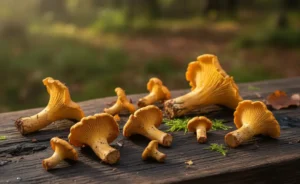
Wild chanterelle mushrooms are generally funnel or trumpet-shaped with wavy or irregular caps. They are often characterized by their vibrant yellow to orange color and distinctive, blunt, vein-like ridges that run down the underside of the cap, rather than true gills.
Are there poisonous chanterelle look-alikes in North America?
Yes, there are some species that can be mistaken for chanterelles in North America, including the Jack-o’-lantern mushroom. It is crucial to be able to distinguish between edible chanterelles and potentially harmful look-alikes through careful observation of key features.
What trees do chanterelle mushrooms grow under in the US?
Chanterelle mushrooms in the US are often found growing in association with various hardwood and conifer trees. They commonly appear under oak, birch, Douglas fir, and pine trees, depending on the specific chanterelle species and its preferred habitat.