The common advice for expectant mothers often involves a long list of foods to avoid, with wild mushrooms frequently included due to safety concerns. While this caution is understandable, a blanket rule may not be entirely necessary. For gourmands and foragers, the idea of giving up prized finds like morels can be disappointing. The reality is that with careful sourcing, identification, and thorough cooking, incorporating a morel mushroom for pregnancy diet is possible. This guide aims to provide a balanced perspective, detailing the safety considerations, nutritional aspects, and crucial preparation steps to help you make an informed decision about enjoying this unique culinary ingredient.
Safety of Eating Morel Mushrooms During Pregnancy
The primary concern with any wild food during pregnancy is safety. When it comes to morel mushrooms, this involves absolute certainty in identification and meticulous preparation. False morels, a group of mushrooms that resemble true morels, are toxic and can cause serious harm. Therefore, only morels sourced from a highly trusted, expert forager or a reputable commercial supplier should ever be considered. The rule is simple: if there is any doubt about the mushroom’s identity, it must be avoided. Considering a morel mushroom for pregnancy requires an exceptional level of caution that prioritizes the well-being of both mother and baby above all else. Learn more about morel mushroom safety.
Morel mushroom for pregnancy first trimester
The first trimester is a period of critical fetal development, and many healthcare providers recommend taking an especially cautious approach to diet during these early weeks. The primary risk is not from the morel mushroom itself, but from the potential for foodborne illness or accidental consumption of a misidentified toxic mushroom. Even properly cooked true morels can cause gastrointestinal upset in sensitive individuals. Given the heightened sensitivities of early pregnancy, some may choose to abstain from all wild mushrooms during this time as a precaution. Read about potential morel mushroom side effects.
Morel mushroom for pregnancy second trimester
During the second trimester, many of the initial discomforts of pregnancy may subside. However, the fundamental principles of food safety remain unchanged. If you choose to consume morels, they must be from an unquestionably safe source and cooked thoroughly until they are no longer raw or firm in any part. The body’s immune system is altered during pregnancy, which can increase susceptibility to foodborne pathogens. Therefore, the “better safe than sorry” approach continues to be the best advice. Avoid dangerous situations by being aware of morel mushroom deaths.
Morel mushroom for pregnancy third trimester
In the third trimester, the safety guidelines for eating morels mirror those of the previous trimesters. The focus remains steadfastly on preventing any potential illness. A case of food poisoning, which could be caused by undercooked morels or a misidentified mushroom, can be particularly problematic late in pregnancy. It’s essential to continue ensuring that any morels consumed are correctly identified, thoroughly cleaned, and cooked completely before eating. It is also important to be aware of interactions, such as why can’t you eat morels with alcohol.
Potential Benefits of Morel Mushrooms for Pregnant Women
While caution is paramount, it is also useful to understand the nutritional profile of foods. Morel mushrooms, when prepared safely, can be a part of a varied diet. They offer a unique flavor and texture, which can be a welcome addition to meals. Any consideration of including a morel mushroom for pregnancy should be balanced, weighing the culinary enjoyment against the strict safety protocols required.
Nutritional value of morel mushrooms
Morel mushrooms are noted for their nutritional content. They are a source of several vitamins and minerals that are important for general health. Morels contain minerals like iron and copper, as well as B vitamins. A well-rounded diet during pregnancy includes a variety of nutrient-dense foods, and for those who choose to eat them safely, cooked morels can contribute to this diversity. However, they should not be relied upon as a primary source for any single nutrient.
Risks and Precautions When Consuming Morel Mushrooms in Pregnancy
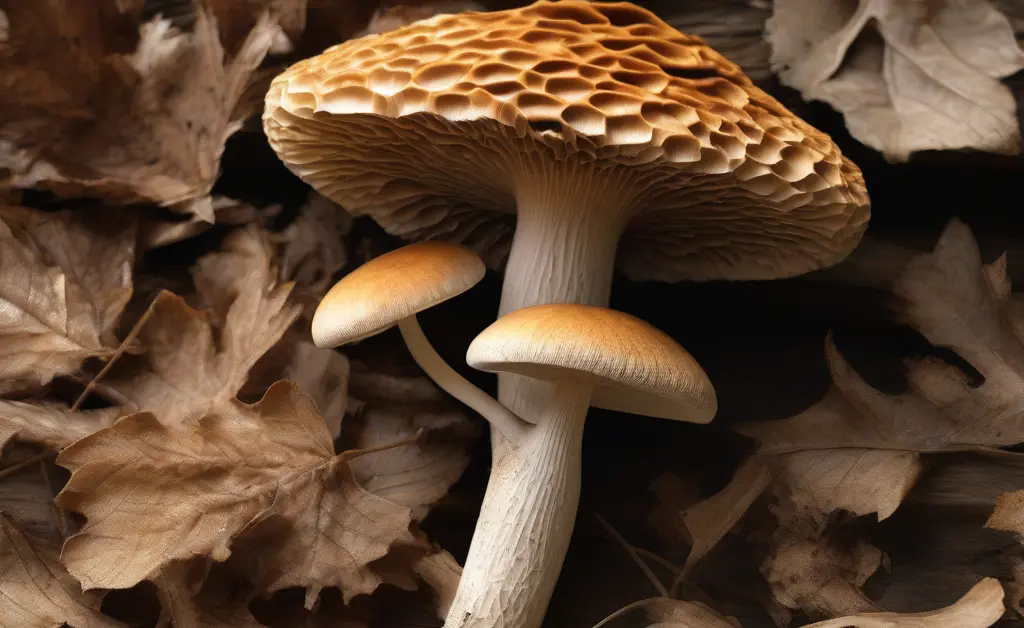
The greatest risk associated with eating morels is misidentification. Several species of “false morels” contain toxins that are not destroyed by cooking and can lead to severe illness. It is absolutely critical that anyone considering eating wild mushrooms be 100% certain of their identification or obtain them from an expert. Another risk is potential allergic reactions or individual sensitivities. Even true morels can cause digestive upset in some people, particularly if not cooked sufficiently. Furthermore, wild mushrooms can absorb substances from their environment, including heavy metals or pesticides, so the location where they were harvested is an important consideration. A cautious approach to a morel mushroom for pregnancy means acknowledging and mitigating all these potential risks.
Proper Preparation and Cooking Methods for Morel Mushrooms
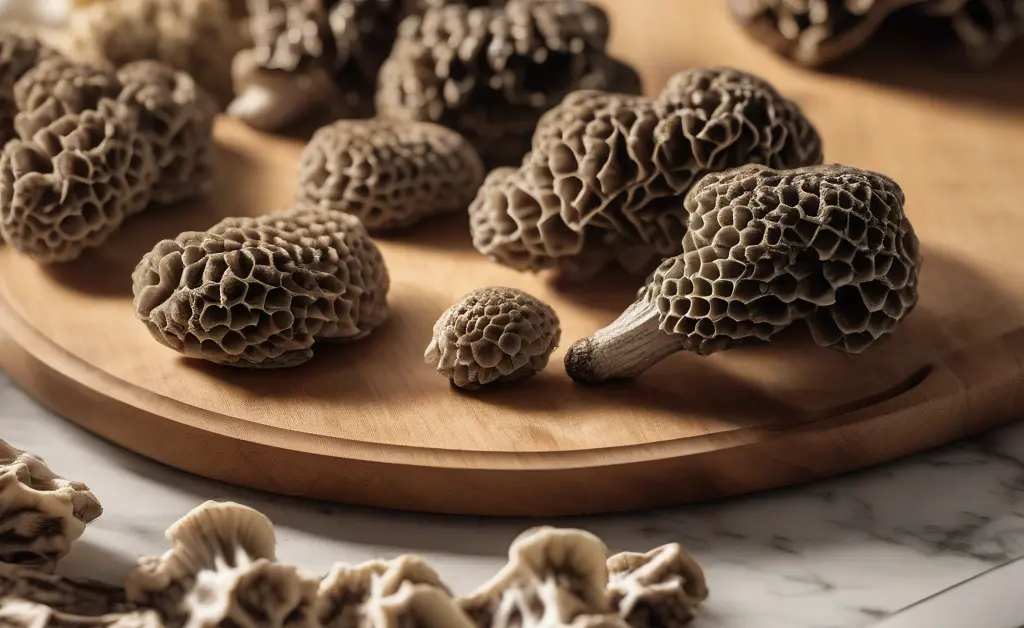
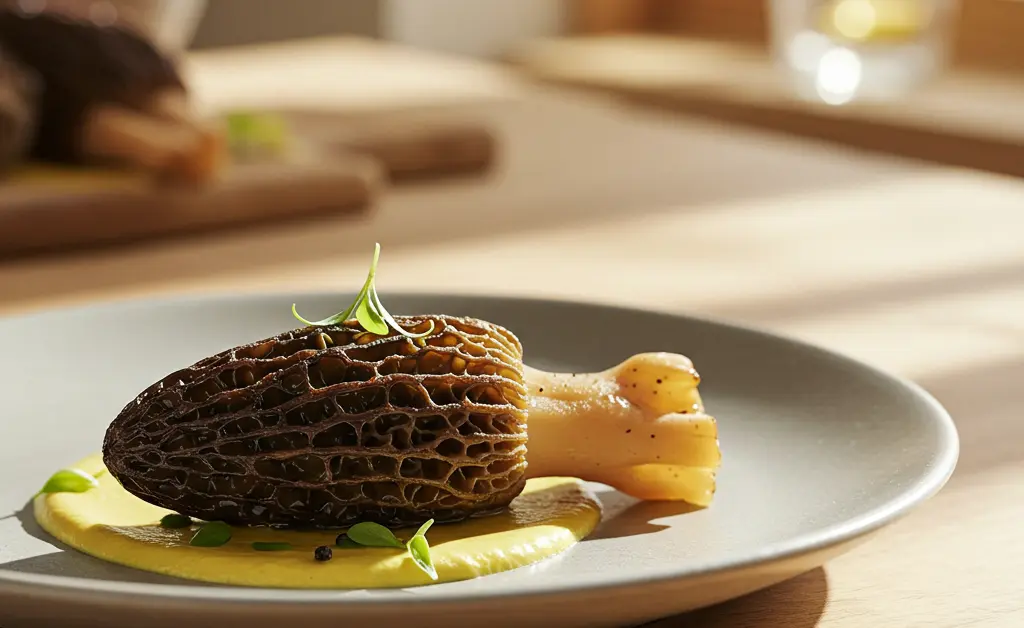
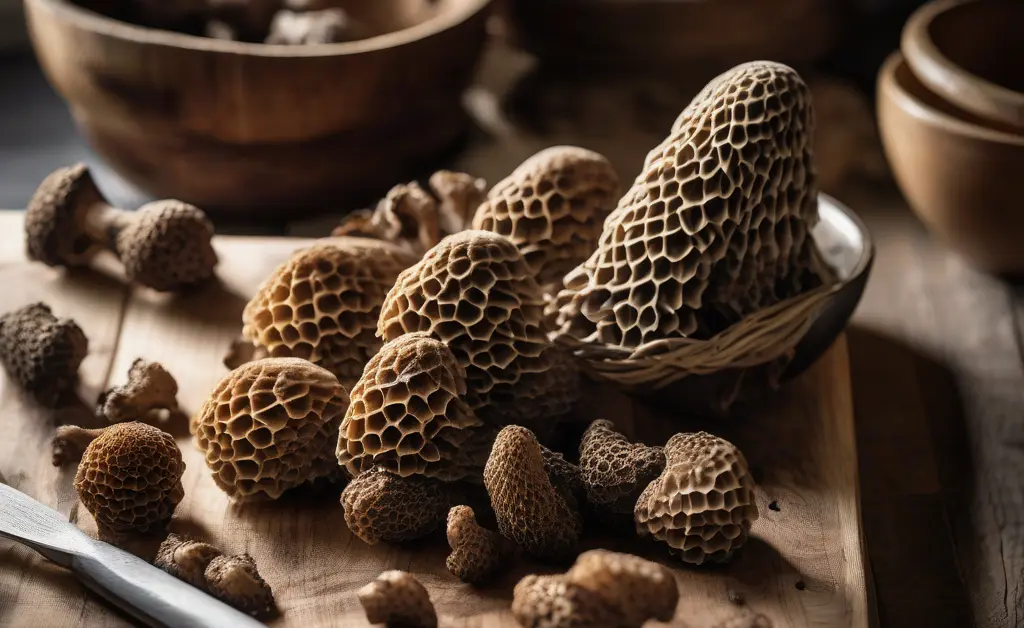
Proper preparation is a non-negotiable step for safely consuming morels. Their unique honeycomb-like structure can easily trap dirt, debris, and small insects, so they must be meticulously cleaned. This often involves slicing them in half lengthwise to inspect and clean the hollow interior. Soaking them briefly in water can help dislodge grit, but they should not be left to soak for long as they can become waterlogged. The single most important rule is that morel mushrooms must be cooked thoroughly. They contain compounds that can cause gastric distress when raw. Cooking at a sufficient temperature breaks down these compounds, rendering them safe to eat. Whether sautéing, roasting, or adding them to a sauce, ensure they are cooked until tender all the way through. Discussing the use of a morel mushroom for pregnancy with a healthcare provider is a wise step before consumption. For further research on medical topics, consult resources like Cochrane Library.
Ultimately, the decision to eat morel mushrooms while pregnant is a personal one that requires careful consideration. The key pillars of safety are unwavering: positive identification from an expert source, meticulous cleaning, and thorough cooking. By adhering strictly to these guidelines, it may be possible to safely enjoy this culinary delicacy. However, if any doubt or uncertainty exists at any step, the safest and most prudent choice is to abstain. Prioritizing the health of you and your baby is the most important consideration.
This content is for informational use and should not be considered medical instruction. The information provided is not intended to replace professional medical advice, diagnosis, or treatment. Always seek the advice of your physician or another qualified health provider with any questions you may have regarding a medical condition or dietary changes during pregnancy. Never disregard professional medical advice or delay in seeking it because of something you have read in this article.
FAQ
Can pregnant women eat morel mushrooms?
Morel mushrooms are edible and can be consumed by most people, including pregnant women, when properly identified and cooked. They are known for their unique flavor and nutritional profile, offering various vitamins and minerals.
How should morel mushrooms be prepared for pregnant women?
As with all wild mushrooms, morel mushrooms must be thoroughly cooked to break down any potential toxins and ensure digestibility. They should be cleaned meticulously to remove any soil or debris before cooking, and then heated until fully cooked through.