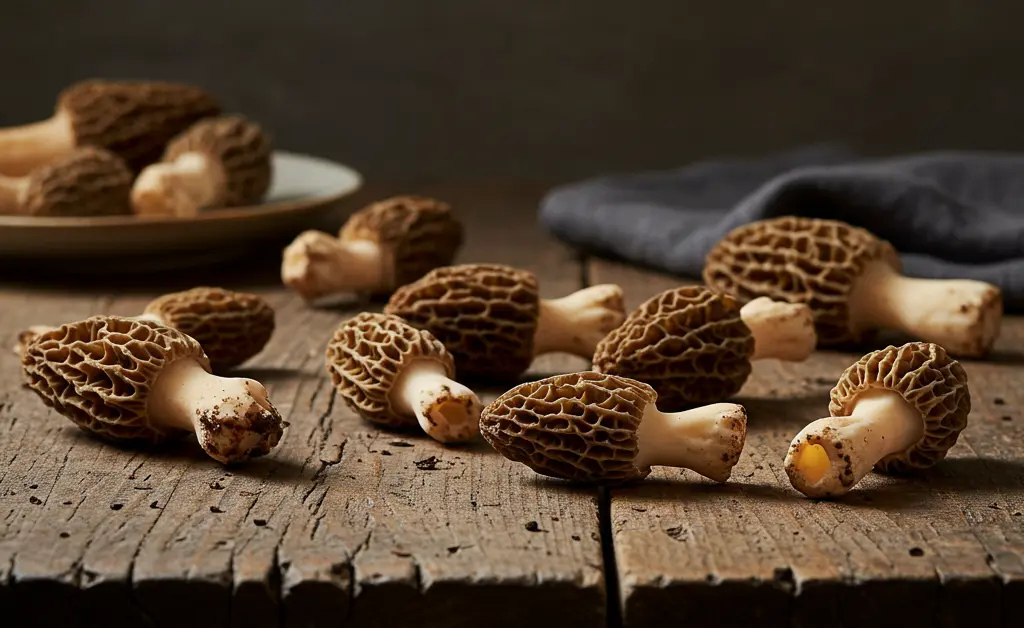
For many, the arrival of morel mushrooms is a celebrated event, marking the transition into spring with a unique culinary prize. Their distinctive honeycomb structure and rich flavor make them highly sought after by both foragers and chefs. However, the delightful experience of eating morels can sometimes be followed by unwelcome symptoms. Navigating the world of wild fungi requires not just knowledge of where to find them, but also an awareness of potential morel mushroom side effects. This guide delves into the reasons behind these reactions, offering insights on proper handling, preparation, and consumption to ensure a safe and enjoyable culinary adventure.
Understanding Morel Mushroom Side Effects
While true morels are considered a choice edible mushroom, they are not without their complexities. Adverse reactions can occur even when the mushrooms are correctly identified and seem perfectly fresh. These reactions are often linked to specific compounds within the mushroom that require heat to be neutralized, as well as individual sensitivities that can vary greatly from person to person. Understanding the nature of these potential issues is the first step toward safe consumption. This understanding is crucial for overall morel mushroom safety.
Common Symptoms of Morel Mushroom Consumption
The most frequently reported symptoms following morel consumption are gastrointestinal in nature. These can include nausea, stomach cramps, vomiting, and diarrhea. Such symptoms typically appear within a few hours of eating the mushrooms. In some instances, individuals might also experience dizziness, muscle weakness, or a general feeling of unease. The severity and type of symptom can depend on numerous factors, including the quantity consumed and the preparation method.
Can Eating Too Many Morels Make You Sick?
Yes, moderation is key when it comes to morel mushrooms. Even when thoroughly cooked, consuming a large quantity of morels, especially in one sitting, can overwhelm the digestive system and lead to gastrointestinal distress. This is particularly true for individuals trying morels for the first time. The body may not be accustomed to the unique compounds present in the fungi, and overconsumption can trigger a negative response. It’s always advisable to start with a small portion to see how your body reacts.
I Ate a Raw Morel Mushroom
Consuming a morel mushroom raw is strongly discouraged and can lead to illness. If you have accidentally eaten a raw morel, it is important to monitor yourself closely for any adverse symptoms, particularly gastrointestinal upset or neurological changes. The compounds in raw morels that can cause sickness are thermolabile, meaning they are broken down by heat. Without cooking, these irritants remain active. If symptoms develop, it is important to consider seeking medical guidance.
Why Can’t You Eat Morels Raw?
Morel mushrooms contain small amounts of compounds that can be toxic to humans when ingested raw. These substances are generally mild gastrointestinal irritants, but they can cause significant discomfort. The primary reason morels must be cooked is that heat effectively neutralizes these compounds, rendering the mushroom safe to eat. The cooking process breaks down the potentially harmful elements, allowing the rich, earthy flavors to be enjoyed without the risk of an upset stomach or other adverse reactions. Understanding the difference between true and false morels is vital to avoid such issues; consider morel mushroom vs poisonous comparisons.
Are Morel Mushrooms Always Safe?
No mushroom is ever 100% safe for every single person. The safety of true morels is conditional and depends on three critical factors: accurate identification, thorough cooking, and individual sensitivity. Misidentification can lead to consuming a toxic look-alike, such as a “false morel,” with severe consequences. Even with true morels, failing to cook them properly can cause illness. Finally, some people may have a personal intolerance or allergy. Being aware of potential morel mushroom side effects is an essential part of responsible foraging and consumption.
Risks Associated with Morel Mushroom Consumption
Beyond the common digestive issues from raw or undercooked morels, there are other risks to consider. These range from the specific toxins found in look-alike species to individual physiological responses that can make consumption problematic for certain people. A comprehensive understanding of these risks helps in making informed decisions about preparing and eating these wild fungi.
Specific Toxins and Their Effects
The most significant toxic risk comes from misidentification. Certain species of “false morels,” particularly those in the Gyromitra genus, contain a potent toxin called gyromitrin. When ingested, the body metabolizes gyromitrin into monomethylhydrazine, a component of rocket fuel. This compound is highly toxic and can cause severe neurological symptoms, liver and kidney damage, and in some cases, can be fatal. It is crucial to distinguish true morels (genus Morchella), which are hollow, from these dangerous look-alikes. Learning about morel mushroom vs poisonous look-alikes is paramount.
Factors Influencing Morel Mushroom Side Effects
Several factors can influence whether an individual experiences adverse effects from eating morels. The quantity consumed is a primary factor, with larger amounts increasing the risk. The cooking method and duration are also critical; sautéing until thoroughly cooked and tender is essential. Individual health status, underlying allergies, and unique digestive sensitivities also play a significant role. Furthermore, consuming alcohol with morels has been anecdotally reported to increase the likelihood of a negative reaction in some individuals. It’s important to know why can’t you eat morels with alcohol.
Potential Risks Associated with Eating Morels
The risks associated with morel consumption can be categorized into three main areas. First is the risk of gastrointestinal illness from eating them raw or undercooked. Second is the severe danger of poisoning from misidentifying a false morel as a true morel. Third is the possibility of an allergic reaction or individual intolerance, which can manifest even with properly cooked, correctly identified morels.
Gastrointestinal Distress
Gastrointestinal distress is the most common adverse reaction to true morels. Symptoms typically manifest as nausea, vomiting, cramping, and diarrhea. These effects are usually temporary and resolve on their own. They are most often linked to consuming the mushrooms without adequate cooking or eating an excessive quantity, which can tax the digestive system.
Neurological Symptoms
While less common with true morels, some neurological symptoms have been reported. These can include dizziness, loss of coordination, and muscle spasms. Such symptoms are more closely associated with poisoning from false morels containing gyromitrin. However, some sensitive individuals have reported mild, transient neurological effects even from cooked true morels, highlighting the variability in human response.
Other Potential Reactions
In addition to gastrointestinal and neurological symptoms, other reactions can occur. Some individuals may experience allergic responses, which could include skin rashes, hives, or other classic allergy symptoms. There are also anecdotal reports linking morel consumption with changes in vision or balance, although these are not well-documented in scientific literature and may be related to individual sensitivities or other factors.
Unidentified Toxins
The world of mycology is still evolving, and it is believed that wild mushrooms, including morels, may contain compounds that are not yet fully identified or understood. The complex chemistry of fungi means there could be trace elements that cause reactions in sensitive individuals. This scientific uncertainty underscores the importance of caution, moderation, and proper preparation. For pregnant individuals, extra precautions are necessary, and it’s worth reviewing information on morel mushroom for pregnancy.
Individual Sensitivity
Ultimately, individual sensitivity is a major unpredictable factor. Two people can eat the same amount of morels from the same batch, prepared in the same way, and have entirely different experiences. One person may feel fine, while the other develops significant discomfort. This variability is why it is always recommended to consume a small amount when trying morels for the first time. A history of food sensitivities or allergies may increase the likelihood of experiencing morel mushroom side effects.
What to Do About Morel Mushroom Side Effects

If you experience an adverse reaction after eating morels, the appropriate response depends on the nature and severity of your symptoms. For mild issues, careful observation may be sufficient, but more serious symptoms warrant immediate professional attention. It is crucial to distinguish between a mild intolerance and a potentially severe toxic reaction.
Morel Mushroom Side Effects Blood Pressure
There is no strong scientific evidence directly linking the consumption of cooked true morels to significant changes in blood pressure in the general population. However, any severe bodily reaction, such as intense vomiting or diarrhea from food poisoning, can lead to dehydration and electrolyte imbalances, which in turn can affect blood pressure. Furthermore, a severe toxic reaction from a misidentified mushroom could certainly impact the cardiovascular system.
Morel Mushroom Side Effects Diarrhea
Diarrhea is a common symptom of gastrointestinal upset caused by morels, typically resulting from inadequate cooking or overconsumption. It is the body’s way of expelling an irritant. While usually temporary, persistent or severe diarrhea can lead to dehydration. It is important to stay hydrated by drinking fluids if this symptom occurs.
Morel Mushroom Side Effects Liver
The most serious concern regarding liver health and mushrooms comes from consuming toxic varieties misidentified as morels. False morels (Gyromitra species) contain gyromitrin, a toxin known to be damaging to the liver. A true morel, when properly cooked, is not generally considered a threat to the liver in healthy individuals. However, anyone with a pre-existing liver condition should exercise caution and consult with a healthcare provider before introducing new or exotic foods into their diet.
Recognizing Severe Symptoms
Severe symptoms are a clear signal that something is wrong and require immediate attention. These red flags include intense and persistent vomiting or diarrhea, severe abdominal pain, signs of jaundice (yellowing of the skin or eyes), confusion, loss of coordination, muscle spasms, seizures, or any difficulty breathing. These are not typical symptoms of a mild intolerance to cooked morels and may indicate a more serious toxic exposure.
When to Seek Medical Attention
You should seek prompt medical attention if you or someone you know experiences any severe symptoms after mushroom consumption. It is also wise to seek help if symptoms are mild but persistent, or if you are uncertain whether the mushroom consumed was a true morel. When in doubt, it is always best to err on the side of caution. If you suspect you are having a significant reaction or experiencing morel mushroom side effects that feel alarming, contacting a healthcare professional or a poison control center is the most responsible course of action. Reliable health information can be found at the WHO.
Preventing Morel Mushroom Related Illnesses
The best way to enjoy morel mushrooms safely is to focus on prevention. By following a few fundamental rules of foraging and preparation, you can significantly minimize the risk of illness. These practices revolve around absolute certainty in identification, unwavering commitment to proper cooking, and a sensible approach to consumption.
Proper Identification
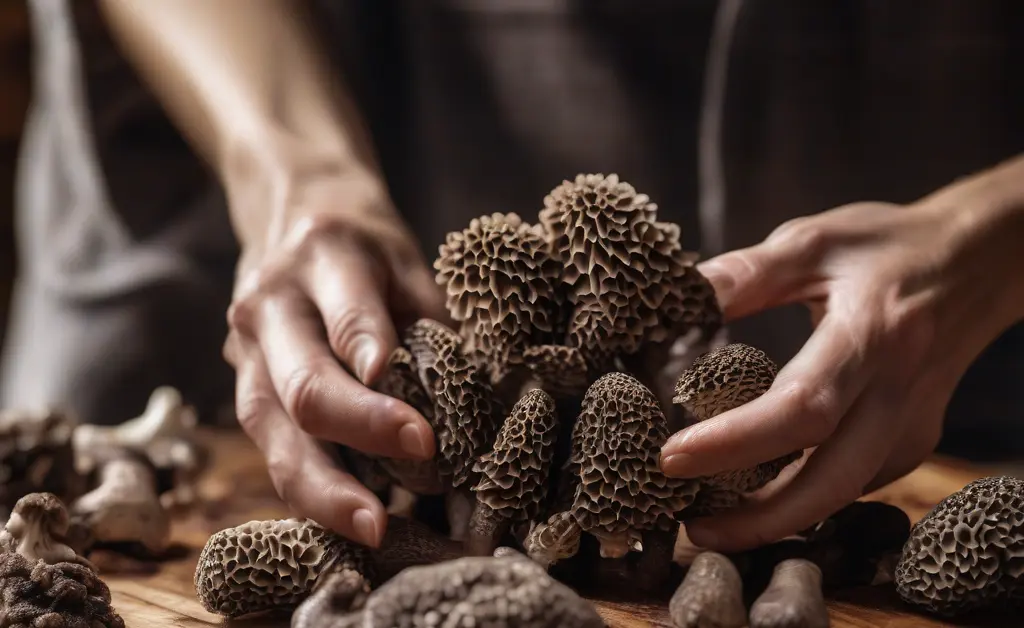
Proper identification is the most critical step in preventing mushroom poisoning. True morels (Morchella) have a distinct appearance: a pitted, honeycomb-like cap that is fully attached to the stem, and a completely hollow interior from the tip of the cap to the bottom of the stem. In contrast, dangerous false morels (Gyromitra) often have a wavy, brain-like or saddle-shaped cap and a chambered or cottony-filled interior. If you have even a shadow of a doubt about a mushroom’s identity, do not eat it.
Thorough Cooking
Never eat morels raw. All true morels must be thoroughly cooked to break down the mild, heat-sensitive compounds that can cause gastric distress. Sautéing, frying, or baking them until they are tender and cooked through is essential. The mushroom should not be rubbery or crunchy. This simple step neutralizes the irritants and makes the mushrooms safe and digestible for most people.
Moderate Consumption
Even with properly cooked, correctly identified morels, moderation is prudent. If you are eating them for the first time, start with a small sample portion to see how your body reacts. Eating large quantities in one meal can overwhelm your digestive system. Think of morels as a rich delicacy to be savored in reasonable amounts, not as a main course to be consumed in bulk.
Avoiding Raw Consumption
Reiterating this crucial point is essential for safety: always avoid raw consumption. This rule applies to all true morels without exception. Adding raw morels to salads or as a garnish poses a direct risk of gastrointestinal illness. The potential for experiencing morel mushroom side effects is highest when this fundamental safety practice is ignored. Proper cooking is the only way to ensure they are safe to enjoy.
In conclusion, morel mushrooms are a treasured wild edible that can be enjoyed safely with the right knowledge and precautions. The foundation of safe consumption rests on three pillars: positive identification to avoid toxic look-alikes, thorough cooking to neutralize natural irritants, and moderate consumption to prevent overwhelming your system. By respecting the mushroom and understanding its potential to cause adverse reactions, you can confidently partake in this seasonal delicacy while prioritizing your well-being. When foraging and cooking wild foods, caution and education are your most valuable tools.
This information should be viewed as educational rather than medical advice. The content provided is not intended to be a substitute for professional medical consultation, diagnosis, or treatment. Always seek the advice of your physician or another qualified health provider with any questions you may have regarding a medical condition or after consuming any wild plant or fungus. Never disregard professional medical advice or delay in seeking it because of something you have read in this article.
FAQ
What are the symptoms of eating raw morel mushrooms?
Consuming raw morel mushrooms can lead to gastrointestinal distress, such as nausea, vomiting, and diarrhea. These symptoms arise because the raw mushroom contains compounds that are difficult for the digestive system to break down. Proper cooking is essential to neutralize these compounds and make them digestible.
Can morel mushrooms cause food poisoning?
Yes, undercooked or raw morel mushrooms can cause symptoms often associated with food poisoning. This occurs due to the presence of certain toxins that are inactivated by thorough cooking. Therefore, consuming them raw or improperly prepared is not advised.
How long do morel mushroom side effects last?
The duration of symptoms from consuming improperly prepared morel mushrooms typically varies. Most individuals find that digestive discomfort resolves within a few hours to a day after the mushrooms have been fully cooked or if they are simply avoided. Symptoms are generally transient and subside as the body processes the indigestible material.
Are all morel mushrooms poisonous if not cooked properly?
All wild morel mushrooms contain compounds that can cause gastrointestinal upset if eaten raw or insufficiently cooked. These compounds are heat-sensitive and are rendered harmless through proper preparation. Cooking them thoroughly ensures that they are safe to consume and unlocks their nutritional benefits.