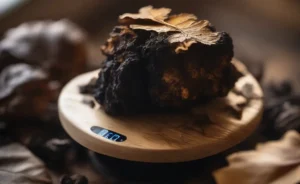

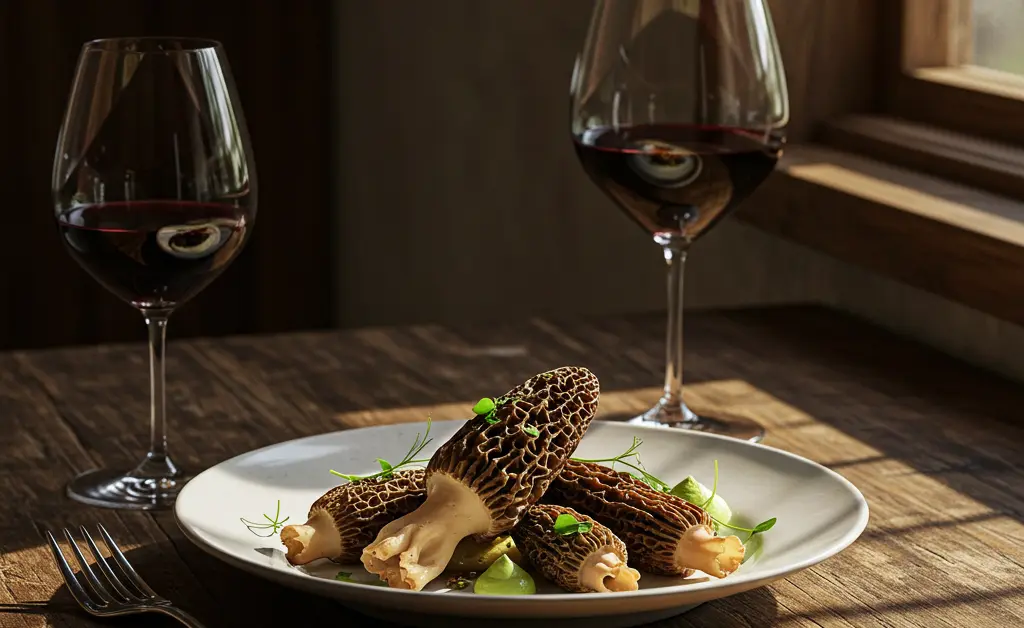
Foraging for wild mushrooms has become a cherished activity, connecting food lovers with nature and the culinary arts. Morels, with their distinctive honeycomb appearance and rich, nutty flavor, are a prized find for both seasoned foragers and gourmet chefs. Once brought into the kitchen, they often become the star of a special meal, which many people enjoy pairing with a glass of wine or a craft beer. However, a longstanding cautionary tale surrounds this particular combination, leading many to ask the critical question: why cant you eat morels with alcohol? This article explores the science and anecdotal evidence behind this warning, examining the potential reactions and offering clarity on the risks involved in mixing these two substances.
Understanding the Morel-Alcohol Interaction
The cautionary advice against mixing morels and alcohol stems from reports of adverse physical reactions. While not universally experienced, the phenomenon is well-documented within mycological and foraging communities. The interaction is not fully understood by science, but it is believed to be rooted in the unique biochemical makeup of the mushrooms and how those compounds interact with the metabolism of alcohol in the human body. Understanding this potential link is key to safe consumption practices. For more information on general morel mushroom safety, you can visit morel mushroom safety.
The Nature of the Toxin or Compound
The specific compound in morels responsible for this interaction has not been definitively identified. The symptoms are often compared to a disulfiram-like reaction, which is famously associated with the common ink cap mushroom (Coprinopsis atramentaria). Ink caps contain a compound called coprine, which blocks the enzyme responsible for breaking down acetaldehyde, a toxic byproduct of alcohol metabolism. However, scientific analysis has shown that morels do not contain coprine. It is theorized that morels may contain a different, yet-unidentified compound that produces a similar, albeit typically milder, effect in sensitive individuals. It is also essential to note that raw or undercooked morels contain other compounds that can cause gastrointestinal distress on their own, which is why they must always be thoroughly cooked.
How Alcohol Exacerbates the Effect
When alcohol is consumed, the body breaks it down in a two-step process. First, it is converted into acetaldehyde, a toxic substance. Then, a different enzyme breaks the acetaldehyde down into harmless acetate. The suspected compound in morels may interfere with this second step. By inhibiting the enzyme that clears acetaldehyde, alcohol consumption can lead to a rapid buildup of this toxin in the bloodstream. This accumulation is what is believed to cause the unpleasant symptoms associated with the morel-alcohol interaction.
Timing of Alcohol Consumption
Reports from those who have experienced a reaction suggest that the timing can be a significant factor. Most adverse effects are noted when alcohol is consumed concurrently with the morel-containing meal. However, some individuals have reported symptoms when consuming alcohol several hours before or even up to a day after eating morels. This suggests the responsible compound may persist in the body for some time, creating a window of risk that extends beyond the meal itself.
Origin of the Warning
The warning against mixing morels and alcohol is not a recent invention. It is a piece of foraging wisdom that has been passed down through generations in many cultures. Long before formal scientific investigation, foragers and home cooks observed that some people fell ill after enjoying their prized morels with a celebratory drink. This historical context, built on collective experience and anecdotal reports, forms the foundation of the modern-day caution. Understanding the nuances of morel mushroom vs poisonous lookalikes is crucial for foragers.
Debunking Common Misconceptions
A common misconception is that all morels are toxic with alcohol for everyone. This is not the case. Many people regularly consume morels with wine or beer and experience no ill effects whatsoever. The reaction is not a true poisoning in the way one would experience from a death cap mushroom, nor is it a classic allergic reaction. Instead, it appears to be a conditional sensitivity or intolerance that only affects a subset of the population under specific circumstances.
Scientific Evidence vs. Anecdotal Reports
There is a significant gap between anecdotal evidence and formal scientific research on this topic. The body of anecdotal reports is vast, with countless stories shared in forums, foraging groups, and mycology clubs. These reports are consistent enough to warrant serious caution. In contrast, there are very few peer-reviewed scientific studies dedicated to investigating the morel-alcohol interaction. This lack of formal data means that much of what is understood is based on observation and hypothesis rather than conclusive proof. Research into morel mushroom deaths highlights the importance of proper identification and preparation.
Are Morels Toxic with Alcohol?
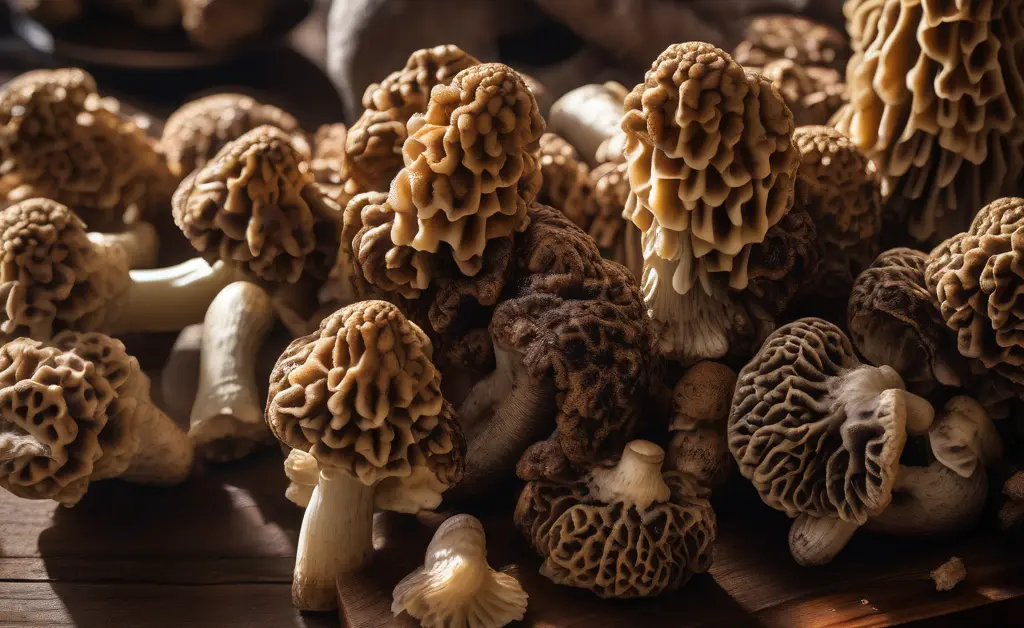
Labeling morels as “toxic” with alcohol can be misleading. Toxicity implies a substance is inherently poisonous, but the reality of the morel-alcohol interaction is far more nuanced. It is better described as a potential adverse reaction or intolerance that manifests only in certain individuals when the two are combined. For many, the combination is harmless. For others, it can lead to significant discomfort. The core of the issue is figuring out the factors that contribute to this sensitivity and why some people can enjoy the pairing while others cannot.
Individual Sensitivities and Factors
Individual biochemistry plays a crucial role in whether a person will react. Genetic differences in how a person metabolizes both the compounds in morels and alcohol itself are likely the primary determinant. Other factors may include the quantity of morels and alcohol consumed, a person’s overall health, and even the specific species or strain of morel eaten. Some foragers suggest that certain types of morels, or those grown in particular conditions, are more likely to cause a reaction. Without more research, it remains a matter of personal sensitivity. It is also important to consider morel mushroom for pregnancy, as certain populations may have different sensitivities.
Can Morels Be Eaten with Alcohol?
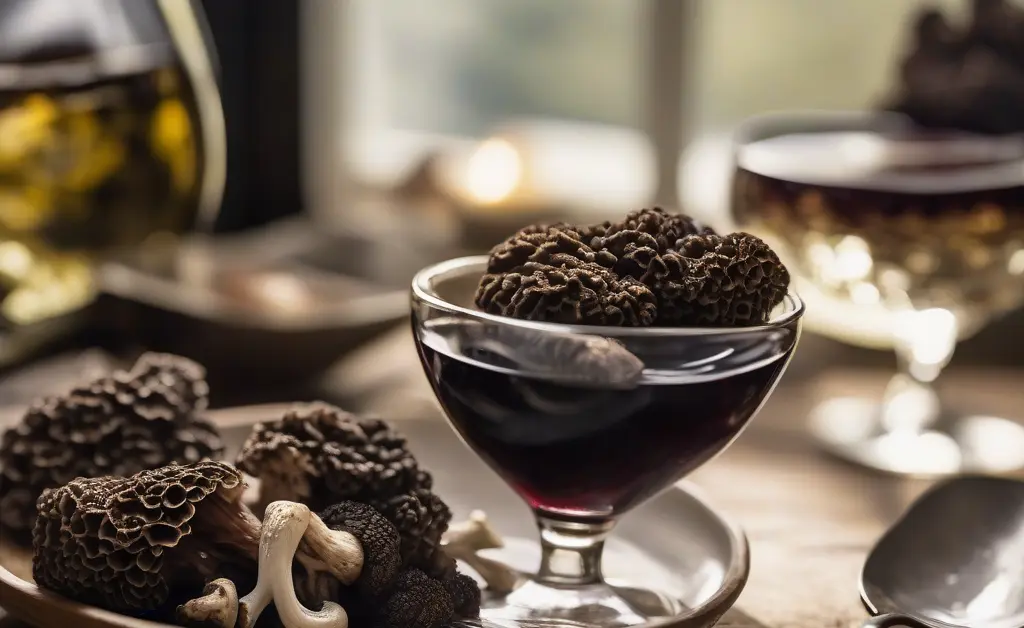
Many people do eat morels with alcohol and report no negative effects. For these individuals, the combination appears to be perfectly safe. However, because it is impossible to know in advance if you are one of the sensitive individuals, a risk is always present. Foragers and chefs often advise that if you are trying morels for the first time, you should avoid alcohol entirely. Those who choose to combine them are advised to start with a very small amount of both to see how their body reacts. The question of **why cant you eat morels with alcohol?** often comes down to this unpredictable, individual risk.
Is It Safe to Have a Beer with Morels?
The type of alcoholic beverage does not seem to make a difference in the reported reactions. The interaction is with ethanol itself, which is the type of alcohol present in beer, wine, and spirits. Therefore, having a beer with morels carries the same potential risk as having a glass of wine or a cocktail. The key variable is the presence of alcohol, not its source.
Morels and Beer
As with other alcoholic drinks, the combination of morels and beer is a matter of personal tolerance. Many enjoy a rich stout or a crisp lager alongside a creamy morel pasta. However, anecdotal reports of adverse reactions include beer as the accompanying beverage just as often as wine. If you have a known sensitivity, beer should be avoided with morels just as you would avoid any other alcoholic drink.
Potential Risks and Symptoms
For those who are sensitive, the symptoms of the morel-alcohol interaction can range from mild and brief to severe and distressing. The onset is often rapid, occurring within 30 minutes to a couple of hours after consumption. Understanding these potential symptoms can help individuals recognize a reaction if it occurs. Scientific research on mushroom toxicity can be found at ncbi.nlm.nih.gov.
Gastrointestinal Distress
The most commonly reported symptoms are gastrointestinal in nature. These can include sudden nausea, stomach cramping, bloating, and in some cases, vomiting or diarrhea. This distress is a primary reason people are advised to be cautious, as it can quickly turn a celebratory meal into an unpleasant experience.
Neurological Effects
In addition to digestive upset, some individuals report effects that appear more neurological or cardiovascular. These symptoms are consistent with the effects of acetaldehyde buildup in the body and can include flushing of the face, neck, and upper torso, a rapid heartbeat (tachycardia), lightheadedness, dizziness, and headaches. While typically temporary, these effects can be alarming.
Why cant you eat morels with alcohol?
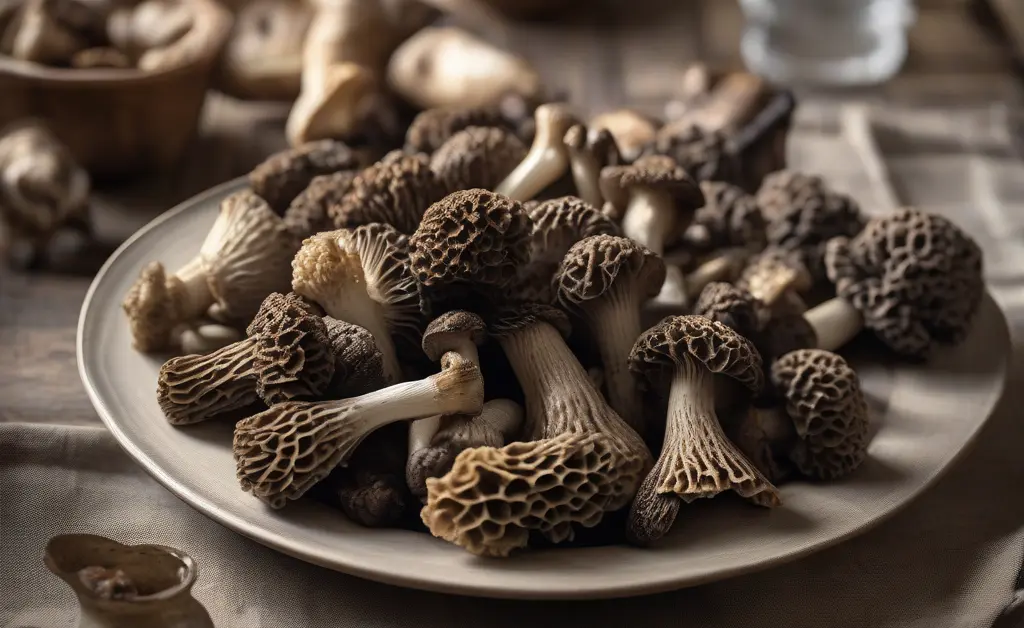
At its core, the warning exists because of a potential chemical intolerance. While the exact science is still emerging, the leading theory is that some morels contain a compound that disrupts the body’s ability to process alcohol correctly. This can cause a buildup of a toxic substance called acetaldehyde, leading to a host of unpleasant symptoms. The reaction does not happen to everyone, but the risk is unpredictable. Ultimately, the question of **why cant you eat morels with alcohol?** is answered by the principle of caution in the face of this known, albeit inconsistent, adverse reaction.
Understanding the Morel-Alcohol Interaction
To reiterate, the interaction is not a true poisoning but a conditional intolerance. An unidentified compound in the mushrooms may inhibit a key enzyme needed for alcohol metabolism. When alcohol is introduced, the metabolic pathway is blocked, and toxic byproducts accumulate, causing symptoms like flushing and nausea. Because individual sensitivity varies widely and the exact compound is unknown, avoiding the combination is the safest and most recommended practice, especially for those new to eating wild mushrooms.
In conclusion, the longstanding warning against mixing morels and alcohol is rooted in valid, though largely anecdotal, evidence of adverse reactions. While many people enjoy the combination without issue, a real risk of experiencing significant gastrointestinal and neurological discomfort exists for a subset of the population. This sensitivity appears to be highly individual and is not fully understood by science. The reaction is believed to stem from an unidentified compound in morels that interferes with alcohol metabolism. Given the unpredictability, the most prudent advice is to exercise caution. Always cook morels thoroughly, and consider avoiding alcohol, at least until you are familiar with how your own body responds to this prized wild fungus.
The content provided in this article is intended for informational learning, not clinical application. This information should not be used as a substitute for professional medical advice, diagnosis, or treatment. Always seek the advice of your physician or another qualified health provider with any questions you may have regarding a medical condition or the consumption of wild foods. Do not disregard professional medical advice or delay in seeking it because of something you have read here.
FAQ
What happens if you eat morels with alcohol?
Consuming morels with alcohol has been associated with an increased risk of digestive upset, such as nausea and stomach cramps. The combination may exacerbate the potential for adverse reactions in some individuals. This interaction is primarily linked to how the body processes the compounds present in the mushroom.
Is it safe to drink alcohol after eating morels?
While many people consume morels without issue alongside moderate alcohol intake, some individuals report experiencing discomfort. It is advisable to be aware of your own body’s response when combining them. Listening to your body is the most prudent approach.
How long after eating morels can you drink alcohol?
There is no universally defined waiting period after consuming morels before drinking alcohol. Individual sensitivities vary greatly, and the effects are not always predictable. It is recommended to wait and observe how your body feels before deciding to consume alcohol.