The earthy scent of the forest still clung to the basket of mushrooms on the kitchen counter. I imagined them sizzling in butter, a perfect reward after a long hike. But as I sliced the first one open, a detail stopped me cold. Instead of being hollow, the stem was filled with a cottony substance. My culinary excitement quickly turned to caution. This immediate need to verify my find brought the critical issue of morel mushroom vs poisonous look-alikes into sharp focus. Foraging is a rewarding hobby, but mistaking a false morel for a true one can have severe consequences, making proper identification an essential skill for any enthusiast.
False Morel vs Morel
The distinction between true morels and their dangerous counterparts, false morels, is a critical piece of knowledge for any forager. While they can appear superficially similar to the untrained eye and often grow in the same environments during the same season, their internal structures and key features are profoundly different. Relying on a single characteristic is risky; a combination of features should always be used to confirm a mushroom’s identity.
Key Features of True Morels
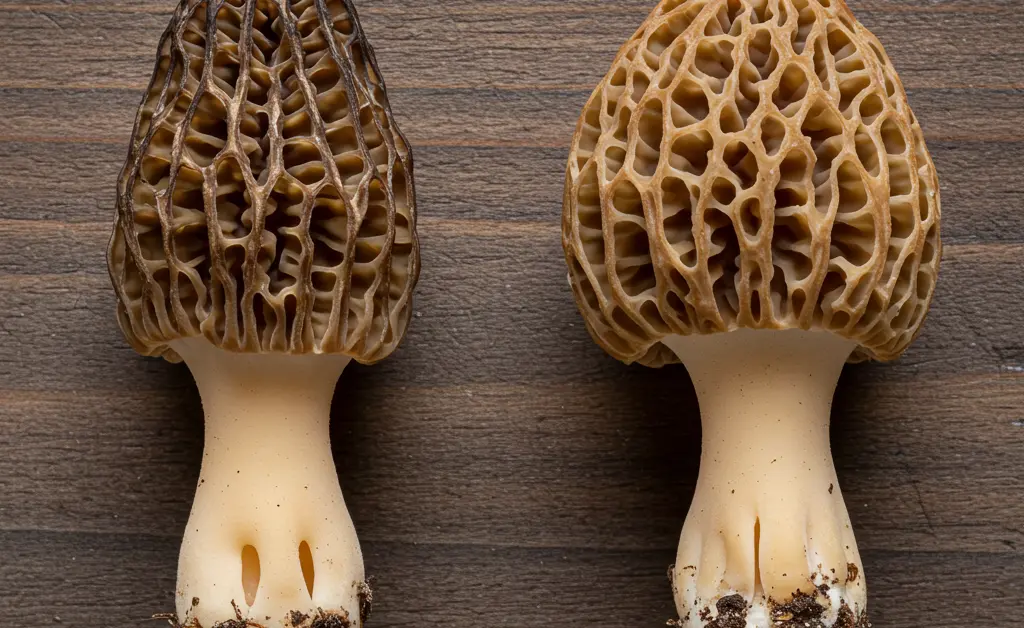
True morels, belonging to the genus Morchella, possess a unique and consistent set of features. Their most telling characteristic is that they are completely hollow inside. When sliced lengthwise from top to bottom, the entire mushroom—from the tip of the cap down through the stem—is a single, empty chamber. The cap is intricately pitted with ridges, resembling a honeycomb or a natural sponge, and is fully attached to the stem. You will not see a “skirt” or hanging cap edge. The shape is typically conical or somewhat egg-like. Understanding these traits is the first step in differentiating a morel mushroom vs poisonous look-alike.
Key Features of False Morels
False morels encompass several genera, including Gyromitra, Verpa, and Helvella. Unlike true morels, they are not hollow. A lengthwise slice will reveal a stem that is filled with a cottony pith, chambered, or mostly solid. Their caps have a different appearance, often described as brain-like, wavy, or convoluted rather than neatly pitted. In many false morel species, the cap is not fully attached to the stem; it may hang freely like a skirt or appear perched on top with a noticeable gap between the cap edge and the stem.
Common False Morel Species
Several species are commonly mistaken for true morels. The “beefsteak” mushroom, Gyromitra esculenta, is one of the most notorious. It has a reddish-brown, brain-like cap and a solid or chambered interior. Another common look-alike is the “thimble cap” or “early morel,” Verpa bohemica. It appears early in the season and has a wrinkled cap that hangs completely free from the stem, much like a thimble placed on a finger. A third group, the elfin saddles (Helvella species), have irregular, saddle-shaped caps and fluted stems, which can sometimes cause confusion.
What Does a False Morel Mushroom Look Like?
Visually, a false morel often presents a misshapen or convoluted appearance. Instead of the orderly pits and ridges of a true morel, its cap surface is typically wavy, folded, or lobed, resembling the wrinkled surface of a brain or a piece of melted wax. The color can range from yellowish-brown to a deep reddish-brown. The connection between the cap and stem is a major clue; where a true morel’s cap is seamlessly integrated, a false morel’s cap may look like it was simply placed on top or attached only at the very apex.
Dangers of Consuming False Morels
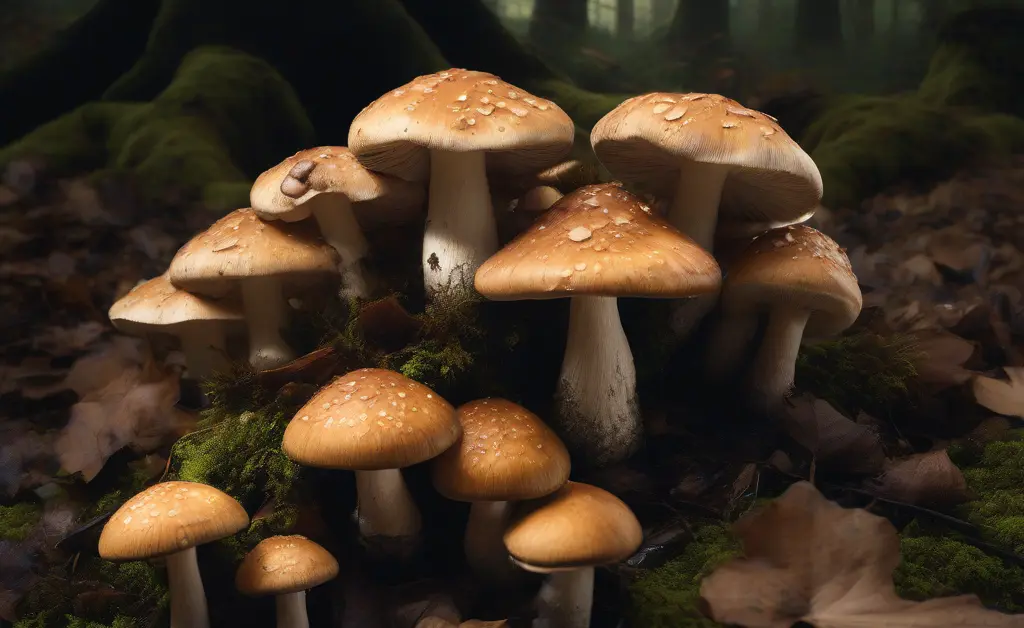
The appeal of wild foraging comes with the responsibility of understanding the potential dangers. Consuming a false morel can lead to serious illness due to the presence of potent toxins that are not found in true morels. The severity of the reaction can vary based on the species, the amount consumed, and individual sensitivity, but the risk is never worth taking. It is important to understand morel mushroom safety.
Symptoms of False Morel Poisoning
Ingesting false morels can trigger a range of adverse reactions. Initial symptoms often involve significant gastrointestinal distress, including nausea, vomiting, abdominal cramping, and diarrhea. These signs may appear several hours after consumption. In more severe cases, individuals might experience neurological symptoms such as dizziness, loss of muscle coordination, and headaches. It is a serious condition that requires immediate attention. Learn more about potential morel mushroom side effects.
False Morel Poisoning Symptoms
The progression of false morel poisoning symptoms can be particularly dangerous because they often have a delayed onset. After the initial gastrointestinal phase, more severe complications can develop. These can potentially involve the liver and kidneys, and in some cases, the central nervous system. The specific array of symptoms and their intensity highlight why absolute certainty in mushroom identification is non-negotiable for foragers. Some sources indicate that certain species can even cause morel mushroom deaths.
Toxins Present in False Morels
The primary toxin found in many false morel species, particularly those in the Gyromitra genus, is gyromitrin. This compound is volatile and water-soluble. When ingested, the human body metabolizes gyromitrin into monomethylhydrazine (MMH), a highly toxic substance also used as a component in rocket fuel. This underlying toxicity is the reason the debate over morel mushroom vs poisonous varieties is so critical for wild food enthusiasts. It is also crucial to be aware that you can’t eat morels with alcohol.
Why True Morels Need Cooking
Even true, edible morels should never be eaten raw. They contain small amounts of thermolabile compounds (compounds that break down with heat) which can cause gastrointestinal upset. The process of cooking, whether sautéing, frying, or roasting, thoroughly breaks down these substances, rendering the mushrooms perfectly safe and digestible. Proper cooking is a fundamental rule for the safe consumption of true morels and many other wild mushrooms.
Difference Between Edible and Poisonous Mushroom
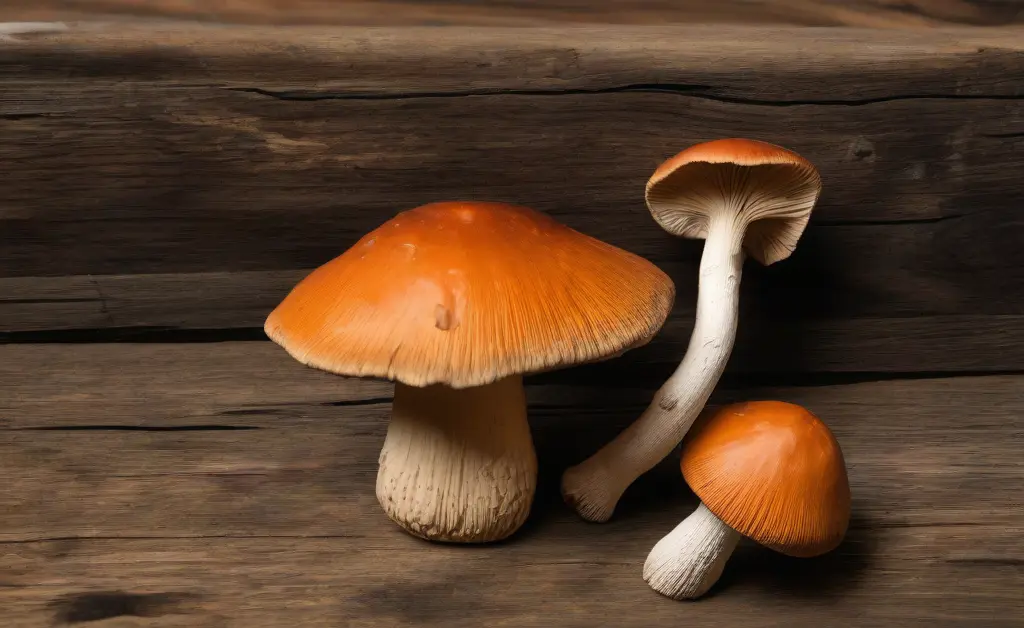
Learning to distinguish between edible and poisonous mushrooms is a skill built on careful observation and cross-referencing multiple features. There is no single universal rule, like “if an animal eats it, it’s safe,” that holds true. Each edible species has one or more poisonous look-alikes, making detailed knowledge of specific mushroom types essential for safety.
Edible Mushrooms and Their Poisonous Look-alikes
The challenge of mushroom identification extends beyond morels. For example, the prized chanterelle, with its distinctive wavy cap and false gills, can be confused with the poisonous Jack-o’-Lantern mushroom. While chanterelles grow on the ground and have a pleasant fruity aroma, Jack-o’-Lanterns grow in clusters on wood and can glow faintly in the dark. Similarly, choice edible puffballs are solid white inside, but they can be mistaken for the deadly amanita mushroom in its embryonic “egg” stage, which, when sliced open, reveals the silhouette of a developing capped mushroom. For more information on mushroom research, consult Cochrane Library.
The Hollow Test: A Key Indicator
For morel hunters, the single most reliable identification method is the “hollow test.” To perform it, a mushroom must be sliced vertically from the top of the cap all the way through the bottom of the stem. A true morel will be completely hollow inside, appearing as one continuous, empty chamber. There should be no fibrous material, no solid sections, and no separate chambers. In contrast, a false morel will fail this test. Its interior will be filled with a cottony substance, divided into multiple chambers, or be substantially solid. This simple cut provides a definitive answer in the crucial morel mushroom vs poisonous identification process.
Where and When to Find Morels (and Their Look-alikes)
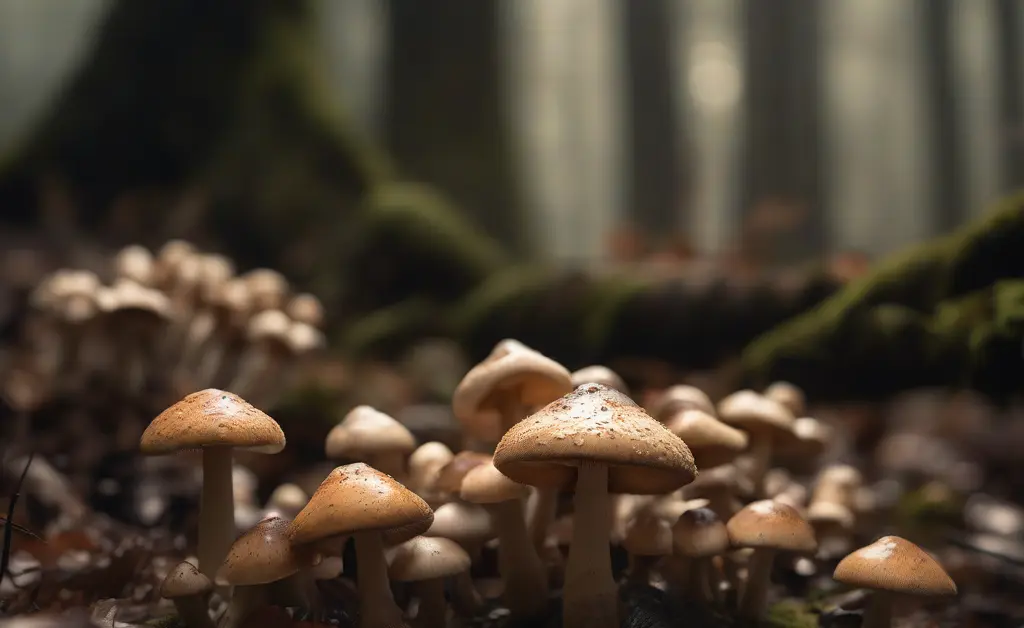
Part of successful and safe foraging is knowing not just what to look for, but also where and when to look. Morels and their toxic counterparts often favor similar conditions, meaning they can be found growing in close proximity. This overlap in habitat and seasonality makes careful identification at the point of collection absolutely essential.
Habitat and Seasonality
True morels typically emerge in the spring, with the exact timing dependent on soil temperature and local climate. They are often found in wooded areas, particularly near ash, elm, poplar, and old apple trees. They also have a known association with disturbed ground, such as areas affected by forest fires, logging, or flooding from the previous year. Unfortunately, false morels also appear in spring and thrive in similar woodland habitats, increasing the chances of an accidental encounter for an unsuspecting forager.
Geographical Distribution
Morels and their look-alikes are found across the Northern Hemisphere, including wide swaths of North America, Europe, and Asia. Specific species of both true and false morels can vary by region. Because of this wide distribution, local knowledge and regional field guides are invaluable resources. The universal rules of identification—especially the hollow test—remain the most reliable tool for any forager, regardless of their location, when determining the difference between a morel mushroom vs poisonous find.
Safe Foraging and Consumption Practices
Beyond simple identification, adopting a cautious and methodical approach to foraging is paramount. Safe practices govern everything from how you pick the mushroom to how you prepare it in your kitchen. These habits protect you and ensure that your foraging adventures remain a positive and rewarding experience.
The “When in Doubt, Throw it Out” Rule
This is the most important rule in all of mushroom foraging. If you have any uncertainty about the identity of a mushroom, you must not eat it. No meal is worth the risk of severe illness or worse. A confident identification requires checking multiple features—cap shape, cap attachment, interior structure, and stem—against reliable sources. If even one key feature doesn’t match the profile of an edible mushroom, it should be discarded without a second thought.
Proper Cooking Methods
All wild mushrooms, including true morels, must be cooked thoroughly before consumption. Heat helps break down compounds that can be difficult to digest and neutralizes minor toxins present in many edible species. Sautéing, pan-frying, roasting, and baking are all effective methods. Never eat wild mushrooms raw or partially cooked. Additionally, when trying a new-to-you wild mushroom for the first time, it is wise to consume only a small amount to see how your body reacts before eating a larger portion.
The journey from the forest floor to the dinner plate is one of diligence and respect for nature’s complexities. The key differences between true and false morels—the hollow interior, the attached cap, and the honeycombed surface—are your most reliable guides. Always perform the vertical slice test to confirm the hollow structure. By embracing the cardinal rule, “when in doubt, throw it out,” and committing to thorough cooking, foragers can safely enjoy the exceptional flavor of true morels while avoiding the severe dangers posed by their toxic look-alikes.
The information presented in this article is educational and not meant as professional medical counsel. Mushroom identification is a complex skill that can carry significant risks if done incorrectly. This guide is not a substitute for expert, in-person training or a comprehensive regional field guide. If you are not 100% certain of a mushroom’s identity, do not consume it. Should you experience adverse symptoms after eating a wild mushroom, seek immediate medical attention.
FAQ
How can you tell if a morel mushroom is poisonous?
Distinguishing edible mushrooms from toxic ones requires expert knowledge and careful identification. True morels have a distinctive honeycomb-like appearance on their cap, with pits and ridges that are distinctly separated from the stem. Many poisonous look-alikes lack this true, pitted structure and may have a wrinkled or convoluted cap that is fused to the stem.
What are the differences between true and false morels?
True morels possess a cap with numerous, deep pits and ridges, resembling a sponge or honeycomb, and the cap is hollow from top to bottom and attached directly to the stem. False morels, on the other hand, often have a wrinkled, convoluted, or brain-like cap that may overhang the stem, and their internal structure is typically filled with a cottony or chambered material rather than being completely hollow. The cap of a false morel is often attached to the stem by a lobe or skirt.
What happens if you eat a false morel?
Consuming false morels can lead to gastrointestinal distress, including nausea, vomiting, diarrhea, and abdominal cramps. Some species contain toxins that can cause more severe symptoms, such as dizziness, headaches, and coordination problems. In rare cases, severe poisoning has been reported, emphasizing the importance of accurate identification.
Are all morels safe to eat?
While true morels are generally considered safe and highly prized culinary mushrooms when properly identified and cooked, not all mushrooms that resemble them are safe. False morels and other look-alikes can be toxic, and mistaking them for true morels can lead to adverse health effects. Thorough knowledge of mushroom identification is crucial for anyone foraging for morel mushroom vs poisonous varieties.