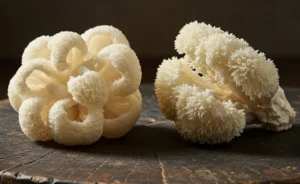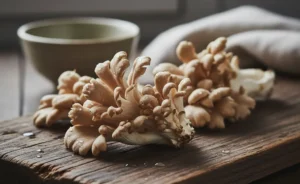

In an age where holistic well-being and natural health solutions are increasingly valued, many individuals are exploring ancient remedies and functional foods to support their daily lives. From enhancing cognitive function to bolstering the immune system, the pursuit of optimal health often leads to ingredients rooted in nature. This comprehensive guide delves into one such remarkable fungi, exploring its myriad benefits and how it can be seamlessly integrated into a modern wellness regimen. Discover the scientific insights and practical applications of the fascinating lion’s mane mushroom, a natural wonder gaining significant attention for its impressive health-promoting properties, offering a unique addition to contemporary dietary and health practices.
What is Lion’s Mane Mushroom?
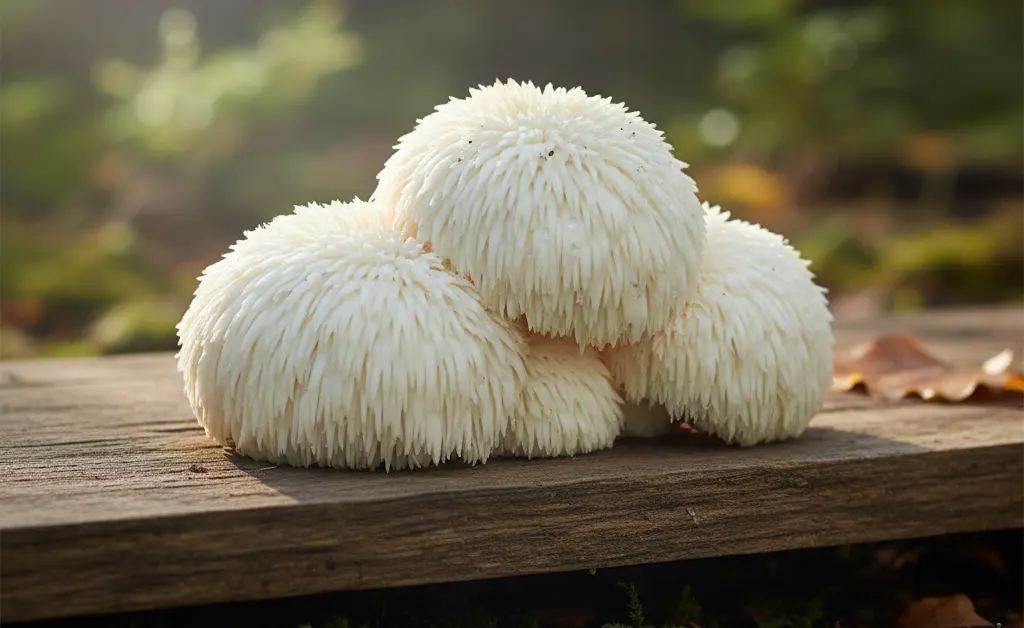
The lion’s mane mushroom, scientifically known as Hericium erinaceus, is a unique and distinctive fungi recognized by its cascading, shaggy spines that resemble a lion’s mane. Native to North America, Europe, and Asia, this edible and medicinal mushroom has been a staple in traditional Eastern medicine for centuries. It is classified as an adaptogen, a substance that may help the body adapt to various stressors and support overall balance. Other beneficial fungi, such as the reishi mushroom, also offer unique health properties.
What does lion’s mane do to your body?
Lion’s mane mushroom contains bioactive compounds such as hericenones and erinacines, which are believed to interact with various physiological pathways in the body. These compounds are studied for their potential to support nerve growth factor (NGF) production, which plays a crucial role in the maintenance and regeneration of neurons. Further research by organizations like the NIH continues to explore these benefits. Beyond brain health, the mushroom is also thought to influence immune responses and reduce inflammation, contributing to a broader spectrum of health support.
How does lion’s mane mushroom make you feel?
While not a psychoactive substance, individuals who incorporate lion’s mane mushroom into their routine often report feelings of enhanced mental clarity, focus, and a general sense of well-being. Some describe a subtle uplift in mood and a reduction in mental fogginess. These subjective experiences are often attributed to its potential neuroprotective and adaptogenic qualities, which may help the body and mind cope with daily stressors more effectively.
Key Health Benefits of Lion’s Mane Mushroom
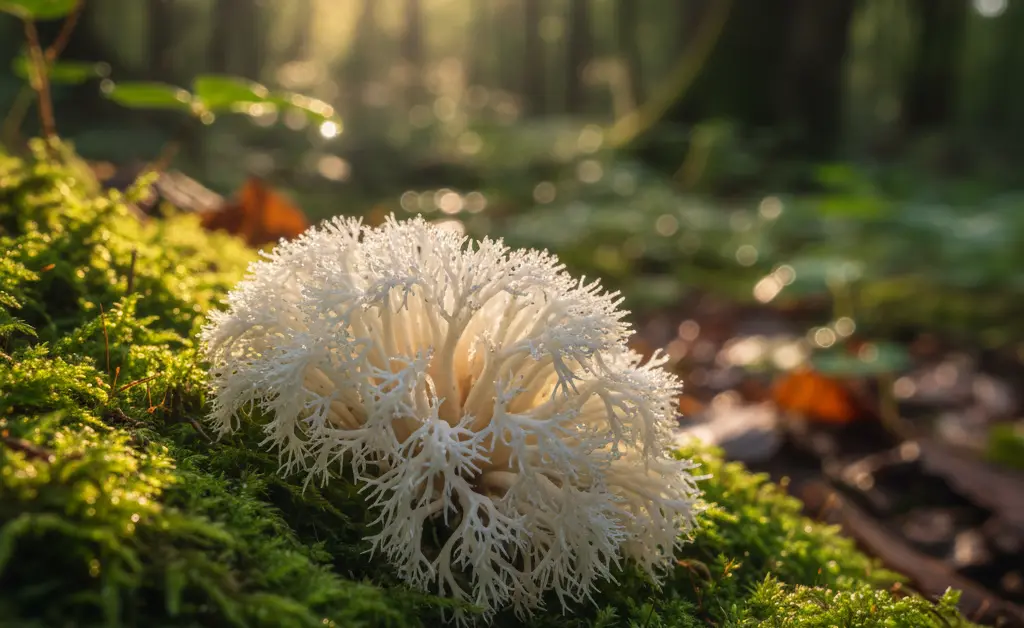
Beyond its unique appearance, the lion’s mane mushroom is celebrated for a range of potential health benefits, stemming from its rich composition of bioactive compounds. This functional food offers a holistic approach to wellness, addressing several key areas of physiological function.
Improves Fat Metabolism
Preliminary studies suggest that compounds within the lion’s mane mushroom may play a role in supporting healthy fat metabolism. This involves the body’s process of breaking down fats for energy, potentially aiding in the maintenance of a balanced metabolic profile. Integrating this mushroom into a balanced diet may contribute to the efficient processing of dietary fats.
Lowers Triglyceride Levels
Research indicates that the lion’s mane mushroom may have a beneficial influence on lipid profiles, specifically in supporting healthy triglyceride levels. Triglycerides are a type of fat found in the blood, and maintaining them within a healthy range is important for cardiovascular well-being. The mushroom’s unique compounds are thought to contribute to this effect.
Reduces Oxidation of Cholesterol
Antioxidant properties found in lion’s mane mushroom are believed to contribute to the reduction of cholesterol oxidation. Oxidized cholesterol can be a concern for circulatory health. By providing antioxidant support, the mushroom may help protect against cellular damage, thereby supporting the integrity of the cardiovascular system.
Lion’s Mane for Brain Health and Cognitive Function
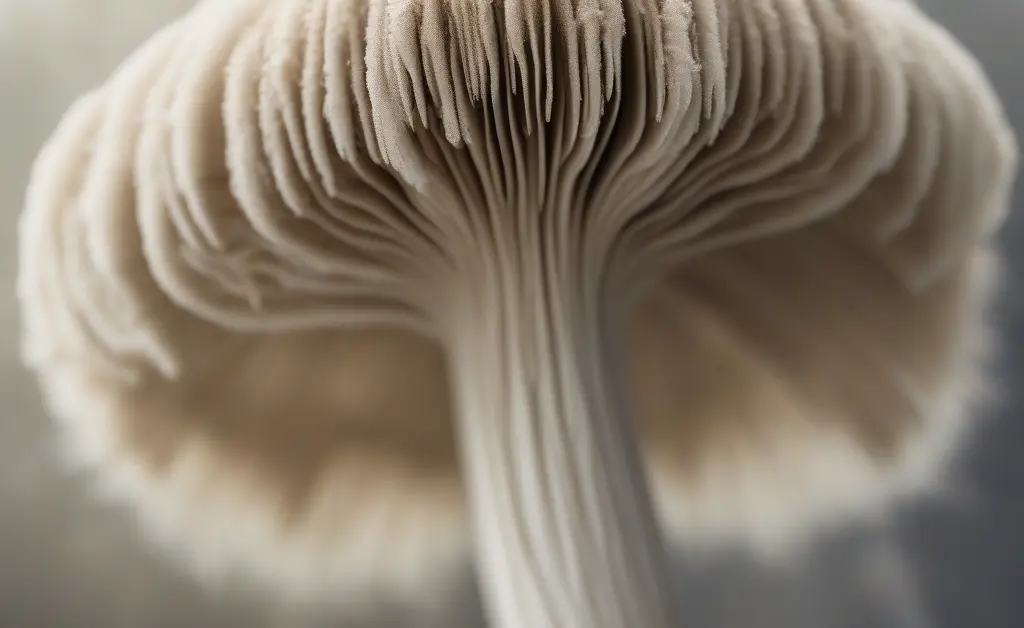
The lion’s mane mushroom has garnered significant attention for its potential to support brain health and enhance cognitive function. Its unique compounds are at the forefront of ongoing research into natural nootropic benefits.
Supporting Nerve Growth and Brain Cell Regeneration
One of the most remarkable aspects of lion’s mane mushroom is its studied ability to stimulate the production of nerve growth factor (NGF). NGF is a crucial protein that promotes the growth, maintenance, and survival of nerve cells, including those in the brain. The presence of hericenones and erinacines in the mushroom is thought to be responsible for this neurotrophic effect, potentially supporting neurogenesis and the regeneration of brain cells.
Potential for Memory and Focus Enhancement
The neuroprotective qualities of lion’s mane mushroom may translate into improvements in memory and focus. By supporting the health and connectivity of neurons, it is believed to help optimize cognitive processes. Individuals seeking natural ways to maintain mental sharpness and concentration often explore this medicinal mushroom as a complement to their routine.
Lion’s Mane for Heart and Circulatory Health
Beyond its cognitive benefits, the lion’s mane mushroom also presents a promising profile for supporting heart and circulatory health. Its various components may contribute to maintaining a healthy cardiovascular system. This functional mushroom may influence several factors crucial for cardiac well-being, working in conjunction with a balanced lifestyle to support overall circulatory function.
Lion’s Mane and Mood: Managing Anxiety and Depression
As an adaptogen, the lion’s mane mushroom is explored for its potential role in mood regulation and stress response. Modern lifestyles often present challenges to mental well-being, and natural solutions are increasingly sought. This mushroom may contribute to a balanced mood by influencing pathways associated with stress and emotional health. Its adaptogenic properties are thought to help the body better cope with environmental and psychological stressors, potentially easing feelings of anxiety and supporting a more stable emotional state. While not a treatment for clinical conditions, incorporating lion’s mane mushroom into a wellness regimen may be part of a holistic approach to emotional balance.
Immune System Support and Antioxidant Properties of Lion’s Mane
The immune system is a complex network vital for protecting the body from external threats. The lion’s mane mushroom is recognized for its potential to bolster immune function, primarily through its rich content of polysaccharides and other bioactive compounds. These components are thought to modulate immune responses, helping the body maintain its defenses effectively. The immune system can also be supported by other functional fungi, including the chaga mushroom.
Role in Gut Health and Immunity
A significant portion of the immune system resides in the gut, making gut health integral to overall immunity. Lion’s mane mushroom may support a healthy gut microbiome by acting as a prebiotic, fostering the growth of beneficial gut bacteria. A balanced gut environment is crucial for efficient nutrient absorption and a robust immune response, thereby contributing to the body’s natural defense mechanisms.
Combating Oxidative Stress with Antioxidants
Oxidative stress, caused by an imbalance between free radicals and antioxidants, can lead to cellular damage and inflammation throughout the body. The lion’s mane mushroom is packed with various antioxidant compounds that help neutralize free radicals. By combating oxidative stress, this medicinal mushroom may protect cells from damage and support overall cellular health, which is fundamental for maintaining immune integrity and general well-being.
Potential Side Effects and Safety Considerations
While the lion’s mane mushroom is generally considered safe for consumption and has been traditionally used without widespread adverse effects, it is prudent to be aware of potential reactions. As with any natural supplement, individual responses can vary.
Common Concerns and Downsides of Lion’s Mane
For most individuals, lion’s mane is well-tolerated. However, some sensitive individuals may experience mild digestive discomfort, such as an upset stomach or diarrhea, particularly when starting with higher amounts. Allergic reactions, though rare, are also possible. Individuals with known mushroom allergies should exercise caution. It is always advisable to begin with a small amount to assess tolerance and to consult with a healthcare professional before adding any new supplement to your routine, especially if you have existing health conditions or are taking other medications.
How to Use Lion’s Mane: Forms, Dosage, and Preparations
Lion’s mane mushroom is available in various forms, making it accessible for integration into daily routines. The method of preparation can influence its bioavailability and how it is typically consumed.
Understanding Different Forms: Powders, Capsules, Tinctures
Lion’s mane is commonly found as a powder, often derived from the mushroom’s fruiting body or mycelium, which can be easily added to beverages like coffee, tea, smoothies, or even sprinkled over food. Capsules offer a convenient and precise way to consume the mushroom, providing a standardized amount in each serving. Tinctures, which are liquid extracts, provide another option for absorption and can be taken directly or added to drinks. The choice of form often depends on personal preference, lifestyle, and desired ease of use. It is important to select high-quality products from reputable sources to ensure purity and potency.
Lion’s Mane Mushroom Recipes and Culinary Uses
Beyond its medicinal properties, the lion’s mane mushroom is also a gourmet delight, celebrated for its unique texture and mild, seafood-like flavor. Its versatility in the kitchen makes it an excellent addition to a wide array of dishes. Similarly, the maitake mushroom is also prized for its culinary and medicinal properties.
Cooking with Fresh and Dried Lion’s Mane
When fresh, lion’s mane can be sautéed, roasted, or pan-fried, often likened to crab meat or lobster in taste and texture. It absorbs flavors well, making it suitable for savory dishes, stir-fries, or as a meat substitute in vegetarian recipes. To prepare, simply slice or tear the mushroom and cook until golden brown. Dried lion’s mane, often found in powdered or extract form, can be rehydrated for use in cooking, or its powder can be incorporated into soups, sauces, broths, or even baked goods to impart its subtle flavor and nutritional benefits. Its mild profile ensures it complements rather than overpowers other ingredients. Exploring a lion’s mane mushroom recipe can be a delicious way to enjoy this fungus.
Where to Buy Lion’s Mane Mushroom
Lion’s mane mushroom products are increasingly available through a variety of retail channels. Consumers can find fresh lion’s mane at specialty grocery stores, farmers’ markets, or through online organic food suppliers. For supplement forms like powders, capsules, and tinctures, reputable health food stores, pharmacies, and dedicated online supplement retailers are common sources. You can easily find a lion’s mane mushroom supplement in various forms to suit your needs. When purchasing, it is advisable to look for products that are third-party tested, organic, and clearly label the source and type of mushroom material (fruiting body vs. mycelium) to ensure quality and potency. Reading reviews and understanding the brand’s commitment to quality can also guide purchasing decisions.
Historical and Traditional Uses of Lion’s Mane Mushroom
The lion’s mane mushroom has a rich history deeply rooted in traditional Asian medicine, particularly in China and Japan. For centuries, it has been revered not only as a culinary delicacy but also as a powerful medicinal mushroom. Traditional Chinese Medicine (TCM) practitioners historically utilized lion’s mane for its purported benefits in supporting digestive health and enhancing cognitive function. It was believed to nourish the “five internal organs” and was often prescribed to improve memory and vitality. Buddhist monks in ancient Japan were also known to use lion’s mane to aid in meditation, believing it enhanced concentration and mental clarity. This long history of use highlights the enduring cultural significance and perceived therapeutic value of the lion’s mane mushroom long before modern scientific inquiry.
Identifying Lion’s Mane Mushroom in the Wild
Foraging for wild mushrooms can be a rewarding experience, but precise identification is paramount to safety. The lion’s mane mushroom has a very distinctive appearance, making it relatively easy to identify for experienced foragers, though caution is always advised.
Key Visual Characteristics of Lion’s Mane
Lion’s mane is unmistakable due to its unique appearance: it grows as a single, large, spherical to elongated mass with prominent, tooth-like spines that typically cascade outwards, resembling a white or creamy waterfall. These spines can range from half an inch to over two inches long. The mushroom is almost entirely white when young, gradually turning yellowish or brownish with age. Unlike many other mushrooms, it lacks a distinct cap and stem structure, instead forming a dense, shaggy clump.
Common Habitats and Growing Seasons
Lion’s mane mushroom is a saprophytic fungus, meaning it grows on dead or dying hardwood trees, particularly oaks, maples, beeches, and walnuts. It can also occasionally be found on living trees where it acts as a weak parasite. These mushrooms typically grow in temperate forests across North America, Europe, and Asia. Its prime growing season is late summer through late autumn, although it can sometimes be found in early winter in milder climates. When foraging, it is crucial to be certain of identification and, if unsure, to consult with an expert or refrain from consumption.
The journey through the world of the lion’s mane mushroom reveals a compelling natural compound with a wealth of potential benefits. From its historical reverence in traditional medicine to its modern scientific exploration, this unique fungi offers diverse support for brain, heart, immune, and digestive health. Embracing the lion’s mane mushroom may provide a valuable addition to a holistic approach to well-being, fostering a deeper connection to nature’s abundant offerings.
The content presented here is not a substitute for professional medical guidance. It is intended for informational purposes only and does not offer medical advice, diagnoses, or treatment plans. Always consult with a qualified healthcare professional before making any decisions about your health, diet, or treatment, especially if you have pre-existing conditions or are taking medication. Individual results with natural supplements may vary.
FAQ
— What are the main benefits of taking lion’s mane?
Lion’s mane has been studied for its potential to support cognitive function, particularly memory and focus. It is also known for its compounds that may encourage the production of nerve growth factors. These factors are important for nerve health and brain plasticity.
— Is it safe to take lion’s mane every day?
Lion’s mane is generally considered safe for daily consumption based on current research and traditional use. Most individuals tolerate it well, with few reports of adverse effects in studies. However, individual sensitivities can always vary.
— What are the negative side effects of lion’s mane mushroom?
Adverse effects from lion’s mane mushroom are rarely reported and typically mild. Some individuals might experience slight digestive discomfort, such as an upset stomach, especially when first introducing it. Allergic reactions, while uncommon, are also possible, as with any food or supplement.
— Who should not take lion’s mane supplements?
Individuals who are pregnant or breastfeeding should exercise caution due to limited research in these populations. Anyone with known allergies to mushrooms or bleeding disorders should also consult a healthcare professional. Furthermore, it’s prudent to discuss any supplement use with a doctor if taking medications that affect blood clotting or blood sugar.
— How long does it take to feel the effects of lion’s mane?
The effects of lion’s mane are often subtle and tend to develop gradually over time, rather than being immediate. It may take several weeks of consistent use to notice changes, as its mechanisms involve supporting brain health and nerve pathways. Individual experiences can vary significantly based on physiology and other factors.
— Does lion’s mane actually help with focus?
Yes, lion’s mane mushroom is studied for its potential role in supporting cognitive functions, including focus and concentration. It contains compounds like hericenones and erinacines, which are relevant to brain health and nerve growth factor production. This support for neural pathways is thought to contribute to enhanced mental clarity.
— What does lion’s mane mushroom taste like?
The fresh lion’s mane mushroom is often described as having a unique, delicate taste, reminiscent of crab or lobster. It typically offers a mild, slightly sweet, and savory flavor with a firm, meaty texture when cooked. This makes it a popular culinary mushroom in various dishes.
— Is lion’s mane considered an adaptogen?
While not strictly categorized as an adaptogen in the same way as ginseng or rhodiola, lion’s mane exhibits some qualities associated with adaptogenic herbs. It is understood to support the body’s general resilience and balance, particularly regarding neural and cognitive functions. Many consider it a functional mushroom that contributes to overall well-being.