Many individuals seek natural ways to support their cognitive function and maintain mental sharpness as part of their daily routine. Historically, navigating periods of mental fatigue or seeking enhanced focus could involve various approaches, often with varying degrees of success. However, the increasing interest in functional mushrooms has presented new avenues for support. For those looking to transition from occasional mental lags to a more consistent state of cognitive agility, incorporating a high-quality lion’s mane mushroom supplement has emerged as a practical consideration. This guide delves into the evidence-based benefits, proper selection, and optimal usage of this popular nootropic, aiming to equip readers with the knowledge to make informed decisions for their brain health journey.
What is a Lion’s Mane Mushroom Supplement?
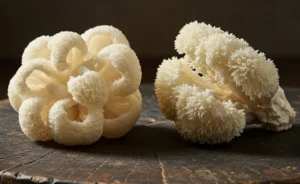
A lion’s mane mushroom supplement is derived from the edible and medicinal mushroom *Hericium erinaceus*, known for its distinctive shaggy appearance resembling a lion’s mane. This functional mushroom has been utilized for centuries in traditional East Asian practices for its potential health-promoting properties. Modern interest in this natural ingredient centers around its bioactive compounds, such as hericenones and erinacines, which are studied for their potential impact on nerve health and cognitive function. These supplements aim to deliver the beneficial components of the mushroom in a concentrated, convenient form, supporting individuals interested in natural approaches to well-being.
From Fungus to Capsule: The Extraction Process
The transformation of raw lion’s mane mushroom into a supplement typically involves a careful extraction process designed to concentrate its beneficial compounds. This often begins with drying the mushroom’s fruiting body, followed by a hot water or dual extraction method (combining hot water and alcohol extraction). Hot water extraction primarily aims to draw out polysaccharides, including valuable beta-glucans, known for their immune support properties. Alcohol extraction, on the other hand, is often employed to isolate compounds that are not water-soluble, such as the triterpenes and some erinacines. The resulting liquid extract is then typically concentrated and dried into a powder, which can then be encapsulated, pressed into tablets, or sold as a loose powder or tincture.
Key Benefits of Lion’s Mane Supplements
Individuals exploring natural ways to support their brain and body often turn to a lion’s mane mushroom supplement for its wide range of potential advantages. Its rich profile of bioactive compounds, including specific polysaccharides and terpenoids, underpins its traditional uses and the subject of ongoing scientific inquiry. The benefits attributed to this functional mushroom span across several key areas of health, making it a multifaceted addition to a wellness regimen.
Support for Cognitive Health and Memory
One of the most compelling reasons individuals seek out lion’s mane is its potential role in supporting cognitive health, particularly memory. Research has explored how the unique compounds within lion’s mane, specifically hericenones and erinacines, may encourage the production of nerve growth factor (NGF). NGF is a protein that plays a crucial role in the maintenance, survival, and regeneration of neurons in the brain. By potentially influencing NGF, lion’s mane is studied for its capacity to support nerve health and neurogenesis, which in turn may contribute to enhanced memory function and overall cognitive vitality.
Enhancing Mental Focus and Clarity
Beyond memory, lion’s mane is also recognized for its potential to enhance mental focus and clarity. Many users report a subjective experience of improved concentration and a reduction in mental fog when incorporating this functional mushroom into their routine. This nootropic effect is thought to be linked to its ability to support optimal neurological function and promote a healthy nervous system. By fostering an environment conducive to efficient neural communication, a lion’s mane mushroom supplement may help individuals maintain sustained attention and process information with greater clarity.
Potential for Immune System Boost
The benefits of lion’s mane extend beyond cognitive enhancement to potentially include immune system support. Like many medicinal mushrooms, *Hericium erinaceus* contains beneficial beta-glucans and other polysaccharides. These compounds are studied for their immunomodulatory properties, meaning they may help to balance and strengthen the body’s immune response. By interacting with immune cells, these bioactive components may contribute to a robust defense system, helping the body to maintain overall health and resilience. Promoting overall health and resilience is a global priority, as emphasized by organizations like the WHO.
Choosing the Right Lion’s Mane Supplement

Selecting an effective lion’s mane mushroom supplement requires careful consideration of several factors to ensure you are getting a high-quality product. The market offers a variety of options, and understanding the nuances between them is crucial for making an informed choice that aligns with your health goals.
Understanding Different Forms: Capsules, Powders, and Tinctures
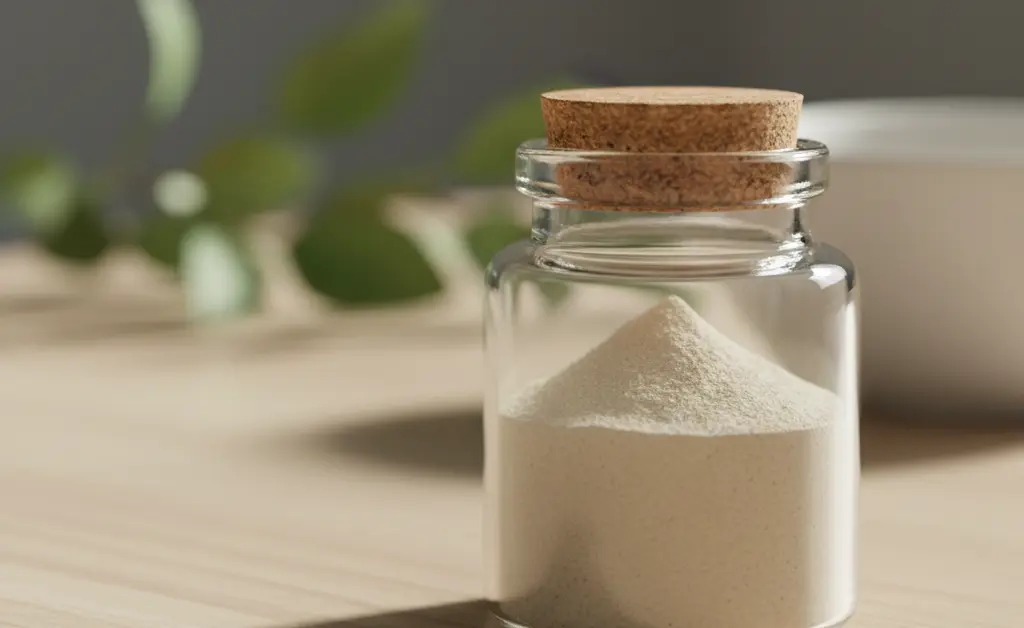
Lion’s mane supplements are available in various forms, each offering distinct advantages. Capsules provide a convenient and pre-measured dose, ideal for those seeking simplicity and portability. Powders offer versatility, allowing users to easily incorporate them into beverages, smoothies, or food, and often come in larger quantities. Some individuals also enjoy incorporating their daily dose as part of a lion’s mane mushroom coffee blend. Tinctures, which are liquid extracts, offer rapid absorption and can be taken sublingually. The choice between these forms often comes down to personal preference, lifestyle, and how one prefers to integrate the supplement into their daily routine.
The Importance of Organic and Fruiting Body Extracts
When choosing a lion’s mane mushroom supplement, prioritizing organic certification and supplements made from the fruiting body is highly recommended. Organic certification ensures that the mushroom has been grown without pesticides, herbicides, or synthetic fertilizers, contributing to a cleaner and purer product. Furthermore, supplements derived solely from the fruiting body are generally preferred over those made from mycelium grown on grain. The fruiting body is the part of the mushroom that naturally produces the highest concentration of the beneficial bioactive compounds, such as hericenones and erinacines, which are responsible for many of its studied effects. Using fruiting body extracts helps ensure maximum potency and efficacy. Understanding the specific lion’s mane mushroom extract benefits helps consumers make informed choices.
How to Read the Supplement Facts Label
Deciphering a supplement facts label is key to understanding what you are truly consuming. Look for clear indications of the source material (e.g., “100% fruiting body extract”) and the extraction method (e.g., “hot water extract” or “dual extract”). Pay attention to the concentration ratio (e.g., “10:1 extract”), which signifies how much raw material was used to produce the extract. A transparent label will also often list specific bioactive compounds, such as beta-glucans, and their percentages. Lastly, seek out products that mention third-party testing, which provides an independent verification of purity and potency, ensuring the product is free from contaminants and contains the stated ingredients.
How to Take Lion’s Mane Supplements
Incorporating a lion’s mane mushroom supplement into your daily regimen is a straightforward process, though understanding general practices can help optimize its potential benefits. While individual needs may vary, there are common approaches to its usage.
General Dosage Recommendations
General recommendations for a lion’s mane mushroom supplement suggest starting with a moderate amount and observing how your body responds. Manufacturers typically provide guidelines on their product labels, which are designed to offer an appropriate starting point for daily intake. It is generally advisable to adhere to these instructions. The concentration of active compounds can vary between products, so always refer to the specific product’s label for guidance.
Best Time of Day to Take Lion’s Mane
There is no universally prescribed “best” time of day to take lion’s mane, as it largely depends on individual preferences and desired effects. Some individuals prefer to take it in the morning to potentially support cognitive function and mental clarity throughout the day. Others might take it with meals to aid absorption, or even in the evening if they find it contributes to a sense of calm. Consistency in daily intake is often considered more important than the exact timing, allowing the beneficial compounds to accumulate in the system over time.
Potential Side Effects and Considerations

While a lion’s mane mushroom supplement is generally considered well-tolerated, it is important to be aware of potential side effects and considerations before incorporating it into your routine. As with any natural product, individual reactions can vary. It’s also important to research the potential lion’s mane mushroom gummies side effects, as this form is gaining popularity.
Potential Interactions with Other Substances
Individuals who are taking other supplements or medications should consider the potential for interactions. While generally mild, lion’s mane may theoretically interact with certain types of substances, particularly those affecting blood clotting or blood sugar levels. It is always prudent to consult with a qualified health professional before starting any new supplement, especially if you have pre-existing health conditions or are undergoing treatment, to ensure it is appropriate for your individual circumstances.
Lion’s Mane Mushroom Supplement Reviews
When considering a lion’s mane mushroom supplement, consumer reviews can offer valuable insights into product effectiveness, quality, and user experience. Reading through testimonials and ratings from other users can help prospective buyers make more informed decisions, offering a glimpse into real-world applications and satisfaction levels.
Evaluating Top-Rated Brands
Evaluating top-rated brands involves more than just looking at a high star rating; it requires a deeper dive into what makes a brand reputable. Seek out brands that emphasize transparency in their sourcing, manufacturing processes, and third-party testing results. Reputable brands often provide clear information about whether they use fruiting body or mycelium, and their extraction methods. Consistently positive reviews that detail noticeable cognitive or immune support benefits, alongside mentions of good customer service and ethical practices, can be strong indicators of a reliable lion’s mane mushroom supplement. Furthermore, consider brands that are explicit about their commitment to sustainability and product purity.
Where to Buy Lion’s Mane Supplements
Finding a reliable source for your lion’s mane mushroom supplement is just as important as choosing the right product. The availability of these supplements has expanded significantly, offering various purchasing avenues for consumers.
Finding Reputable Online Retailers
Online retailers offer convenience and a wide selection of lion’s mane supplements. When shopping online, prioritize well-known and reputable health and wellness e-commerce sites, or consider purchasing directly from the brand’s official website. Look for retailers with transparent return policies, customer support, and comprehensive product descriptions that include third-party testing results, ingredient lists, and certifications. Reading customer reviews on these platforms can also provide additional assurance regarding the reliability of the retailer and the quality of the lion’s mane mushroom supplement they offer.
Purchasing from Local Health Stores
Local health stores, specialty supplement shops, and even some pharmacies can be excellent places to buy lion’s mane supplements. Purchasing locally allows you to speak directly with knowledgeable staff who can offer personalized recommendations and answer questions about specific products. This face-to-face interaction can be particularly helpful for those new to functional mushrooms or who have specific dietary requirements. Additionally, seeing the product in person allows for a closer inspection of packaging and labels, contributing to a more confident purchase.
The journey to enhanced cognitive vitality and overall well-being often involves exploring natural solutions that align with a holistic health philosophy. The lion’s mane mushroom supplement stands out as a functional ingredient, garnering significant interest for its traditional use and ongoing research into its potential benefits for brain health, memory, and focus. By carefully considering the form, quality, and sourcing of a lion’s mane mushroom supplement, individuals can make informed choices to support their cognitive function and contribute positively to their daily wellness routine.
This material is shared for educational insight, not for clinical decision-making. Information presented here is for general knowledge and informational purposes only, and does not constitute medical advice. It is always advisable to consult with a qualified healthcare professional before making any decisions about your health or starting any new supplement regimen, especially if you have underlying health conditions or are taking medications.
FAQ
— What are the main benefits of taking a lion’s mane supplement?
Lion’s mane is recognized for its potential to support cognitive function, including memory and focus. It’s also been studied for its role in nerve growth factor production and its general impact on the nervous system. Some research also explores its contributions to digestive health and immune support.
— How long does it take for lion’s mane supplements to work?
The timeframe for noticing effects from a lion’s mane mushroom supplement can vary significantly among individuals. Factors like personal physiology, lifestyle, and the consistency of use all play a role in how quickly one might perceive changes. Sustained, consistent use over several weeks or months is generally observed in studies where outcomes are measured.
— Is it safe to take a lion’s mane supplement every day?
Lion’s mane is generally regarded as safe for consistent daily use by most healthy individuals. Studies exploring its long-term consumption have typically not identified significant adverse effects. However, individual sensitivities can always exist, and it’s prudent for anyone with specific health concerns to consult a healthcare professional before starting new supplements.
— What should I look for when buying a lion’s mane supplement?
When selecting a lion’s mane product, it’s beneficial to prioritize supplements made from the fruiting body of the mushroom, as these typically contain higher concentrations of beneficial compounds. Look for products that specify third-party testing for purity and potency to ensure quality and safety. Understanding the extraction method, such as hot water extraction, can also indicate a well-prepared supplement designed for bioavailability.
— Does lion’s mane actually improve focus and memory?
Lion’s mane is widely studied for its potential influence on cognitive functions like focus and memory. Its compounds, specifically hericenones and erinacines, are relevant to the production of nerve growth factor, which plays a critical role in brain cell health and plasticity. This mechanism is linked to the support of overall brain health and neurogenesis, which can indirectly contribute to cognitive performance.
— What is the difference between lion’s mane capsules and powder?
The primary difference between lion’s mane capsules and powder lies in their form and convenience of consumption. Capsules offer a pre-measured dose and are tasteless, making them easy to integrate into a daily routine without preparation. Powder provides flexibility in dosing and can be readily mixed into beverages or foods, appealing to those who prefer customization or experience the mushroom’s natural taste.