


It’s a common notion that natural health supplements, especially those derived from beneficial fungi like Lion’s Mane, are universally safe and free from adverse reactions. While Lion’s Mane is widely praised for its cognitive-enhancing and neuroprotective properties, assuming complete innocuousness for all users would be an oversimplification. Like any active compound introduced to the body, even in a seemingly benign format such as gummies, individual responses can vary. Understanding these potential reactions is vital for responsible consumption. This guide aims to provide a clear, balanced perspective on the possible lion’s mane mushroom gummies side effects, helping consumers make informed decisions about incorporating this popular supplement into their wellness routine.
Lion’s Mane Mushroom Gummies Side Effects
While Lion’s Mane mushroom (Hericium erinaceus) is generally well-tolerated, some individuals may experience mild adverse effects, particularly when first introducing the supplement or consuming larger amounts. The presence of other ingredients in gummy formulations, such as sweeteners or additives, can also potentially contribute to individual sensitivities. Being aware of these possible lion’s mane mushroom gummies side effects can help consumers monitor their bodies’ responses and adjust their consumption as needed. Some prefer other forms, such as a pure Lion’s Mane mushroom extract, to avoid gummy additives.
Digestive and Stomach Discomfort
One of the most frequently reported mild lion’s mane mushroom gummies side effects involves the digestive system. Some individuals may experience stomach discomfort, including symptoms such as nausea, bloating, mild abdominal pain, or changes in bowel habits like diarrhea. These gastrointestinal issues are often temporary and may subside as the body adjusts to the supplement. Starting with a lower dose and gradually increasing it can sometimes help to mitigate these initial digestive upset sensations. For those seeking alternative delivery methods, a Lion’s Mane mushroom liquid extract might offer different absorption characteristics.
Potential Allergic Reactions and Sensitivities
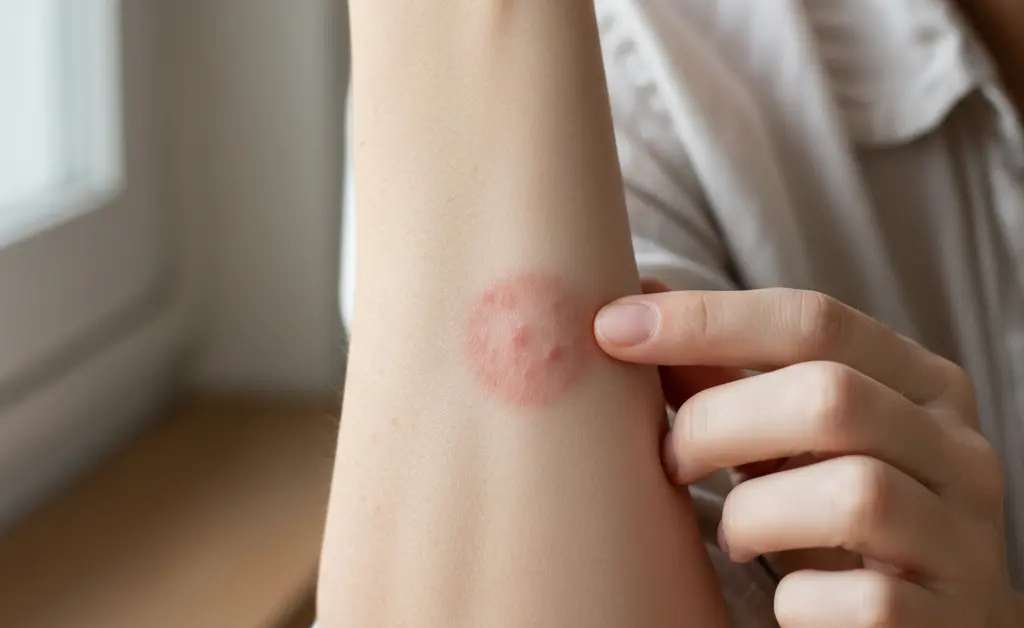
Although uncommon, some individuals may exhibit an allergic reaction or hypersensitivity to Lion’s Mane mushroom or other components within the gummy formulation. An allergic response indicates that the immune system perceives certain active compounds in the mushroom as a threat, triggering a defensive reaction. Recognizing the signs of such reactions is crucial for consumer safety, as these can be among the more serious lion’s mane mushroom gummies side effects.
Skin Irritation or Rash
For those sensitive to the mushroom or its ingredients, skin irritation may manifest as a mild side effect. This could include symptoms such as itching, redness, or the development of a rash or hives on the skin. These skin reactions are typically localized and may appear shortly after consumption. If such symptoms occur, it is often advisable to discontinue use and observe if the irritation subsides.
Breathing Difficulties
In rare and more severe cases, an allergic reaction to Lion’s Mane or other gummy ingredients could lead to respiratory issues. Symptoms might include shortness of breath, wheezing, or tightness in the chest. Individuals with pre-existing conditions like asthma or other respiratory sensitivities may be more prone to experiencing these types of severe adverse effects. Such breathing difficulties represent a significant safety concern and warrant immediate medical attention. Information on general health guidelines can also be found through organizations like the WHO.
Factors That Influence Adverse Reactions

Several factors can influence an individual’s susceptibility to experiencing lion’s mane mushroom gummies side effects. These include pre-existing health conditions, allergies to related substances, and interactions with other medications. Understanding these influencing factors can help individuals make more informed decisions about incorporating Lion’s Mane gummies into their wellness routines and minimize potential risks. It highlights that not everyone will react the same way to a supplement.
Individuals with Mushroom Allergies
People with known allergies to other mushrooms or fungi are inherently at a higher risk of experiencing adverse effects from Lion’s Mane gummies. Given that Lion’s Mane is a type of mushroom, a cross-reactive allergic response is a potential concern. It is prudent for anyone with a history of mushroom allergies to exercise extreme caution or avoid Lion’s Mane supplements altogether.
People with Bleeding Disorders or Scheduled for Surgery
Certain compounds found in Lion’s Mane mushroom may potentially influence blood clotting. For individuals with existing bleeding disorders or those taking anticoagulant or antiplatelet medications, this could pose a risk. Similarly, anyone scheduled for surgery should discuss their supplement intake with a health professional, as substances affecting blood clotting may need to be discontinued prior to the procedure to prevent complications.
Pregnant or Breastfeeding Women
The safety of Lion’s Mane mushroom gummies for pregnant or breastfeeding women has not been extensively studied in human clinical trials. Due to the lack of sufficient research and safety data in these specific populations, it is generally recommended that pregnant or breastfeeding women consult with a healthcare provider before consuming Lion’s Mane supplements. This precautionary approach helps to ensure the well-being of both the mother and child.
While Lion’s Mane mushroom gummies are generally considered safe for many, understanding the potential lion’s mane mushroom gummies side effects is essential for responsible consumption. Most reported adverse effects are mild and transient, such as digestive upset or minor skin irritation. However, more serious reactions, though rare, can occur, especially in individuals with pre-existing conditions or allergies. Awareness of factors like mushroom allergies, bleeding disorders, and the unique considerations for pregnant or breastfeeding individuals empowers consumers to make informed choices. Despite these concerns, many still value the Lion’s Mane mushroom supplement benefits for cognitive support. If any adverse effects are experienced, discontinuing use and seeking advice from a qualified health professional is always recommended to ensure personal safety and well-being.
It is important to note that this content is not intended as medical advice. This information is for educational purposes only and should not be used to diagnose, treat, cure, or prevent any disease. Always consult with a qualified healthcare professional before making any decisions about your health or starting any new supplement regimen. Individual results and experiences with supplements may vary.
FAQ
— Are there any negative side effects to lion’s mane gummies?
Most individuals tolerate lion’s mane well, and lion’s mane mushroom gummies side effects are typically reported as rare and mild. Any potential discomfort is often linked to individual sensitivities rather than widespread adverse reactions.
— Can lion’s mane gummies cause stomach upset?
Some individuals, particularly when first introducing new dietary supplements, might experience mild digestive changes like stomach upset or bloating. This is often a temporary adjustment as the body adapts to new ingredients.
— Who should not take lion’s mane mushroom gummies?
Individuals with known mushroom allergies should exercise caution with any mushroom product. Furthermore, those on specific medications or with underlying health conditions, as well as pregnant or breastfeeding individuals, are advised to consult a healthcare professional before adding new supplements.
— Can you have an allergic reaction to lion’s mane mushroom?
While not common, it is possible for individuals to experience an allergic reaction to lion’s mane mushroom, as with almost any food or botanical. These reactions typically involve typical allergen responses, reflecting the immune system’s individual sensitivity.