Lion’s mane mushrooms are celebrated for their distinctive shaggy appearance and delicate, crab-like flavor, making them a fascinating ingredient for both seasoned chefs and home cooks. These unique fungi, often touted for their potential health benefits, offer a versatile canvas for culinary exploration. Whether you’re aiming for a crispy texture or a tender, savory bite, understanding the best preparation and cooking techniques is key to unlocking their full potential. This guide will walk you through essential methods for cleaning, slicing, and cooking lion’s mane, focusing on popular sautéing and air frying approaches. Discover how to create an impressive lion’s mane mushroom recipe that highlights its exquisite taste and texture.
How to Prepare Lion’s Mane for Cooking
How to Clean Lion’s Mane
Cleaning lion’s mane mushrooms requires a gentle touch to preserve their delicate texture. Unlike many mushrooms that can be gritty, lion’s mane tends to be relatively clean. Instead of washing them under running water, which can cause them to absorb excess moisture and become soggy, gently brush off any visible dirt or debris with a soft, dry cloth or a mushroom brush. If absolutely necessary, a very lightly damp paper towel can be used to wipe off stubborn spots, but avoid prolonged contact with water.
How to Slice Lion’s Mane Mushrooms
The way you slice lion’s mane mushrooms can significantly impact their texture and cooking time. For “steaks” or heartier preparations, you might slice them into thick, medallion-like pieces, about 1/2 to 3/4 inch thick, across the grain. This method helps maintain a meaty, substantial bite. For recipes where you want a more delicate, crab-like texture, you can gently pull apart the mushroom into smaller, shred-like pieces, mimicking crab meat. Alternatively, thin slices across the mushroom’s body work well for sautéing, offering more surface area for browning and crisping.
Storing Fresh Lion’s Mane Mushrooms
Proper storage is crucial for maintaining the freshness and quality of lion’s mane mushrooms. They are best stored in a paper bag in the refrigerator, allowing for air circulation and preventing moisture buildup that can lead to spoilage. Avoid storing them in plastic bags, as this traps humidity. When stored correctly, fresh lion’s mane can typically last for several days. Inspect them for any signs of sliminess or dark spots before use. Many wonder, can you eat lion’s mane mushroom raw?
Cooking with Dried Lion’s Mane Mushrooms
Dried lion’s mane mushrooms offer a convenient alternative when fresh ones are not available. Before cooking, they need to be rehydrated. Place the dried mushrooms in a bowl and cover them with warm water or broth. Let them soak for about 20-30 minutes, or until they become tender and pliable. Once rehydrated, gently squeeze out any excess liquid before proceeding with your chosen cooking method, such as sautéing, stir-frying, or adding them to soups and stews. The rehydrating liquid, if clean, can sometimes be reserved and used as a flavorful broth.
Mastering the Sautéed Lion’s Mane Mushroom
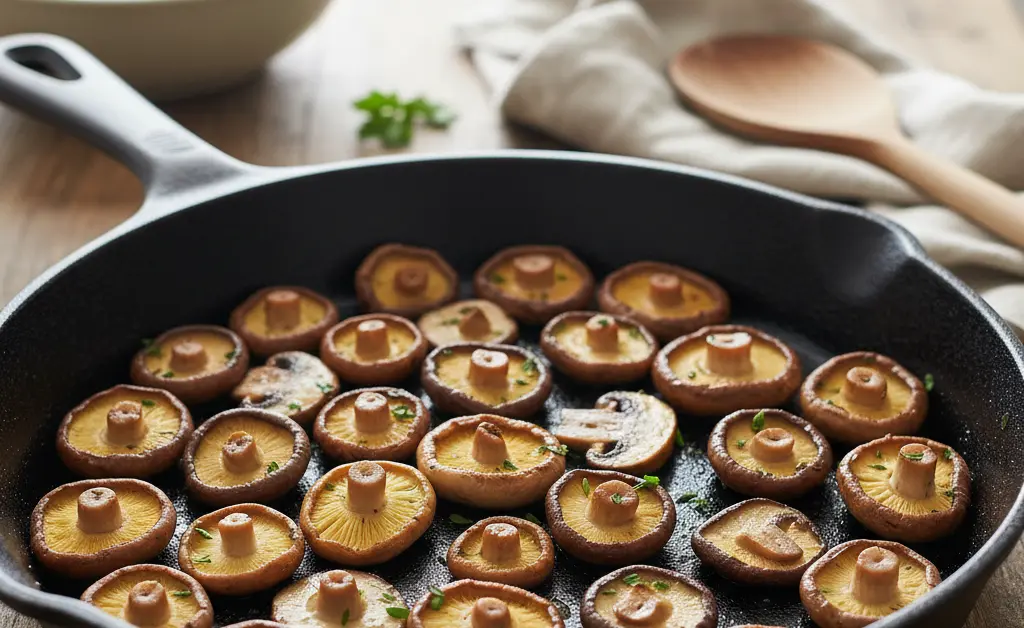
Sautéing is one of the most popular and effective methods for cooking lion’s mane, allowing its unique flavor and texture to truly shine. A well-executed sautéed lion’s mane mushroom recipe can transform this fungi into a culinary delight, offering a savory, meaty, and slightly sweet experience.
Essential Ingredients for Cooking
To begin your sautéed lion’s mane journey, gather your essential ingredients. Beyond the mushroom itself, you’ll need a good quality cooking fat like olive oil or butter (or a combination of both), along with basic seasonings such as salt and freshly ground black pepper. These simple elements form the foundation for a delicious dish, allowing the natural flavors of the lion’s mane to be the star.
Preheating Your Pan and Fats
Achieving the perfect sear starts with proper pan preheating. Use a heavy-bottomed pan, such as a cast iron skillet, which distributes heat evenly. Place it over medium-high heat and allow it to get hot before adding your chosen fat. Once the pan is hot, add olive oil or butter. The oil should shimmer, or the butter should melt and begin to foam slightly, indicating it’s ready for the mushrooms. This initial high heat is key for developing a good crust.
Achieving a Golden-Brown Crust
The hallmark of excellent sautéed lion’s mane is a beautiful golden-brown crust. To achieve this, avoid overcrowding the pan. Cook the mushroom slices or pieces in batches if necessary, ensuring each piece has direct contact with the hot pan surface. Resist the urge to constantly stir them; allow them to cook undisturbed for several minutes on each side until a deep golden-brown color develops. This browning, known as the Maillard reaction, contributes significantly to the savory umami flavor.
Finishing Touches with Butter and Seasoning
Once your lion’s mane has developed a lovely crust, it’s time for the finishing touches. A knob of butter added towards the end of cooking can impart a rich, nutty flavor and a glossy finish. Swirl the melting butter around the pan, basting the mushrooms gently. This is also the ideal time to adjust your seasoning with additional salt and pepper, ensuring the flavors are perfectly balanced. The residual heat will melt the butter and meld the seasonings.
Enhancing Flavors with Garlic and Herbs
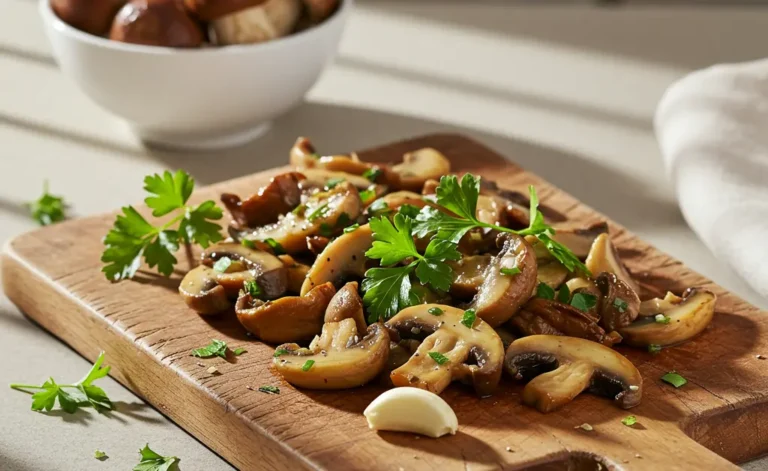
To further elevate your sautéed lion’s mane, consider incorporating aromatics and fresh herbs. Minced garlic added to the pan in the last minute or two of cooking (after the mushrooms have browned) can infuse a wonderful depth of flavor. Fresh herbs like thyme, rosemary, or parsley, chopped and stirred in at the very end, add a vibrant freshness and aromatic complexity. The warmth of the pan gently coaxes out their essential oils, enhancing the overall profile of your lion’s mane mushroom recipe.
Determining Cook Time for Lion’s Mane
The ideal cook time for lion’s mane mushrooms can vary based on thickness and desired texture. Generally, sautéing slices or pieces over medium-high heat can take several minutes per side. You are looking for a tender interior with a distinct golden-brown, crispy exterior. The mushrooms will soften and release some moisture, which should evaporate as they cook, leading to that desirable caramelization. Taste a small piece to check for doneness and adjust as needed.
Flavorful Seasoning Combinations
Beyond salt, pepper, garlic, and herbs, lion’s mane is a versatile canvas for many seasoning combinations. Consider a sprinkle of smoked paprika for a smoky depth, a dash of soy sauce or tamari for an umami boost, or a squeeze of lemon juice at the end for brightness. Asian-inspired spice blends, or even a simple mix of onion powder and nutritional yeast, can create distinct flavor profiles, making each lion’s mane mushroom recipe unique.
Common Cooking Mistakes to Avoid
To ensure a successful sauté, avoid these common pitfalls:
- Overcrowding the pan: This lowers the pan’s temperature, steaming the mushrooms instead of browning them.
- Insufficient heat: Low heat also leads to steaming and a rubbery texture instead of a crispy one.
- Adding salt too early: Salt can draw out moisture, preventing browning. It’s often best added once some browning has occurred.
- Not drying the mushrooms: Any residual moisture on the mushrooms will also hinder browning.
By avoiding these mistakes, you’ll be well on your way to perfectly sautéed lion’s mane.
Air Fryer Lion’s Mane Mushroom Recipe
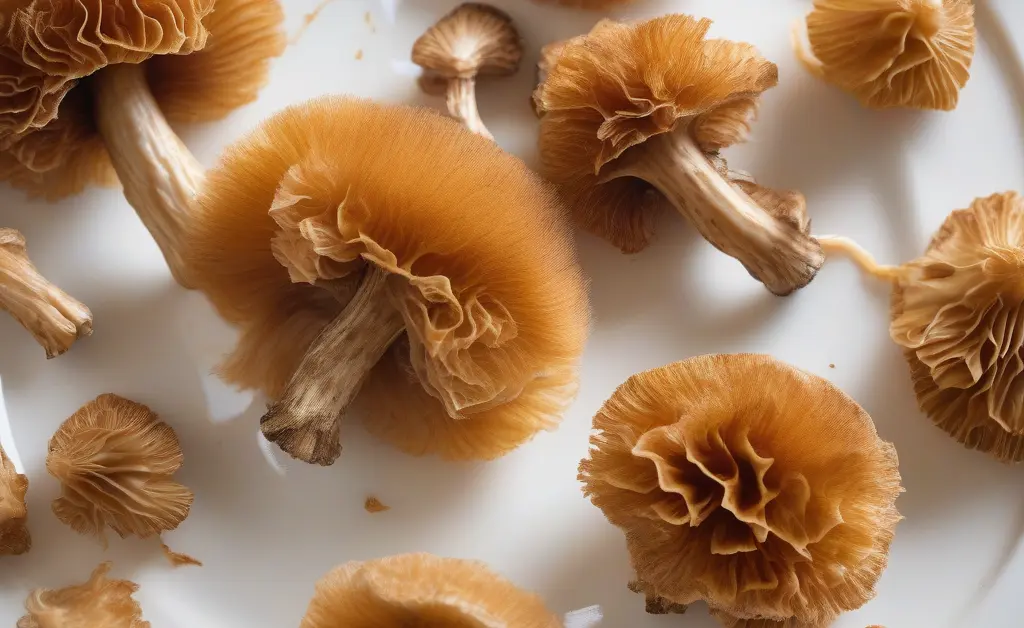
The air fryer offers an excellent method for achieving a wonderfully crispy exterior on lion’s mane mushrooms with less oil. This approach creates a distinct texture, often reminiscent of crispy fried seafood, making an air fryer lion’s mane mushroom recipe a fantastic alternative to sautéing.
Tips for a Crispy Texture
To ensure your air-fried lion’s mane mushrooms are perfectly crispy, follow these tips:
- Dry Thoroughly: Pat the mushroom pieces completely dry after cleaning. Any moisture will create steam and prevent crisping.
- Lightly Coat with Oil: Toss the mushroom pieces with a small amount of olive oil or avocado oil. This helps with browning and crispiness.
- Season Well: Season generously with salt, pepper, and any desired spices before air frying.
- Don’t Overcrowd: Arrange the mushroom pieces in a single layer in the air fryer basket. Cook in batches if necessary to allow hot air to circulate freely around each piece.
- Shake the Basket: Shake the basket periodically during cooking to ensure even crisping and browning.
- Adjust Temperature and Time: Cooking at a medium-high temperature in the air fryer generally yields the best results. Keep an eye on them, as air fryer models can vary.
These steps will help you achieve a delightful crispy texture that enhances the mushroom’s natural qualities.
Step-by-Step Guide to Cooking Lion’s Mane
Easy Sautéed Lion’s Mane Mushroom Recipe
Here’s a straightforward guide to preparing a delicious sautéed lion’s mane mushroom recipe:
- Clean and Slice: Gently brush off any dirt from your lion’s mane. Slice it into desired shapes—thick planks for a meaty texture or thinner pieces for quicker cooking.
- Heat the Pan: Place a cast iron skillet or heavy-bottomed pan over medium-high heat. Add 1-2 tablespoons of olive oil or a mix of olive oil and butter.
- Sear the Mushrooms: Once the fat is shimmering, add the lion’s mane pieces to the hot pan in a single layer, ensuring not to overcrowd. Let them cook undisturbed for 3-5 minutes until a golden-brown crust forms on the bottom.
- Flip and Continue: Flip the mushrooms and cook for another 3-4 minutes on the other side until browned and tender.
- Add Flavor: In the last minute of cooking, add a knob of butter, minced garlic, and fresh herbs like thyme or parsley. Swirl the pan to coat the mushrooms.
- Season and Serve: Season generously with salt and freshly ground black pepper to taste. Remove from heat and serve immediately.
Best Lion’s Mane Mushroom Recipe Ideas
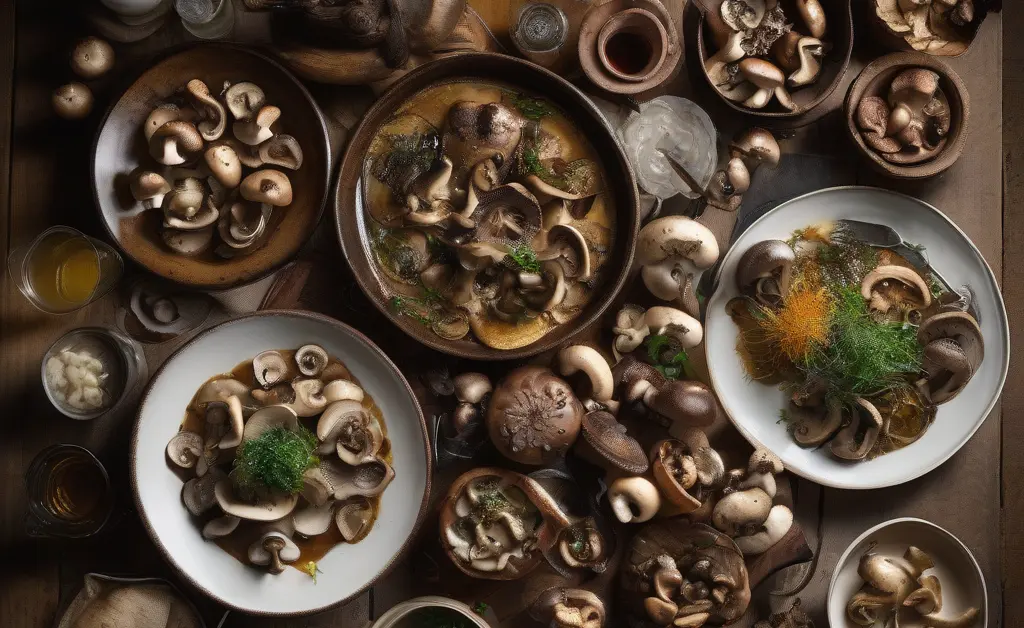
Lion’s mane mushrooms are incredibly versatile, lending themselves to a wide array of culinary creations. Their unique texture and subtle flavor make them an excellent substitute for seafood or a hearty addition to various dishes. Exploring different lion’s mane mushroom recipe ideas can unlock new dimensions of flavor and enjoyment. You can also explore maitake mushroom recipes for more culinary inspiration.
Lion’s Mane Mushroom Steak
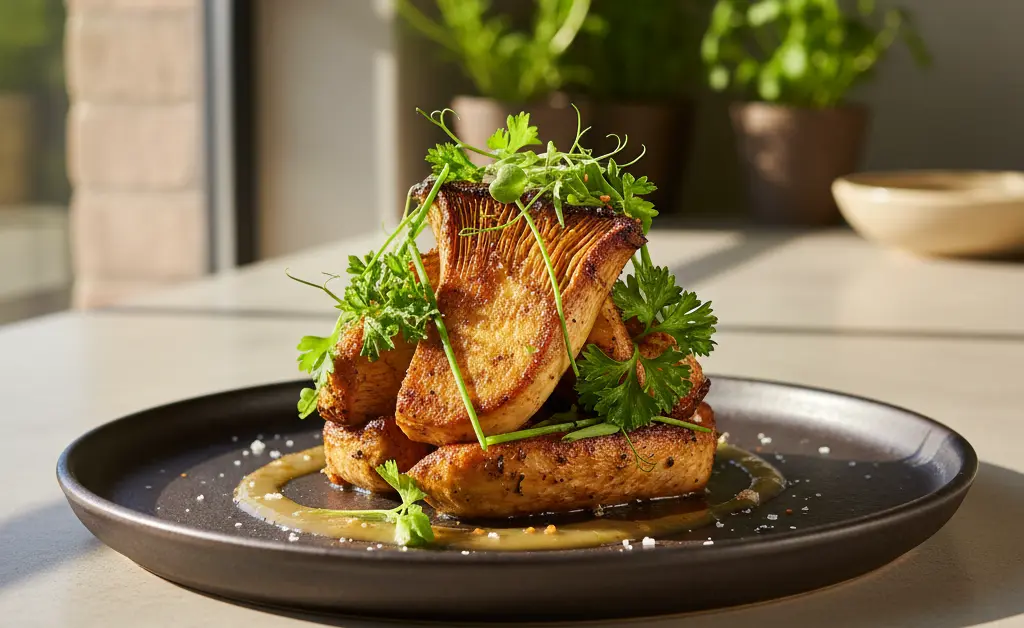
For a truly satisfying and hearty dish, prepare lion’s mane as a “steak.” Thickly slice the mushroom into large medallions. Season generously with salt, pepper, garlic powder, and perhaps a touch of smoked paprika. Sear these “steaks” in a hot cast iron skillet with olive oil or butter until deeply golden brown and tender, often basting with herbs like rosemary or thyme during cooking. The result is a substantial, savory piece with a delightful meaty texture that can be served as a main course.
Lion’s Mane Mushroom Pasta Dishes
Lion’s mane integrates beautifully into pasta dishes, adding a rich, umami depth. Sauté thinly sliced or shredded lion’s mane with onions, garlic, and cherry tomatoes, then toss with your favorite pasta and a light sauce. It pairs wonderfully with creamy white wine sauces, earthy mushroom broths, or even a simple olive oil and herb dressing. The mushroom’s delicate flavor absorbs the sauce, making each bite flavorful. Consider making a delicious lion’s mane mushroom crumble as a versatile topping.
“Crab” Cakes with Lion’s Mane Mushrooms
Given its natural seafood-like texture and mild flavor, lion’s mane is an exceptional ingredient for plant-based “crab” cakes. Gently shred cooked lion’s mane mushrooms and combine them with ingredients like finely diced celery, red onion, a binder (such as breadcrumbs or flax egg), Old Bay seasoning, and fresh parsley. Form into patties and pan-fry until golden brown and crispy. Serve with a squeeze of lemon and a dollop of plant-based tartar sauce for an authentic experience.
Chinese-Inspired Lion’s Mane Recipes
Lion’s mane mushrooms are also a fantastic addition to Chinese-inspired cuisine. Their ability to absorb flavors makes them ideal for stir-fries with vibrant vegetables, soy sauce, ginger, and garlic. They can also be incorporated into savory broths, noodle soups, or even marinated and roasted for a flavorful side dish. The mild, slightly sweet notes of the mushroom complement the bold and aromatic profiles common in many Chinese preparations.
Serving Suggestions and Recipe Variations
Simple Serving Ideas
Once cooked, lion’s mane mushrooms can be enjoyed in many ways. A simple serving idea is to enjoy them as a standalone side dish, perhaps with a final squeeze of lemon juice for brightness. They also make an excellent topping for toast or crusty bread, especially when sautéed with garlic and herbs. Consider adding them to a mixed green salad for a hearty addition, or using them as a flavorful component in a grain bowl alongside roasted vegetables and a favorite dressing. Their versatility allows them to enhance almost any meal.
Exploring the culinary potential of lion’s mane mushrooms opens up a world of delightful flavors and textures. Whether you prefer the golden crispness of a sautéed preparation or the satisfying crunch from an air fryer, incorporating this unique fungi into your cooking can elevate everyday meals. With a little practice, mastering a lion’s mane mushroom recipe becomes an enjoyable experience, yielding delicious and impressive results every time. Further research on mushrooms and health can be found through organizations like the NIH.
This content is for informational use and should not be considered medical instruction. It is not intended to provide medical advice, diagnosis, or treatment. Always consult with a qualified healthcare professional before making any decisions about your health or treatment plan, especially if you have a medical condition or are taking medication. Individual results and experiences may vary.
FAQ
— What is the best way to cook lion’s mane mushrooms?
Sautéing or pan-frying is often favored to achieve a delightful texture and rich flavor profile. High heat helps to brown the surface and develop its unique taste, which is often compared to crab or lobster. For a delicious lion’s mane mushroom recipe, consider thinly slicing and searing in butter or oil until golden brown. This method helps prevent sogginess and brings out its delicate sweetness.
— How do you prepare lion’s mane before cooking?
Begin by gently brushing off any visible dirt or debris from the mushroom’s surface. You can then slice or tear the lion’s mane into desired pieces, keeping in mind that thicker cuts will absorb less moisture and retain a better texture when cooked. Some prefer to gently pat it dry with a paper towel to remove excess moisture before cooking.
— Should you wash lion’s mane mushrooms before cooking them?
Generally, it’s best to avoid rinsing lion’s mane mushrooms under running water, as they tend to absorb moisture quickly. Excess water can lead to a soggy texture when cooked and hinder proper browning. Instead, use a dry brush or a slightly damp cloth to gently wipe away any dirt or debris.
— What flavors go well with lion’s mane?
Given its subtle, seafood-like notes often likened to crab or lobster, lion’s mane pairs wonderfully with rich, savory flavors. Garlic, butter, thyme, and rosemary are classic accompaniments that enhance its natural profile. It also complements umami-rich ingredients like soy sauce or miso.
— How do you know when lion’s mane is cooked?
When properly cooked, lion’s mane mushrooms will develop a beautiful golden-brown sear on their exterior. The texture should transform from sponge-like to tender with a slight chew, reminiscent of cooked seafood. Avoid overcooking, as this can lead to a rubbery or tough consistency.
— Why is my lion’s mane mushroom soggy?
Sogginess in lion’s mane often results from overcrowding the pan, which lowers the cooking temperature and steams the mushrooms rather than searing them. It can also occur if the mushrooms absorb too much water during preparation or are not sufficiently dried before cooking. Ensuring good air circulation and adequate heat are key to achieving a desirable texture.
— Can you eat the entire lion’s mane mushroom?
Yes, the entire lion’s mane mushroom, including its distinctive “spines” or tendrils, is edible. These fluffy structures contribute to its unique texture and mild flavor. There is no need to remove any part before cooking.