Many home cooks and health enthusiasts often feel limited by conventional ingredient choices, constantly searching for something that offers both distinctive flavor and substantial nutritional value. The challenge of incorporating unique, wholesome foods into daily routines without extensive effort or specialized knowledge can be a real frustration. This guide aims to alleviate that common dilemma by exploring a remarkable culinary and medicinal fungi that stands out from the ordinary. Discover the versatile appeal of the hen of the woods mushroom, a sought-after delicacy celebrated for its rich, earthy taste and impressive health benefits. From identification tips to foraging advice and diverse culinary applications, we will uncover everything you need to know about integrating this extraordinary ingredient into your kitchen.
What is Hen of the Woods Mushroom? (Grifola frondosa)
The hen of the woods mushroom, scientifically known as Grifola frondosa, is a highly prized edible fungus renowned for its distinctive appearance and rich flavor profile. It is also known by several other names depending on the region. Unlike many single-stemmed mushrooms, this polypore forms large, multi-lobed clusters that grow at the base of trees, particularly oaks. It is considered a gourmet mushroom, cherished by chefs and foragers alike for its unique characteristics and versatility in the kitchen. Its substantial size and impressive clusters make it a sought-after find during wild mushroom hunting season.
Scientific Name and Common Nicknames
The scientific name for the hen of the woods mushroom is Grifola frondosa. This name is widely recognized in mycology and scientific literature. However, it is known by several common nicknames across different cultures and regions. Perhaps the most famous alternative name is Maitake, originating from Japan, where it means “dancing mushroom” – a name possibly inspired by the joy foragers experienced upon finding it or its shape resembling dancing butterflies. Other affectionate names include “sheep’s head mushroom” and “ram’s head,” reflecting its clumpy, wool-like appearance. These various names highlight the mushroom’s widespread appeal and cultural significance.
Why is it called Hen of the Woods Mushroom?
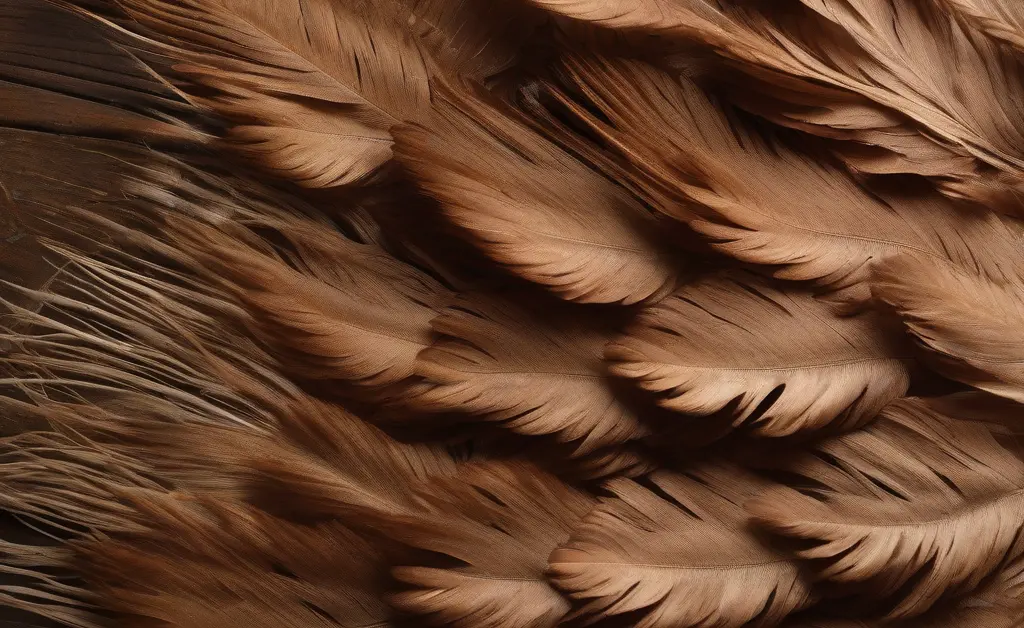
The moniker “hen of the woods mushroom” is believed to derive from its resemblance to a ruffled hen’s feathers, particularly when viewed from above. The numerous overlapping, fan-shaped caps, or fronds, create a dense, feathery cluster that evokes the image of a sitting hen. This descriptive name captures the unique aesthetic of this wild mushroom, helping to differentiate it from other fungi found in deciduous woods. Its large, impressive size, often reaching significant dimensions, further contributes to its memorable and fitting common name.
How to Identify Hen of the Woods Mushroom
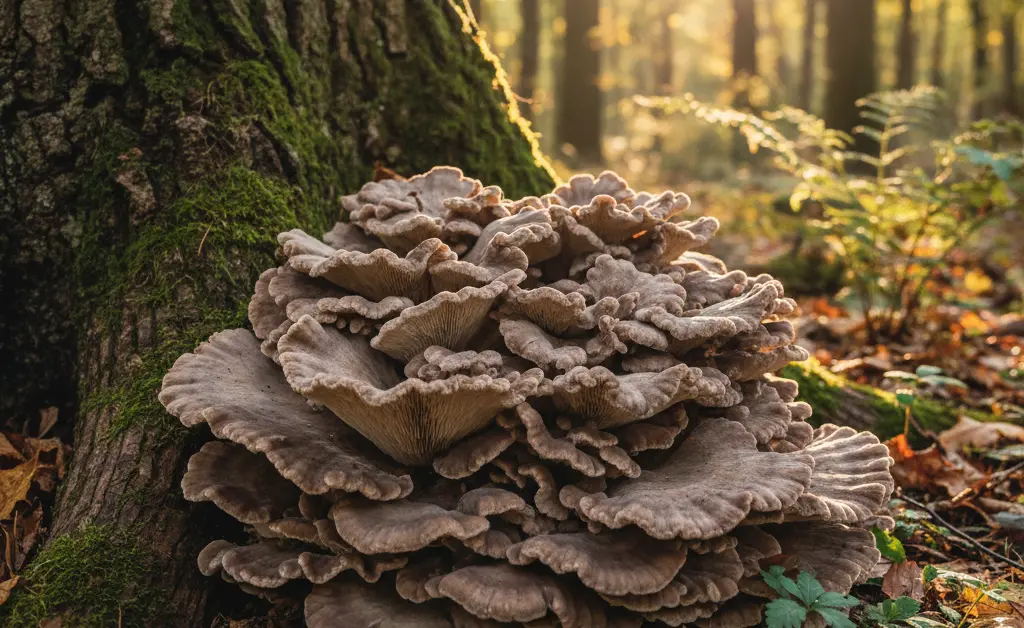
Accurate identification is crucial when foraging for any wild fungi, including the hen of the woods mushroom. Knowing its key characteristics can help distinguish it from other species and ensure a safe and successful harvest. This particular edible fungus has several unique features that make it relatively easy to identify for experienced foragers, but careful attention to detail is always recommended.
General Appearance and Structure
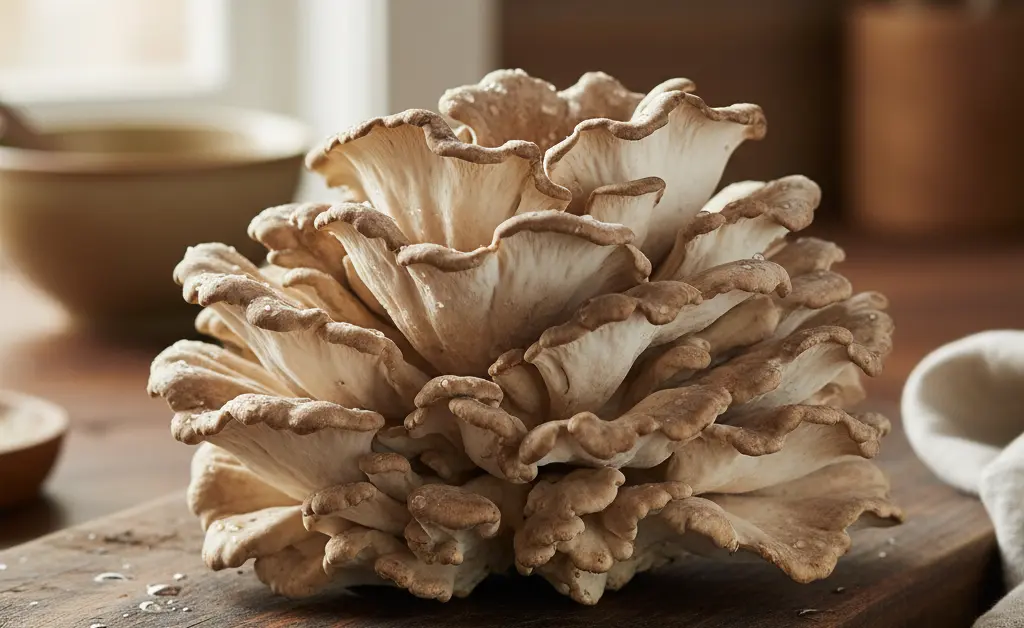
The hen of the woods mushroom is a distinctive polypore that typically grows in a large, spherical or semi-spherical cluster at the base of hardwood trees, most commonly oak. It lacks a single central stem, instead consisting of numerous smaller stems that branch from a stout, branching base. These stems support an array of flattened, fan-shaped, or spoon-shaped caps, also known as fronds, which are often wavy or lobed. The entire fruiting body can grow quite large, sometimes weighing several pounds, and exhibits a striking, layered appearance.
Key Visual Characteristics
When identifying a hen of the woods mushroom, look for its characteristic grayish-brown caps, which can range in color from dark brown to a lighter tan or gray, often with paler margins. The individual caps are typically 1 to 4 inches across and have a somewhat leathery or velvety texture. They grow in a dense, overlapping formation, creating a rosette-like or brain-like cluster. The overall size of the cluster can vary significantly, from a few inches to over a foot in diameter. The firm flesh of the mushroom is white and does not change color immediately when cut or bruised.
Examining the Underside and Spores
A crucial step in identifying Grifola frondosa involves examining its underside. Unlike gilled mushrooms, the hen of the woods mushroom is a polypore, meaning it has tiny pores instead of gills on the underside of its caps. These pores are very small, numbering several per millimeter, and are typically white or cream-colored. The pores are non-staining, meaning they do not change color when touched or bruised. For a definitive identification, a spore print can be taken. The hen of the woods mushroom produces a white spore print, a key characteristic that helps differentiate it from some look-alikes. To take a spore print, place a cap with the pore surface down on a dark piece of paper, cover it, and wait a few hours.
Common Look-Alikes to Hen of the Woods Mushroom
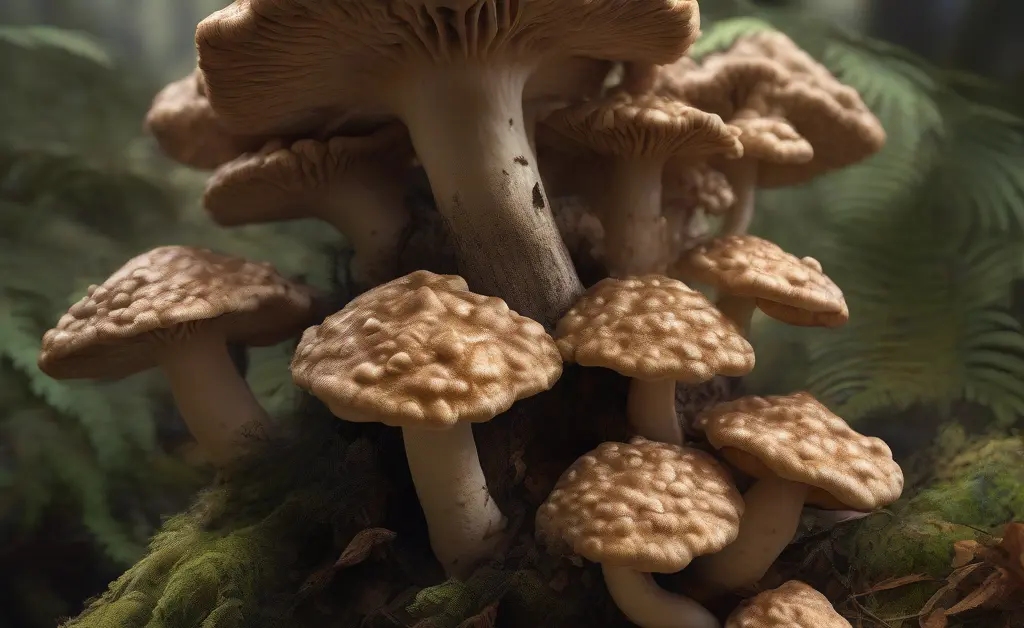
While the hen of the woods mushroom is relatively distinct, there are a few other fungi that foragers might confuse it with. Understanding these look-alikes is essential for safe foraging, as some may be less desirable or, in rare cases, not edible.
Distinguishing from Chicken of the Woods
One of the most common look-alikes, due to similar names and growth habits, is Chicken of the Woods (Laetiporus sulphureus or Laetiporus cincinnatus). While both grow on trees, their appearance is quite different. Chicken of the Woods typically forms vibrant orange or yellow shelf-like clusters, rather than the grayish-brown, frond-like structure of Maitake mushrooms. Chicken of the Woods also has a soft, fleshy texture when young and a distinct lemony, chicken-like scent. Critically, its pore surface is bright yellow to orange, unlike the white pores of the hen of the woods. Recognizing these color and structural differences is key to proper identification.
Are There Any Poisonous Hen of the Woods Look-Alikes?
Fortunately, there are no known deadly poisonous hen of the woods mushroom look-alikes that share a very similar appearance. However, foragers should be aware of a few species that might cause confusion. Berkeley’s Polypore (Bondarzewia berkeleyi), also known as Stump Flush, is a non-toxic but generally considered unpalatable look-alike due to its tougher, more fibrous texture. It often grows as a large rosette at the base of hardwoods, but its caps are usually paler, sometimes off-white or tan, and lack the distinctive grayish-brown fronds of Grifola frondosa. Another potential point of confusion is the Black-staining Polypore (Meripilus sumstinei), which, as its name suggests, will bruise and turn black when handled or cut, a characteristic not found in the hen of the woods mushroom. While consuming these look-alikes may lead to an unpleasant culinary experience or mild digestive upset, they are not typically considered dangerously poisonous hen of the woods mushroom look alike.
Where and When to Find Hen of the Woods Mushrooms: Foraging Tips
Foraging for the hen of the woods mushroom can be a rewarding experience, offering both the thrill of the hunt and the bounty of a delicious meal. Knowing where and when to look significantly increases your chances of a successful harvest of this desirable edible fungus.
Geographic Range and Habitat
Grifola frondosa is widely distributed across temperate regions of the Northern Hemisphere, including North America, Europe, and Asia. In the United States, it is particularly prevalent in the eastern states, though it can be found westward to the Great Plains. It typically thrives in deciduous woods, favoring areas with mature hardwood trees. Its habitat often includes older growth forests, parks, and even urban landscapes where suitable host trees are present. This adaptability contributes to its accessibility for many wild mushroom hunters.
Common Host Trees and Ecology
The hen of the woods mushroom has a strong preference for certain host trees, primarily oak trees. While it can occasionally be found at the base of other hardwood trees such as maple, elm, or beech, oak is by far its most common associate. This mushroom is a parasitic fungus, feeding on the living wood of its host, though it can also act as a decomposer on dead stumps. It grows from a sclerotium, an underground mass of mycelium, which allows it to reappear in the same spot for many years if carefully harvested. Foragers often return to known oak tree locations season after season to find new growth.
Best Foraging Season
The best foraging season for the hen of the woods mushroom is typically in the fall. While it can sometimes make an appearance in late summer, its prime fruiting period is from September through November, particularly after periods of significant rainfall followed by cooler temperatures. The optimal time can vary slightly depending on the specific climate and geographic location. During this autumn period, the moist soil and cooler air create ideal conditions for the mycelium to produce its distinctive fruiting bodies at the tree base. Observing local weather patterns and tree conditions can help foragers pinpoint the perfect time for harvesting.
Hen of the Woods Mushroom: Edibility, Taste & Culinary Uses
The hen of the woods mushroom is celebrated for its culinary value, offering a unique combination of flavor and texture that makes it a favorite among chefs and home cooks. Its versatility lends itself to a wide range of dishes, from simple sautéed preparations to more complex gourmet creations.
Confirming Edibility and Safety
The hen of the woods mushroom edible status is well-established; it is widely considered one of the safest and most delicious wild edible fungi. It does not have any dangerously poisonous look-alikes that closely mimic its appearance, making it a relatively safe choice for foraging once identified correctly. Before consumption, however, it’s always prudent to ensure proper identification. When trying any new wild mushroom, it is advisable to consume a small amount first to check for any personal sensitivities. Generally, this species is well-tolerated and prized for its nutritional benefits and delightful taste. For evidence-based information on health topics, reliable resources like the Cochrane Library are often consulted.
Flavor and Texture Description
The hen of the woods mushroom taste is often described as rich, earthy, and nutty, with umami undertones that deepen when cooked. Some detect subtle peppery notes, while others find a hint of spice. Its texture is another highly valued characteristic. When young and fresh, it has a tender yet firm, somewhat chewy, and meaty texture that holds up well during cooking. The delicate fronds can become wonderfully crispy when pan-fried, while the thicker stems retain a satisfying bite. This combination of robust flavor and pleasant texture makes it a highly versatile ingredient in various cuisines.
Basic Preparation Tips
Before cooking, it’s important to clean the hen of the woods mushroom thoroughly. Due to its clustered growth, it can accumulate debris, so separating the fronds gently and brushing off dirt is key. It can be cooked in numerous ways: sautéed with butter and garlic, roasted, added to soups and stews, or even used as a meat substitute in vegetarian dishes. Its ability to absorb flavors makes it an excellent addition to stir-fries and pasta sauces. Given its substantial size, it’s also a fantastic candidate for being sliced into steaks and pan-seared until golden brown, showcasing its meaty texture.
Hen of the Woods Mushroom Recipes & Storage
Once you’ve successfully identified and harvested the hen of the woods mushroom, understanding how to clean, prepare, and store it properly ensures you can enjoy its unique flavors for as long as possible. This edible fungi is quite versatile, making it a great addition to many meals.
Proper Cleaning Techniques
Cleaning Grifola frondosa can be a bit tricky due to its intricate, clustered structure where dirt and debris can easily get trapped. Avoid soaking the mushroom in water, as it will absorb too much liquid and become soggy. Instead, use a soft brush or a damp cloth to gently remove any visible soil, leaves, or insects from the fronds. A small, soft-bristled brush or an old toothbrush can be particularly effective for reaching into the crevices. You may also need to carefully separate some of the fronds to access hidden dirt. Trim off any tough or woody parts at the base. The goal is to clean it thoroughly without washing away its delicate flavor or compromising its texture.
Best Methods for Storing and Preserving
Proper storage is essential to maintain the freshness and quality of your hen of the woods mushroom. For short-term storage (up to a week), place uncleaned mushrooms in a paper bag in the refrigerator. The paper bag allows air circulation, preventing moisture buildup that can lead to spoilage. For longer preservation, there are several effective methods. Freezing hen of the woods mushrooms is a popular choice; first, blanch or sauté the cleaned mushroom pieces before placing them in airtight freezer bags or containers. Drying is another excellent option; slice the mushroom into thin pieces and use a food dehydrator or an oven on its lowest setting until crisp. Dried mushrooms can be rehydrated later for use in soups, stews, and sauces, offering an intense, concentrated flavor. You can also pickle the hen of the woods mushroom for a tangy addition to various dishes.
The Ecological Role of Grifola frondosa
Beyond its culinary appeal, Grifola frondosa plays a significant role in forest ecosystems. It is primarily a parasitic fungus, targeting the roots and lower trunks of deciduous trees, most notably oak. While it draws nutrients from its host, it often does so in a way that contributes to the natural cycle of decay and regeneration within the forest. Over time, the mycelium of the mushroom can cause a white butt rot in the heartwood of the tree, weakening it and eventually leading to its decline. This process, while seemingly destructive, is a natural part of forest succession, allowing new growth to emerge. Furthermore, once a tree dies, Grifola frondosa continues its work as a saprophytic decomposer, breaking down the dead wood and returning valuable nutrients to the soil. This dual role as both a parasite and a saprophyte highlights its integral contribution to the health and dynamics of hardwood forests.
The hen of the woods mushroom offers a captivating blend of culinary delight and ecological significance. From its distinctive appearance and robust flavor to its valuable role in forest ecosystems, this fungus is truly remarkable. Whether you are an avid forager, a gourmet chef, or simply an enthusiast of natural foods, exploring the world of the hen of the woods mushroom promises a rewarding experience.
Readers should understand that this article does not offer medical diagnosis or treatment. The information provided is for general knowledge and informational purposes only, and does not constitute medical advice. Always consult with a qualified healthcare professional before making any decisions about your health or treatment. Individual results and experiences with natural substances can vary widely.
FAQ
— What does a Hen of the Woods mushroom look like?
The hen of the woods mushroom typically presents as a large, clumping formation with multiple wavy, fan-shaped caps emerging from a central stalk. Its coloration ranges from grayish-brown to tan, often resembling a ruffled chicken or a hen’s feathers, hence its common name. Individual caps are relatively small, but the entire cluster can grow quite large, sometimes reaching several pounds.
— Is Hen of the Woods safe to eat?
Yes, this functional mushroom is widely considered a choice edible mushroom. It has a distinctive flavor and texture, making it a popular find among foragers and chefs alike. Proper identification is always crucial when foraging any wild mushroom to ensure safety.
— Where is the best place to find Hen of the Woods?
You can typically find this mushroom at the base of oak trees, though it occasionally grows on other hardwoods. It prefers temperate climates and well-drained soil, often appearing near the tree’s root system rather than high up on the trunk. Forests with mature deciduous trees, especially oaks, are prime locations for discovery.
— What time of year does Hen of the Woods grow?
Hen of the Woods, also known as Maitake, primarily fruits in the late summer and autumn months. Its peak season generally runs from September through November in many temperate regions. Favorable conditions include consistent moisture and cooler temperatures following warmer summer days.
— Does Hen of the Woods have any poisonous lookalikes?
Fortunately, there are no dangerously poisonous lookalikes that closely resemble Hen of the Woods in appearance. Some non-edible or less desirable polypore fungi might grow similarly, but they generally lack the distinct growth pattern and texture. However, accurate identification is always paramount to prevent consuming any incorrect species.
— What does Hen of the Woods taste like?
Hen of the Woods offers a rich, earthy, and somewhat umami flavor profile. It is known for its firm, slightly chewy texture that holds up well during cooking. Many describe its taste as nutty with subtle peppery notes.
— What kind of trees do Hen of the Woods grow on?
This particular mushroom exhibits a strong preference for growing at the base of mature oak trees. While less common, it can also be found on other hardwood species such as maples and elms. It establishes a parasitic relationship with these trees, often emerging from the root crown.
— Can you grow Hen of the Woods at home?
Yes, cultivating Hen of the Woods at home is certainly possible, though it requires specific conditions and patience. It is typically grown using hardwood logs or sawdust blocks inoculated with spores. Successful cultivation involves maintaining proper humidity, temperature, and substrate conditions.