Have you ever wondered why a single species of mushroom might be known by a multitude of distinct names across different cultures and regions? This phenomenon is particularly evident with certain prized fungi, whose unique appearances or culinary values inspire diverse colloquial titles. Among these, the maitake mushroom stands out, celebrated globally not just for its earthy flavor and purported health benefits, but also for its fascinating array of monikers. Exploring the rich tapestry of maitake mushroom other names provides insight into its historical significance, cultural perceptions, and the vivid imagery it evokes worldwide. This article delves into the linguistic journey of this remarkable fungus, from its Japanese origins to its various common, regional, and scientific classifications.
Understanding the Origin of Maitake’s Names
The Meaning of ‘Maitake’ in Japanese
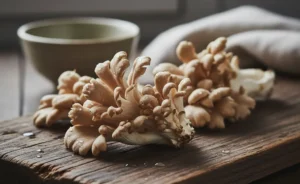
The name “Maitake” originates from Japan, where it directly translates to “dancing mushroom.” This enchanting name is steeped in folklore, suggesting that people would dance with joy upon discovering this highly prized and delicious fungus in the wild. Its appearance, with layers of undulating caps resembling a dancer’s ruffled skirt, may have also contributed to this evocative title. The term beautifully encapsulates the cultural reverence and excitement associated with finding this particular mushroom. To understand more about the specific geographic and historical context, explore the maitake mushroom origin.
Why It’s Called ‘Hen of the Woods’
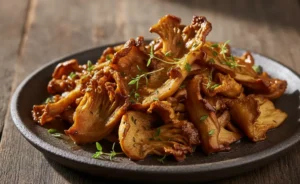
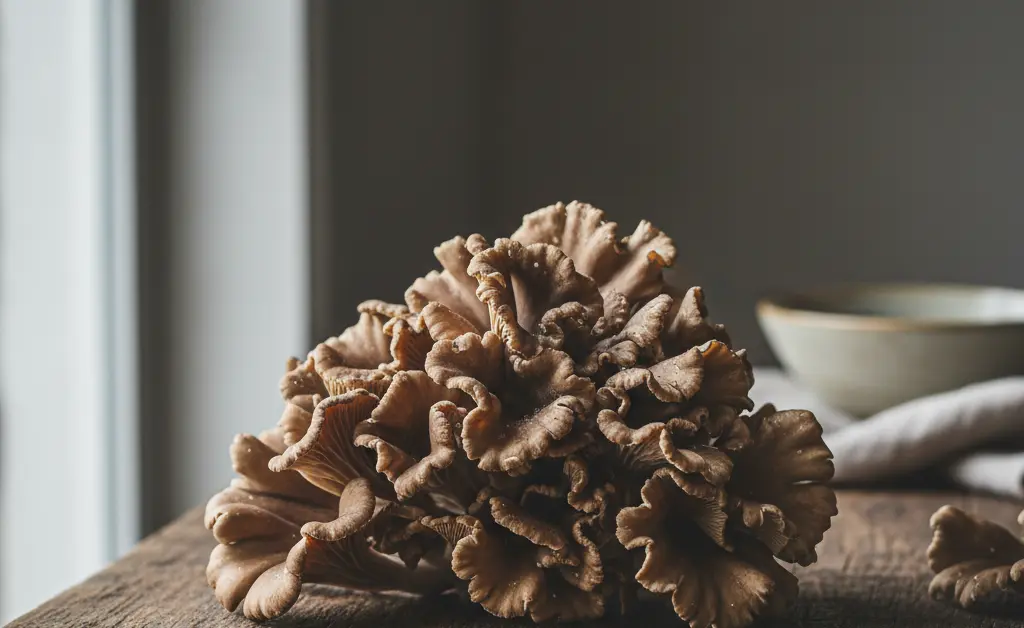
One of the most widely recognized common names for the maitake mushroom in English-speaking countries is “Hen of the Woods.” This moniker is a testament to its distinctive physical characteristics. The large, clustered growth of the Grifola frondosa fungus, with its multiple greyish-brown, fan-shaped caps growing from a single stem, often resembles a brooding hen’s ruffled feathers. This visual similarity makes “Hen of the Woods” an intuitive and descriptive name, aiding foragers in identifying this desirable species. It is important for foragers to be aware of any maitake mushroom look-alike species to ensure safe consumption.
Other Common Names for Maitake Mushroom
Beyond its primary Japanese name and its most popular English equivalent, the maitake mushroom is known by a variety of other names, reflecting its widespread recognition and the diverse imaginations of those who encounter it. These common names often highlight different aspects of its unique appearance or growth habit.
Common Synonyms: Hen of the Woods
As previously mentioned, “Hen of the Woods” remains the predominant alternative name for maitake in many Western countries. Its widespread use underscores the strong visual association with a feathered bird. This name is particularly prevalent among mushroom enthusiasts and foragers in North America and parts of Europe, becoming almost as common as “maitake” itself in culinary and mycological contexts. Understanding these common maitake mushroom other names helps in recognizing the fungus across various regions.
Common Synonyms: Sheep’s Head Mushroom
Another descriptive common name for the maitake mushroom is “Sheep’s Head Mushroom.” This term typically arises from the mushroom’s large, rounded, and often irregularly lobed clusters that can bear a resemblance to the curly, textured wool and overall shape of a sheep’s head. The convoluted folds of its caps and its general grayish-white to brownish coloration can easily evoke this pastoral image, particularly when seen growing low to the ground near tree bases.
Common Synonyms: Ram’s Head Mushroom
Similar to “Sheep’s Head Mushroom,” the name “Ram’s Head Mushroom” is also sometimes used for maitake. This variation emphasizes the more robust, often larger, and more intricately curled appearance that some particularly mature specimens can exhibit. The name suggests a visual likeness to the powerful, curled horns and overall imposing presence of a ram, further illustrating the varied interpretations of its natural form.
Common Synonyms: Signorina Mushroom
While less globally prevalent than “Hen of the Woods,” “Signorina Mushroom” is another intriguing common name for maitake, particularly found in certain European regions, such as Italy. The term “Signorina” translates to “young lady” or “miss,” and its application to the maitake mushroom could refer to its delicate appearance when young, or perhaps an elegant, graceful quality in its clustered formation. It offers a glimpse into how different cultures perceive and title this remarkable fungus.
Regional and International Names
The global reach of the maitake mushroom, both in terms of its natural habitat and its cultivation and culinary appeal, has led to a fascinating array of regional and international names. These names often reflect local languages, traditions, and the specific historical interactions people have had with this fungus. This diversity in maitake mushroom other names highlights its universal appeal.
Names for Maitake in European Cultures
Across Europe, the maitake mushroom has garnered various local appellations. In countries like Germany, it might be referred to as “Laubporling” or “Klapperschwamm,” both descriptive terms that refer to its growth habit or appearance. The French may use terms like “Poule des bois,” which is a direct translation of “Hen of the Woods.” These names are typically rooted in the local lexicon and natural observations, allowing individuals within those cultures to identify and discuss the mushroom easily.
Names for Maitake in Asian Languages
While “Maitake” is its most famous Japanese name, other Asian cultures also have their own ways of referring to this mushroom. In China, it is often called “Hui Shu Hua” (灰树花), meaning “grey tree flower,” which aptly describes its color and tree-dwelling nature. Another less common Japanese name is “Kumotake” (雲茸), meaning “cloud mushroom,” which could refer to its fluffy, cloud-like appearance when clustered. These names not only identify the mushroom but also embed cultural nuances and visual metaphors.
Scientific Name: Grifola Frondosa
For scientific precision and universal identification, the maitake mushroom scientific name is officially known by its binomial scientific name: Grifola frondosa. This standardized nomenclature is essential for mycologists, researchers, and cultivators worldwide, transcending linguistic barriers and common regional appellations. Understanding the scientific name is crucial when discussing maitake mushroom other names in a formal context. For further information on health research and guidelines, you can consult resources like the NIH.
Decoding ‘Grifola frondosa’
The scientific name, Grifola frondosa, adheres to the binomial nomenclature system established by Carl Linnaeus. “Grifola” is the genus name, while “frondosa” is the specific epithet. The genus name “Grifola” is thought to derive from the mythical griffin, possibly alluding to the mushroom’s impressive size or majestic appearance. “Frondosa” is Latin for “leafy” or “frond-like,” a direct and accurate description of the maitake’s characteristic multi-branched, overlapping caps that resemble a cluster of leaves or fronds. This scientific designation provides a precise, unambiguous identifier for the species.
Current Binomial Name: Grifola frondosa
Currently, Grifola frondosa remains the accepted binomial name for the maitake mushroom. This name is consistently used in academic literature, botanical records, and commercial labeling to ensure clarity and avoid confusion that can arise from the multitude of common names. Its stability provides a foundational reference point for all studies and applications related to this fungus, solidifying its place in the world of mycology.
Taxonomic History and Naming Conventions
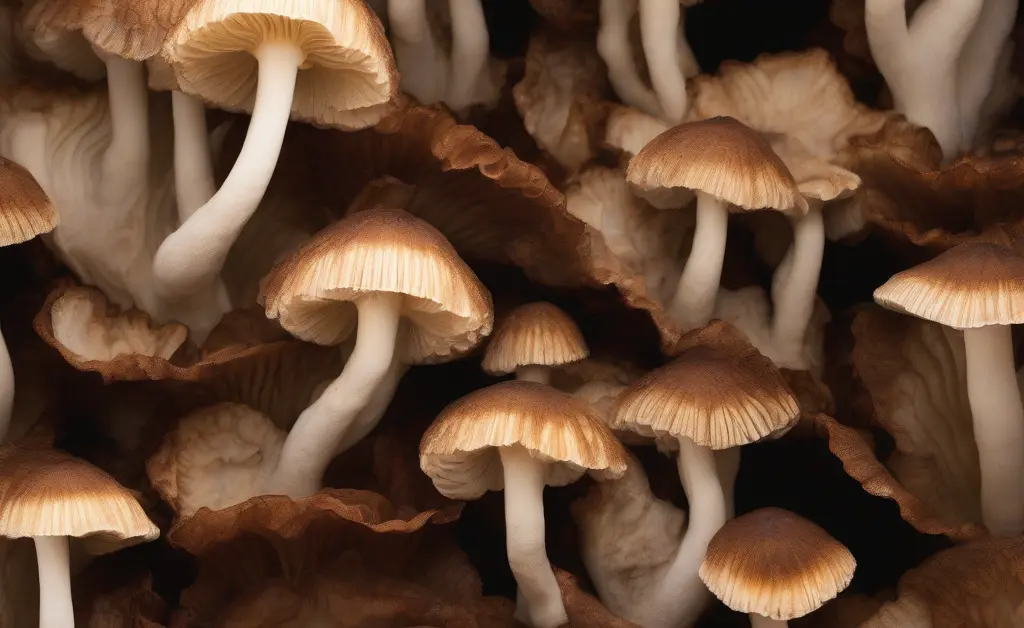
The journey of classifying the maitake mushroom, like many organisms, involves a rich taxonomic history where names and classifications have evolved over time. Understanding this history sheds light on the scientific process and how various maitake mushroom other names came to be recognized or superseded.
Historical Synonyms and Classifications
Before its current designation as Grifola frondosa, the maitake mushroom has been known by other scientific synonyms. One notable historical name is “Polyporus frondosus,” under which it was classified for a period. Early mycologists grouped fungi based on various morphological characteristics, and as scientific understanding advanced, classifications were refined. These historical synonyms reflect earlier attempts to categorize the species and illustrate the dynamic nature of botanical nomenclature as new information emerged.
Distinguishing Folk Names from Scientific Classifications
It is crucial to understand the fundamental difference between folk names (common names like Hen of the Woods, Sheep’s Head, or Signorina Mushroom) and scientific classifications (like Grifola frondosa). Folk names are informal, vary by region and language, and often reflect cultural perceptions or visual resemblances. They are easily understood by the general public but can cause confusion due to their lack of standardization. Scientific classifications, on the other hand, are part of a rigid, universally accepted system of binomial nomenclature. They provide a unique, unambiguous name for each species, regardless of geographical location or language, ensuring precision in scientific communication and research. This distinction is vital for accurately discussing the many maitake mushroom other names.
The maitake mushroom, known scientifically as Grifola frondosa, truly exemplifies the rich tapestry of naming conventions found in the natural world. From its evocative Japanese origin as “dancing mushroom” to its descriptive English common names like “Hen of the Woods,” “Sheep’s Head Mushroom,” and “Ram’s Head Mushroom,” each moniker offers a unique perspective on this prized fungus. The presence of these diverse maitake mushroom other names underscores its global recognition, cultural significance, and the creative ways humanity interacts with nature. Whether called by its scientific name or one of its many folk titles, the maitake remains a fascinating and celebrated discovery for foragers, chefs, and enthusiasts alike.
This content is for informational use and should not be considered medical instruction. It is important to consult with a qualified healthcare professional before making any decisions related to your health or before starting any new dietary supplements. The information provided is not intended to diagnose, treat, cure, or prevent any disease. Individual results may vary, and the efficacy of any mushroom or supplement depends on various factors specific to each person.
FAQ
— Is maitake the same as hen of the woods?
Yes, “hen of the woods” is a common English name for the maitake mushroom, which is scientifically known as Grifola frondosa. This popular edible and functional fungus is recognized by its distinctive frilly, shelf-like appearance as it grows.
— What is the scientific name for maitake mushrooms?
The scientific name for maitake mushrooms is Grifola frondosa, belonging to the family Meripilaceae. This specific botanical classification helps distinguish it precisely from other fungi and allows for consistent study and identification across different regions.
— Why is it called hen of the woods mushroom?
The common name “hen of the woods” is thought to originate from the mushroom’s appearance, which resembles a ruffled hen’s feathers or a brooding hen. It typically grows in large, clumping formations at the base of trees, often oaks, creating a feathered or somewhat circular shape.
— What is another name for Grifola frondosa?
Grifola frondosa is widely known by its Japanese name, maitake, which translates to “dancing mushroom.” This particular functional mushroom also has several other colloquial names in different regions; among the maitake mushroom other names are “hen of the woods” and “sheep’s head mushroom” in English-speaking areas.
— What does the name maitake mean?
The name “maitake” originates from Japanese and directly translates to “dancing mushroom.” Folklore suggests people would dance with joy upon finding this highly prized and delicious fungus in the wild due to its culinary value and perceived benefits.