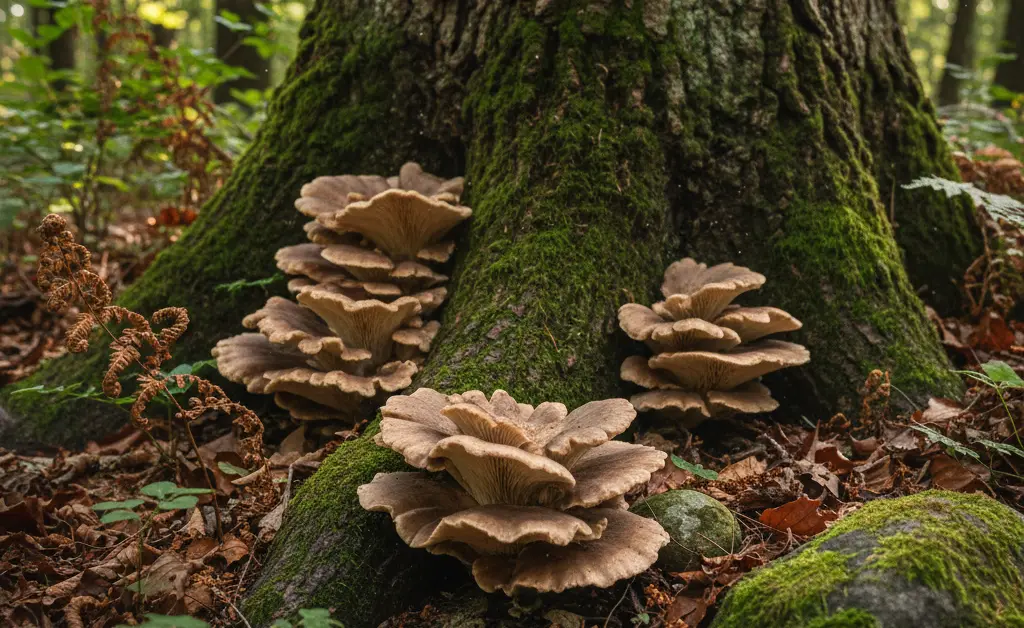
Understanding the natural habitat and historical context of fungi like the maitake mushroom provides valuable insights into its ecological role and enduring cultural significance. This knowledge aids in appreciating its traditional uses and informs contemporary efforts in sustainable harvesting and cultivation. The maitake mushroom origin is deeply intertwined with ancient Eastern traditions, where it has been revered for centuries, not only for its distinctive flavor and texture but also for its perceived health benefits. Exploring its geographical roots and the stories behind its various names reveals a fascinating journey through time and across continents. This article delves into the historical discovery, cultural importance, and naming conventions that have shaped our perception of this remarkable fungus.
Maitake Mushroom Origin: Geographical Roots and Historical Discovery
The journey to understand the maitake mushroom origin begins with its natural environment and how it thrives. This fascinating fungus, scientifically known as Grifola frondosa, holds a significant place in both ecological systems and human history.
Native habitats and preferred growing conditions
Maitake mushrooms are primarily saprobic, meaning they obtain nutrients from dead or decaying organic matter. However, they can also grow as parasites, particularly at the base of certain hardwood trees. They exhibit a strong preference for deciduous trees, especially oak trees, but are also commonly found near elm trees and beech trees. These fungi typically emerge from the forest floor, often at the base of ancient trees, where their mycelium can access the necessary resources from the decaying wood or stressed living tissue. Ideal growing conditions include damp, shaded environments found within ancient forests and mountainous regions, particularly during the autumn months. Careful identification is crucial to distinguish maitake from potential maitake mushroom look-alike species.
Primary regions of natural occurrence
The maitake mushroom is indigenous to several continents, with a significant presence in Asia and North America. In Asia, it is most notably found in Japan, where it has been highly prized for centuries, particularly in the Tohoku region. It also flourishes in parts of China and other areas of East Asia. Across the Pacific, maitake can be found throughout the eastern United States and Canada. Its distribution extends into parts of Europe and even Siberia, indicating its adaptability to various temperate forest ecosystems.
Early documentation and initial uses
Historical records suggest the maitake mushroom has been recognized and utilized for millennia, particularly within Eastern cultures. Early documentation, often found in traditional medicine texts, highlights its use not only as a food source but also for its potential health applications. Always ensure to follow guidelines from health organizations like the FDA when considering such applications. Ancient texts describe various preparations and dosages, underscoring its long-standing role in health practices. Its distinctive taste and texture made it a valued culinary ingredient, especially in times when wild mushrooms were a crucial part of the diet.
Role in ancient Eastern cultures
In ancient Eastern cultures, particularly in Japan and China, the maitake mushroom held a revered status. It was highly valued by feudal lords and common folk alike, often being exchanged as currency or offered as tribute. Beyond its culinary appeal, it was deeply integrated into traditional medicine systems, where it was believed to promote vitality and longevity. The reverence for this fungi is reflected in various aspects of Japanese folklore and cultural practices, contributing to its legendary status.
Etymology and meaning in Japanese
The name “Maitake” itself is Japanese, derived from “mai” (dance) and “take” (mushroom), literally translating to “dancing mushroom.” This etymology speaks volumes about its cultural significance and the joy associated with its discovery. The name hints at the excitement and sometimes even spiritual reverence people felt upon finding this elusive and valuable fungi in the wild.
Folklore and legends behind the name
The moniker “dancing mushroom” is steeped in Japanese folklore. Legends recount how people would dance with joy upon discovering a cluster of maitake mushrooms in the forest, due to their perceived rarity and medicinal value. Stories often describe weary travelers or diligent foragers stumbling upon these hidden treasures, leading to an impromptu celebration. This strong cultural connection between discovery and joy solidified the name “Maitake” in popular imagination.
Why Maitake is called a ‘Dancing Mushroom’
The term ‘Dancing Mushroom’ is primarily attributed to the exuberant reactions of those who found it in the wild. Historically, finding a significant patch of maitake was considered a stroke of good fortune, as it meant access to both a delicious food source and a highly prized ingredient for traditional medicine. The sheer delight and relief, especially after a long search in the mountainous regions, were said to inspire spontaneous dancing, cementing the endearing name.
Hen of the Woods: Distribution and Identification
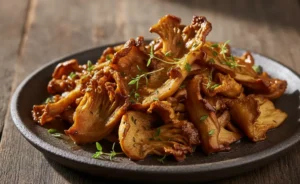
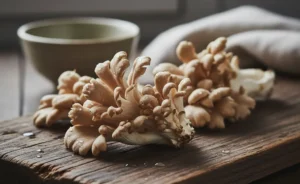
In North America and Europe, Grifola frondosa is often known by the common name “Hen of the Woods” or “Sheep’s Head Mushroom.” This name likely refers to its appearance, which can resemble a ruffled hen or a flock of birds. It is a large, greyish-brown polypore mushroom that grows in overlapping, frilly clusters at the base of hardwood trees, particularly oak. Identification typically involves observing its unique branching structure, which separates into numerous flattened caps, and its white pore surface underneath.
Historical context of common names across cultures (e.g., Chicken of the Woods, Rams Head Mushroom)
Across various cultures, maitake and similar bracket fungi have acquired diverse common names that reflect their appearance or perceived characteristics. “Chicken of the Woods” (Laetiporus sulphureus), while a different species, is often confused with or mentioned alongside Hen of the Woods due to its similar growth habit and culinary versatility. “Rams Head Mushroom” is another descriptive name for Grifola frondosa, especially in some European regions, evoking the dense, cauliflower-like structure of mature specimens. These names highlight how different cultures interpreted the fungi’s form and function, often through metaphors drawn from their local environment and animal life.
The historical journey of the maitake mushroom origin, from its specific forest habitats to its esteemed place in ancient traditions, underscores its remarkable natural resilience and enduring cultural appeal. Its various names, from the joyous “dancing mushroom” to the descriptive “Hen of the Woods,” reflect humanity’s long-standing fascination and appreciation for this unique fungi. Understanding this rich past continues to inform current scientific interest and sustainable practices surrounding maitake.
This information is provided for educational purposes only. It is not intended to provide medical advice, diagnosis, or treatment. Always consult with a qualified healthcare professional for any health concerns or before making any decisions related to your health or treatment. The content is not a substitute for professional medical guidance.
FAQ
— Where are maitake mushrooms originally from?
The maitake mushroom origin is deeply rooted in East Asia, particularly Japan and China, where it has been cherished for centuries. These remarkable fungi also naturally occur in parts of North America and Europe, typically growing at the base of trees, especially oaks. Its presence in various temperate forests highlights its adaptability across different regions.
— What is the origin of the word “maitake”?
The name “maitake” comes from the Japanese language, directly translating to “dancing mushroom.” This nomenclature reflects its cultural significance and the unique circumstances surrounding its discovery. The Japanese term itself paints a vivid picture of its historical perception.
— Why are maitake mushrooms called dancing mushrooms?
Maitake mushrooms earned their name “dancing mushrooms” from various captivating tales. One popular explanation suggests that people would dance with joy upon discovering these rare and valuable fungi in the wild. Another perspective suggests the term refers to the mushroom’s cluster shape, which can appear like a flock of dancing butterflies or a dancer’s flowing skirt.
— In which countries do maitake mushrooms naturally grow?
Maitake mushrooms are primarily native to the mountainous regions of northeastern Japan and parts of China, but they are also found growing wild across temperate forests in North America and Europe. They typically thrive at the base of large trees, especially oak, elm, and maple, favoring the nutrient-rich environment these older trees provide. Their natural habitat is crucial for understanding their ecological role.
— When were maitake mushrooms first documented?
Maitake mushrooms have a long history of traditional use, with documentation appearing in ancient Eastern texts, particularly in Japan and China, for thousands of years. These historical records describe their relevance in traditional practices and culinary traditions. Their presence in these early writings underscores their enduring cultural and perceived beneficial qualities.