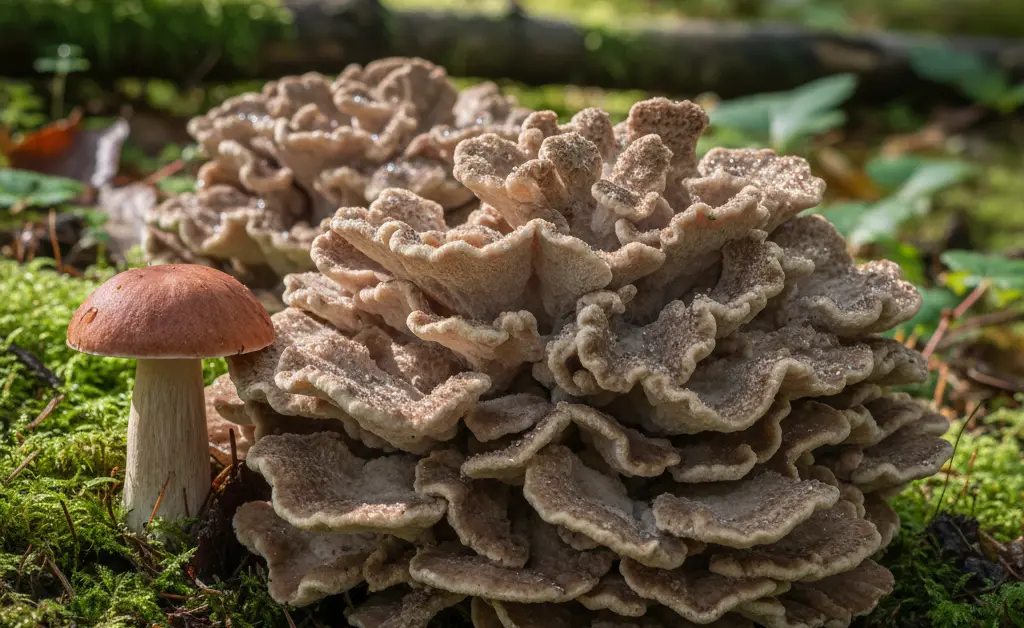
While the distinctive, cauliflower-like appearance of the maitake mushroom (Grifola frondosa) often leads foragers to believe it’s one of the easier fungi to identify, this perspective can sometimes overlook crucial details. In truth, several other species share visual characteristics that, upon a quick glance, can easily be mistaken for the prized hen of the woods. Relying solely on a general impression rather than systematic observation significantly increases the risk of misidentification. Understanding each common maitake mushroom look alike is not just about avoiding inedible or toxic species; it’s about refining observational skills and ensuring the safety and success of every foraging expedition. This guide delves into the specific features that differentiate genuine maitake from its many look-alikes, providing essential knowledge for both novice and experienced foragers.
Maitake Mushroom Look Alike: What to Know
Embarking on a mushroom identification journey requires a deep understanding of the unique characteristics that define each species, especially when seeking edible wild mushrooms like the maitake. Known scientifically as Grifola frondosa, or commonly as hen of the woods, maitake is a highly sought-after fungus for its culinary value and potential health benefits. However, its popularity makes it critical to be aware of potential look-alikes. Learning to differentiate true maitake from a similar-looking species is fundamental for safe foraging. Many species may superficially resemble maitake, some of which are merely inedible, while others could cause gastrointestinal distress.
Identifying Poisonous Look-Alikes
While there are few truly deadly mushrooms that are direct maitake mushroom look alike species, the risk of misidentification is always present and should be taken seriously. Some look-alikes are known to cause upset stomachs or other unpleasant symptoms. The cardinal rule of mushroom foraging is to maintain 100% certainty about an identification before consumption. Beginners should always consult local experts or guides and verify their finds multiple times. This rigorous approach minimizes the dangers associated with misidentification and protects foragers from accidental ingestion of harmful fungi. Safety guidelines for maitake foraging emphasize caution and thorough knowledge.
Common Maitake Mushroom Look-Alikes
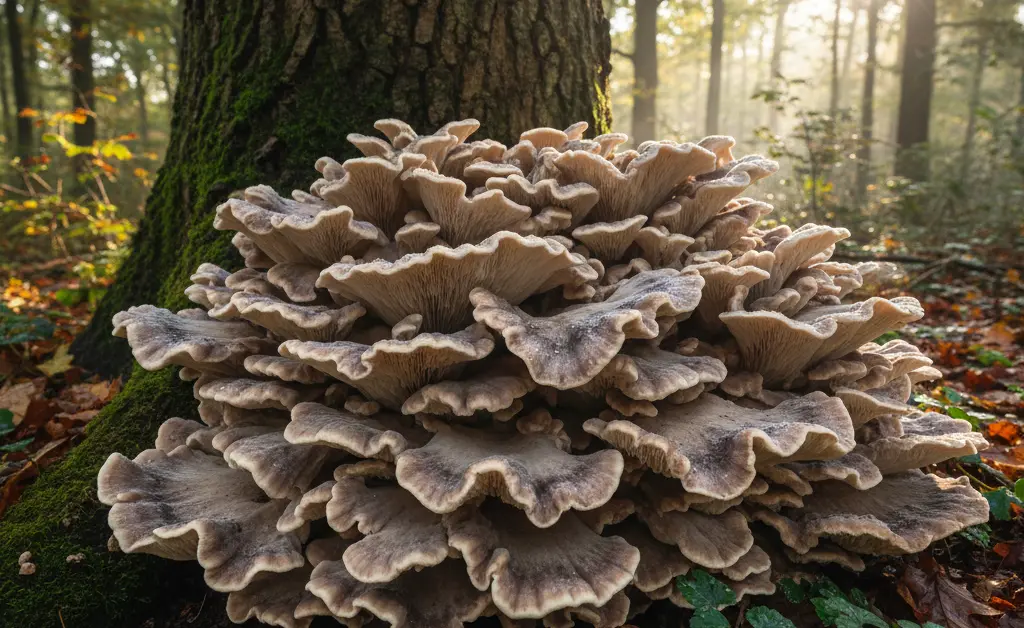
The natural world is full of fascinating organisms, and many fungi can present similar appearances, making precise mushroom identification a challenging but rewarding skill. Understanding the common species that can be mistaken for Grifola frondosa is key to avoiding misidentification and appreciating the nuances of each unique fungus. Several species act as a maitake mushroom look alike, each with its own distinguishing features.
Chicken of the Woods (Laetiporus species)
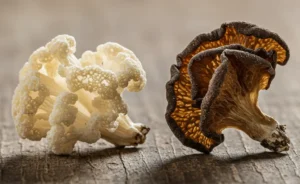
Chicken of the Woods, comprising various Laetiporus species, is another popular edible polypore that foragers often encounter. While it shares a similar shelf-like growth habit, its vibrant orange or yellow coloration sets it apart from the more muted tones of maitake. These fungi typically grow in overlapping layers or shelves on hardwood trees, but their individual fronds are often thicker and lack the delicate, numerous branches of Grifola frondosa. Unlike maitake, chicken of the woods often appears as distinct, fan-shaped structures rather than a single, dense rosette cluster.
Cauliflower Mushroom (Sparassis species)
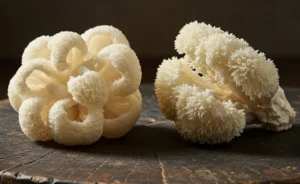
The Cauliflower Mushroom, belonging to the Sparassis species, presents a striking resemblance in its overall “cauliflower-like” shape, hence its common name. However, closer inspection reveals significant differences. Sparassis typically has broader, flatter, and more undulating fronds that are tightly packed and creamy white to yellowish. While it can also grow at the base of trees, its texture is generally more delicate and rubbery compared to the robust, layered fronds of maitake. The individual branches of Sparassis are also distinct, resembling ruffled noodles rather than the fan-shaped caps of the hen of the woods.
Black-Staining Polypore (Meripilus sumstinei)
The Black-Staining Polypore, or Meripilus sumstinei, is perhaps one of the most frequently confused species, making it a significant maitake mushroom look alike. It shares maitake’s preference for growing at the base of oak trees and forms large, multi-lobed fruiting bodies with fan-shaped fronds. Initially, its color can be similar, ranging from tan to brownish. The most critical distinguishing feature, as its name suggests, is its reaction to injury. When bruised, cut, or handled, the white pore surface and flesh of Meripilus sumstinei rapidly turn dark gray or black. This distinct black staining reaction is absent in true maitake, providing an invaluable identification clue.
Berkeley’s Polypore (Bondarzewia berkeleyi)
Bondarzewia berkeleyi, commonly known as Berkeley’s Polypore, is another large, often impressive fungus found growing at the base of hardwood trees, particularly oaks. It can be mistaken for maitake due to its large size and overlapping, somewhat fan-shaped caps. However, Berkeley’s Polypore typically features thicker, tougher fronds that are paler in color, often creamy white to buff, and can have concentric zones of color. Its texture is considerably tougher and more leathery than the succulent maitake, especially in mature specimens. The undersurface also features larger, more angular pores compared to the small, delicate pores of Grifola frondosa.
Red Maitake Look-Alike Species
While true maitake (hen of the woods) is typically gray, brown, or olive-gray, some regional or environmental variations, or other species, might present a reddish hue, causing confusion. It’s crucial to understand that a truly red maitake is unusual. Any species presenting a distinctly red coloration, especially on its fronds or pore surface, should immediately raise a red flag as a false maitake. Such specimens likely belong to entirely different genera and may not be edible. Always prioritize the typical color profile of Grifola frondosa when making identifications.
Visual Guides to Maitake Look-Alikes
To aid in accurate identification, a comparative visual guide can highlight the key differences between Grifola frondosa and its common look-alikes. This helps foragers quickly assess features in the field.
| Feature | Maitake (Grifola frondosa) | Chicken of the Woods (Laetiporus species) | Cauliflower Mushroom (Sparassis species) | Black-Staining Polypore (Meripilus sumstinei) | Berkeley’s Polypore (Bondarzewia berkeleyi) |
|---|---|---|---|---|---|
| Color | Gray, brown, olive-gray fronds | Bright orange, yellow | Creamy white to yellowish | Tan to brownish (stains black) | Creamy white to buff, zoned |
| Growth Pattern | Dense rosette cluster, many fronds from a single base, at base of oak | Overlapping shelves or brackets, on hardwood trees | Globular, brain-like, coral-like, delicate fronds | Large, overlapping fan-shaped fronds, at base of oak | Large, thick, overlapping fan-shaped caps, at base of hardwood trees |
| Staining Reaction | No significant staining | No significant staining | No significant staining | Rapidly stains dark gray/black when bruised | No significant staining |
| Texture | Tender when young, tougher with age | Meaty, firm | Delicate, rubbery | Firm, fibrous, somewhat brittle | Tough, leathery, rigid |
| Underside (Pores) | Small, delicate, angular/irregular, white | Small to medium, circular to angular, yellow | Not true pores, but flattened, undulating surfaces | Small to medium, circular to angular, white (stains black) | Larger, angular, whitish |
Distinguishing Maitake from Its Look-Alikes
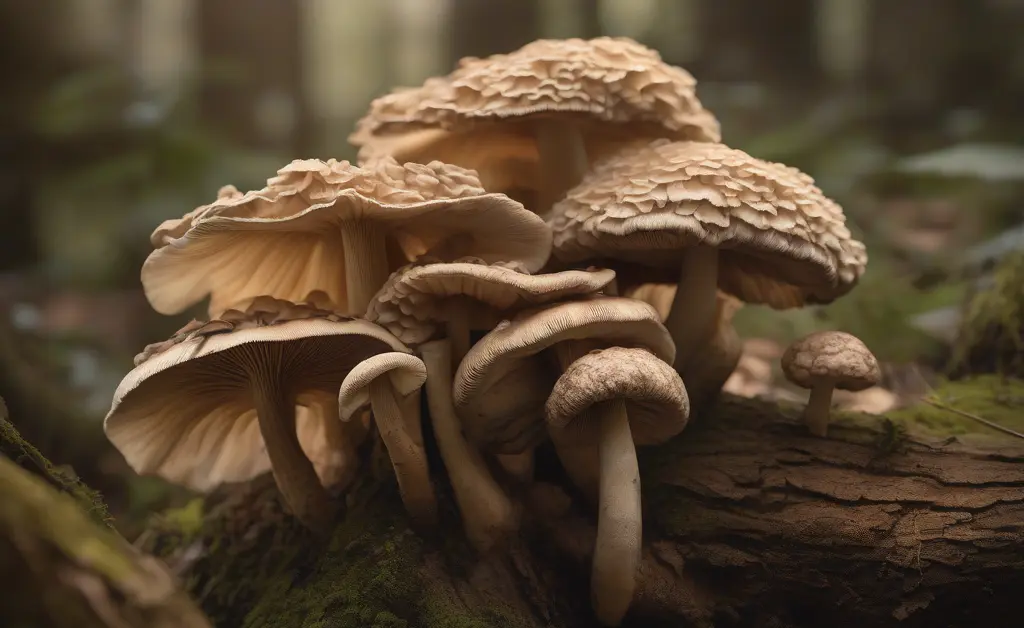
The nuanced process of mushroom identification relies on observing a combination of features rather than any single characteristic. When evaluating a potential maitake mushroom look alike, a systematic approach to examining its anatomy and growth habits is crucial for positive identification of Grifola frondosa. Key identification features of true maitake, or hen of the woods, are consistently observed across different specimens.
Cap and Frond Structure
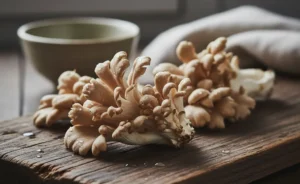
True maitake is renowned for its distinctive cap and frond structure. It grows as a large, multi-branched fruiting body composed of numerous overlapping, fan-shaped or spoon-shaped fronds. These fronds typically form a dense, leafy rosette cluster that can resemble a hen’s ruffled feathers, hence the common name. The edges of the fronds are often wavy and irregular, and they vary in color from grayish-brown to tan or even a subtle olive-gray. This intricate, layered structure is a primary indicator.
Pore Surface Characteristics
The underside of maitake fronds features a finely porous surface rather than gills. These pores are typically small, white, and often angular or irregular in shape. Crucially, the pore surface runs down the stem-like structures, a characteristic known as decurrent. Examining the pore surface with a hand lens can reveal these minute details, helping to distinguish Grifola frondosa from species with larger pores, gills, or a different pore arrangement.
Pore Size and Shape Differences
Beyond simply noting the presence of pores, their size and shape provide further critical clues. Maitake’s pores are generally very small and compact, giving the underside a smooth appearance upon casual inspection. In contrast, many other polypore species, including some potential look-alikes, may exhibit noticeably larger, more openly angular, or even elongated pores. This difference in pore morphology can be a definitive diagnostic feature when comparing various species.
Stem and Growth Pattern
Maitake typically originates from a single, tough, branched stipe or stem-like base that is usually whitish and becomes increasingly tough and fibrous as it descends into the substrate. This base is almost always found growing directly from the base of oak trees or other hardwood trees, often signaling butt rot. The overall growth pattern is a tight cluster of fronds emerging from this common base, rather than individual shelves or widely separated components. This attachment to the tree base is a consistent and important identifier.
Spore Print Color Variations
A spore print is an essential tool in mushroom identification. To obtain one, place a cap or frond with the pore surface down on a piece of white and black paper, cover it, and leave it for several hours. Maitake produces a white spore print. Any other color, such as a pale yellow, pink, or brown, would indicate a different species, potentially a maitake mushroom look alike. This simple test can be invaluable for confirming identity.
Flesh Texture and Toughness
The flesh of young maitake mushrooms is relatively tender and succulent, especially in the thinner fronds. As the mushroom matures, the flesh, particularly near the base and thicker parts of the fronds, can become more fibrous and somewhat tough. This texture distinguishes it from very delicate, brittle, or overly woody polypores. When sliced, maitake’s internal flesh is white and firm.
Color Changes and Staining Reactions
True maitake does not typically exhibit dramatic color changes or staining reactions when cut or bruised. Its flesh remains white or slightly creamy. The absence of a strong staining reaction, especially the distinct black staining seen in Meripilus sumstinei, is a significant differentiating factor. Any notable change in color upon handling or cutting should prompt further investigation and raise doubts about the specimen’s identity as Grifola frondosa.
Aroma and Scent Profiles as Clues
While subjective, the aroma of a mushroom can provide valuable supporting evidence for identification. Maitake is often described as having a distinct, pleasant, earthy, and somewhat nutty or spicy scent. This characteristic aroma can sometimes help distinguish it from other fungi that may have a bland, musty, or unpleasantly chemical smell. Experienced foragers often rely on a combination of visual and olfactory cues.
Foraging Safely: Avoiding Misidentification
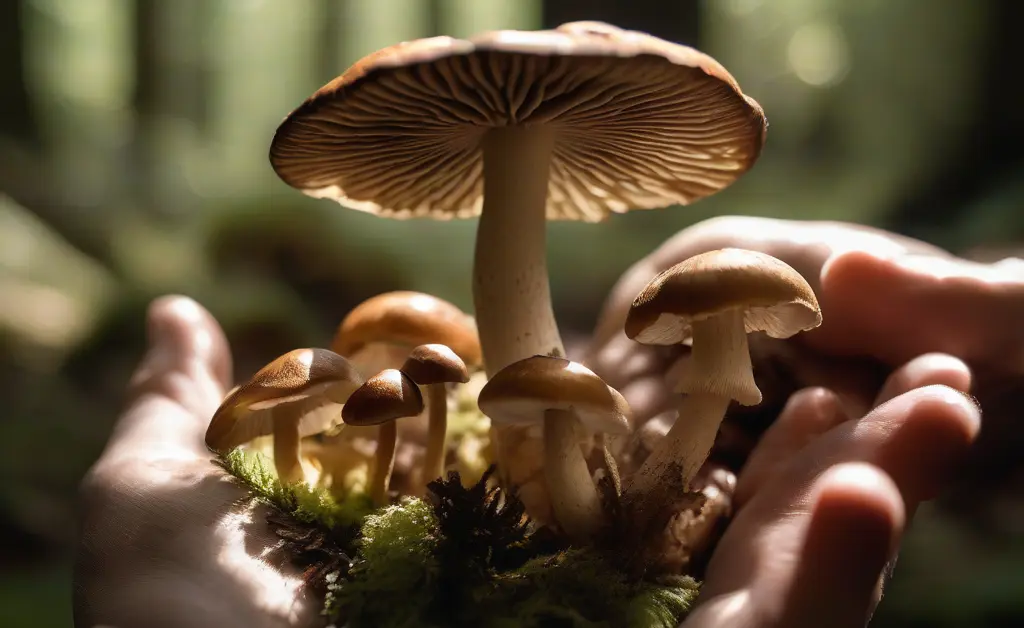
Safe foraging practices are paramount when searching for wild mushrooms. The pursuit of delicious edibles like maitake should always be balanced with an unwavering commitment to accurate identification. Understanding the nuances between Grifola frondosa and a maitake mushroom look alike is a skill developed over time, reinforced by careful observation and adherence to safety protocols. The importance of 100% certainty cannot be overstated.
Seasonal and Geographic Considerations for Identification
Maitake mushrooms typically fruit in the late summer and fall, generally from August through November, depending on the region. They are almost exclusively found growing at the base of oak trees, although they can sometimes be found on other hardwood trees such as maple or elm. Knowing these seasonal and geographic considerations helps narrow down potential finds and increases the likelihood of encountering true maitake. Documenting finds with photographs, consulting local experts or guides, and cross-referencing multiple field guides are all essential steps to ensure accurate identification and responsible foraging. Never consume a mushroom unless you are absolutely certain of its identity. How can you be sure you have a Maitake mushroom? By meticulously checking every single identification feature.
Mastering the art of distinguishing Grifola frondosa from its various look-alikes is an ongoing process that enhances both safety and enjoyment in mushroom foraging. By systematically observing the cap and frond structure, pore surface, stem, growth pattern, and other unique characteristics, foragers can confidently identify true maitake and avoid potential misidentification. Prioritizing meticulous observation and adhering to established safety guidelines will ensure that every foraging expedition for a maitake mushroom look alike is both successful and safe.
The content provided in this article is intended for informational learning, not clinical application. It is not a substitute for professional advice, diagnosis, or treatment. Always consult with a qualified expert before making any decisions related to health, foraging, or consumption of wild mushrooms. Foraging for wild mushrooms carries inherent risks, and misidentification can lead to severe health consequences. Individual results may vary, and safety should always be the top priority.
FAQ
— Are there any poisonous mushrooms that look like Hen of the Woods?
While a truly poisonous maitake mushroom look alike is rare, there are certain non-edible or undesirable species that share some visual characteristics with Hen of the Woods. It is crucial to have absolute certainty in identification before consumption, as misidentification can lead to gastrointestinal upset. Always consult multiple reliable sources to confirm identification of any wild mushroom.
— What is the difference between Maitake and Black-Staining Polypore?
Maitake, or Hen of the Woods, typically features frilly, overlapping caps that are greyish-brown and do not change color significantly when handled. In contrast, the Black-Staining Polypore lives up to its name by developing dark bruises or stains, particularly when cut or handled, and often has a tougher texture and different pore surface. This distinct staining reaction is a key identifier for the Black-Staining Polypore.
— Can you confuse Hen of the Woods with Chicken of the Woods?
Despite their similar “fowl” names, Hen of the Woods and Chicken of the Woods are distinct mushrooms with clear visual differences. Chicken of the Woods is characterized by its vibrant orange to yellow shelf-like growth and smoother texture, whereas Hen of the Woods presents as a large, frilly cluster of grayish-brown caps. Their growth habits and host trees can also differ significantly.
— What time of year is best for finding Maitake mushrooms?
Maitake mushrooms are typically found in the late summer and fall, generally from September through November in many temperate regions. Their fruiting season often begins after the first significant rains following a dry spell, and they thrive in cooler, moist conditions. These mushrooms are known to reappear in the same locations year after year.
— What common trees should I check for Maitake and its look-alikes?
Maitake is a parasitic and saprobic mushroom, meaning it grows at the base of trees or on decaying stumps, particularly favoring mature deciduous trees. Oak, maple, and elm trees are among the most common hosts where this mushroom is found. It frequently appears at the base of older trees, sometimes even on seemingly healthy ones.