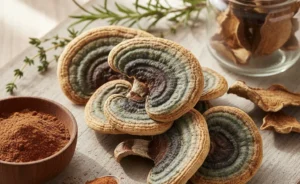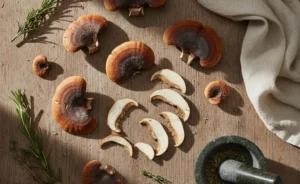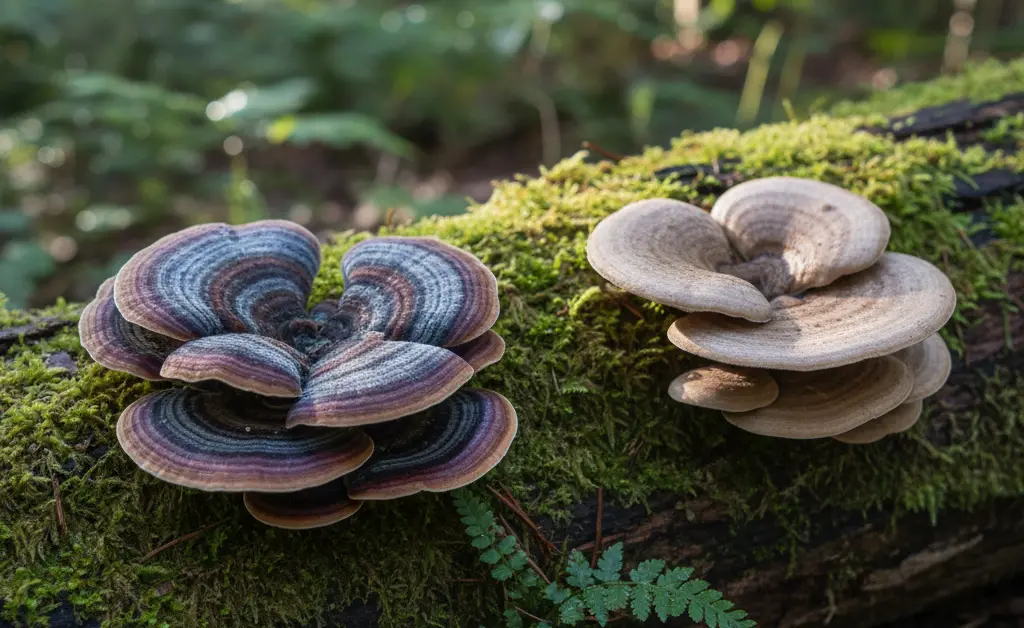
Navigating the world of wild mushrooms can be daunting, especially when trying to identify beneficial species for health purposes. Many enthusiasts seek out the renowned turkey tail mushroom for its purported medicinal properties, but a common and critical challenge arises: distinguishing it from its many imposters. The concern isn’t just about missing out on the genuine article; it’s about the potential risks associated with misidentification. Fear of selecting the wrong fungi, which might be inactive, unpleasant, or even mildly toxic, often deters individuals from confident foraging. This guide aims to alleviate that common frustration by providing clear, detailed methods to confidently identify the true turkey tail. We will thoroughly explore the distinctive characteristics that separate the authentic turkey tail from every common turkey tail mushroom look alike, empowering you to make informed and safe choices in your foraging endeavors.
Common Turkey Tail Mushroom Look-Alikes and Imposters
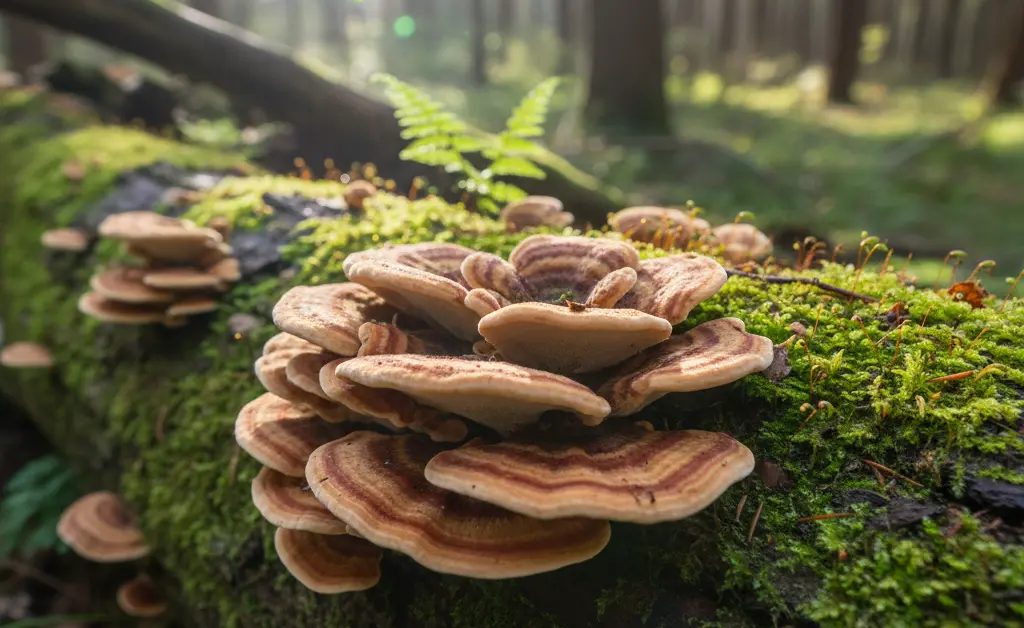
Accurate mushroom identification is paramount, especially when seeking specific species like the Turkey Tail Mushroom (Trametes versicolor). While celebrated for its distinctive appearance and potential health benefits, the true Turkey Tail Mushroom has several common turkey tail mushroom look alike species that can easily mislead an inexperienced forager. Recognizing these imposters is crucial for both safety and ensuring you gather the correct fungi. This section will delve into the critical features that differentiate the authentic Turkey Tail Mushroom from its various mimics. Beyond turkey tail, other medicinal mushrooms also have specific identification challenges, such as recognizing a maitake mushroom look-alike.
Key Features for Identification
To confidently identify the true Turkey Tail Mushroom, foragers must pay close attention to a specific set of characteristics. These key features provide reliable clues that help distinguish it from other wood-decaying fungi. Understanding the nuances of its appearance, texture, and growth patterns is essential for accurate identification and avoiding common turkey tail mushroom look-alikes.
Habitat and Growth Patterns
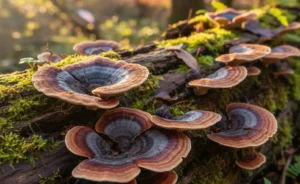
The Turkey Tail Mushroom is a ubiquitous wood-decaying fungus, typically found growing on dead hardwood trees, stumps, and fallen logs. It grows in a shelf-like or rosette pattern, often in overlapping clusters, creating a fan-like or semi-circular form. This preference for deadwood and its specific growth habit are important initial clues. Many of its look-alikes may share a similar substrate preference, so further examination is always necessary, but observing where and how it grows provides foundational context for mushroom identification.
Cap Coloration and Concentric Zones
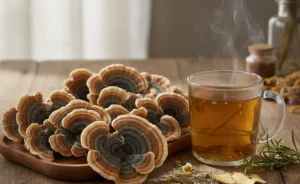
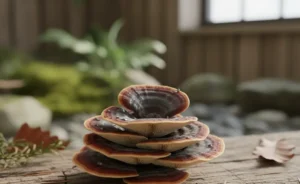
One of the most striking features of Trametes versicolor is its cap, which exhibits vibrant, concentric zones of various colors. These zones can range from brown, rust, and orange to gray, blue, and even greenish hues, often with a white or cream margin. The surface of the cap typically has a fine, velvety texture due to tiny hairs. These distinct colors and the velvety feel are important indicators. While other fungi may have concentric rings, the specific combination of colors and the unique velvety texture help distinguish the true Turkey Tail Mushroom from a turkey tail mushroom look alike.
Pore Surface: The Underside Test
The underside of the true Turkey Tail Mushroom is a critical identifier. It belongs to the polypore family, meaning its underside is covered in tiny, visible pores, not gills or a smooth surface. These pores are usually white to off-white or light brown and are typically very small, almost imperceptible to the naked eye without close inspection. A quick “underside test” by gently rubbing the surface can reveal these pores, distinguishing it from fungi with a smooth underside or those with gill-like structures. Observing the pore surface is arguably the most reliable method for accurate identification.
Thickness, Flexibility, and Flesh
The flesh of the Turkey Tail Mushroom is thin and flexible, especially when fresh. It is not brittle or rigid. When bent, it should offer some resistance but not snap easily. The overall thickness of the fruiting body is relatively uniform and delicate. An old turkey tail mushroom might become tougher and less flexible, but it should still retain some of its original pliability. This combination of thinness and flexibility helps differentiate it from thicker, more rigid shelf fungus varieties that can be a turkey tail mushroom look alike.
Visual Comparison: Turkey Tail vs. Look-Alikes
Visually comparing the authentic Turkey Tail Mushroom with its various imposters is an invaluable step in accurate identification. While some look-alikes might mimic the general shape or cap coloration, subtle differences in their features become apparent upon closer inspection. This comparative approach, focusing on multiple characteristics simultaneously, enhances the ability to confidently distinguish the true species.
False Turkey Tail (Stereum ostrea)
The False Turkey Tail, Stereum ostrea, is perhaps the most common turkey tail mushroom look alike. It often shares similar concentric zones and a similar growth habit on deadwood. However, the critical differentiating feature lies in its underside. Unlike Trametes versicolor, Stereum ostrea has a smooth underside, lacking any visible pores. Its cap may also appear less velvety and more leathery or finely hairy, without the distinct pore surface of a true polypore. When comparing a turkey tail mushroom look alike to the real thing, checking the underside is non-negotiable.
Mossy Maze Polypore (Cerrena unicolor)
The Mossy Maze Polypore, Cerrena unicolor, can also be mistaken for Turkey Tail, particularly due to its concentric zones and growth on deadwood. Its cap can display greenish or grayish hues, often appearing fuzzy or velvety. The most distinct feature that sets it apart from a true Turkey Tail Mushroom is its pore surface. While it does have pores (making it a polypore), they are often elongated, labyrinthine, or maze-like, rather than the small, round pores of Trametes versicolor. This unique pore structure makes it relatively easy to distinguish upon close examination.
Violet-Toothed Polypore (Trichaptum biforme)
The Violet-Toothed Polypore, Trichaptum biforme, is another common turkey tail mushroom look alike, particularly when young. It grows on deadwood and can have concentric zones of grayish or brownish colors, often with a whitish margin. Its key distinguishing feature is its pore surface, which, especially when young or fresh, has a violet or purplish tint. The pores are also often elongated or tooth-like, rather than round, giving it a characteristic appearance that separates it from the genuine Turkey Tail Mushroom. This color and structure of the pores are critical differentiating factors.
Differentiating Features: Pores, Texture, and Rigidity
To summarize the key differences, the true Turkey Tail Mushroom (Trametes versicolor) is characterized by its small, round pores, velvety cap texture, and thin, flexible fruiting body. In contrast, the False Turkey Tail (Stereum ostrea) has a smooth underside, lacking pores. The Mossy Maze Polypore (Cerrena unicolor) features elongated or maze-like pores. The Violet-Toothed Polypore (Trichaptum biforme) stands out with its violet-tinged, tooth-like pores, especially when young. Paying close attention to these specific attributes of the pore surface, the texture of the cap, and the overall rigidity or flexibility of the fungi are crucial for accurate mushroom identification.
Growth Substrate Clues
While many of these fungi grow on deadwood, subtle distinctions in the type of wood or decay stage can sometimes provide additional clues. True Turkey Tail Mushroom often prefers deciduous hardwoods. Observing the specific tree species the fungi is growing on, if identifiable, can sometimes narrow down the possibilities, though it should always be used in conjunction with other identification features. No single growth substrate clue is definitive, but it adds to the overall picture when trying to identify a turkey tail mushroom look alike.
Potential Poisonous Turkey Tail Look-Alikes
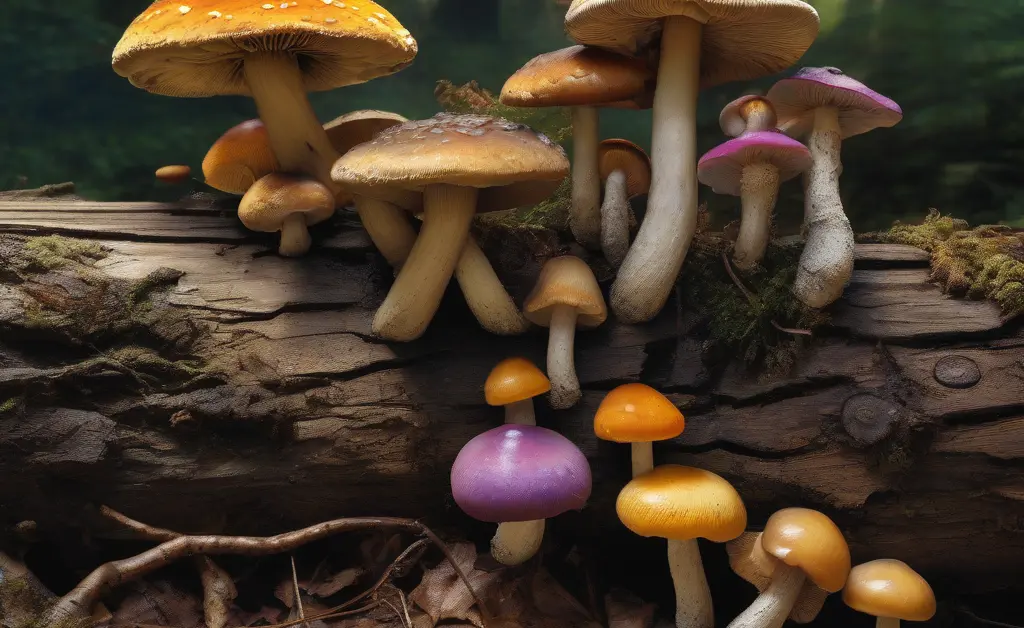
While many common turkey tail mushroom look alike species are generally considered non-toxic, they may lack the desired properties of Trametes versicolor or simply be unpalatable. The primary concern with misidentification typically revolves around efficacy and taste rather than severe poisoning. However, understanding the edibility or non-toxicity of these imposters is still an important aspect of safe foraging.
Are Any Turkey Tail Look-Alikes Poisonous?
Thankfully, most of the common turkey tail mushroom look alike species are not considered deadly poisonous. Many are simply inedible due to their tough texture, unpleasant taste, or lack of significant nutritional value. For instance, the False Turkey Tail (Stereum ostrea) is not known to be toxic, though it is not typically consumed. However, relying solely on visual cues can sometimes lead to misidentification with other, less common, and potentially more problematic fungi. It is always best to be absolutely certain of identification before considering any wild mushroom for consumption or medicinal use.
Edibility of False Turkey Tail (Stereum ostrea)
The False Turkey Tail (Stereum ostrea) is generally regarded as non-toxic but inedible. Its texture is too tough and leathery for culinary use, and it does not possess the same properties for which the true Turkey Tail Mushroom is sought. While consuming it may not cause severe harm, it offers no culinary benefit and is not recommended for consumption. The focus for foraging should always be on confidently identifying the true Turkey Tail Mushroom and avoiding any species that do not meet all the stringent identification criteria.
FAQ
— How can you tell the difference between turkey tail and false turkey tail?
A crucial distinction between true turkey tail and its false counterparts lies in the underside. Genuine turkey tail possesses a white, porous underside, whereas a false turkey tail mushroom look alike often presents a smooth or gill-like surface. Additionally, true turkey tail is notably thin and flexible, unlike many of its tougher or thicker doppelgängers.
— What are the main identifying features of a real turkey tail mushroom?
Identifying features include its fan-like shape and distinctive concentric rings of varying colors, resembling a turkey’s tail feathers. The top surface typically has a velvety texture, while its underside is entirely covered with tiny, visible pores. This combination of appearance and pore structure helps confirm its identity.
— Is there a poisonous mushroom that looks like turkey tail?
Fortunately, there are no dangerously poisonous fungi that are close turkey tail mimics. However, several non-toxic but inedible species can be mistaken for it. Correct identification is essential to ensure you are engaging with the specific species known for its unique properties.
— What does the underside of a true turkey tail look like?
The underside of a genuine turkey tail mushroom is consistently white or light cream and covered in many tiny, visible pores. These pores are a definitive characteristic, differentiating it from imposters which often have smooth undersides, labyrinthine patterns, or gills. This porous structure is a clear indicator of the species.
— Where does turkey tail mushroom typically grow?
Turkey tail mushrooms are widely distributed globally, thriving on dead hardwood logs, stumps, and fallen branches. They are important decomposers in forest environments, helping to break down woody debris. You can often spot them growing in tiered, overlapping clusters in temperate forests.