Foraging for medicinal mushrooms can be a rewarding endeavor, yet the process is often fraught with uncertainty, particularly when distinguishing between similar-looking species. A common point of confusion arises when examining the underside of fungi, a crucial step for accurate identification. Many enthusiasts find themselves second-guessing whether a specimen possesses true gills, pores, or another unique structure. This challenge is particularly prevalent with species like the revered turkey tail mushroom, whose characteristic features are sometimes misunderstood. Accurately identifying the underside is vital, as misinformation surrounding concepts like turkey tail mushroom gills can lead to incorrect conclusions about a mushroom’s identity and properties, undermining confidence in its use.
Turkey Tail Mushroom Gills: Understanding the Underside
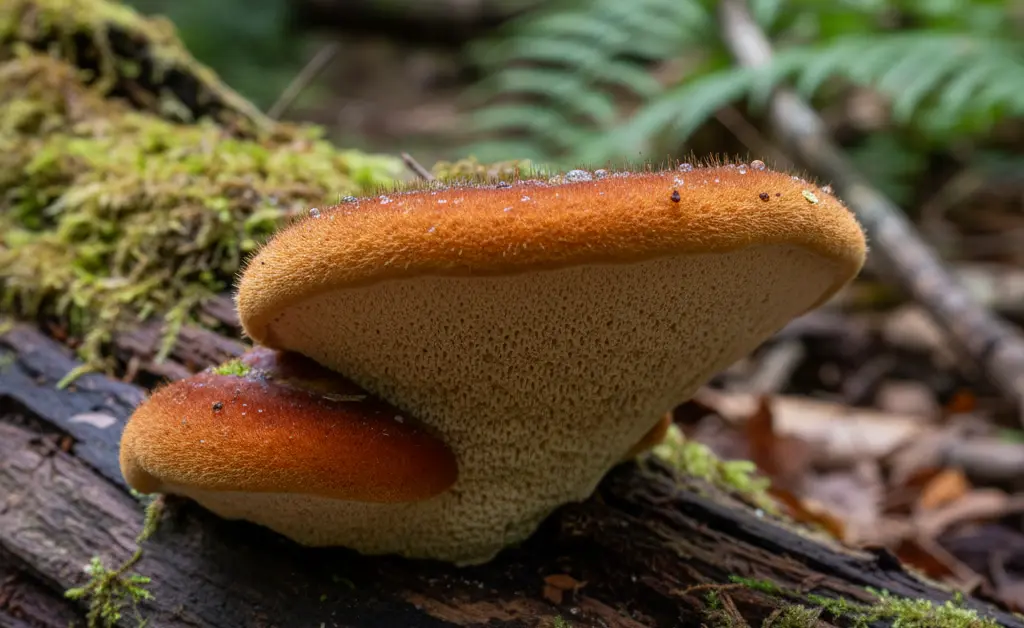
The underside of a mushroom, often referred to as the spore surface, holds crucial clues for accurate identification within the fascinating world of mycology. For general health information, consulting reliable sources like the CDC is recommended. For many common fungi, this surface might display distinct gills, which are thin, blade-like structures radiating from the stem or attachment point. However, when it comes to the highly sought-after turkey tail mushroom, specifically Trametes versicolor, understanding its underside features is key to proper identification. The misconception surrounding turkey tail mushroom gills often arises because some novice foragers may not be aware that not all mushrooms have gills.
Unlike gilled fungi, the turkey tail mushroom belongs to a group known as polypores, characterized by a different type of spore-bearing surface. This distinction is fundamental for anyone looking to confidently identify this beneficial bracket fungus. Locating and examining Turkey Tail’s pore surface is a critical step that distinguishes it from many look-alikes. An accurate assessment of the underside prevents misidentification and ensures that the collected specimen is indeed the true turkey tail mushroom, known for its various traditional uses and medicinal benefits.
Turkey Tail’s Underside Features: Pores, Not Gills
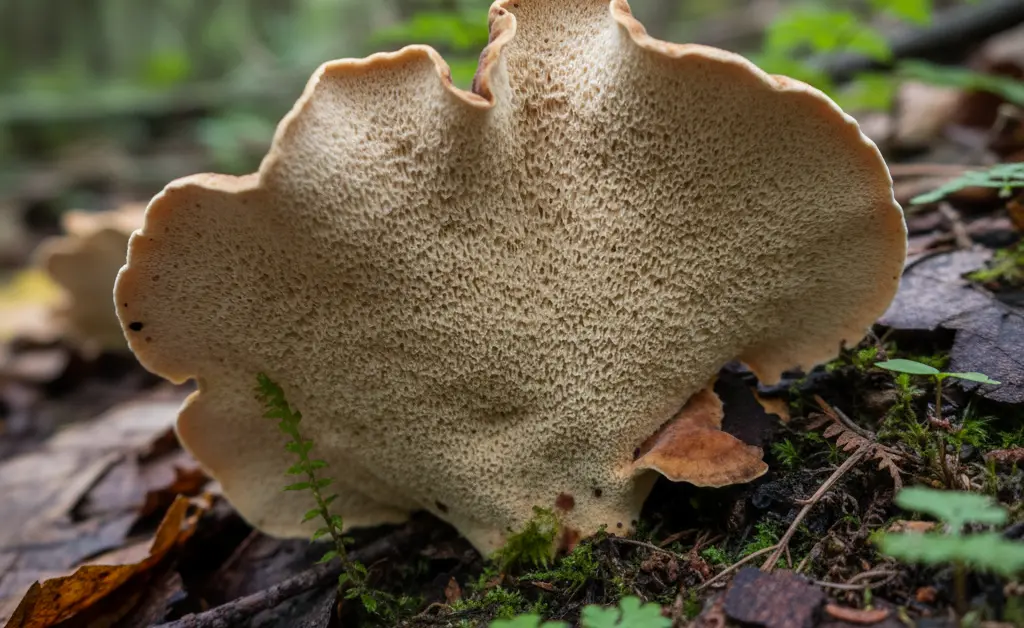
A defining characteristic of the true turkey tail mushroom is its pore surface, not gills. Instead of radiating blades, the underside of Trametes versicolor is covered in tiny, often barely visible, pores. These pores are typically white to off-white or light tan, and under magnification, they appear as a multitude of minute openings through which spores are released. This pore structure is a hallmark of polypore fungi, which are typically wood-decay organisms that grow on logs and dead wood.
When performing a step-by-step underside examination for identification, one should look for a smooth, velvety cap with concentric zones of varying colors and a thin, leathery texture. However, the most definitive feature for discerning a true turkey tail is the delicate pore surface on its underside. These pores are much finer than those found on some other polypores, often described as 3-8 pores per millimeter, making them quite small. The absence of `turkey tail mushroom gills` is a primary identifier, confirming its status as a polypore rather than a gilled mushroom.
Gills vs. Pores: The Key to Turkey Tail Identification
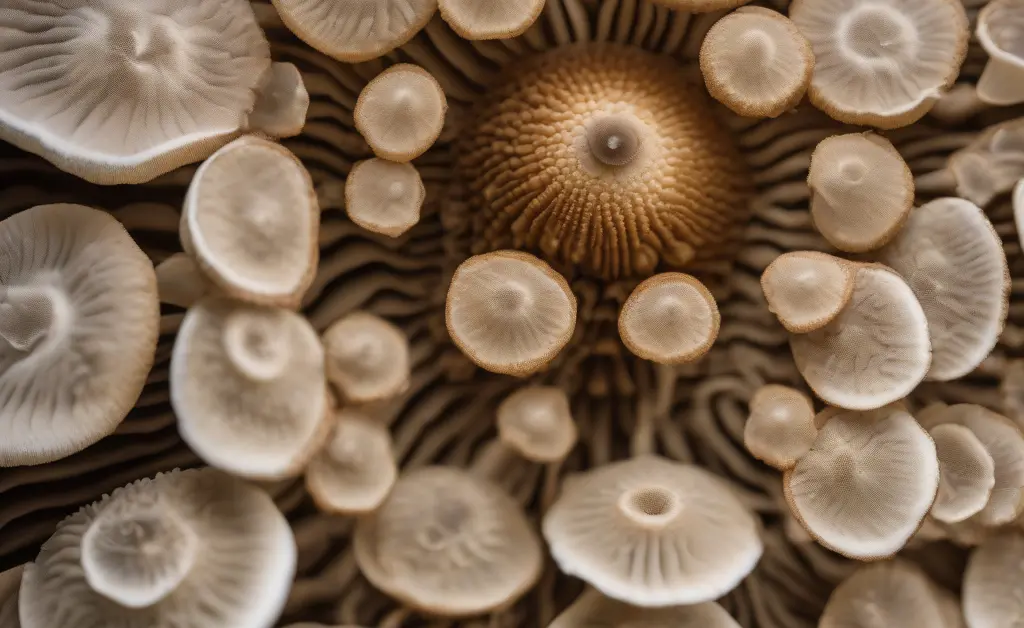
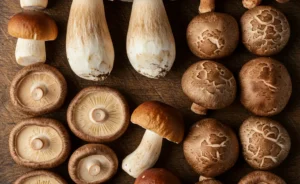
Distinguishing between gills and pores is perhaps the most critical step in identifying the turkey tail mushroom. Gilled fungi, such as many species found in fields and forests, typically have prominent, knife-like structures on their undersides. These gills can be attached to a stem or directly to the cap. In contrast, polypores like the turkey tail mushroom lack these structures entirely. Instead, they feature a dense layer of tubes that open to the underside, forming the characteristic pores.
Understanding pore fungi vs. gilled fungi is foundational for mycology enthusiasts. A true turkey tail, a sessile bracket fungus, will always exhibit a porous underside. This visual difference is not just a minor detail; it is a fundamental classification feature that separates the true turkey tail from many other species, including several look-alikes. Why underside structure is crucial for identification cannot be overstated; it’s a quick and reliable way to narrow down potential species and confirm identification, especially when considering a mushroom for its potential medicinal benefits.
Why the Confusion: The Myth of Turkey Tail Gills
The persistent myth of `turkey tail mushroom gills` often stems from a general lack of familiarity with the diverse anatomy of fungi. Many people are accustomed to identifying mushrooms by the presence of gills, as these are common features of many edible and poisonous species. When encountering a fungus like the turkey tail, which has a vibrant, fan-shaped cap and grows on wood, some foragers might mistakenly assume it also possesses gills, or they might overlook the subtle pore structure.
One common look-alike, the false turkey tail (Stereum ostrea), often contributes to this confusion. While its cap can mimic the concentric zones and colors of true turkey tail, its underside is smooth or slightly wrinkled, completely lacking both gills and distinct pores. Identifying false turkey tail (Stereum ostrea) requires careful examination, especially of the underside. Other common look-alikes and their distinguishing features also emphasize the importance of the spore surface. For instance, some other bracket fungi might have larger pores, or different colors on their underside. Recognizing poisonous look-alikes heavily relies on meticulous observation of these key features, underscoring that the absence of `turkey tail mushroom gills` and the presence of fine pores are non-negotiable for accurate turkey tail identification.
Accurate turkey tail identification is a skill honed through careful observation and an understanding of key mycological features. While the vibrant, velvety cap with its concentric zones of color is often the first visual cue, the definitive characteristic lies on the underside. The presence of tiny, often inconspicuous pores, rather than gills, is the hallmark of the true turkey tail mushroom (Trametes versicolor). By focusing on this critical distinction between gills and pores, foragers can confidently identify this beneficial fungus and avoid common look-alikes. This knowledge ensures that any collected specimens are indeed the authentic turkey tail, enabling safe and informed use.
The content provided in this article is intended for informational learning, not clinical application. This information is not meant to diagnose, treat, cure, or prevent any disease, and should not be used as a substitute for professional medical advice. Always consult with a qualified healthcare provider before making any decisions about your health or starting any new dietary or wellness regimen.
FAQ
— Do turkey tail mushrooms have gills?
No, true turkey tail mushrooms do not have gills. These fungi are classified as polypores, meaning they release their spores from tiny pores on their underside rather than from blade-like structures. The absence of turkey tail mushroom gills is a defining characteristic that helps distinguish it from other fungi.
— What do turkey tail mushrooms have instead of gills?
Instead of gills, turkey tail mushrooms feature a pore surface on their underside. These tiny, almost invisible pores are the openings of tubes where spores are produced and released. This unique structural adaptation is characteristic of the polypore family to which it belongs.
— Are all true turkey tail mushrooms gilled, or do they have pores?
True turkey tail mushrooms, scientifically known as Trametes versicolor, consistently exhibit a pore surface, not gills. This is a fundamental identifying feature for mycologists to differentiate it from look-alike species. The presence of tiny pores on the underside is a reliable indicator of its identity.