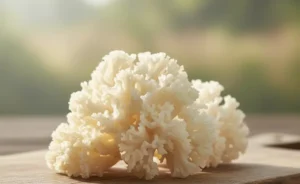
Can the savory shiitake mushroom, a common ingredient revered for its umami flavor and health benefits, sometimes cause an unexpected reaction? While often enjoyed without issue, some individuals may experience adverse effects after consuming or even handling these fungi. Understanding a shiitake mushroom allergy is crucial for those who suspect they might be affected. This comprehensive guide will explore the diverse symptoms that can arise, from digestive upset to skin rashes like flagellate dermatitis, which is uniquely associated with shiitake consumption. We will also delve into the underlying causes, discuss diagnostic approaches, and provide essential information on treatment and management strategies to help individuals navigate this specific food sensitivity.
Understanding Shiitake Mushroom Allergy
A shiitake mushroom allergy represents an adverse immune response to specific proteins found within the mushroom. Unlike a general food intolerance, which typically involves digestive discomfort, an allergy triggers the body’s immune system to produce antibodies in response to what it mistakenly perceives as a threat. This immune response can lead to a variety of allergic reactions, ranging from mild irritation to more severe, systemic effects. Recognizing the distinction is key, as a true shiitake mushroom allergy necessitates careful management and avoidance of the allergen to prevent future incidents. Some individuals also consider the FODMAP content of shiitake mushrooms for dietary management, which is a different aspect from an allergic reaction.
Symptoms of Shiitake Mushroom Allergy
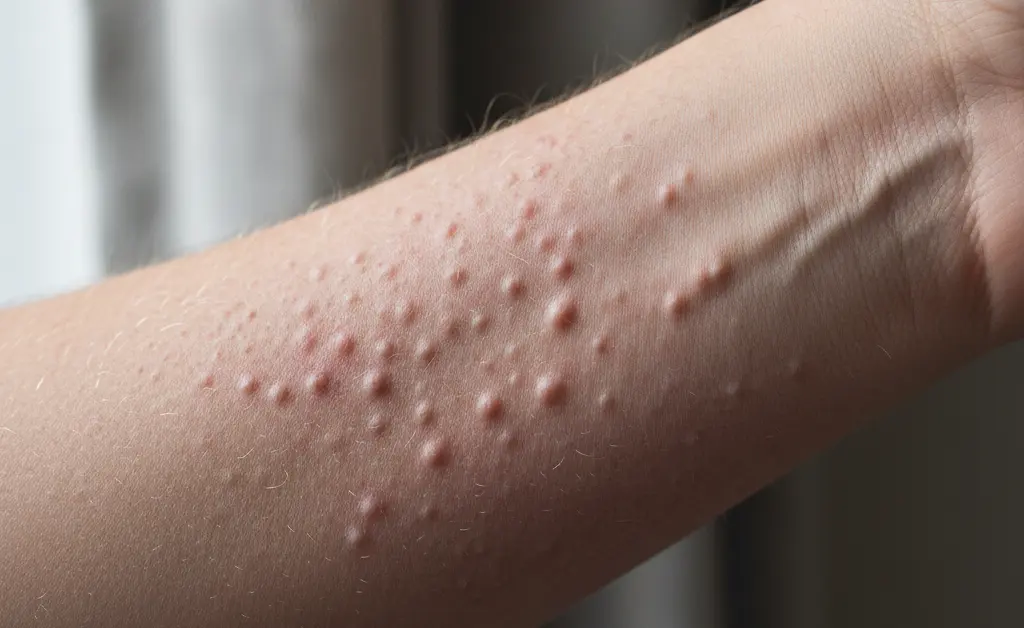
The symptoms associated with a shiitake mushroom allergy can vary widely among individuals, depending on the type and severity of the immune response. What are the first signs of a mushroom allergy? Mild allergic reactions might include common skin issues such as itchy skin, hives, or localized swelling. Some individuals may experience gastrointestinal symptoms, including stomach upset, nausea, vomiting, or diarrhea after consuming shiitake mushrooms. In more severe allergic reactions, the body’s response can escalate quickly. These might involve respiratory issues like wheezing, shortness of breath, or breathing trouble, and in rare cases, a life-threatening systemic reaction known as anaphylaxis. It is important to be aware of the full spectrum of shiitake mushroom allergy symptoms to respond appropriately if an allergic reaction occurs.
Causes and Risk Factors for Shiitake Mushroom Allergy

The primary cause of a shiitake mushroom allergy lies in the immune system’s misidentification of certain mushroom proteins as harmful. When an individual with this sensitivity consumes or comes into contact with shiitake mushrooms, their immune system launches an attack, releasing histamine and other chemicals that lead to allergic symptoms. While anyone can potentially develop a food allergy, some factors may increase susceptibility. For instance, individuals with a history of other allergies, such as pollen or other food sensitivities, may have a higher predisposition. Exposure to raw mushrooms, particularly through handling or undercooked consumption, may also present a greater risk, as some allergenic proteins can be more potent in their raw state. Although commonly asked, whether shiitake are high in histamine is a different concern from a true immune-mediated shiitake mushroom allergy, which is driven by specific protein triggers.
Diagnosing a Shiitake Mushroom Allergy
Accurately diagnosing a shiitake mushroom allergy involves a comprehensive approach, typically guided by an allergist or healthcare professional. The process often begins with a detailed medical history, where the individual recounts their symptoms, the timing of their reactions relative to mushroom consumption, and any other relevant health information. How is a shiitake mushroom allergy diagnosed? Common diagnostic tools may include skin prick tests, where a small amount of mushroom extract is applied to the skin to observe for a localized reaction. Blood tests can also measure specific IgE antibodies that the immune system produces in response to shiitake mushroom proteins. In some cases, an oral food challenge, conducted under strict medical supervision, may be used to confirm a diagnosis, although this is done cautiously given the potential for severe reactions. Professional diagnosis is crucial for developing an effective management plan and ensuring safety. The National Institutes of Health (NIH) provides extensive research and information on various health conditions, including allergies.
Shiitake Dermatitis: A Unique Reaction

Shiitake dermatitis is a distinctive skin reaction that sets it apart from typical food allergies. This particular type of rash is strongly associated with the consumption of raw or undercooked shiitake mushrooms, although handling them can also trigger a response in sensitive individuals. Unlike immediate hypersensitivity reactions, shiitake dermatitis often presents as a delayed reaction, appearing hours or even days after exposure.
Types of Shiitake Dermatitis (e.g., Flagellate Dermatitis)
The most recognized form of shiitake dermatitis is flagellate dermatitis, characterized by its unique pattern. This distinctive rash typically manifests as linear streaks, resembling whip marks, often appearing on the trunk, limbs, and neck. While flagellate dermatitis is the most common presentation, other forms of skin reactions such as generalized erythema or papular eruptions may also occur, though less frequently. These varied skin reactions highlight the specific nature of this sensitivity.
Characteristics of the Rash
The flagellate rash associated with shiitake dermatitis is notoriously itchy and red, sometimes accompanied by small bumps or blisters along the streaky lines. It is thought to be caused by a thermolabile polysaccharide called lentinan, which is present in the mushrooms and is usually destroyed by thorough cooking. The intense itching can be quite distressing for affected individuals. The delayed onset, often 24 to 72 hours post-ingestion, can make it challenging for individuals to connect the rash directly to their shiitake mushroom consumption without prior knowledge of this characteristic shiitake rash.
How Common is Shiitake Mushroom Dermatitis?
While shiitake mushrooms are widely consumed, shiitake dermatitis is considered relatively rare. It is more prevalent in regions where raw or lightly cooked shiitake mushrooms are a common part of the diet, such as certain parts of Asia. However, with the increasing global popularity of shiitake mushrooms and their use in various cuisines, awareness of this unique skin condition is growing. Despite its rarity, the distinct appearance of the rash often leads to prompt recognition by healthcare providers who are familiar with the phenomenon, sometimes prompted by viewing shiitake mushroom rash pictures or mushroom allergy rash images.
Is Shiitake Dermatitis Dangerous?
Generally, shiitake dermatitis is not considered life-threatening. The primary concerns are the discomfort and severe itching it causes. The rash typically resolves on its own within one to three weeks without specific treatment, although topical creams may be used to alleviate symptoms. While it does not usually lead to anaphylaxis or severe internal reactions, it is important for individuals experiencing a shiitake dermatitis alert to consult a healthcare professional to confirm the diagnosis and rule out other potential causes of skin rash. This helps ensure proper management and prevents future exposures that could lead to recurrence.
Treatment and Management of Shiitake Mushroom Allergy
The cornerstone of treatment and management for a shiitake mushroom allergy is strict avoidance of the allergen. This involves carefully checking food labels, asking about ingredients when dining out, and being mindful of cross-contamination in the kitchen. For specific populations, such as during pregnancy, it is always advisable to consult a healthcare professional regarding shiitake mushroom consumption.
For accidental ingestion, managing acute allergic reactions typically involves symptom-specific interventions. For mild symptoms like hives or itching, antihistamines may be suggested. In cases of more severe reactions affecting breathing or causing systemic symptoms, emergency medical attention may be necessary, and individuals at risk may carry an auto-injector. Understanding potential shiitake mushroom adverse effects and having an avoidance strategy are crucial for preventing reactions and maintaining well-being.
When to Seek Medical Attention for a Shiitake Mushroom Allergy
It is important to know when to seek medical attention for a shiitake mushroom allergy. If you experience any symptoms that suggest a severe allergic reaction, such as difficulty breathing, swelling of the face or throat, a sudden drop in blood pressure, dizziness, or a rapid pulse, seek emergency medical care immediately. These symptoms could indicate anaphylaxis, a life-threatening condition that requires prompt treatment. Even for what appear to be mild reactions, if symptoms persist, worsen, or cause significant discomfort, consulting a healthcare professional is advisable. They can provide guidance, confirm the diagnosis of a shiitake mushroom allergy, and help develop a personalized action plan to manage future exposures and ensure your safety.
Living with a shiitake mushroom allergy requires careful attention to diet and potential exposures. By understanding the symptoms, obtaining an accurate diagnosis, and implementing effective management strategies, individuals can significantly reduce their risk of allergic reactions. Awareness and preparedness are key to navigating this specific food sensitivity successfully.
This article is meant for general informational use and awareness. It is not intended to provide specific medical advice, diagnoses, or treatment recommendations. Always consult with a qualified healthcare professional for any health concerns or before making any decisions related to your health or treatment plan. Individual responses to allergens can vary, and personalized medical guidance is essential.
FAQ
— What are the common symptoms of a shiitake mushroom allergy?
Reactions to shiitake mushrooms can manifest in various ways, often involving the skin with symptoms like dermatitis, hives, or redness. Some individuals may experience gastrointestinal discomfort, such as nausea, vomiting, or diarrhea. Respiratory issues like wheezing or difficulty breathing are also possible manifestations.
— Can you suddenly develop an allergy to shiitake mushrooms?
Yes, it is possible for individuals to develop new allergies at any point in their life, even to foods they have previously consumed without issue. The immune system can become sensitized over time through repeated exposure, leading to a sudden reaction later on. Therefore, a previously uneventful consumption does not guarantee immunity from a future shiitake mushroom allergy.
— Are shiitake mushroom allergies common?
Allergies to shiitake mushrooms are considered relatively uncommon when compared to more prevalent food allergies like peanuts or shellfish. While specific sensitivities can arise, they do not account for a large proportion of overall food allergy cases.
— Can a shiitake mushroom allergy be serious?
Like many food allergies, reactions to shiitake mushrooms can range in severity from mild discomfort to more significant systemic responses. While milder symptoms are common, some individuals may experience severe reactions affecting multiple bodily systems. It is important to be aware that any food allergy has the potential for serious outcomes.