Many expectant parents navigate their dietary choices with caution, often encountering conflicting advice or unfounded concerns about certain foods. One such food that sometimes raises questions is the humble shiitake mushroom. While some might assume that exotic or less common ingredients are best avoided entirely during this delicate period, the truth is often more nuanced. Far from being a food to be feared, incorporating shiitake mushroom during pregnancy can offer a range of valuable nutrients essential for both maternal health and fetal development when consumed properly. This guide aims to demystify their role, explore their nutritional advantages, discuss safety considerations, and provide practical advice for including them safely in a balanced pregnancy diet.
Shiitake Mushrooms During Pregnancy: Safety and Consumption
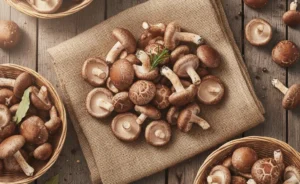
Understanding mushroom consumption safety is paramount, especially for expectant mothers. Shiitake mushrooms, when sourced from reputable vendors and prepared correctly, are generally considered a safe addition to a prenatal diet. The key lies in their preparation and knowing which mushrooms are safe during pregnancy. Unlike some wild varieties that may pose risks, cultivated shiitake are a widely available edible fungi with a well-established safety profile. For information on other edible fungi, resources on lions mane mushroom and pregnancy can provide further guidance.
Expert Opinions on Shiitake Mushroom Safety
Many healthcare providers and nutrition experts agree that common cultivated mushrooms, including shiitake, can be safely consumed during pregnancy. The primary recommendation is always to ensure they are thoroughly cooked. Raw mushrooms can be difficult to digest and may carry a slight risk of contaminants. Emphasizing general food safety guidelines during pregnancy, such as washing produce thoroughly and cooking foods to appropriate temperatures, extends to all ingredients, including these delicious medicinal fungi.
Shiitake Mushrooms by Trimester
There are typically no specific restrictions on shiitake mushroom consumption that vary by trimester, provided they are cooked and consumed in moderate amounts. The nutritional benefits, such as essential B vitamins and minerals, are valuable throughout all stages of fetal development. However, individual sensitivities or digestive changes experienced during different trimesters mean that expectant mothers should always listen to their bodies and consult with their healthcare provider if they have any concerns.
Recommended Portions and Frequency
While there’s no strict universal guideline for exact portions, incorporating shiitake mushrooms into your diet a few times a week as part of varied meals is a reasonable approach. The focus should be on moderation and balance within a comprehensive prenatal diet. Rather than thinking of a specific quantity, consider them as a beneficial component that contributes to your overall nutrient intake, alongside a wide array of other vegetables, proteins, and grains. Always prioritize enjoying a diverse range of foods to ensure a broad spectrum of nutrients. Expectant mothers interested in specific dietary considerations may also research shiitake mushroom FODMAP content.
Nutritional Benefits of Shiitake Mushrooms During Pregnancy
Shiitake mushroom during pregnancy can be a nutritional powerhouse, offering a rich profile of vitamins, minerals, and other beneficial compounds crucial for both maternal health and fetal development. These edible fungi contribute significantly to a balanced diet for expectant mothers.
Shiitake Mushrooms: A Pregnancy Superfood
Shiitake mushrooms are lauded for their nutritional density, potentially earning them the title of a “pregnancy superfood.” They are a rich source of Vitamin D, which is vital for bone health and immune system function for both the mother and the developing baby. Beyond Vitamin D, shiitake provide essential B vitamins, including folate, which plays a critical role in preventing neural tube defects. They also offer key minerals for pregnancy wellness such as iron, copper, and selenium, which support healthy blood cell formation, antioxidant properties, and immune support. The dietary fiber content in shiitake mushrooms can also aid digestion, a common concern for expectant mothers, while beta-glucans may further boost immunity. Further information on essential nutrients for maternal and fetal health can be found through resources like the National Institutes of Health.
Potential Concerns and Precautions During Pregnancy
While incorporating shiitake mushroom during pregnancy offers numerous benefits, it is prudent for expectant mothers to be aware of potential concerns and take appropriate precautions. Ensuring food safety is critical throughout the entire pregnancy period to minimize any risks.
One primary consideration is the risk of allergies and sensitivities to mushrooms. Although uncommon, some individuals may experience allergic reactions, which could manifest as digestive upset, skin rashes, or respiratory issues. If you have a known mushroom allergy or experience any adverse reactions after consumption, it’s important to discontinue use and consult with your healthcare provider. Additionally, there’s always a risk of foodborne illness if mushrooms are not handled or cooked properly. Raw mushrooms can harbor contaminants or toxins, making thorough cooking essential. Always opt for cultivated shiitake from reliable sources to minimize exposure to unknown substances or environmental contaminants. Consulting your healthcare provider about any dietary changes, especially if you have existing health conditions or concerns, is always recommended to ensure personalized guidance tailored to your specific needs during pregnancy.
Incorporating Shiitake Mushrooms into Your Pregnancy Diet
Adding shiitake mushroom during pregnancy to your meals can be a delicious and nutritious way to enhance your diet. These versatile mushrooms can be incorporated into a variety of dishes, providing both flavor and essential nutrients. Think about simple recipe ideas for pregnant women that are easy to prepare and nourishing.
Safe Cooking Methods for Shiitake Mushrooms
To ensure safety and maximize the nutritional benefits, always prioritize thoroughly cooked mushrooms. Avoiding raw or undercooked foods is a general food safety guideline during pregnancy that applies to shiitake as well. Before cooking, ensure the mushrooms are clean; a quick wipe with a damp cloth is often sufficient, but you can also gently rinse them under cool water and pat them dry. They can be sautéed with a little olive oil and garlic, added to stir-fries, included in soups and stews for an earthy flavor, or roasted until tender. These methods ensure they are fully cooked through, making them easier to digest and eliminating any potential contaminants. Fully cooking shiitake mushrooms unlocks their flavor and ensures they are a safe and enjoyable part of your pregnancy diet.
Making informed dietary choices during pregnancy is a cornerstone of maternal and fetal well-being. Shiitake mushrooms, far from being a food to approach with trepidation, can be a valuable and nutritious addition to an expectant mother’s diet. By understanding their nutritional profile, adhering to safe preparation methods, and consulting with healthcare professionals, individuals can confidently incorporate these beneficial fungi. Their contribution of essential vitamins, minerals, and antioxidants supports a healthy pregnancy journey, reinforcing the idea that a varied and well-considered diet is key.
This article aims to inform, not to replace professional healthcare advice. It is essential to consult with a qualified healthcare provider or registered dietitian for personalized dietary guidance and medical advice during pregnancy. Individual nutritional needs and health conditions vary, and professional consultation ensures the most appropriate and safest recommendations for you and your developing baby. Always seek the advice of a medical professional for any health concerns or before making changes to your diet or health regimen.
FAQ
— Are shiitake mushrooms safe for pregnant women to consume?
Yes, properly cooked shiitake mushrooms are generally considered safe for pregnant women to consume. It is always wise to ensure all mushrooms are thoroughly cooked to eliminate potential pathogens, and consulting with a healthcare provider about individual dietary choices is advisable.
— What are the nutritional benefits of shiitake mushrooms during pregnancy?
Shiitake mushrooms are a source of several B vitamins, including riboflavin, niacin, and pantothenic acid, which are relevant for energy metabolism and cell function. They also provide minerals such as copper and selenium, along with dietary fiber, contributing to overall nutritional intake.
— Can shiitake mushrooms help boost immunity while pregnant?
Shiitake mushrooms contain compounds like beta-glucans, which are known for their role in supporting the body’s immune system. These components contribute to modulating immune responses, which can be a valuable aspect of maintaining overall wellness. Considering the immune changes that occur, shiitake mushroom during pregnancy can be a relevant nutritional consideration for those seeking to support their body’s natural defenses.
— Are there any risks to eating shiitake mushrooms when pregnant?
The primary consideration for consuming shiitake mushrooms while pregnant is to ensure they are always cooked thoroughly, as raw or undercooked mushrooms may pose a risk. Additionally, some individuals can experience mild digestive upset or skin reactions, similar to any new food introduced into the diet.
— How should pregnant women prepare shiitake mushrooms safely?
It is crucial to cook shiitake mushrooms thoroughly until they are tender, which helps to eliminate any potential foodborne pathogens. Washing them gently and storing them properly in the refrigerator before preparation further contributes to food safety practices.
— What specific vitamins do shiitake mushrooms provide for pregnancy?
Shiitake mushrooms are a natural source of several B vitamins, including riboflavin (B2), niacin (B3), and pantothenic acid (B5), all of which play roles in metabolic processes. When exposed to ultraviolet light, they can also provide Vitamin D, which is relevant for bone health and immune function.