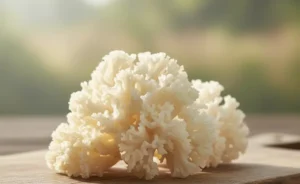
Shiitake mushrooms are celebrated globally for their distinctive umami flavor and nutritional profile, often incorporated into diverse cuisines and wellness practices. While generally considered safe for consumption and cherished for their potential health benefits, it is important to acknowledge that, like any food, they are not entirely without potential adverse reactions for some individuals. A comprehensive understanding of these possibilities is essential for informed dietary choices. We will delve into the various shiitake mushroom side effects, ranging from common sensitivities to more serious allergic responses and specific dermatological reactions, providing clarity on what to observe and when to seek guidance. This insight ensures a balanced perspective on integrating these popular fungi into your diet safely.
Understanding Shiitake Mushroom Side Effects
While generally recognized for their culinary versatility and potential health advantages, including various shiitake mushroom supplement benefits, it is crucial to acknowledge that some individuals may experience shiitake mushroom side effects. These adverse effects can vary widely in severity and presentation, ranging from mild digestive upset to more pronounced allergic or dermatological reactions. Understanding these potential responses is key to safely incorporating these medicinal mushrooms into one’s diet. Factors such as individual sensitivity, the quantity consumed, and the method of preparation can all influence the likelihood and nature of these reactions. For those exploring various fungi, it’s also useful to be aware of cordyceps mushroom side effects.
Dried shiitake mushroom side effects
Dried shiitake mushrooms are a popular form for storage and use, offering concentrated flavor. However, improper handling or preparation of dried shiitake can contribute to adverse effects. It is critical to fully rehydrate dried mushrooms before cooking to ensure thorough cooking, as undercooked shiitake mushroom is more likely to cause issues. While the drying process itself does not inherently create new allergens, consuming inadequately prepared dried shiitake can lead to gastrointestinal symptoms or other sensitivities, similar to raw consumption. Always ensure they are properly soaked and then thoroughly cooked to mitigate potential health risks.
Shiitake Dermatitis (Flagellate Rash)

Shiitake dermatitis, often referred to as flagellate rash, is a unique dermatological reaction primarily associated with the consumption of raw or undercooked shiitake mushrooms. This particular skin irritation is not an allergic reaction in the traditional sense, but rather a toxic-allergic reaction to a thermolabile polysaccharide called lentinan, which is present in the mushrooms. When shiitake mushrooms are not sufficiently cooked, this compound can induce a distinct immune response in susceptible individuals, leading to the characteristic rash. Further research on this phenomenon can often be found on PubMed. Preventing shiitake dermatitis largely involves ensuring that all shiitake mushrooms are fully cooked before eating.
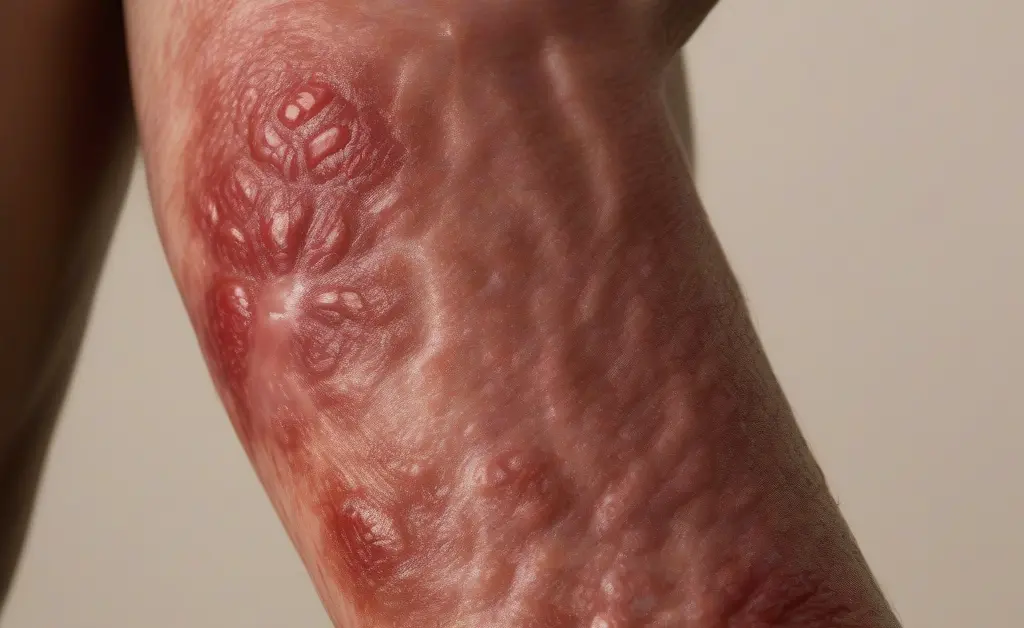
Shiitake mushroom rash picture
Visually, a shiitake mushroom rash typically presents as distinctive linear streaks or whip-like patterns on the skin, often appearing on the trunk, neck, and limbs. The rash is intensely itchy and red, sometimes accompanied by small bumps or blisters. These characteristic “flagellate” markings are what give the condition its name, resembling the marks left by a whip. The appearance can be quite alarming due to its unusual pattern, which sets it apart from many other types of skin irritation or hives.
Appearance and Characteristics of Shiitake Flagellate Dermatitis
The onset of shiitake flagellate dermatitis is usually delayed, appearing several hours to a few days after consuming inadequately cooked shiitake mushrooms. The rash is intensely pruritic, meaning it causes severe itching, which can be quite distressing. The linear pattern of inflammation is a hallmark, often distributed symmetrically across the body. This unique presentation helps differentiate it from other types of skin reactions. While uncomfortable, the rash typically resolves on its own within one to two weeks without specific shiitake mushroom poisoning treatment, provided no further exposure occurs. However, soothing creams may be used to alleviate the itching.
Allergic Reactions to Shiitake Mushrooms
Beyond the specific flagellate dermatitis, some individuals can experience true allergic reactions to shiitake mushrooms, which constitute another category of shiitake mushroom side effects. These reactions involve a direct immune response to specific proteins within the mushroom. The body mistakenly identifies these proteins as harmful, triggering an allergic cascade. While less common than flagellate dermatitis, these allergies can range from mild skin irritation to severe systemic responses. Risk factors for developing an allergy to shiitake may include pre-existing allergies to other fungi or molds, indicating a heightened immune sensitivity.
Shiitake Mushroom Allergy: What to Know
A shiitake mushroom allergy is a genuine immunological response, distinct from the non-allergic flagellate dermatitis. It occurs when an individual’s immune system produces antibodies against specific proteins found in the mushroom. This can happen whether the mushrooms are raw, cooked, or consumed as supplements. Individuals with known allergies to other mushrooms, molds, or even certain pollen types may have a higher predisposition to developing a shiitake allergy. For these individuals, knowing who should not eat shiitake mushrooms is crucial, as avoiding exposure is the primary management strategy.
Identifying Common Allergic Symptoms
Common allergic symptoms associated with shiitake mushrooms can manifest in various ways. These may include skin reactions such as hives, generalized itching, and swelling of the face, lips, or throat. Respiratory symptoms like wheezing, nasal congestion, or difficulty breathing can also occur. Gastrointestinal symptoms such as nausea, vomiting, and abdominal pain might also be present. In severe cases, a life-threatening reaction known as anaphylaxis is possible, characterized by a sudden drop in blood pressure, severe breathing difficulties, and loss of consciousness. Immediate medical attention is vital if such severe symptoms are experienced.
Digestive Issues and Mild Discomfort
Even without an allergy, some people may experience mild shiitake mushroom side effects in the form of digestive issues and general discomfort. These gastrointestinal symptoms are often transient and not indicative of a severe reaction or food poisoning. They can arise from consuming too much shiitake mushroom, especially if the body is unaccustomed to the fiber content or specific compounds present in the fungi. Factors contributing to mild gastrointestinal discomfort often relate to the volume consumed or inadequate preparation, as raw consumption can be harder to digest.
Symptoms of Non-Allergic Digestive Upset
Symptoms of non-allergic digestive upset commonly include nausea, mild abdominal pain, bloating, gas, and occasionally diarrhea. These symptoms are generally less severe than those associated with food poisoning or allergic reactions and tend to resolve relatively quickly. They are often a result of the body’s digestive system adapting to new food components, particularly the chitin found in mushroom cell walls, which can be challenging for some to break down. Ensuring mushrooms are fully cooked can significantly reduce the likelihood of these mild irritations.
Food Poisoning from Shiitake Mushrooms

While often safe, shiitake mushroom side effects can extend to food poisoning if the mushrooms are contaminated or improperly stored and prepared. Foodborne illness can occur if the mushrooms harbor harmful bacteria, viruses, or other pathogens, particularly if they are not stored correctly or if cross-contamination happens. This is distinct from an allergic reaction or flagellate dermatitis, as food poisoning is caused by microbial contamination or toxins produced by microbes, rather than an immune response to the mushroom itself. Causes and prevention of foodborne illness from shiitake emphasize proper hygiene, storage, and thorough cooking.
Common Symptoms of Shiitake Mushroom Food Poisoning
The common symptoms of shiitake mushroom food poisoning often include acute gastrointestinal distress. Individuals may experience nausea, forceful vomiting, and diarrhea, which can sometimes be severe. Abdominal pain, cramping, and fever are also frequently reported. These symptoms typically appear within a few hours to a day after consuming contaminated mushrooms. The intensity of the sickness can vary depending on the specific pathogen and the individual’s overall health, but it often requires rest and hydration to recover.
What are the symptoms of shiitake mushroom poisoning?
Symptoms of shiitake mushroom poisoning, usually referring to foodborne illness, closely mirror those of general food poisoning. These include sudden onset of severe nausea and vomiting, persistent diarrhea, and intense abdominal cramping. A fever may also develop, indicating the body’s fight against infection. Dehydration can become a concern due to fluid loss from vomiting and diarrhea. In some cases, headaches and body aches accompany the gastrointestinal distress. If symptoms are severe or persist, seeking medical advice is recommended to manage the sickness and prevent complications.
Managing Shiitake Mushroom Poisoning
Managing shiitake mushroom poisoning primarily involves supportive care to alleviate symptoms and prevent complications. Since it’s typically a foodborne illness, the body needs time to eliminate the offending agents. Staying hydrated by drinking plenty of clear fluids is crucial to counteract fluid loss from vomiting and diarrhea. Rest is also important to allow the body to recover. Over-the-counter medications might help with fever or pain, but it’s advisable to consult a healthcare professional before taking any new medication, especially when experiencing gastrointestinal distress. For severe or prolonged symptoms, medical attention may be necessary to rule out serious complications or receive appropriate shiitake mushroom poisoning treatment.
Who is at Higher Risk for Shiitake Mushroom Side Effects?
Certain individuals may be at a higher risk for experiencing shiitake mushroom side effects. This includes anyone with pre-existing allergies to other fungi, molds, or even unrelated food items, as they may have a more sensitive immune system. Immunocompromised individuals might also be more susceptible to adverse reactions or infections from inadequately prepared mushrooms. Pregnant and breastfeeding women are often advised to exercise caution with new foods or supplements, including shiitake, due to potential sensitivities or unknown effects on the fetus or infant. Individuals with existing gastrointestinal conditions might find the fiber content or other compounds in shiitake mushrooms difficult to digest, leading to increased abdominal pain or discomfort. For specific guidance on shiitake mushroom during pregnancy, consulting a healthcare professional is recommended. It is always wise for these groups to consider who should not take shiitake or consult a healthcare professional regarding potential health risks before incorporating them into their diet.
When to Seek Medical Attention for Side Effects
While many shiitake mushroom side effects are mild and resolve on their own, it is important to know when to seek medical attention. Persistent or worsening gastrointestinal symptoms like severe vomiting, diarrhea, or abdominal pain, especially if accompanied by fever, warrant professional evaluation. Any signs of a severe allergic reaction, such as difficulty breathing, swelling of the face or throat, widespread hives, or dizziness, require immediate emergency medical care. Individuals experiencing symptoms of flagellate dermatitis that are extremely itchy or widespread, or if the rash does not improve within a week, should also consult a doctor for diagnosis and relief.
Recognizing Severe Symptoms
Recognizing severe symptoms is critical for timely intervention. These include signs of anaphylaxis, such as a sudden drop in blood pressure, rapid pulse, or loss of consciousness. Persistent and high fever, signs of severe dehydration (e.g., decreased urination, extreme thirst, confusion), or blood in vomit or stool are also urgent red flags. Although rare, severe liver damage can be a concern with any form of mushroom toxicity, so yellowing of the skin or eyes (jaundice) should prompt immediate medical consultation. If you suspect severe sickness from shiitake mushrooms, do not delay in seeking professional medical help.
In conclusion, while shiitake mushrooms are widely appreciated for their flavor and nutritional contributions, a balanced approach requires an awareness of their potential side effects. From unique dermatological reactions like flagellate dermatitis to more general allergic responses and digestive discomfort, individual sensitivities and proper preparation play a significant role in safe consumption. Understanding these possible adverse effects allows for informed dietary choices, ensuring that the benefits of these popular fungi can be enjoyed without undue risk. Always prioritize proper cooking and consult a healthcare professional if you experience concerning symptoms.
This content is for informational use and should not be considered medical instruction. It is not intended to provide medical advice, diagnosis, or treatment. Always consult with a qualified healthcare professional for any health concerns or before making any decisions related to your health or treatment. Self-diagnosis and self-treatment can be dangerous. Your health and safety are paramount.
FAQ
— Can shiitake mushrooms make you sick?
Consuming raw or undercooked shiitake mushrooms is known to be a trigger for certain skin reactions in sensitive individuals. In rare cases, some people might experience digestive upset, especially when consuming larger quantities or if not properly prepared. The potential for shiitake mushroom side effects is primarily associated with inadequate cooking.
— What are the symptoms of shiitake flagellate dermatitis?
Shiitake flagellate dermatitis typically manifests as red, linear streaks or stripes on the skin, resembling whip marks. These skin eruptions are often intensely itchy and can appear anywhere on the body, usually a day or two after consuming raw or undercooked shiitake. The rash is a unique inflammatory response to compounds in the mushroom.
— Can shiitake mushrooms cause allergic reactions?
While shiitake flagellate dermatitis is a distinct reaction, true allergic responses to shiitake mushrooms can also occur in susceptible individuals. These are typically IgE-mediated reactions, similar to other food allergies, involving the immune system. Symptoms could include hives, swelling, or respiratory issues, requiring immediate attention.
— How long do shiitake mushroom side effects last?
The duration of shiitake flagellate dermatitis is generally self-limiting, with symptoms typically resolving within a few days to a couple of weeks without specific treatment. For other mild digestive upsets, discomfort usually subsides within a day as the body processes the mushroom. The exact duration can vary based on individual sensitivity and the amount consumed.