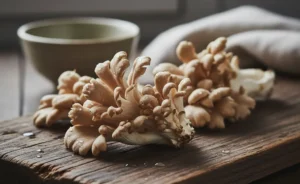
The journey of an oyster mushroom, transforming from a microscopic spore into the versatile, edible cap beloved by chefs and home cooks, involves a series of distinct and rapid biological transformations. These sequential developmental stages collectively define the fascinating oyster mushroom growth cycle. This comprehensive overview is designed to illuminate each critical phase, from the initial incubation of the hidden mycelium within a substrate to the emergence of tiny pinheads and their subsequent maturation into fully formed fruiting bodies. Understanding this dynamic progression day by day is essential for successful cultivation, allowing growers to optimize conditions, predict harvest times, and appreciate the efficiency of nature’s design in bringing these delicious fungi to fruition.
The Complete Oyster Mushroom Growth Cycle
The entire oyster mushroom growth cycle represents a remarkable display of fungal biology, moving from microscopic spores to robust fruiting bodies in a relatively short period. This development cycle is carefully orchestrated by environmental factors, with each stage building upon the last to ensure successful reproduction and propagation. Understanding the complete progression is key for anyone interested in successful oyster mushroom cultivation, whether on a small or large scale.
Oyster mushroom growth cycle day by day
While precise timings can vary based on species and environmental conditions, the oyster mushroom growth cycle often unfolds with noticeable changes each day during its active phases. After inoculation, the substrate appears static, but hidden beneath the surface, the mycelium is busily colonizing. Once fully colonized, the transition to fruiting can be swift, with the appearance of primordia and then rapid expansion of the fruiting bodies over a matter of days. Careful observation allows growers to track this progression closely, adjusting environmental parameters as needed.
Oyster mushroom growth stages day by day
The progression through the oyster mushroom growth stages reveals fascinating daily developments. Initially, the substrate becomes increasingly white with mycelial growth. Following this, tiny primordia, often referred to as pinheads, begin to emerge. These pins then undergo a rapid expansion, typically doubling in size daily under optimal conditions, leading to the formation of mature caps and stems. This consistent, day-by-day observation is vital for anticipating the ideal harvest time.
Oyster mushroom growth time
The total oyster mushroom growth time, from inoculation to first harvest, typically spans several weeks, although the most visible growth occurs in the final stages. Factors such as the strain of oyster mushroom, substrate composition, and environmental controls like temperature, humidity, and air exchange significantly influence how quickly the fungi develop. Maintaining stable and appropriate conditions throughout the development cycle is crucial for achieving consistent growth and yields.
Oyster mushroom Life cycle time
The overall oyster mushroom life cycle time encompasses all phases, from spore germination to the maturation and release of new spores by the fruiting bodies. While cultivation often focuses on the period from inoculation to harvest, the biological life cycle is continuous. After harvesting, the mycelial network within the substrate often has the capacity to produce subsequent flushes of mushrooms, extending the productive life of a substrate block or bag, depending on the available nutrients and continued favorable conditions.
Oyster mushroom growth cycle pictures
Visual documentation, such as oyster mushroom growth cycle pictures, effectively illustrates the dramatic transformations. Such imagery typically captures the opaque white spread of mycelial colonization, the initial cluster of tiny primordia, and the subsequent expansion into fully formed caps with distinct gills and stems. These visual references are invaluable for growers to identify each stage and compare their own cultivation progress, helping to confirm healthy development.
Oyster mushroom growth stages pictures
Similar to the overall cycle, oyster mushroom growth stages pictures specifically highlight key developmental points. These might include images of healthy, fully colonized substrate, the emergence of early pinheads, the rapid enlargement of mushroom clusters, and the appearance of mature fruiting bodies ready for harvest. Observing these specific visual cues is an essential skill for successful cultivation, helping growers to fine-tune their environmental management.
Expected Duration of the Full Cycle
From the point of inoculation to the first harvest, the expected duration of the full oyster mushroom growth cycle can range from a few weeks to over a month, depending on the specific species and environmental factors. Some fast-growing varieties may produce their first flush sooner, while others require a slightly longer incubation period. Growers often consult species-specific guidelines to anticipate their growing timeline more accurately.
Tracking Development Week by Week
Tracking development week by week offers a structured approach to managing the cultivation process. The first weeks are typically dedicated to the spawn run, where the oyster mycelium spreads throughout the substrate. Subsequent weeks then focus on initiating pinning through environmental triggers and observing the rapid expansion of the fruiting bodies. This methodical observation allows for proactive adjustments to humidity, temperature, and air exchange, optimizing the environment for each growth stage.
The Incubation Stage: Mycelial Colonization
The incubation stage is the initial and often hidden phase of the oyster mushroom growth cycle. It begins immediately after the substrate has been inoculated with mushroom spawn. During this period, the microscopic hyphae from the spawn grow and spread throughout the substrate, forming a dense, white network known as mycelium. This stage is critical for establishing a strong foundation for future fruiting and requires specific environmental conditions to thrive. Further research and scientific studies, often found on platforms like PubMed, continue to enhance our understanding of these fungal processes.
What to Expect During Incubation
During incubation, the primary expectation is for the oyster mycelium to fully colonize the chosen substrate. Initially, there might be little visible change from the outside. However, over time, the substrate will gradually transform, developing a white, fuzzy, or rope-like appearance as the mycelium spreads. Ideal Conditions for Mycelium Growth involve consistent temperature and a dark environment, often with minimal air exchange, to encourage the mycelium to fully permeate the material without competing with external contaminants.
Visual Cues of Successful Colonization
Visual cues of successful colonization are distinct and important for determining when to move to the next stage. A healthy, fully colonized substrate will appear uniformly white, with the mycelium knitting the substrate together into a solid block or mass. There should be no signs of discoloration, such as green (mold), black, or pink patches, which indicate contamination. The presence of a thick, robust mycelial mat signifies that the substrate is primed and ready for primordia formation, marking a key milestone in the oyster mushroom growth stages.
The Pinning Stage: Primordia Formation
Following successful mycelial colonization, the oyster mushroom growth cycle transitions to the pinning stage, a crucial phase where environmental shifts trigger the formation of tiny mushroom precursors known as primordia or “pinheads.” This stage marks the first visible emergence of what will eventually become the mature fruiting bodies, signaling the mycelium’s readiness to reproduce. Proper management of environmental factors during this period is essential for a robust and successful pin set.
Initiation of Pinhead Development
The initiation of pinhead development is primarily governed by a change in environmental conditions. The mycelium, having fully consumed its nutrients during the incubation period, requires specific Environmental Triggers for Pinning to begin fruiting. These triggers typically include a drop in temperature, an increase in fresh air exchange to reduce CO2 levels, and an increase in humidity. These changes signal to the mycelium that conditions are favorable for mushroom development. Initially, oyster mushrooms start to pin as tiny, dense knots of hyphae, often appearing as small, raised bumps or dots on the surface of the colonized substrate.
Monitoring Early Pin Growth
Monitoring early pin growth involves close observation of these nascent mushrooms. At this stage, primordia are highly susceptible to drying out or aborting if conditions are not optimal. Maintaining high humidity is paramount to prevent the pins from shriveling, while ensuring adequate air exchange prevents the accumulation of CO2, which can lead to elongated stems and underdeveloped caps. A healthy pin set will show numerous, well-formed, tiny structures that are rapidly growing and beginning to differentiate into miniature caps and stems, indicating a successful transition to the next phase of the development cycle.
The Fruiting Stage: Mushroom Development
The fruiting stage is arguably the most exciting phase of the oyster mushroom growth cycle, as it involves the rapid development and expansion of the visible mushrooms. Once primordia have successfully formed and are well-established, they enter a period of accelerated growth, transforming into the familiar cap and stem structures. This stage requires a consistent and carefully managed environment to support the fast pace of mushroom maturation and ensure the highest quality harvest.
Rapid Growth of Fruiting Bodies
During the rapid growth of fruiting bodies, the small pinheads quickly expand into full-sized oyster mushrooms. This accelerated development is fueled by the stored energy within the mycelial network and requires abundant humidity, fresh air, and an appropriate temperature range. The caps will expand, gills will become prominent, and the overall cluster will gain significant mass in a short period. Optimizing Environmental Factors for Growth, such as consistent high humidity and frequent air exchange, is crucial during this phase to prevent dehydration and ensure proper cap formation.
How long does it take for an oyster to grow to 3 inches?
The time it takes for an oyster mushroom to grow to a particular size, such as 3 inches, can vary widely based on several factors, including the specific strain, environmental conditions, and the density of the cluster. In optimal conditions, once pinning has occurred, oyster mushrooms can develop from small pins to a harvestable size within a few days, often with noticeable growth occurring over a period of about three to seven days. Consistent moisture, low carbon dioxide levels, and stable temperatures are key contributors to their swift expansion. Rather than a fixed timeline, observation of the mushroom’s physical characteristics, such as cap flattening and gill development, provides better indicators of readiness for harvest.
Harvesting and Subsequent Flushes
The final phase of a single oyster mushroom growth cycle involves harvesting the mature fruiting bodies, followed by the potential for subsequent harvests, known as “flushes.” Proper harvesting techniques are essential to maximize yield and encourage the mycelium to produce more mushrooms. The timing and method of harvest can significantly impact the overall productivity of the cultivation block.
Oyster mushroom harvesting time
Determining the optimal oyster mushroom harvesting time is crucial for both flavor and shelf life. Mushrooms are typically ready for harvest when their caps have flattened out or just before the edges begin to curl upwards, and the gills are clearly visible but not yet dropping large amounts of spores. Harvesting at this peak ensures the best texture and taste. Techniques for Harvesting Oyster Mushrooms usually involve gently twisting or cutting the entire cluster from the substrate, aiming to remove as much of the mushroom tissue as possible without leaving stubs that could rot.
Indicators for Optimal Harvest Timing
Several indicators for optimal harvest timing guide growers. Visually, the expansion of the caps is a primary sign; they should be broad and relatively flat. The underside gills should be well-defined. Another key indicator is spore release; if you notice a white powdery dusting on surfaces around your growing area, the mushrooms are releasing spores and are often past their prime. Harvesting just before or as light spore release begins often yields the best quality. After the first flush, the substrate may rest for a period before Encouraging Additional Flushes by rehydrating the block and maintaining appropriate environmental conditions. How often can you harvest oyster mushrooms depends on the strain and growing conditions, with some substrates producing multiple flushes over several weeks.
The oyster mushroom growth cycle is a testament to the efficiency and adaptability of fungi. From the initial hidden growth of mycelium to the visible emergence and rapid expansion of fruiting bodies, each stage plays a vital role in bringing these prized edibles to fruition. Successful cultivation hinges on understanding and managing the environmental factors that influence each phase, allowing growers to optimize conditions for healthy development, abundant harvests, and the potential for multiple flushes. This intricate biological journey offers both a rewarding challenge and a delicious outcome for those who delve into the world of mushroom cultivation.
not applicable
FAQ
— How long is the oyster mushroom growth cycle?
The entire oyster mushroom growth cycle typically ranges from a few weeks to about a month, depending on the specific strain and environmental conditions. From the initial inoculation of a substrate to the first harvest of mature mushrooms, this period is influenced by factors like temperature, humidity, and substrate type. Optimized conditions can significantly accelerate the development process.
— What are the stages of growing oyster mushrooms?
Growing oyster mushrooms involves several distinct phases, starting with the preparation and sterilization of a suitable substrate. This is followed by inoculation, where the mushroom mycelium is introduced and allowed to fully colonize the growing medium during an incubation period. Once colonization is complete, conditions are adjusted to induce fruiting, leading to the development and maturation of the mushrooms themselves.
— When do oyster mushrooms start to pin?
Oyster mushrooms typically begin to “pin,” forming tiny primordial mushrooms, shortly after the substrate has been fully colonized by mycelium and specific environmental cues are provided. This crucial stage is initiated by a reduction in carbon dioxide levels through fresh air exchange, a drop in temperature, and an increase in humidity. These changes signal to the mycelium that it’s time to shift from vegetative growth to reproductive development.
— What happens during the incubation stage of oyster mushrooms?
During the incubation stage, the mushroom mycelium actively colonizes the prepared substrate, spreading its intricate network of hyphae throughout the material. This period requires stable temperatures and often higher carbon dioxide levels, as the mycelium performs its essential metabolic work in the dark without the need for significant fresh air exchange. Successful incubation results in a fully colonized block or bag, indicating it’s ready for the subsequent fruiting phase.