
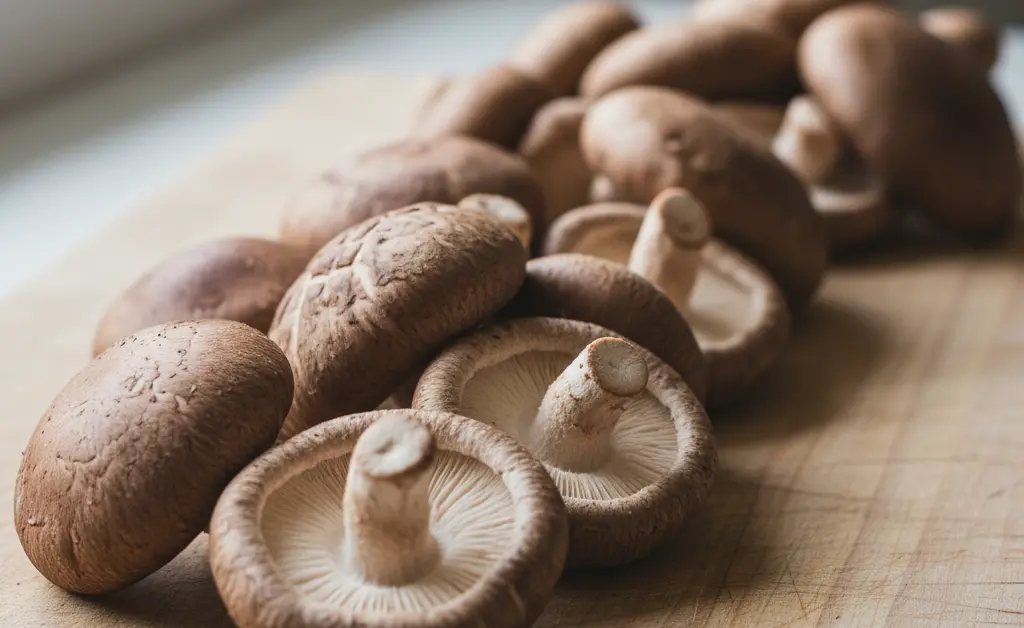
Shiitake mushrooms are a popular ingredient in diverse culinary traditions, cherished for their distinct umami flavor and versatility in dishes ranging from stir-fries to soups. While generally safe and enjoyed by many, some individuals may experience adverse reactions after consuming or handling them. These reactions can vary widely in severity and presentation, indicating the potential for a shiitake mushroom allergy. Understanding the symptoms, causes, and appropriate care is crucial for those who suspect they might be affected. This guide explores the nuances of this specific sensitivity, offering insights into identification and management strategies to navigate potential exposures safely.
Understanding Shiitake Mushroom Allergy
A shiitake mushroom allergy involves an immune response to specific proteins found within the mushroom. Unlike a simple intolerance, an allergy means the body’s immune system mistakenly identifies these proteins as harmful invaders, triggering a range of defense mechanisms. This can manifest in various ways, from mild skin irritations to more severe systemic reactions. Recognizing the potential for a shiitake mushroom allergy is the first step toward effective management and ensuring personal safety when encountering this common ingredient.
Symptoms of Shiitake Mushroom Allergy

The symptoms of a shiitake mushroom allergy can range widely from mild to severe, affecting different parts of the body. Mild allergic reactions might include itchy skin, hives, or a tingling sensation in the mouth immediately after consumption. Some individuals may experience gastrointestinal symptoms such as nausea, vomiting, or diarrhea. For others, particularly when handling raw mushrooms, localized skin reactions may occur. More severe reactions, though less common, can involve breathing trouble, significant swelling of the face, lips, or throat, and a sudden drop in blood pressure. These severe reactions, known as anaphylaxis, require immediate medical attention. Awareness of these varied shiitake mushroom allergy symptoms is essential for prompt recognition and response.
Causes and Risk Factors for Shiitake Mushroom Allergy

Like other food allergies, a shiitake mushroom allergy develops when the immune system becomes sensitized to specific proteins within the mushroom. Upon subsequent exposure, the body releases histamine and other chemicals, leading to allergic reactions. While the exact triggers for developing this sensitivity are not fully understood, factors such as genetic predisposition to allergies, previous exposure to mushrooms, or even cross-reactivity with other fungi or molds may play a role. Some individuals may develop a sudden mushroom intolerance, even after previously consuming shiitake mushrooms without issue. Handling raw mushrooms, in particular, has been associated with certain types of skin reactions. Understanding these potential causes and risk factors can help individuals assess their susceptibility to a shiitake mushroom allergy.
Diagnosing a Shiitake Mushroom Allergy
Diagnosing a shiitake mushroom allergy typically involves a comprehensive approach by a healthcare professional. The process often begins with a detailed medical history, where the individual describes their symptoms, the timing of their allergic reactions in relation to mushroom consumption, and any specific triggers observed. Physical examinations may also be conducted to assess current symptoms. To confirm a food allergy, doctors may recommend specific tests, such as skin prick tests or blood tests, which look for IgE antibodies to mushroom proteins. In some cases, an elimination diet followed by a supervised oral food challenge might be suggested, although this is done cautiously under medical supervision. Proper diagnosis is crucial for effective management and for distinguishing a true shiitake mushroom allergy from other forms of food intolerance or sensitivity.
Shiitake Dermatitis: A Unique Reaction

Shiitake dermatitis, sometimes referred to as “flagellate dermatitis” due to its distinctive appearance, is a unique type of skin reaction specifically associated with shiitake mushrooms (Lentinus edodes). Unlike typical immediate food allergies that trigger IgE-mediated responses, shiitake dermatitis is often a toxic-allergic reaction that appears hours or even days after consuming undercooked or raw shiitake mushrooms. This distinct characteristic sets it apart from other types of shiitake mushroom allergic reaction.
Types of Shiitake Dermatitis (e.g., Flagellate Dermatitis)
The most recognized form of shiitake dermatitis is flagellate dermatitis. This condition is characterized by linear streaks or whips on the skin, resembling marks left by a whip or flagella. These characteristic shiitake rash patterns are often bilateral and symmetric, primarily appearing on the trunk, neck, and limbs. Other less common skin reactions may also occur, but flagellate dermatitis is the most distinctive manifestation linked to shiitake consumption.
Characteristics of the Rash
The rash associated with shiitake dermatitis is intensely itchy skin, erythematous (red), and typically presents as parallel linear streaks. These streaks can be several centimeters long and tend to follow Langer’s lines, which are natural tension lines in the skin. A good search for “shiitake mushroom rash picture” or “mushroom allergy rash images” can provide visual examples of this unique presentation. The lesions can persist for days to weeks and may be accompanied by a burning sensation.
Is Shiitake Dermatitis Dangerous?
While shiitake dermatitis can be intensely uncomfortable due to the severe itching and visible rash, it is generally considered a benign condition. It does not typically lead to the life-threatening systemic reactions seen in severe allergic anaphylaxis. The dermatitis danger is primarily discomfort and potential for secondary infection from scratching. However, any unusual or widespread rash should always be evaluated by a healthcare professional.
How Common is Shiitake Mushroom Dermatitis?
The exact prevalence of shiitake mushroom dermatitis is not precisely known, but it is considered relatively rare, especially in Western populations where shiitake mushrooms are not as frequently consumed in large quantities or in raw/undercooked forms. However, in regions where shiitake mushrooms are a dietary staple, the incidence may be higher. The increasing global popularity of shiitake mushrooms means more individuals may potentially encounter this unique skin reaction, making awareness of dermatitis commonality important for healthcare providers. Further research, such as that found on the Cochrane Library, can provide more insights into the prevalence and management of allergic conditions.
Treatment and Management of Shiitake Mushroom Allergy
The primary treatment and management strategy for a shiitake mushroom allergy, as with most food allergies, is strict avoidance of the allergen. This means carefully checking food labels, asking about ingredients in restaurants, and avoiding dishes known to contain shiitake mushrooms. For those concerned about specific dietary contexts, such as consuming shiitake mushroom during pregnancy, consulting a healthcare provider is always recommended. For accidental exposures resulting in mild reactions, antihistamines may help alleviate symptoms like itching and hives. Topical corticosteroids might be prescribed for skin rashes like shiitake dermatitis. In cases of more severe allergic reactions, individuals should be prepared to use an epinephrine auto-injector if prescribed by a doctor, and then seek emergency medical care. Developing a personalized avoidance strategy and having an action plan for managing acute allergic reactions are crucial components of living safely with a shiitake mushroom allergy.
When to Seek Medical Attention for a Shiitake Mushroom Allergy
It is important to know when to seek medical attention for a shiitake mushroom allergy. If you experience mild reactions like a localized rash or mild stomach upset, it is advisable to consult a doctor for diagnosis and management advice. However, immediate emergency medical attention is necessary if symptoms rapidly worsen or include signs of a severe allergic reaction, such as difficulty breathing, wheezing, swelling of the tongue or throat, dizziness, a sudden drop in blood pressure, or a feeling of impending doom. These could be indicators of anaphylaxis, a potentially life-threatening condition. If you experience what are the first signs of a mushroom allergy, particularly severe symptoms, do not hesitate to seek help. Always follow your healthcare provider’s advice on what should I do if I have an allergic reaction to shiitake mushrooms.
Living with a shiitake mushroom allergy requires vigilance and an understanding of potential triggers and reactions. By recognizing symptoms, seeking appropriate medical diagnosis, and implementing effective management strategies, individuals can navigate their dietary choices safely. Continuous awareness and preparedness are key to minimizing risks and maintaining well-being.
This article aims to inform, not to replace professional healthcare advice. It is intended for general knowledge and informational purposes only, and does not constitute medical advice, diagnosis, or treatment. Always seek the advice of a qualified healthcare provider for any questions regarding a medical condition or before making any decisions related to your health or treatment.
FAQ
— What are the common symptoms of a shiitake mushroom allergy?
When a person experiences a shiitake mushroom allergy, symptoms frequently manifest as skin irritations, such as hives, itching, or the characteristic shiitake dermatitis. Other reactions can include gastrointestinal discomfort like nausea and diarrhea, or respiratory issues such as wheezing and difficulty breathing. These responses occur as the body’s immune system identifies mushroom compounds as harmful.
— Can you suddenly develop an allergy to shiitake mushrooms?
Yes, it is possible for individuals to develop new allergies at any point in their life, even to foods they have previously consumed without issue. Allergies arise when the immune system becomes sensitized to a particular substance after initial exposure, leading to an exaggerated response upon subsequent contact. This sensitization process can occur unexpectedly due to changes in immune system recognition.
— Are shiitake mushroom allergies common?
While consuming shiitake mushrooms is generally safe for most people, specific allergic reactions to them are considered relatively uncommon compared to other widespread food allergies. The distinct proteins within the mushroom can trigger an immune response in susceptible individuals, but this sensitivity does not affect a large portion of the population. However, a unique skin reaction, shiitake dermatitis, is specifically linked to these mushrooms and is more recognized.
— Can a shiitake mushroom allergy be serious?
Yes, like any food allergy, a shiitake mushroom allergy can range in severity from mild discomfort to more severe, systemic reactions. In some sensitive individuals, exposure might lead to anaphylaxis, a life-threatening condition requiring immediate medical attention. The potential for serious symptoms means any suspected allergic reaction should be taken seriously.