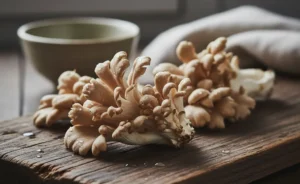
There’s a quiet satisfaction in exploring the diverse world of culinary ingredients, particularly when encountering something as distinctive as the maitake mushroom. Its presence on a plate promises not just a depth of umami flavor but also an intriguing tactile experience that sets it apart. Many home cooks and professional chefs are drawn to maitake for its versatility and health benefits, yet it’s the specific characteristics of its structure that often spark the most curiosity. Understanding the nuanced differences in raw versus cooked maitake is key to unlocking its full potential. This guide delves into every aspect of maitake mushroom texture, from its unique natural state to how various preparation methods can transform it, ensuring every dish achieves a delightful and memorable consistency.
Defining the Maitake Mushroom Texture Profile
The maitake mushroom, also known as “hen of the woods” or Grifola frondosa, offers a truly distinctive textural experience that sets it apart from many other edible mushrooms. Its structure is a complex arrangement of fronds emanating from a central base, each part contributing to its unique textural profile. For a complete culinary perspective, exploring what maitake mushroom tastes like complements its unique texture. Understanding this inherent structure is key to appreciating and manipulating the maitake mushroom texture during cooking.
Texture When Raw
In its raw state, the maitake mushroom exhibits a firm yet delicate quality. The individual fronds, which form the signature feathery, ruffled cluster, are surprisingly robust. While they appear delicate, they possess a slight snap when broken, indicative of their inherent structure. The base or core of the mushroom, where the fronds converge, is notably firmer and more dense, offering a substantial resistance to pressure. The raw fronds can feel somewhat fibrous, particularly the thicker sections, contributing to a unique mouthfeel before any heat is applied.
Texture When Cooked
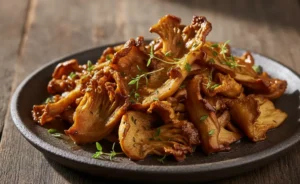
Cooking transforms the raw maitake, typically rendering it tender, yet retaining a satisfying chewiness. The heat breaks down some of the fibrous qualities, making the fronds more pliable and succulent. Depending on the cooking method and duration, the texture can range from a soft, almost velvety consistency to a more robust, meat-like chew that can be quite satisfying. This cooked texture is highly sought after by chefs for its ability to add substance and an interesting mouthfeel to various dishes.
Mouthfeel of the Fronds vs. the Core
The different parts of the maitake mushroom offer distinct mouthfeel experiences. The feathery fronds, being thinner, tend to become more delicate and tender once cooked, often absorbing flavors readily and melting somewhat in the mouth while still providing a slight, pleasant resistance. They can have a succulent quality that makes them particularly enjoyable. In contrast, the thicker core or base of the maitake mushroom maintains a firmer, more substantial mouthfeel, often described as meaty or even woody if not cooked sufficiently. This contrast between the tender fronds and the chewy core is a hallmark of the maitake’s culinary appeal.
Preparing Maitake to Preserve its Unique Texture
The versatility of maitake mushrooms extends to how various preparation techniques can be used to either highlight or transform its natural maitake mushroom texture. Understanding these methods allows for greater control over the final culinary outcome, whether aiming for crispness or a tender chew.
Achieving a Crispy Texture
To achieve a delightfully crispy maitake mushroom texture, high-heat cooking methods are often employed. Pan-frying, deep-frying, or roasting at elevated temperatures with adequate space in the pan are effective. The key is to ensure moisture evaporates quickly, allowing the natural sugars and proteins to caramelize and crisp up. Separating the fronds before cooking helps maximize surface area, leading to more even browning and a satisfying crunch. A light coating of flour or cornstarch can further enhance crispiness, particularly for fried preparations.
Creating a Tender and Chewy Texture
For a tender yet satisfyingly chewy maitake mushroom texture, slower and gentler cooking methods are ideal. Braising, simmering in sauces, or sautéing over medium heat can yield a succulent interior that retains its integrity without becoming overly soft. Allowing the maitake to cook in its own juices, or in a flavorful broth, helps it absorb liquids and become tender while still providing that distinct, desirable chew. This approach brings out the umami depth and a pleasant, somewhat meat-like consistency, making it excellent for stews or hearty main courses.
How Cooking Methods Alter Maitake Texture
Different cooking methods fundamentally change the inherent maitake mushroom texture, bringing out various characteristics that make it suitable for a wide range of dishes. The choice of technique can dramatically influence whether the mushroom becomes firm, tender, crispy, or wonderfully chewy.
Maitake mushroom texture recipe
When preparing maitake using common recipes, the cooking method is paramount to the resulting texture. For example, sautéing maitake in butter or oil over medium-high heat typically yields fronds that are tender on the inside with slightly crispy edges. Roasting maitake can result in a firmer, more concentrated flavor and a chewy interior, especially if cooked until golden brown. Grilling provides a smokier flavor and a distinctive char, often producing a succulent yet firm texture that holds up well. Each recipe’s specific cooking technique is designed to achieve a desired maitake mushroom texture that complements the overall dish.
Maitake mushroom texture pasta
Integrating maitake mushrooms into pasta dishes often highlights their ability to become tender and chewy, while absorbing the flavors of the sauce. When simmered with pasta and sauce, the maitake fronds soften, becoming pliable and succulent, adding a rich, earthy depth and a pleasing mouthfeel that contrasts beautifully with the pasta. The inherent chewiness of the mushroom prevents it from disappearing into the dish, providing a substantial presence. This preparation showcases a softer, more integrated maitake mushroom texture that enhances the overall experience of the pasta.
Comparing Maitake Texture to Other Edible Mushrooms
The maitake mushroom texture truly stands out when compared to its fungal counterparts, offering a unique combination of characteristics that contribute to its culinary appeal. While some mushrooms share certain qualities, maitake possesses a distinct profile.
Unidentified wild mushroom with maitake texture
While the maitake mushroom (Grifola frondosa) has a very identifiable texture, some wild mushrooms might present superficial resemblances. For instance, some types of wood ear mushrooms are known for their distinct chewy, almost cartilaginous texture, which can be somewhat firm. However, they lack the feathery fronds and succulent, meat-like qualities of maitake. Shiitake mushrooms offer a meatier, firmer texture, particularly in their stems, but their caps are typically smoother and less intricate than maitake fronds. Oyster mushrooms tend to be more delicate and softer, often with a velvety feel, and do not possess the same robust chewiness or intricate cluster formation. It is critical to remember that consuming unidentified wild mushrooms can be dangerous, and positive identification by an expert is always necessary before consumption. Ensuring food safety in wild foraging aligns with global public health guidelines from the WHO.
Selecting Maitake for Optimal Texture
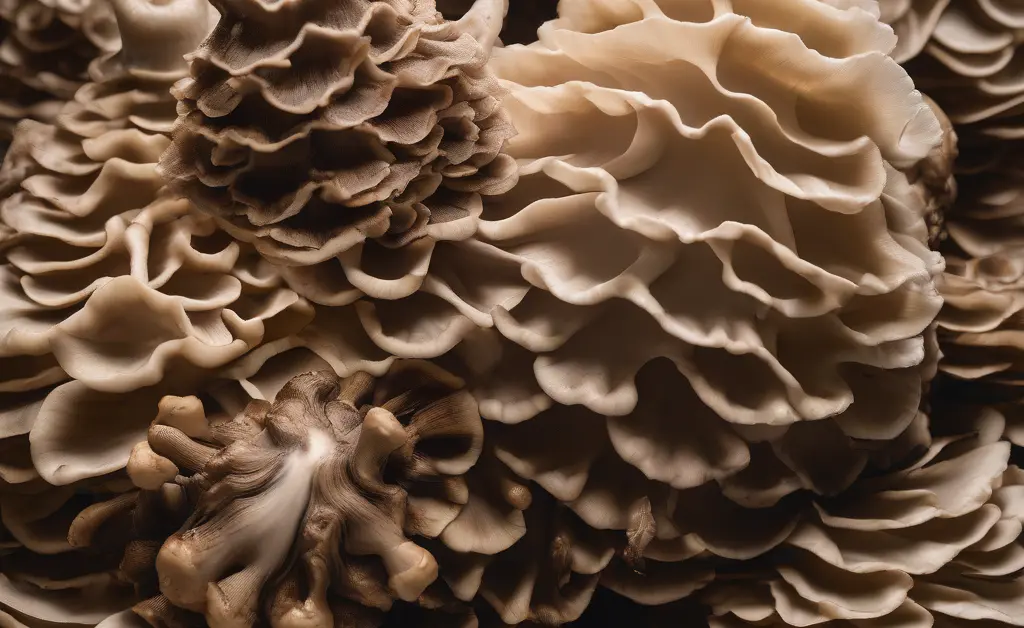
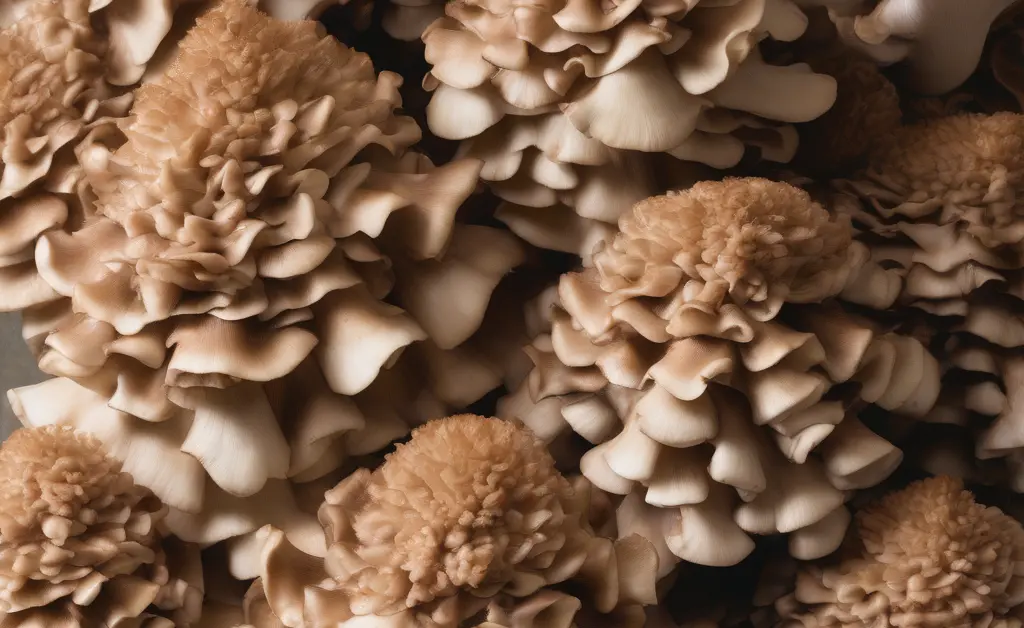
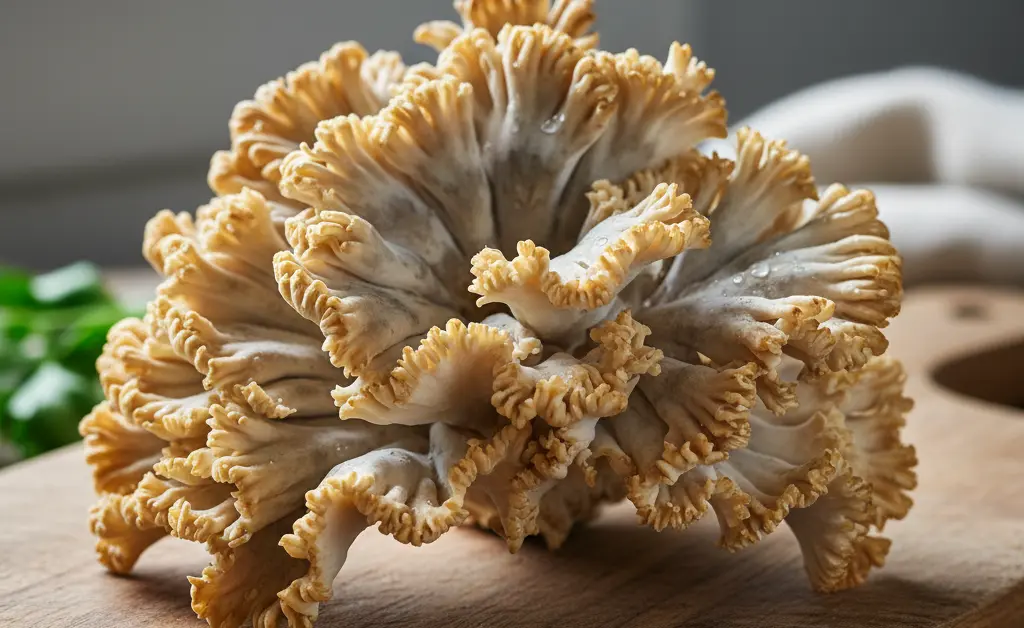
To ensure the best culinary experience, selecting fresh, high-quality maitake mushrooms is crucial for achieving an optimal texture. The visual cues of a fresh cluster are often indicative of its potential texture.
When choosing maitake, look for intact clusters that appear firm and robust. The fronds should be vibrant and well-formed, without any signs of sliminess, excessive dryness, or wilting. A healthy maitake mushroom will feel substantial for its size and typically exhibit a slight springiness when gently handled. Avoid any clusters that show significant bruising, discoloration, or a strong, off-putting odor, as these are indicators of declining freshness that will negatively impact the desired maitake mushroom texture during cooking. Understanding the natural maitake mushroom smell is also helpful for gauging freshness.
The distinctive maitake mushroom texture, whether enjoyed raw or transformed through cooking, offers a truly unique culinary experience. From its firm, feathery raw state to its tender, chewy, or even crispy cooked forms, understanding and manipulating this texture is key to unlocking its full potential. By selecting fresh mushrooms and employing appropriate cooking techniques, anyone can master the art of preparing maitake to achieve the most desirable consistency for any dish, making it a truly versatile and celebrated ingredient in the kitchen.
The content provided in this article is intended for informational learning, not clinical application. It offers general insights into culinary ingredients and preparation techniques. Individuals should consult with qualified professionals for specific dietary advice, health concerns, or medical conditions. This information is not a substitute for professional guidance or treatment.
FAQ
— Is maitake mushroom chewy or soft?
Maitake mushrooms offer a unique consistency that balances between tender and slightly firm. Their delicate fronds tend to soften beautifully when cooked without becoming mushy, retaining a pleasant, satisfying bite. This makes them a versatile ingredient in various culinary applications.
— What does the texture of maitake feel like when cooked?
When cooked, maitake mushrooms develop a tender yet substantial consistency. The individual fronds soften, offering a succulent, almost “meaty” mouthfeel that is distinct from many other mushroom varieties. They absorb flavors well while maintaining their structural integrity.
— How do you make maitake mushrooms crispy?
Achieving crispiness with maitake mushrooms involves utilizing dry heat and ensuring proper space around each piece. Sautéing or roasting them in a single layer with minimal oil at a higher temperature allows moisture to evaporate quickly, encouraging the edges to become delightfully crisp. This method highlights their unique structural qualities.
— Which mushroom has a texture similar to maitake?
While maitake’s texture is quite distinctive, oyster mushrooms sometimes share a similar delicate yet substantial quality when cooked. Both varieties feature frilly structures that become tender without losing their pleasant chewiness, making them good parallels for culinary comparisons.
— How does storing maitake mushrooms affect their texture?
Proper storage is crucial for maintaining optimal maitake mushroom texture. Keeping them in a breathable paper bag in the refrigerator helps prevent them from becoming either overly dry and brittle or excessively moist and slimy, thus preserving their desirable firm yet tender quality. This careful approach to storage ensures they retain their best characteristics for culinary use.