The typical maitake mushroom smell is earthy, woody, and slightly nutty — similar to the aroma of a damp forest floor after rain. Fresh maitake should have a mild, pleasant scent, while sour, fishy, or ammonia-like odors signal spoilage. Knowing what maitake mushroom smell should be like helps you choose fresh specimens and recognize when they’ve gone bad. This guide covers the normal scent of fresh and cooked maitake, how the aroma changes with age, and how to store them to keep them smelling their best.
What Does Fresh Maitake Mushroom Smell Like?
The Earthy, Woody Base Aroma
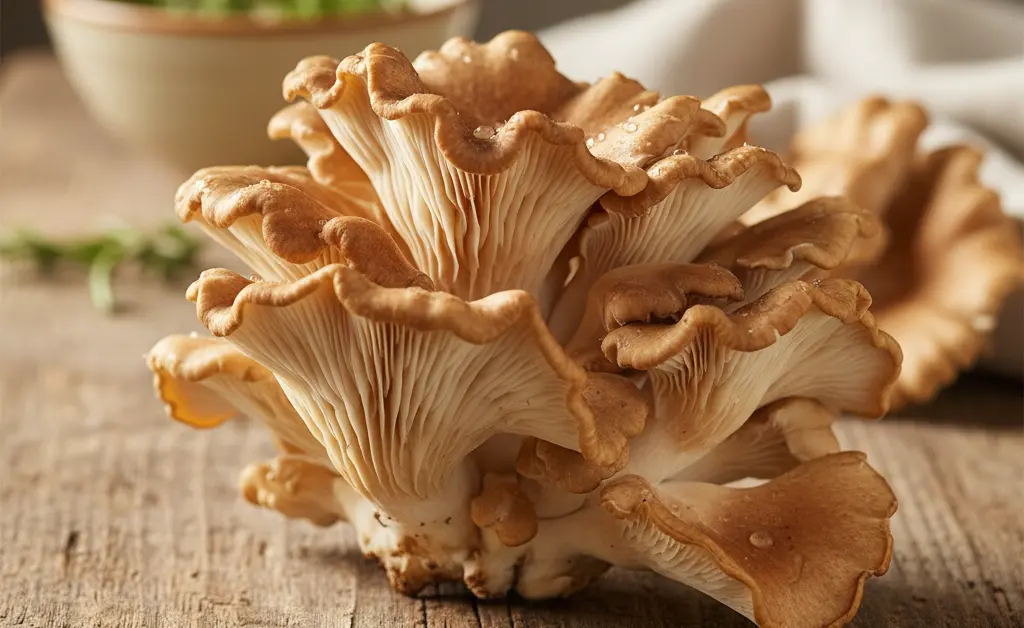
Fresh maitake mushrooms have a rich, earthy scent reminiscent of damp soil, fallen leaves, and the forest floor. This earthiness is complemented by a subtle woody aroma — often likened to oak or other hardwoods — which reflects the trees maitake naturally grows on. Together, these notes create a clean, grounding fragrance that is both inviting and a reliable indicator of freshness.
Subtle Notes: Pepper, Nuttiness, and a Hint of Sweetness
Beyond the dominant earthy and woody tones, fresh maitake can present additional aromatic nuances. Many people detect a faint peppery or spicy edge, while others notice a mild nuttiness or even a very light, almost fruity quality. These undertones are generally pleasant and contribute to the mushroom’s complexity. A healthy, fresh maitake should never smell unpleasant or overpowering — just clean, natural, and mildly aromatic.
Wild vs. Cultivated Maitake Scent
Wild maitake (hen of the woods) tends to have a more robust, complex aroma due to its interactions with natural soil microorganisms and forest environments. Cultivated maitake, grown in controlled conditions on specific substrates, generally offers a more consistent and sometimes milder scent profile. Both should retain the characteristic fresh, earthy notes — the difference is mainly in intensity and complexity.
What Does Maitake Mushroom Smell Like When Cooking?
When maitake hits a hot pan, the aroma changes noticeably. The earthy, woodsy base becomes deeper and more savory, releasing rich umami notes as the mushroom begins to caramelize. Many cooks describe the cooked maitake mushroom smell as intensely earthy with a peppery, slightly smoky edge — a significant step up from the mild scent of raw maitake.
This aromatic transformation is part of what makes maitake so valued in the kitchen. When sautéed until lightly browned, it develops a meaty, savory fragrance that complements soups, stir-fries, and roasted dishes. Importantly, if the mushroom smells sour, musty, or unpleasantly pungent while cooking, that is a clear sign it was already beginning to spoil before it reached the heat.
Signs Your Maitake Mushroom Has Gone Bad by Smell
Sour or Fermented Odors
One of the most common warning signs of a spoiled maitake is a sour or fermented odor — a tangy, yeasty, or slightly alcoholic scent that indicates microbial activity has begun breaking down the mushroom’s tissues. This often coincides with sliminess or a mushy texture. If your maitake smells like sour milk, stale beer, or fermentation, discard it immediately.
Sharp Ammonia or Chemical Smells
A sharp ammonia or chemical-like odor is a strong indicator of advanced spoilage. As mushroom proteins degrade, they release compounds with a pungent, acrid aroma. This stage is often accompanied by dark spots or visible color changes. Any maitake with an ammonia-like smell should be discarded immediately, as it poses a potential health risk. For further food safety guidance, refer to resources from the NHS.
Fishy or Unpleasantly Pungent Scents
An overt fishy or foul odor in maitake suggests bacterial contamination. While some mushrooms can have faint marine notes when fresh, a strong or rotten fishiness is a clear red flag. These off-odors are usually accompanied by visual cues like sliminess or visible mold. If in doubt, err on the side of caution and discard the mushroom.
How to Store Maitake to Keep It Smelling Fresh
Proper storage is the most effective way to preserve the pleasant maitake mushroom smell and extend shelf life. Follow these practical guidelines:
- Use a paper bag: Store fresh maitake in a paper bag (not plastic) in the refrigerator. Paper allows airflow and absorbs excess moisture, which slows decay and prevents the musty, fermented odors that come from trapped humidity.
- Keep it whole until use: Avoid breaking apart the cluster until you are ready to cook. Whole maitake retains its freshness and aroma longer than pre-separated fronds.
- Refrigerate promptly: Fresh maitake typically lasts 5–7 days in the fridge at 2–4°C (35–40°F). The smell test is your best daily check — fresh maitake should always smell clean and earthy, not sour or fermented.
- Freeze for longer storage: If you cannot use fresh maitake within a week, sauté it lightly and freeze it. Frozen maitake retains its flavor and aroma compounds better than refrigerated mushrooms left too long.
FAQ
— What is maitake supposed to smell like?
Maitake mushrooms are characterized by a mild, earthy, and sometimes slightly peppery aroma that reflects their natural forest habitat. The scent is subtle but distinct, contributing to the overall umami experience when cooked.
— Should fresh mushrooms have a strong smell?
Fresh mushrooms typically have a subtle, pleasant earthy scent rather than a strong or pungent aroma. An intense, sour, or off-putting odor is usually a sign the mushrooms are past their prime and beginning to spoil.
— What does maitake smell like when cooking?
When cooked, maitake develops a deeper, more savory aroma — earthy and peppery with rich umami notes. The scent intensifies as the mushroom caramelizes. If a sour or foul odor appears during cooking, the mushroom was already spoiling before it hit the pan.
— How long before maitake smells bad?
Stored properly in a paper bag in the refrigerator, fresh maitake typically stays fresh for 5–7 days. After that, it may begin to develop sour or musty odors. Check daily by smell — if it no longer smells clean and earthy, it is time to discard it.
— Why does my maitake sometimes smell slightly sweet or fruity?
A faint sweet or fruity note in fresh maitake is caused by specific volatile organic compounds that develop naturally based on growth conditions or slight enzymatic activity after harvest. This is generally a normal part of the mushroom’s aromatic profile.
— Can you identify maitake mushrooms by their smell when foraging?
While the maitake mushroom smell is a helpful characteristic, relying solely on scent for identification during foraging is not advisable. Proper mushroom identification requires confirming multiple features — growth pattern, cap shape, pore structure, and habitat. Use aroma as a supportive clue alongside visual identifiers.
— Does washing maitake mushrooms change their natural aroma?
Washing can temporarily dilute maitake’s aroma by rinsing away some surface-level volatile compounds. The core earthy fragrance typically persists, but delicate subtle notes may be less noticeable immediately after washing. Gently wipe with a damp cloth or brush instead of rinsing to preserve the most aroma.