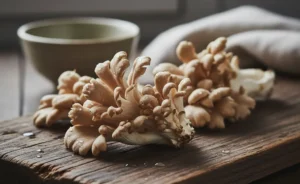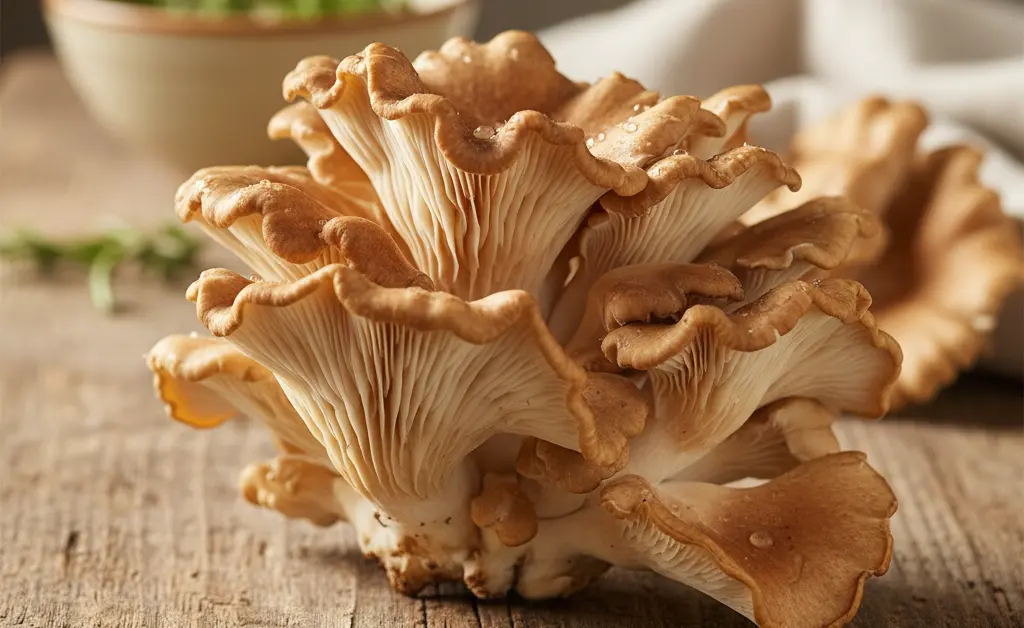
The typical maitake mushroom smell is earthy, woody, and slightly nutty, similar to the aroma of a damp forest floor. Fresh maitake mushrooms should have a mild and pleasant scent, while sour or fishy odors often indicate spoilage. Knowing what maitake mushroom smell should be like helps you identify fresh mushrooms and avoid those that have gone bad. In this guide, you’ll learn the normal scent of maitake mushrooms and how their smell changes as they age.
What Does Fresh Maitake Mushroom Smell Like? (Hen of the Woods)
The Prominent Earthy and Woody Aroma
The fresh maitake mushroom smell is often described as a symphony of forest notes, deeply rooted in its natural habitat. When you encounter a truly fresh specimen, the most prominent characteristic will be a rich, earthy scent reminiscent of damp soil, fallen leaves, and the forest floor after a rain. This earthiness is typically complemented by a subtle woody aroma, often likened to oak or other hardwoods, reflecting the trees on which it commonly grows. This combination creates a grounding, natural fragrance that is both inviting and indicative of its pristine condition.
Subtle Notes to Expect in Fresh Maitake
Beyond the dominant earthy and woody tones, fresh maitake can also present more nuanced and delicate aromatic qualities. Some individuals detect a faint peppery note, adding a subtle complexity to the overall profile. Others might discern a hint of sweetness, or even a very light, almost fruity essence, which contributes to its unique appeal among gourmet mushrooms. These subtle undertones are generally pleasant and contribute to the mushroom’s overall fresh and vibrant character. A healthy, fresh maitake should never smell unpleasant or overtly strong, but rather offer a clean, natural, and intriguing bouquet.
Fresh vs Spoiled Maitake Mushroom Smell: How to Tell the Difference
Comparing Wild vs. Cultivated Maitake Scents
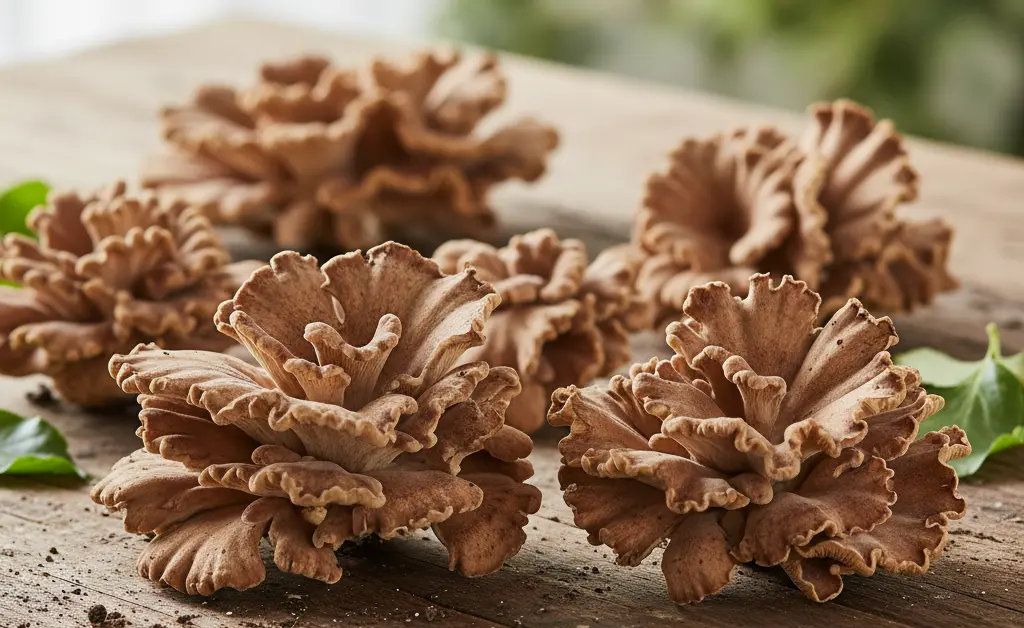
Discerning the maitake mushroom smell between fresh and spoiled states is a crucial skill for any culinary enthusiast. While the basic principles of identifying freshness apply to both, there can be slight variations in aroma complexity between wild and cultivated varieties. Wild maitake, often referred to as Hen of the Woods, tends to exhibit a more robust and intricate aroma due to its diverse interactions with natural soil microorganisms and forest environments. This can result in a more pronounced earthy and woody character, sometimes with richer, more varied undertones. Cultivated maitake, grown in controlled environments on specific substrates, generally offers a more consistent and sometimes milder scent profile, though it should still retain the characteristic fresh earthy notes. Both, however, should possess a clean, pleasant, and natural aroma.
Signs Your Maitake Mushroom Has Gone Bad by Smell
Detecting Sour or Fermented Odors
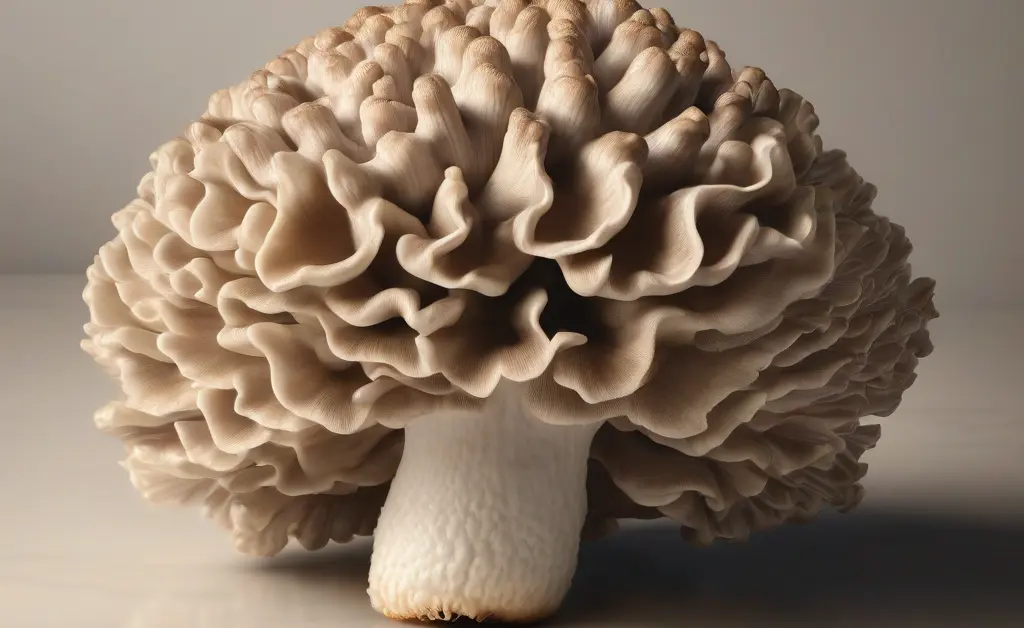
Recognizing a spoiled maitake mushroom smell involves paying attention to specific off-notes that signal bacterial activity and decay. One of the most common warning signs is a sour or fermented odor. This can manifest as a tangy, yeasty, or even slightly alcoholic scent, indicating that microorganisms have begun to break down the mushroom’s tissues. This process often coincides with changes in texture, such as sliminess or a mushy feel. If your maitake emits any smell that reminds you of sour milk, stale beer, or fermentation, it is a clear indicator that it is past its prime and should not be consumed.
Identifying Sharp Ammonia or Chemical Smells
Another unmistakable sign of spoilage is the presence of a sharp ammonia or chemical-like smell. As mushrooms decay further, proteins within their structure can break down into compounds that release a pungent, acrid aroma. This ammonia-like scent is a strong warning signal that the maitake has undergone significant degradation and is no longer safe for consumption. This stage of spoilage is often accompanied by dark spots or a noticeable change in color. Any mushroom exhibiting such a harsh, chemical odor should be discarded immediately to avoid potential health risks. For further guidance on food safety, you can refer to resources from the NHS.
Recognizing Fishy or Unpleasantly Pungent Scents
A fishy or unpleasantly pungent maitake mushroom smell is also a strong indicator of spoilage. While some mushrooms can have faint marine notes when fresh, an overt fishy odor, particularly one that is strong or foul, suggests bacterial contamination. This type of spoilage often arises from specific bacteria that thrive in decaying organic matter. Similarly, a generally strong, offensive, or “rotten” pungency that deviates significantly from the fresh earthy aroma is a red flag. Should you encounter a maitake with a distinct fishy or otherwise repulsive smell, it’s best to err on the side of caution and discard it. These strong, off-putting odors are typically accompanied by other visual cues like sliminess or mold, reinforcing the decision to discard.
FAQ
— What is maitake supposed to smell like?
Maitake mushrooms are generally characterized by a mild, earthy, and sometimes slightly peppery aroma. This scent is often described as subtle yet distinct, reflecting its natural forest habitat. It contributes to the overall umami experience when consumed.
— Should fresh mushrooms have a strong smell?
Fresh mushrooms typically possess a subtle, pleasant earthy scent, rather than a strong or pungent aroma. An intense or sour odor often suggests that the mushrooms are past their prime and beginning to spoil. The freshness of a mushroom is usually indicated by its mild, natural fragrance.
— Why does my maitake sometimes smell slightly sweet or fruity?
The occasional slightly sweet or fruity aroma in maitake can be attributed to the presence of specific volatile organic compounds. These compounds might develop due to environmental factors, slight variations in growth conditions, or the initial stages of enzymatic activity after harvesting. This subtle shift in fragrance is generally a natural part of the mushroom’s diverse aromatic profile.
— Can you identify maitake mushrooms by their smell when foraging?
While the distinctive maitake mushroom smell can be a helpful characteristic, relying solely on scent for identification during foraging is not advisable. Mushroom identification requires careful consideration of multiple features, including visual characteristics like growth pattern, cap shape, and pore structure. Aroma is best used as a supportive clue alongside other definitive identifiers to ensure correct recognition.
— Does washing maitake mushrooms change their natural aroma?
Washing maitake mushrooms can temporarily dilute or diminish their natural aroma, primarily because water can rinse away some of the surface-level volatile compounds responsible for the scent. While the core earthy fragrance often persists, any very subtle or delicate notes might be less noticeable immediately after washing. It’s generally recommended to clean mushrooms gently to preserve their integrity and flavor compounds.